



Go to My Ireland
logo-mini

Are you sure you want to sure you want to leave the feed?

Leave

Oops... something went wrong!

My Ireland

Looking for inspiration? Planning a trip? Or just want to scroll yourself happy? We'll show you an Ireland that's tailor-made for you.

  • #Landscapes
  • #CultureandHeritage
  • #OutdoorActivities
  • #Landmarks
MyICallOut_FindTheThings_EN_Desk_Above-Left MyICallOut_FindTheThings_EN_Desk_Above-Left

Oops, no internet connection

While offline, you can still add items to ‘My Board’. New travel reccomendations will only show up once you’re back online.

    See what Ireland has in store for you

    Oops, no internet connection

    While offline, you can still add items to ‘My Board’. New travel reccomendations will only show up once you’re back online.

    My Board

    Items without a physical location are not shown in map view.

    Looks like your board is empty

    Look out for the little heart icon around Ireland.com, simply tap the icon to start adding items to your board!

    Emptyboard Emptyboard

    Board settings

    Collection cover image

    Visible to people you share your board with

    No image

    board-settings-sample-image-1 board-settings-sample-image-1
    board-settings-sample-image-2 board-settings-sample-image-2
    board-settings-sample-image-3 board-settings-sample-image-3
    board-settings-sample-image-4 board-settings-sample-image-4
    board-settings-sample-image-5 board-settings-sample-image-5
    board-settings-sample-image-6 board-settings-sample-image-6
    board-settings-sample-image-7 board-settings-sample-image-7
    board-settings-sample-image-8 board-settings-sample-image-8

    Experience the myths and majesty of Northern Ireland’s iconic UNESCO World Heritage Site.

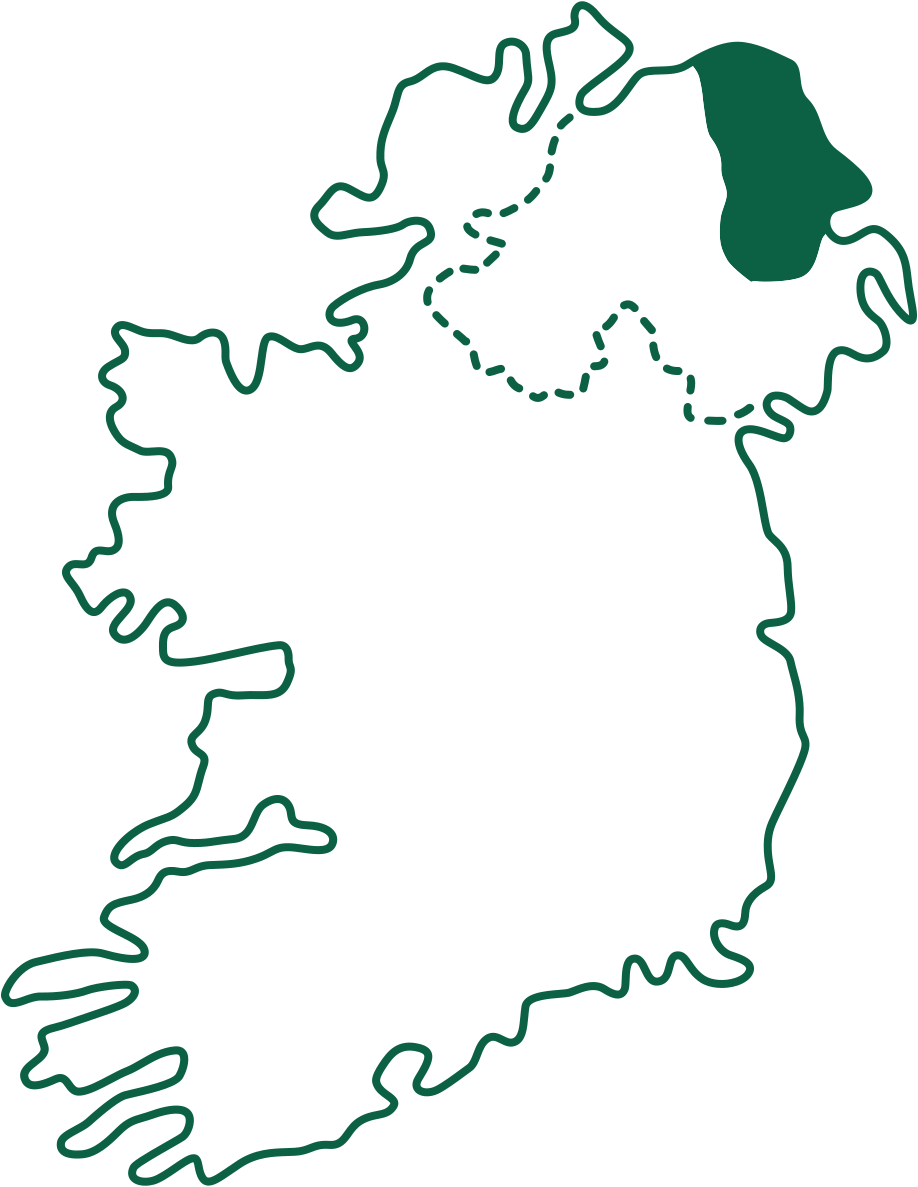
    Map of Ireland with County Antrim in Northern Ireland highlighted in dark green.

    Experience the myths and majesty of Northern Ireland’s iconic UNESCO World Heritage Site.

    1

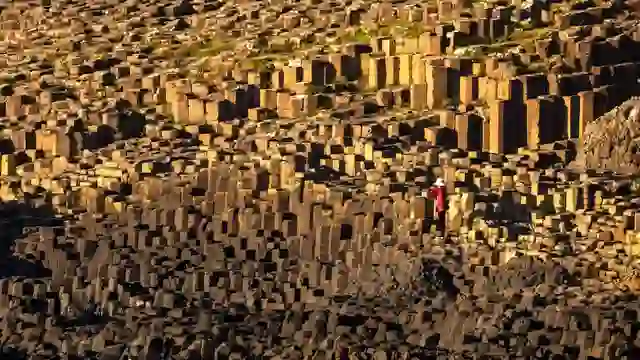
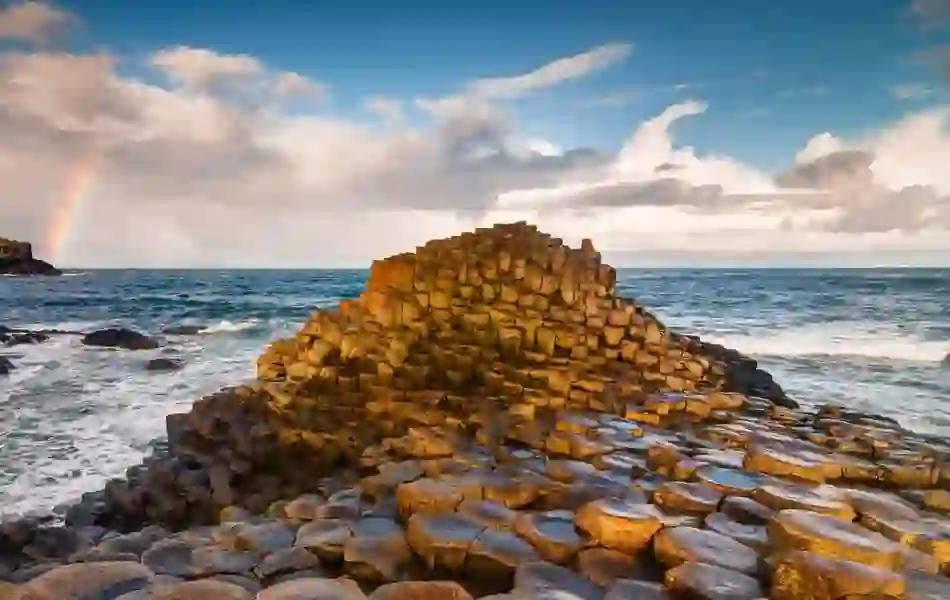
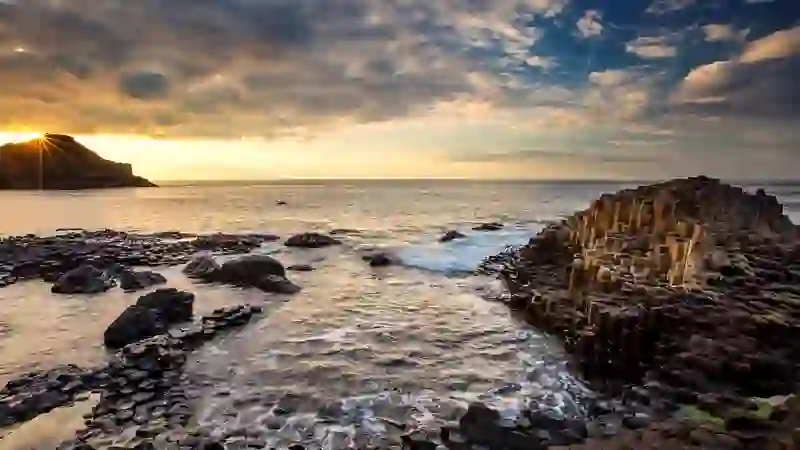
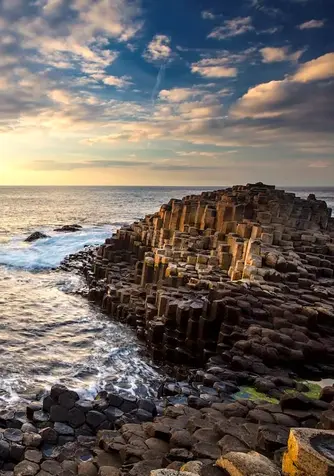
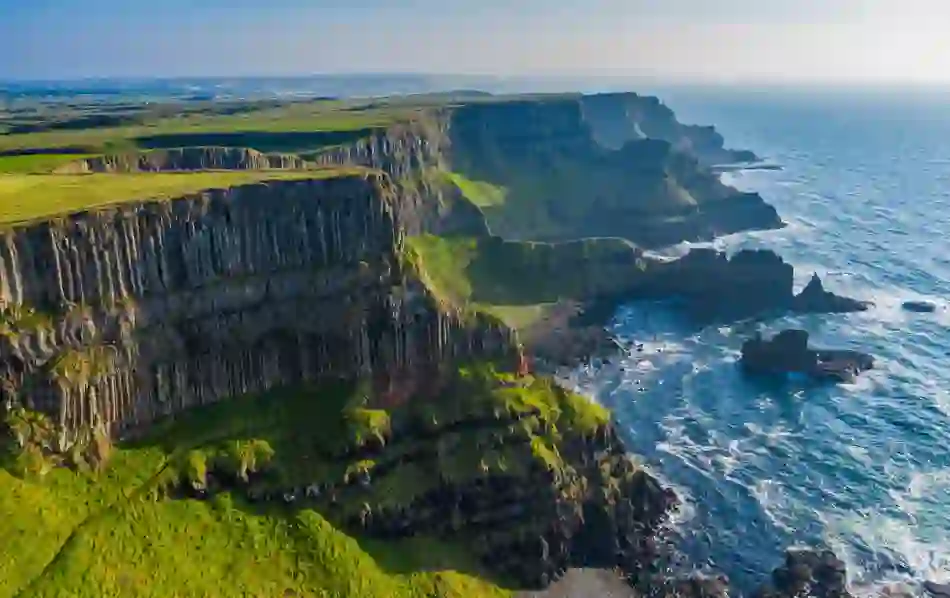
    Formed by volcanic activity over 60 million years ago, the Giant’s Causeway is made up of over 40,000 perfectly shaped basalt columns.

    2

    Legend has it the stones were part of a pathway built by Finn McCool, the Irish giant, to face his Scottish rival in battle.

    3

    You can explore the story and the landscape through interactive exhibitions at the Visitor Centre, guided tours and stunning coastal walking trails.

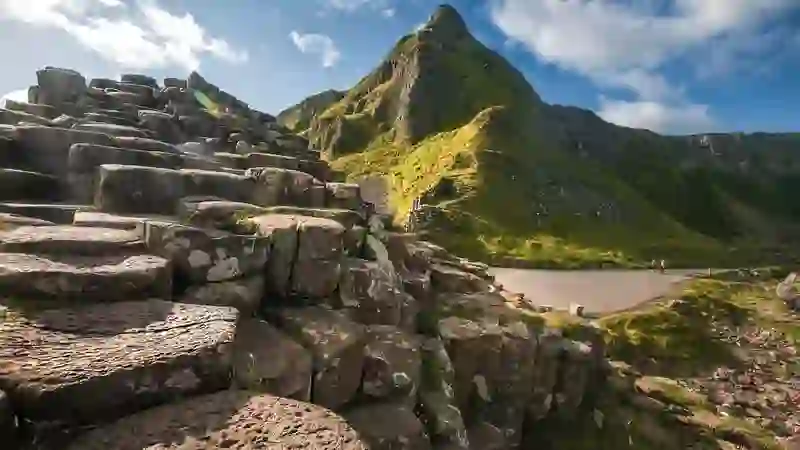
    Few places blur the line between science and myth quite like the Giant’s Causeway. A UNESCO World Heritage Site on Northern Ireland’s north coast, its vast sweep of hexagonal stones has fascinated generations of scientists and storytellers. Today, this otherworldly landscape tells two tales at once: the ancient volcanic forces that shaped it millions of years ago, and the enduring legend of Fionn mac Cumhaill (Finn McCool). Step down from the cliffs to the shoreline and you’ll find yourself walking in both worlds – where raw geology meets myth and magic.
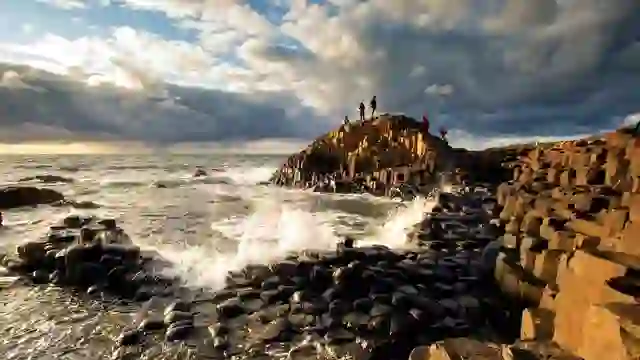
    Visitors exploring the Giant's Causeway's basalt columns as Atlantic waves crash beneath dramatic skies. Visitors exploring the Giant's Causeway's basalt columns as Atlantic waves crash beneath dramatic skies.

    Giant's Causeway, County Antrim

    Chris Hill Photographic

    What to expect from a Giant’s Causeway tour

    The Giant’s Causeway is one of Ireland’s most popular visitor attractions, and a highlight of the Causeway Coastal Route. Visitors are asked to pre-book the Giant’s Causeway Visitor Experience online, which includes on-site parking, guided tours, handheld audio guides and more. The experience begins at the award-winning visitor centre, where exhibitions, films and storytelling bring the story of the landscape to life.

    Afterwards, follow the winding path to the iconic wave-lashed basalt columns. Whether you choose a tour or explore at your own pace, you’ll get to enjoy some of Ireland’s most spectacular coastal scenery. Feel the salt spray, touch the hexagonal stones, and listen to the Atlantic thunder against the rocks.

    Accessible from Belfast by public transport, the Giant’s Causeway is also a popular destination for guided day trips from the city. However, if time allows, it’s worth lingering along this coastline to discover more of the great nearby attractions and soak up the majestic scenery at your own pace.

    Walking at the Giant’s Causeway

    The Giant’s Causeway is also one of Northern Ireland’s top walking destinations, with four marked trails for all abilities. The Causeway Coast Way runs from Portstewart Strand to Ballycastle, taking in the Causeway and Carrick-a-Rede rope bridge along the way.

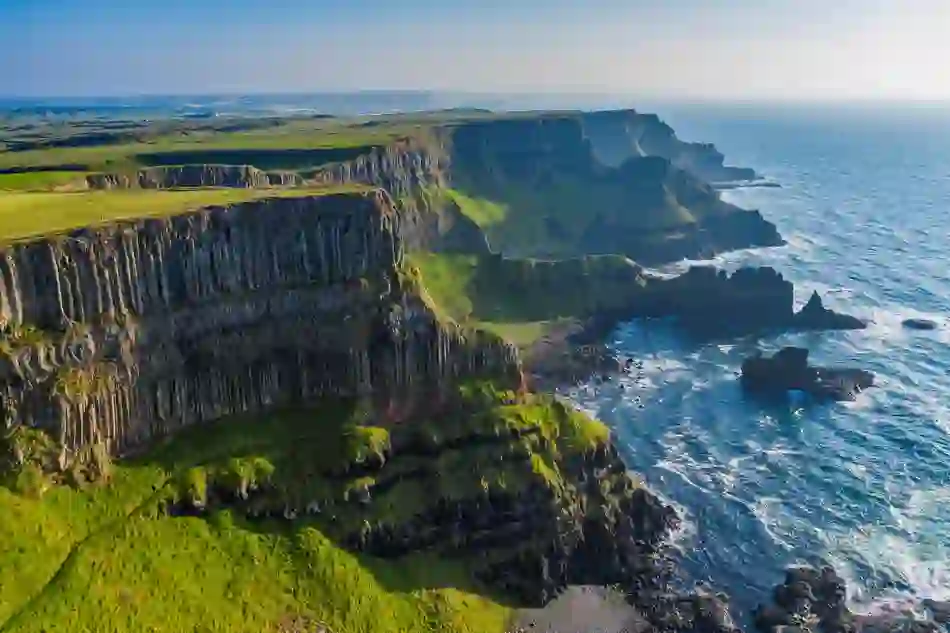
    For something shorter, try the Red Trail, a 1.2–3.2km clifftop walk where the Causeway unfolds beneath you in all its rugged beauty. And if you’d prefer to go in the company of an expert, the National Trust Clifftop Experience is a guided walk that begins at Dunseverick Castle and ends at the Causeway.

    Go walking on the Causeway Coast
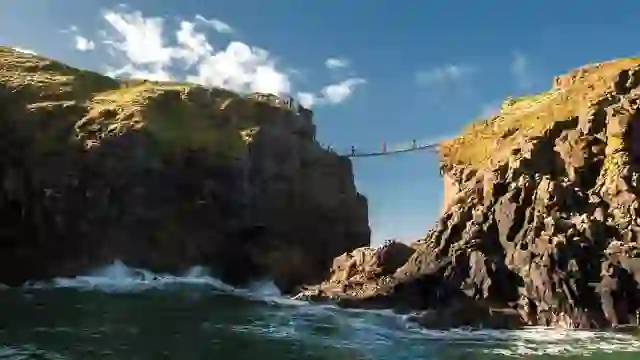
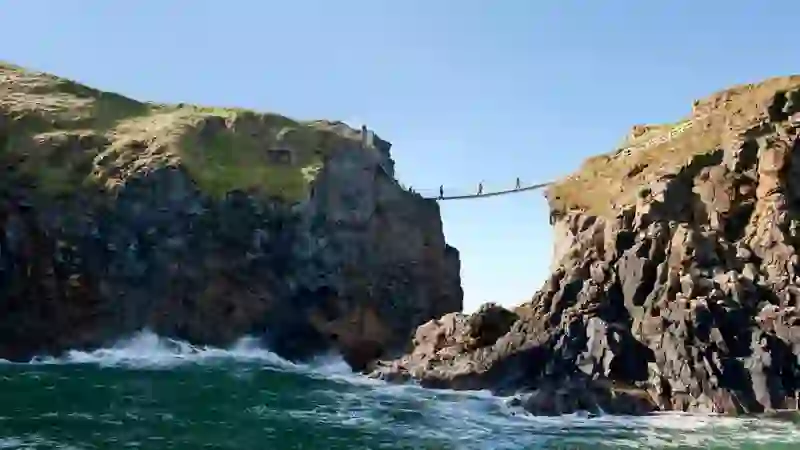
    Carrick-a-Rede Rope Bridge spanning dramatic sea cliffs in County Antrim, with waves crashing below under blue sky. Carrick-a-Rede Rope Bridge spanning dramatic sea cliffs in County Antrim, with waves crashing below under blue sky.

    Carrick-a-Rede rope bridge, County Antrim

    Food and drink at the Giant’s Causeway

    All that sea air works up an appetite, and the Visitor Centre Café is the perfect place to recharge with dishes including Dexter beef sausage rolls, Cornish pasties and chickpea sausage rolls. There’s also a good range of sandwiches and wraps, as well as scones, cakes and ice creams from local favourite Mullins.

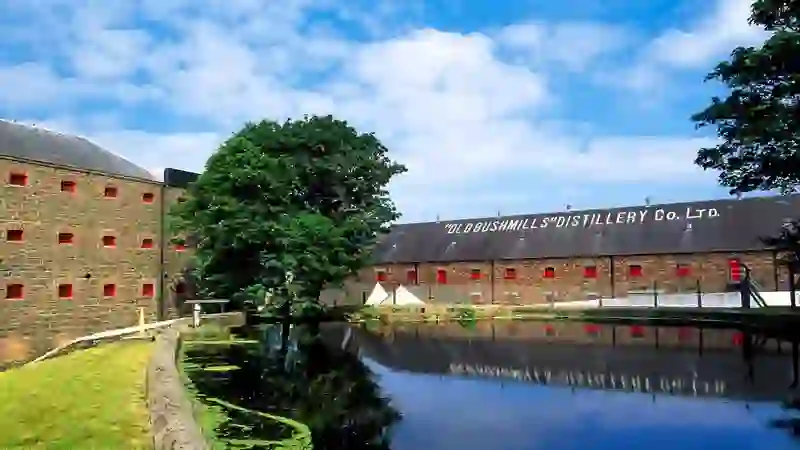
    In nearby Bushmills, home to Old Bushmills, the world’s oldest licensed whiskey distillery, there are also plenty of places to eat, including the Bushmills Inn and Tartine at the Distillers Arms.
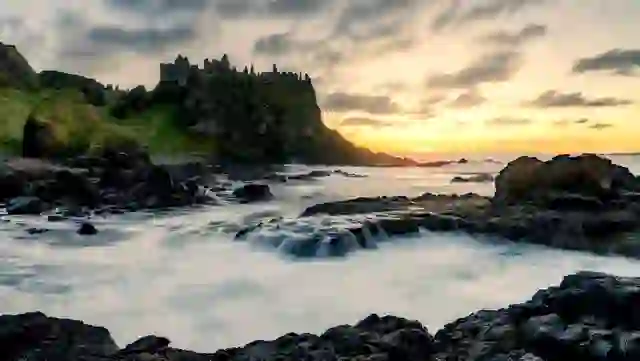
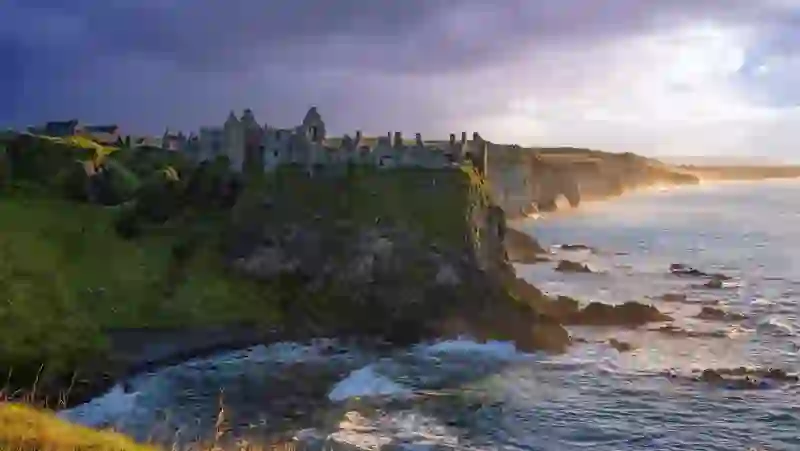
    Dunluce Castle ruins perched on a cliff at sunset above waves crashing against the Antrim shoreline. Dunluce Castle ruins perched on a cliff at sunset above waves crashing against the Antrim shoreline.

    Dunluce Castle, County Antrim

    © Richard Watson

    Beyond the Giant’s Causeway

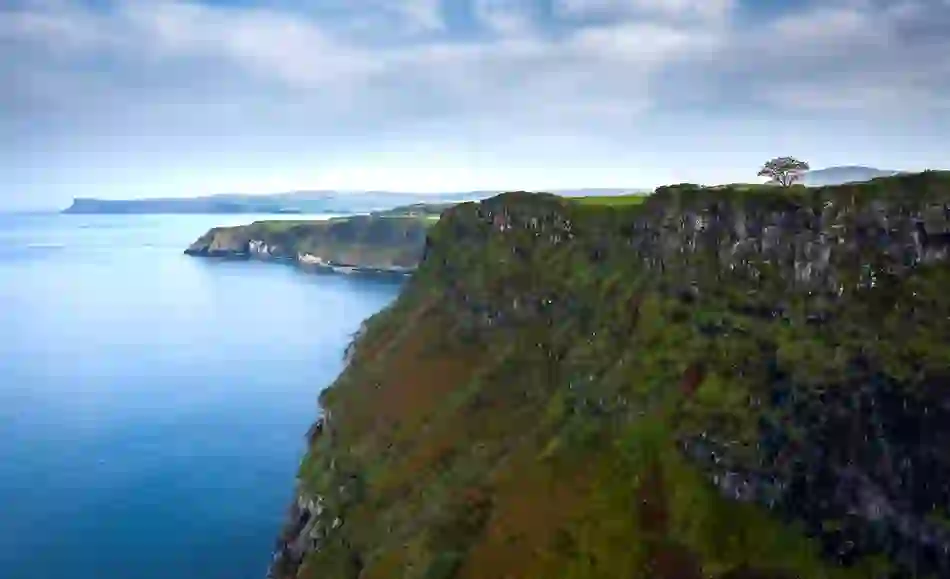
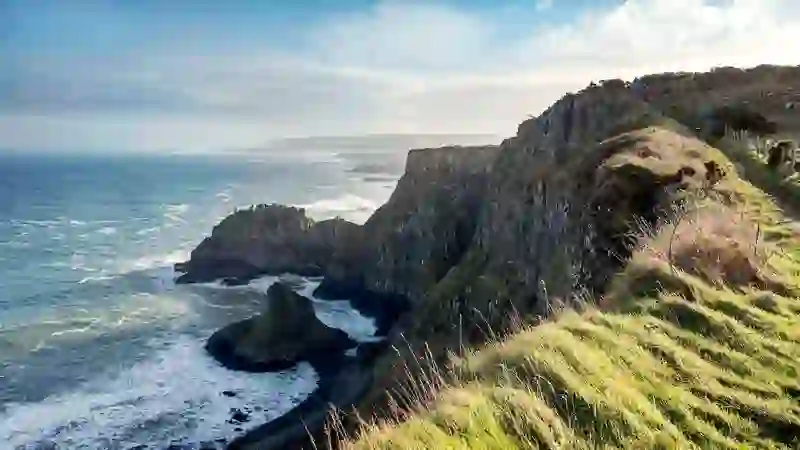
    From the crumbling clifftop castle of Dunluce to the scenic shores of Ballintoy Harbour, this stretch of coastline captures the wild, untamed beauty that defines Northern Ireland – where the rugged coast leaves a lasting impression at every turn.

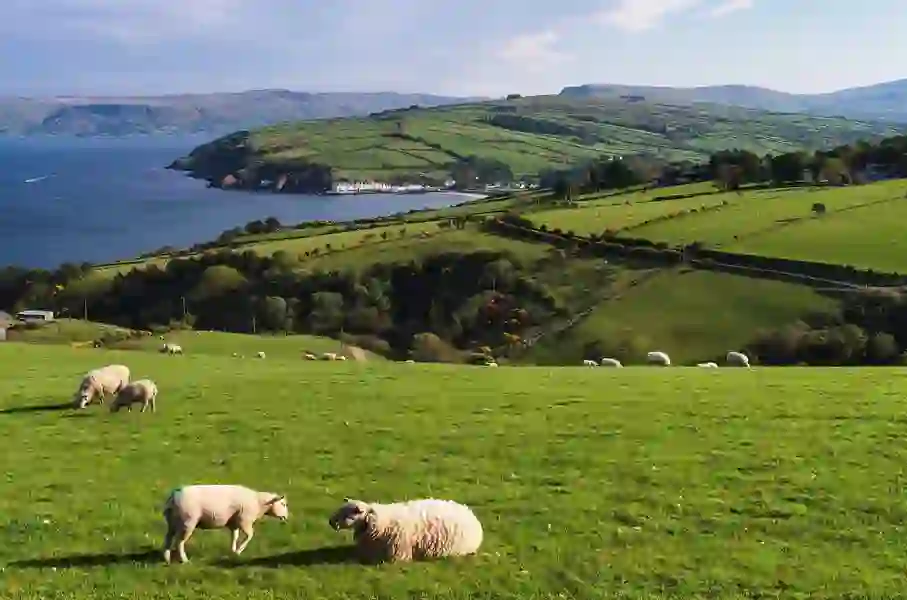
    In its entirety, the Causeway Coastal Route stretches around 190km between Belfast and Derry~Londonderry, passing through picturesque villages such as Cushendun and Cushendall, the rolling green landscapes of the Glens of Antrim, and landmarks such as the vertigo-inducing Carrick-a-Rede rope bridge.

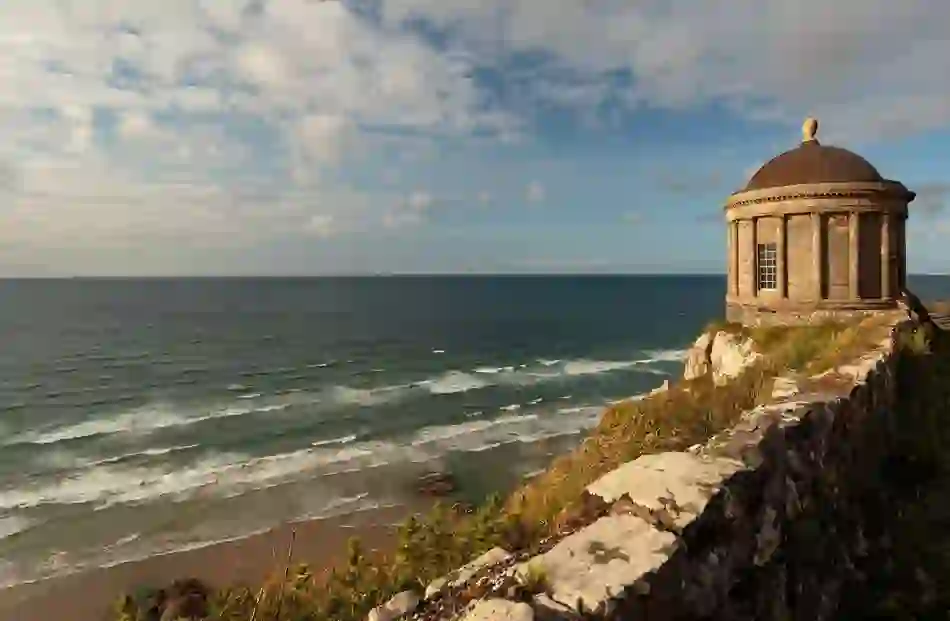
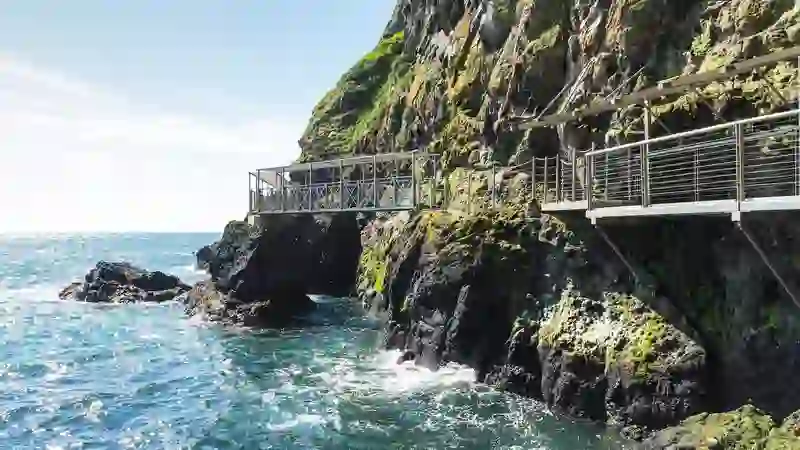
    Along the way, you can walk the winding Gobbins Cliff Path, enjoy traditional music sessions, Game of Thrones® tours, and visit the cliff-top Mussenden Temple. Nature has shaped the landscape here into something very special, so why not discover it for yourself?

    Plan your Causeway Coastal Route adventure with this six-day itinerary

    Discover Northern Ireland

    Venture beyond the epic Causeway Coast and you’ll discover that Northern Ireland has so much more to see and do. From the tranquil lakelands of County Fermanagh, where highlights include the Marble Arch Caves and the Cuilcagh Boardwalk, to the magnificent Mourne Mountains and Strangford Lough, Northern Ireland is blessed with landscapes that are straight out of a fantasy film. Start planning your trip today.

    See the top things to do in Northern Ireland

    Map of Ireland with County Antrim in Northern Ireland highlighted in dark green.

    Plan your visit

    Antrim

    from

    Check out the official website for the latest details on opening hours, prices, booking, getting here and more.
    Visit website
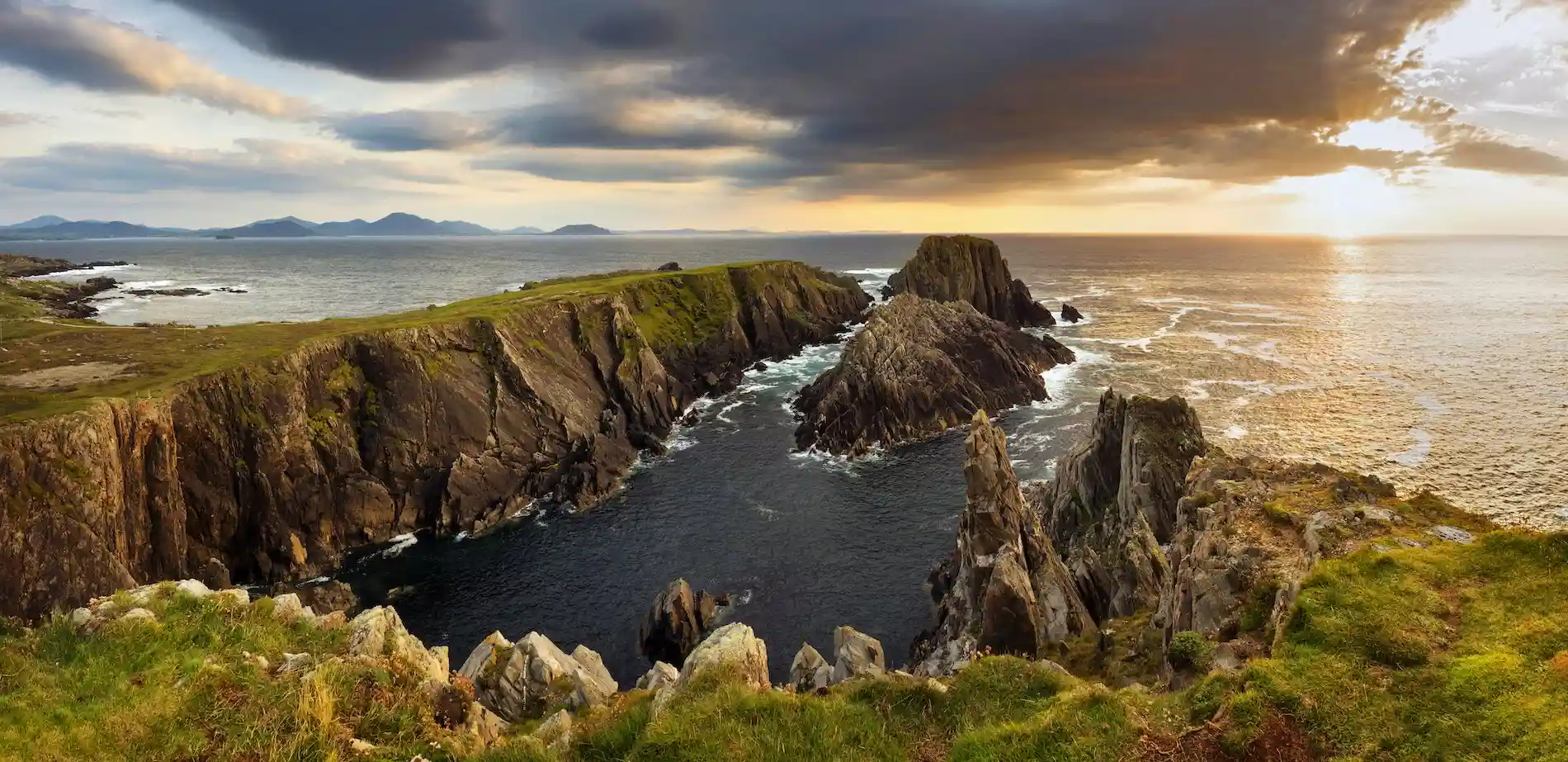
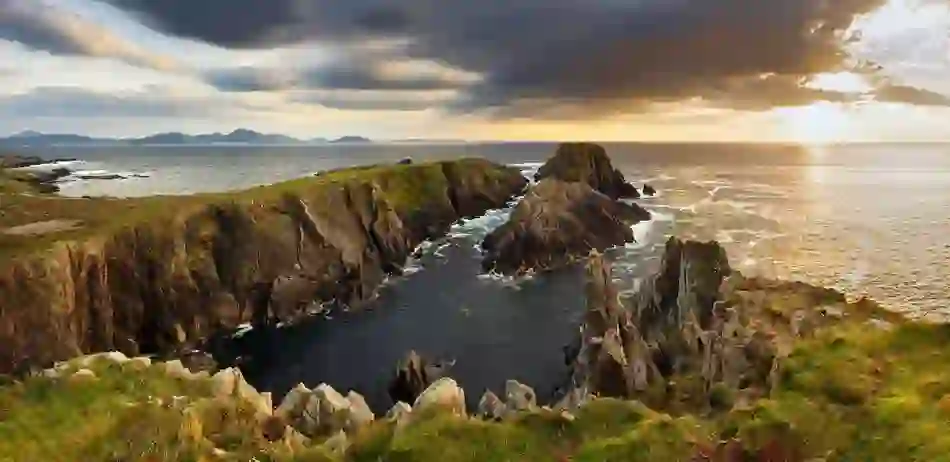
    Dramatic rocky cliffs and headlands on the Dingle Peninsula, featured in Star Wars: The Last Jedi filming. Dramatic rocky cliffs and headlands on the Dingle Peninsula, featured in Star Wars: The Last Jedi filming.
    Visitor standing among the basalt columns of the Giant's Causeway on the Causeway Coast, County Antrim. Visitor standing among the basalt columns of the Giant's Causeway on the Causeway Coast, County Antrim.
    It’s an astonishing geological wonder; an expanse of more than 40,000 hexagonal columns resembling a super-sized pathway formed by volcanic activity between 50 and 60 million years ago. CNTraveller.com
    Giant's Causeway FAQs
    Where is the Giant’s Causeway?

    The Giant’s Causeway is located on the magnificent Causeway Coast in Northern Ireland. It is within easy reach of both Belfast and Derry~Londonderry and is close to the charming village of Bushmills.

    The Giant’s Causeway is also part of the Causeway Coastal Route, a 190km road trip that takes in stunning cliffs, white-sand beaches and charming little villages. There are so many places to visit along this route that it’s worth taking your time and savouring sights and experiences that include Torr Head, Dunluce Castle and the Carrick-a-Rede rope bridge.

    How long is the Giant’s Causeway walk?

    The walk between the visitor centre and the actual Causeway itself is around 1.2km and takes about 25 minutes to complete, depending on fitness. The route is paved all the way but it can be steep at times. Translink runs an Accessible Shuttle Bus for visitors who cannot walk independently, which departs every 10-15 minutes. Along the way, you can admire the gorgeous coastal scenery as well as intriguing rock formations such as the Giant’s Boot. Expect to spend around two hours at the site.

    There is also a variety of other trails around the Causeway of varying length, including the 3.2km Red Trail, with views of the North Channel, and the accessible cliff-top Green Trail, also 3.2km. For a longer hike, the two-day Causeway Coast Way passes through the Giant’s Causeway and covers a distance of approximately 53km.

    Discover more about walking on the Causeway Coast

    Why is the Giant's Causeway so famous?

    The unique geology and exceptional natural beauty of the Giant’s Causeway have made it a site of international importance and have led to it being designated a UNESCO World Heritage Site. The Causeway’s unusual features, from the basalt columns to the layers of rock exposed in the cliff faces, have helped to shape our understanding of the Earth’s geological history.

    You might also recognise the Giant’s Causeway from films as diverse as Dungeons & Dragons: Honor Among Thieves, Hellboy II: The Golden Army and Dracula Untold. The distinctive hexagonal columns also appear on the front of Led Zeppelin’s 1973 album, Houses of the Holy.
    How far is the Giant’s Causeway from Belfast?

    The Giant’s Causeway is around 97km from Belfast city inland on the shortest route, although if you access it via the Causeway Coast it will take longer. If you are driving direct, the journey will take around 1 hour 20 minutes depending on traffic. There is also a bus that runs direct from Belfast city centre to the Giant’s Causeway, operated by Translink. The journey time is roughly 1 hour 25 minutes to 1 hour 45 minutes.

    How far is the Giant’s Causeway from Dublin?

    Dublin is approximately 265km from the Giant’s Causeway and the journey time is around 3 hours 30 minutes by car, depending on traffic. A good option if you are considering visiting the two is to go via Belfast and spend the night there. The train to Belfast from Dublin takes around 2 hours 25 minutes. From Belfast, you have the choice of visiting the Giant’s Causeway by public transport or to go on an organised day tour from the city, taking in some of the Causeway Coast’s best sights.

    Is Giant’s Causeway free to enter?

    The Giant’s Causeway is free to enter if you are planning to visit on foot and do not plan to park at the visitor centre car park.

    For those arriving by car, you are advised to buy a Visitor Experience ticket as this includes onsite parking, entry to the visitor centre, guided tours and audio guides.

    What should I wear at the Giant’s Causeway?

    It very much depends on when you are visiting, but the paths and the stones themselves can get very slippery when wet so decent walking shoes are advised. As the weather can change quickly, it is also a good idea to bring a rain jacket. In winter, you will need to be well wrapped up as this is a coastal site and winds can be very cold.