



Go to My Ireland
logo-mini

Are you sure you want to sure you want to leave the feed?

Leave

Oops... something went wrong!

My Ireland

Looking for inspiration? Planning a trip? Or just want to scroll yourself happy? We'll show you an Ireland that's tailor-made for you.

  • #Landscapes
  • #CultureandHeritage
  • #OutdoorActivities
  • #Landmarks
MyICallOut_FindTheThings_EN_Desk_Above-Left MyICallOut_FindTheThings_EN_Desk_Above-Left

Oops, no internet connection

While offline, you can still add items to ‘My Board’. New travel reccomendations will only show up once you’re back online.

    See what Ireland has in store for you

    Oops, no internet connection

    While offline, you can still add items to ‘My Board’. New travel reccomendations will only show up once you’re back online.

    My Board

    Items without a physical location are not shown in map view.

    Looks like your board is empty

    Look out for the little heart icon around Ireland.com, simply tap the icon to start adding items to your board!

    Emptyboard Emptyboard

    Board settings

    Collection cover image

    Visible to people you share your board with

    No image

    board-settings-sample-image-1 board-settings-sample-image-1
    board-settings-sample-image-2 board-settings-sample-image-2
    board-settings-sample-image-3 board-settings-sample-image-3
    board-settings-sample-image-4 board-settings-sample-image-4
    board-settings-sample-image-5 board-settings-sample-image-5
    board-settings-sample-image-6 board-settings-sample-image-6
    board-settings-sample-image-7 board-settings-sample-image-7
    board-settings-sample-image-8 board-settings-sample-image-8

    Home to Clonmacnoise, Birr Castle and enigmatic swathes of bogland, history and nature collide in County Offaly.

    You don’t have to look very far to find history in County Offaly in Ireland’s Hidden Heartlands. A place of peatlands, tranquil canals and wild mountains, its recorded history stretches back more than 1,500 years. Here, right on the banks of the River Shannon, sits one of the most important early Christian sites on the island of Ireland – Clonmacnoise. Founded in 544, its haunting remains speak of a glorious age of monastic scholarship and a turbulent period of Viking raids. Over in Birr Castle, a 16th-century fortress, is the Historic Science Centre, which houses what was once the largest telescope in the world. And at Clara Bog, believed to be more than 9,000 years old, you can experience one of the best remaining examples of a raised bog in Western Europe. One thing’s for sure: this is a destination full of surprises.
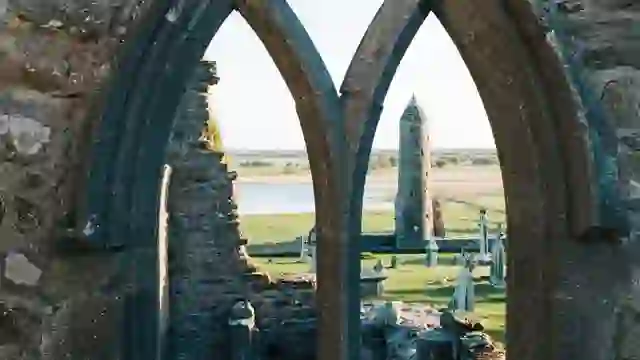
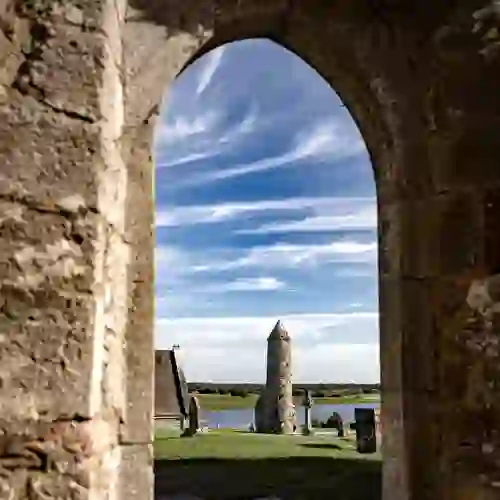
    A round tower at Clonmacnoise in County Offaly viewed through the pointed stone arches of the monastic ruins. A round tower at Clonmacnoise in County Offaly viewed through the pointed stone arches of the monastic ruins.

    Clonmacnoise, County Offaly

    County Offaly attractions

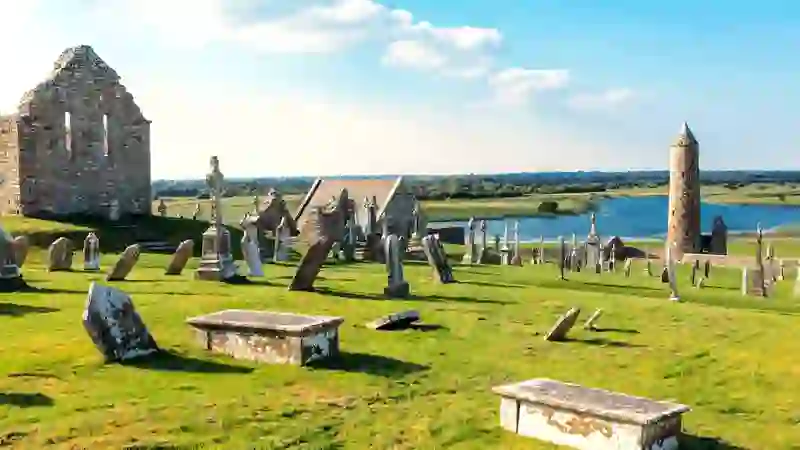
    Back in the 6th century, the monastic site of Clonmacnoise was one of the most important centres of learning in Europe – an early Christian crossroads famed for exporting art, learning and faith all over the continent.

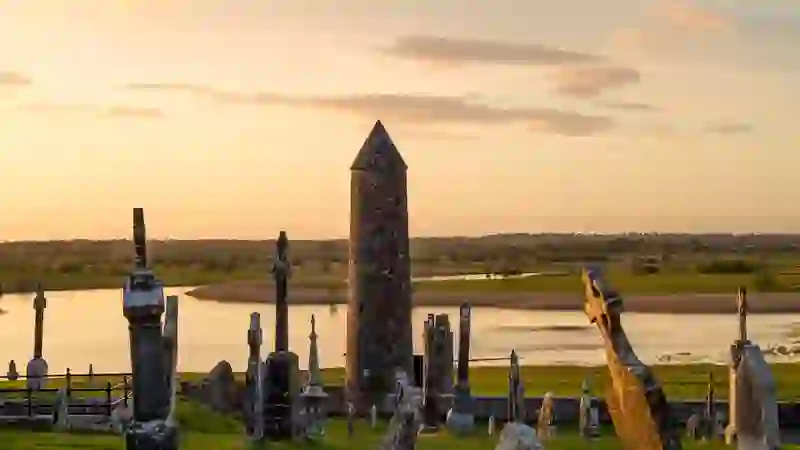
    St Ciarán and his monks, who founded this beautiful place on the edge of the River Shannon, were clearly busy people. Among the stone ruins at Clonmacnoise today you’ll find nine churches, three exquisite high crosses, an iconic 12th-century round tower and the traces of a cathedral. 

    Discover more of Ireland’s historic landmarks 

    Uncovering Offaly’s unique ecosystem

    Throughout Europe, ancient peatlands have largely disappeared, but one-fifth of Offaly’s land area is still covered by bog. Full of intricate ecosystems and exotic flora and fauna, bogs are little universes unto themselves.

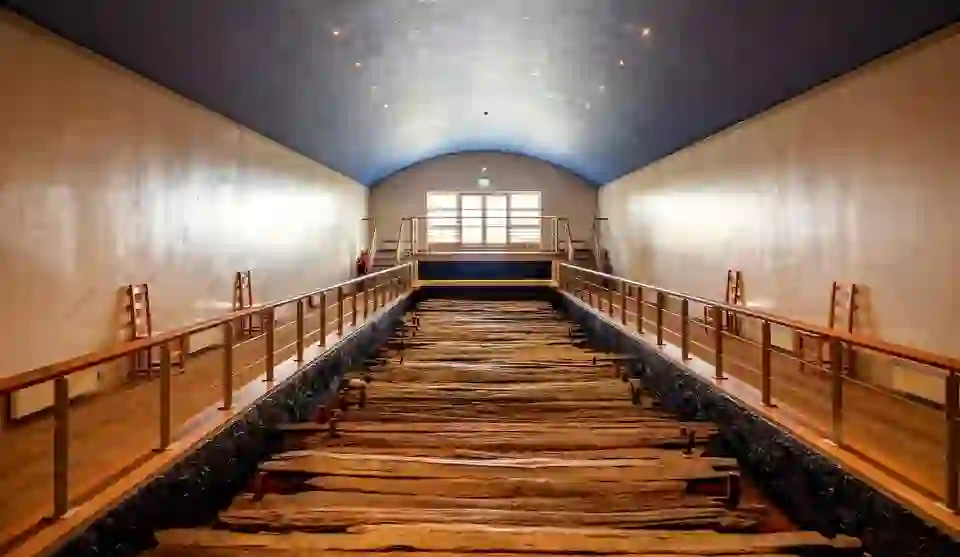
    At the Visitor Centre at Clara Bog, you can uncover a story thousands of years in the making. Learn about the bog’s genesis in an ancient lake. Then discover the famine roads dug by 19th-century labourers and the sphagnum moss and sundew plants spread across it today.

    Explore the secrets of Ireland’s boglands
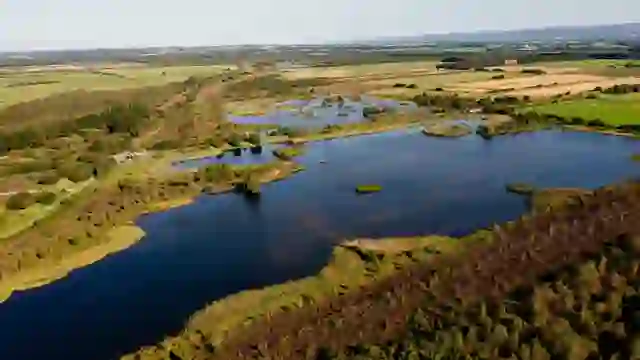
    Aerial view of the lakes, wetlands and surrounding countryside at Lough Boora Discovery Park in County Offaly. Aerial view of the lakes, wetlands and surrounding countryside at Lough Boora Discovery Park in County Offaly.

    Lough Boora Discovery Park, County Offaly

    Art in Offaly’s boglands
    There’s more to explore at Lough Boora, where over 940 species have been recorded. Amidst the thatches of bog cotton and tiny wild orchids here, you’ll find cycle paths, picnic spots and a unique sculpture park.

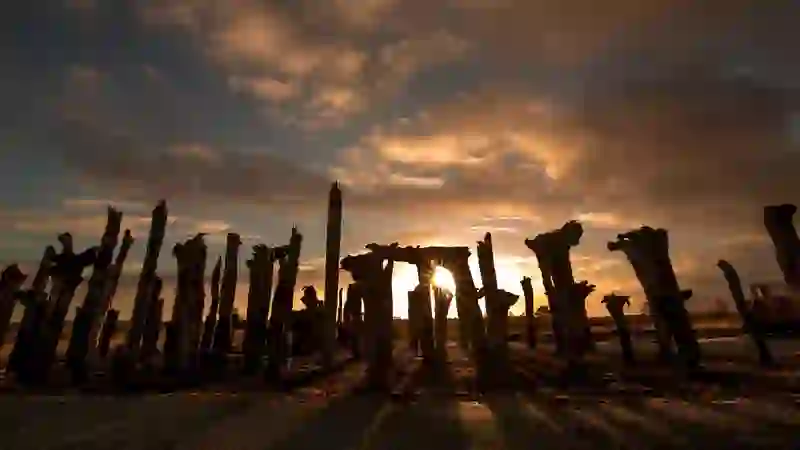
    The Sculpture Park route sees the work of artists who were inspired by the bogs’ rich natural and industrial legacy. Materials found in the bog, such as locomotives, rail lines or timber and stone, have been used to create amazing season-changing sculptures that are now part of the landscape.

    Offaly’s window into space

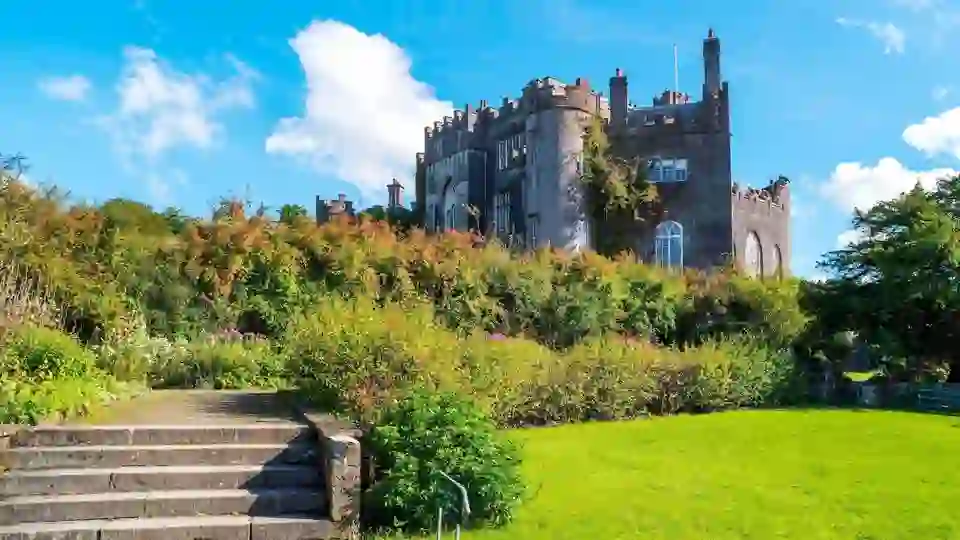
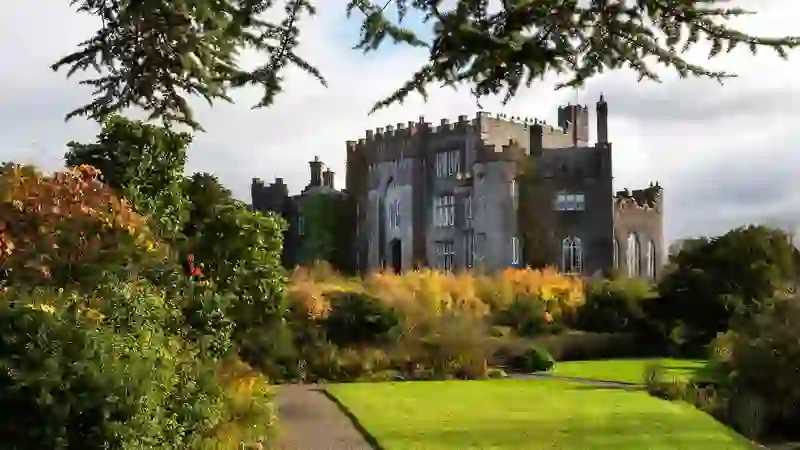
    Offaly was also the site of a great scientific success, when the spiral nature of certain galaxies was observed for the first time through the historic Birr Telescope. The “Leviathan”, built in the 1840s and shaped like a big, black cannon, is the centrepiece of Birr Castle.

    For 70 years this was the largest telescope in the world. It still works. And it’s still as much an object of marvel as the stars it observes, as you can discover at the Historic Science Centre at the castle. Afterwards, wander the Birr Castle Demesne, with more than 120 acres of parkland and gardens. 

    Discover these spectacular spots for stargazing around Ireland

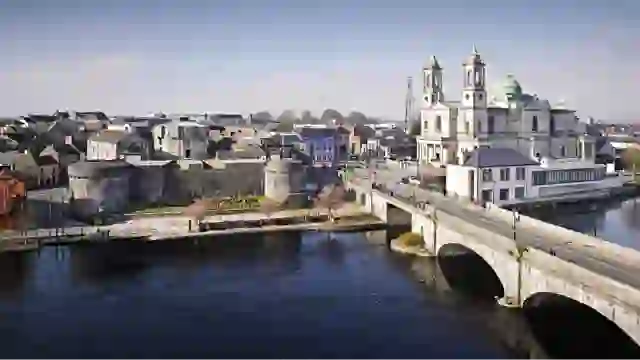
    Athlone Castle and the Church of Saints Peter and Paul beside the River Shannon, viewed across the bridge in Athlone. Athlone Castle and the Church of Saints Peter and Paul beside the River Shannon, viewed across the bridge in Athlone.

    Athlone, County Westmeath 

    Beyond County Offaly

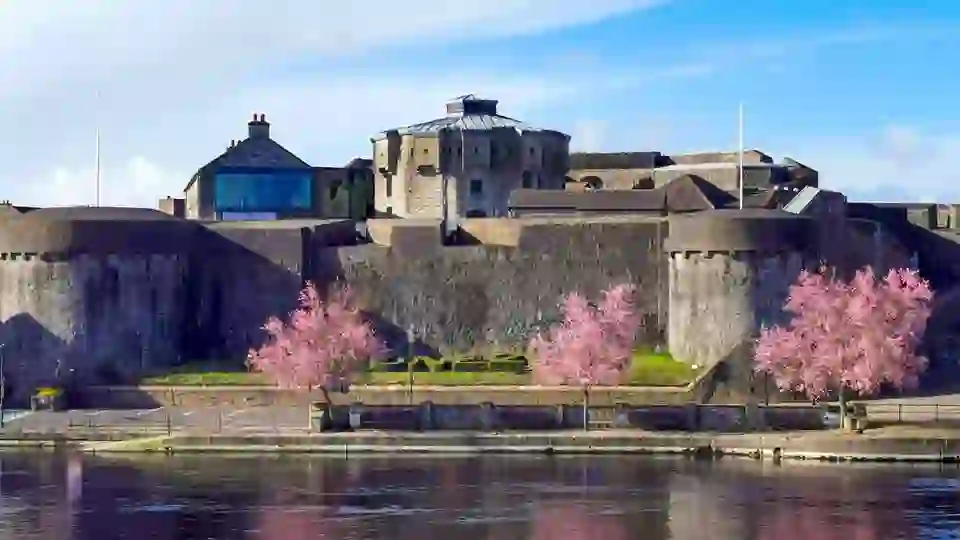
    From Offaly, continue west to County Westmeath to explore the Shannon and the lakes around the buzzy town of Athlone. Here you can have a pint in the cosy historic surroundings of Sean’s Bar, reputed to be Ireland’s oldest pub, or scale the battlements of Athlone Castle, first built in the 12th century.

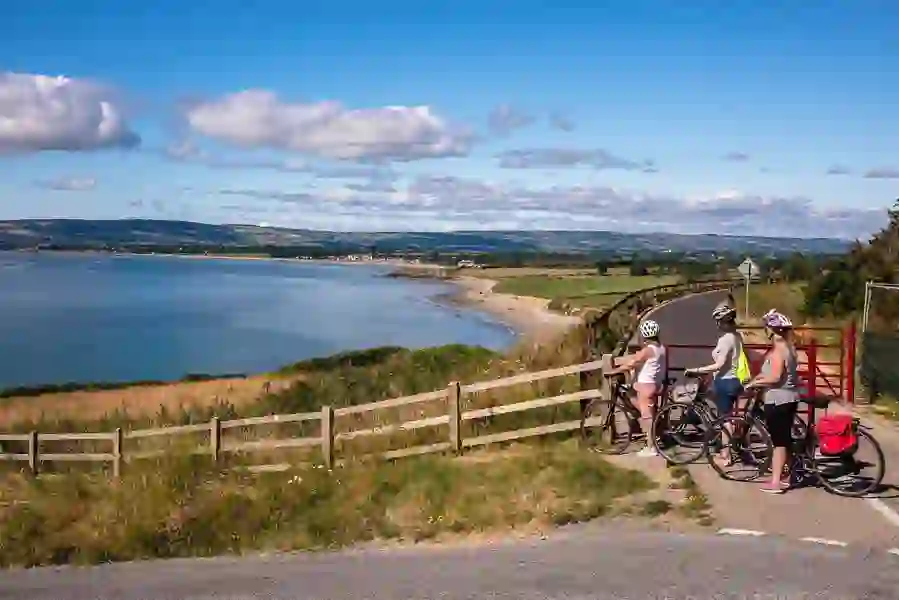
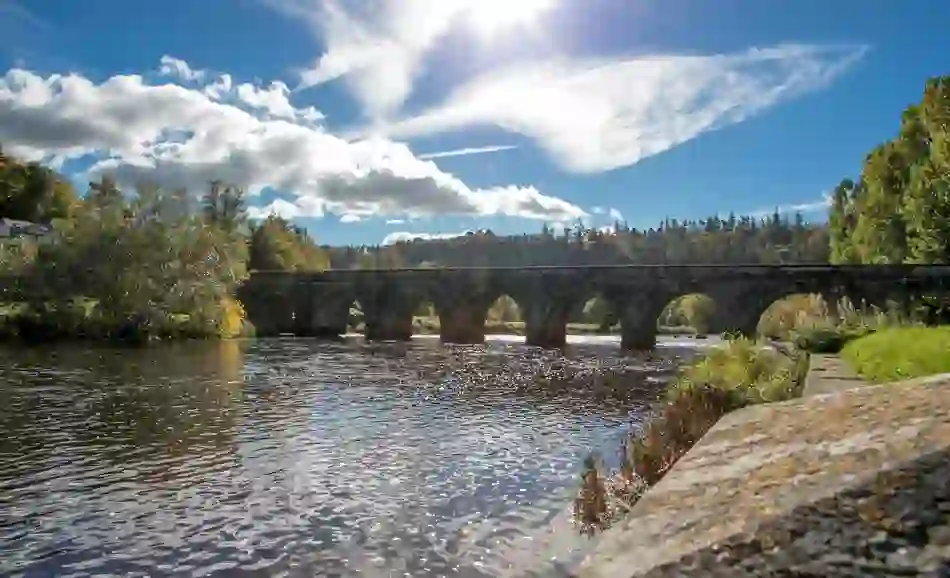
    Just across the road is the Luan Gallery, which hosts contemporary art exhibitions in a light-filled space that overlooks the River Shannon. Athlone is also the starting point for the Old Rail Trail. This off-road cycling and walking route traces the former Midlands Great Western Railway track, past old station houses and under little arched bridges.

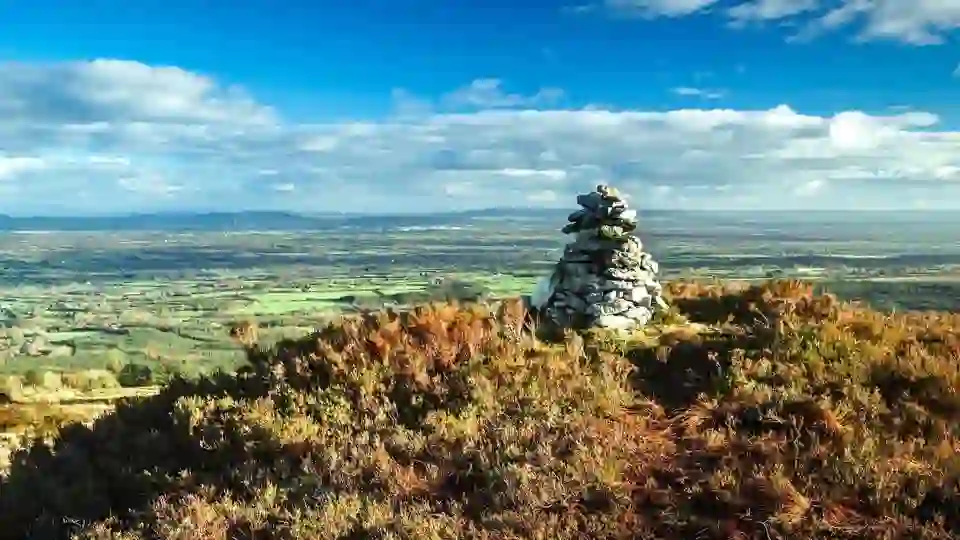
    Head east and explore County Laois, where the Slieve Bloom Mountains offer a wealth of walking, mountain biking and horseback riding trails. Shared by County Offaly, they serve up great views over blanket bog, gullies, fields and forests. On a clear day, you can even see as far as Slieve Gullion in County Armagh.

    The historic treasures and fascinating bogland of County Offaly are the perfect starting point for discovering more of Ireland’s Hidden Heartlands. Start planning your journey today.

    Read more

    You don’t have to look very far to find history in County Offaly in Ireland’s Hidden Heartlands. A place of peatlands, tranquil canals and wild mountains, its recorded history stretches back more than 1,500 years. Here, right on the banks of the River Shannon, sits one of the most important early Christian sites on the island of Ireland – Clonmacnoise. Founded in 544, its haunting remains speak of a glorious age of monastic scholarship and a turbulent period of Viking raids. Over in Birr Castle, a 16th-century fortress, is the Historic Science Centre, which houses what was once the largest telescope in the world. And at Clara Bog, believed to be more than 9,000 years old, you can experience one of the best remaining examples of a raised bog in Western Europe. One thing’s for sure: this is a destination full of surprises.

    A round tower at Clonmacnoise in County Offaly viewed through the pointed stone arches of the monastic ruins. A round tower at Clonmacnoise in County Offaly viewed through the pointed stone arches of the monastic ruins.

    Clonmacnoise, County Offaly

    County Offaly attractions

    Back in the 6th century, the monastic site of Clonmacnoise was one of the most important centres of learning in Europe – an early Christian crossroads famed for exporting art, learning and faith all over the continent.

    St Ciarán and his monks, who founded this beautiful place on the edge of the River Shannon, were clearly busy people. Among the stone ruins at Clonmacnoise today you’ll find nine churches, three exquisite high crosses, an iconic 12th-century round tower and the traces of a cathedral. 

    Discover more of Ireland’s historic landmarks 

    Uncovering Offaly’s unique ecosystem

    Throughout Europe, ancient peatlands have largely disappeared, but one-fifth of Offaly’s land area is still covered by bog. Full of intricate ecosystems and exotic flora and fauna, bogs are little universes unto themselves.

    At the Visitor Centre at Clara Bog, you can uncover a story thousands of years in the making. Learn about the bog’s genesis in an ancient lake. Then discover the famine roads dug by 19th-century labourers and the sphagnum moss and sundew plants spread across it today.

    Explore the secrets of Ireland’s boglands

    Aerial view of the lakes, wetlands and surrounding countryside at Lough Boora Discovery Park in County Offaly. Aerial view of the lakes, wetlands and surrounding countryside at Lough Boora Discovery Park in County Offaly.

    Lough Boora Discovery Park, County Offaly

    Art in Offaly’s boglands
    There’s more to explore at Lough Boora, where over 940 species have been recorded. Amidst the thatches of bog cotton and tiny wild orchids here, you’ll find cycle paths, picnic spots and a unique sculpture park.

    The Sculpture Park route sees the work of artists who were inspired by the bogs’ rich natural and industrial legacy. Materials found in the bog, such as locomotives, rail lines or timber and stone, have been used to create amazing season-changing sculptures that are now part of the landscape.

    Offaly’s window into space

    Offaly was also the site of a great scientific success, when the spiral nature of certain galaxies was observed for the first time through the historic Birr Telescope. The “Leviathan”, built in the 1840s and shaped like a big, black cannon, is the centrepiece of Birr Castle.

    For 70 years this was the largest telescope in the world. It still works. And it’s still as much an object of marvel as the stars it observes, as you can discover at the Historic Science Centre at the castle. Afterwards, wander the Birr Castle Demesne, with more than 120 acres of parkland and gardens. 

    Discover these spectacular spots for stargazing around Ireland
    Athlone Castle and the Church of Saints Peter and Paul beside the River Shannon, viewed across the bridge in Athlone. Athlone Castle and the Church of Saints Peter and Paul beside the River Shannon, viewed across the bridge in Athlone.

    Athlone, County Westmeath 

    Beyond County Offaly

    From Offaly, continue west to County Westmeath to explore the Shannon and the lakes around the buzzy town of Athlone. Here you can have a pint in the cosy historic surroundings of Sean’s Bar, reputed to be Ireland’s oldest pub, or scale the battlements of Athlone Castle, first built in the 12th century.

    Just across the road is the Luan Gallery, which hosts contemporary art exhibitions in a light-filled space that overlooks the River Shannon. Athlone is also the starting point for the Old Rail Trail. This off-road cycling and walking route traces the former Midlands Great Western Railway track, past old station houses and under little arched bridges.

    Head east and explore County Laois, where the Slieve Bloom Mountains offer a wealth of walking, mountain biking and horseback riding trails. Shared by County Offaly, they serve up great views over blanket bog, gullies, fields and forests. On a clear day, you can even see as far as Slieve Gullion in County Armagh.

    The historic treasures and fascinating bogland of County Offaly are the perfect starting point for discovering more of Ireland’s Hidden Heartlands. Start planning your journey today.

    Read more
    Experience as part of:

    Home to Clonmacnoise, Birr Castle and enigmatic swathes of bogland, history and nature collide in County Offaly.

    You don’t have to look very far to find history in County Offaly in Ireland’s Hidden Heartlands. A place of peatlands, tranquil canals and wild mountains, its recorded history stretches back more than 1,500 years. Here, right on the banks of the River Shannon, sits one of the most important early Christian sites on the island of Ireland – Clonmacnoise. Founded in 544, its haunting remains speak of a glorious age of monastic scholarship and a turbulent period of Viking raids. Over in Birr Castle, a 16th-century fortress, is the Historic Science Centre, which houses what was once the largest telescope in the world. And at Clara Bog, believed to be more than 9,000 years old, you can experience one of the best remaining examples of a raised bog in Western Europe. One thing’s for sure: this is a destination full of surprises.

    A round tower at Clonmacnoise in County Offaly viewed through the pointed stone arches of the monastic ruins. A round tower at Clonmacnoise in County Offaly viewed through the pointed stone arches of the monastic ruins.

    Clonmacnoise, County Offaly

    County Offaly attractions

    Back in the 6th century, the monastic site of Clonmacnoise was one of the most important centres of learning in Europe – an early Christian crossroads famed for exporting art, learning and faith all over the continent.

    St Ciarán and his monks, who founded this beautiful place on the edge of the River Shannon, were clearly busy people. Among the stone ruins at Clonmacnoise today you’ll find nine churches, three exquisite high crosses, an iconic 12th-century round tower and the traces of a cathedral. 

    Discover more of Ireland’s historic landmarks 

    Uncovering Offaly’s unique ecosystem

    Throughout Europe, ancient peatlands have largely disappeared, but one-fifth of Offaly’s land area is still covered by bog. Full of intricate ecosystems and exotic flora and fauna, bogs are little universes unto themselves.

    At the Visitor Centre at Clara Bog, you can uncover a story thousands of years in the making. Learn about the bog’s genesis in an ancient lake. Then discover the famine roads dug by 19th-century labourers and the sphagnum moss and sundew plants spread across it today.

    Explore the secrets of Ireland’s boglands

    Aerial view of the lakes, wetlands and surrounding countryside at Lough Boora Discovery Park in County Offaly. Aerial view of the lakes, wetlands and surrounding countryside at Lough Boora Discovery Park in County Offaly.

    Lough Boora Discovery Park, County Offaly

    Art in Offaly’s boglands
    There’s more to explore at Lough Boora, where over 940 species have been recorded. Amidst the thatches of bog cotton and tiny wild orchids here, you’ll find cycle paths, picnic spots and a unique sculpture park.

    The Sculpture Park route sees the work of artists who were inspired by the bogs’ rich natural and industrial legacy. Materials found in the bog, such as locomotives, rail lines or timber and stone, have been used to create amazing season-changing sculptures that are now part of the landscape.

    Offaly’s window into space

    Offaly was also the site of a great scientific success, when the spiral nature of certain galaxies was observed for the first time through the historic Birr Telescope. The “Leviathan”, built in the 1840s and shaped like a big, black cannon, is the centrepiece of Birr Castle.

    For 70 years this was the largest telescope in the world. It still works. And it’s still as much an object of marvel as the stars it observes, as you can discover at the Historic Science Centre at the castle. Afterwards, wander the Birr Castle Demesne, with more than 120 acres of parkland and gardens. 

    Discover these spectacular spots for stargazing around Ireland

    Athlone Castle and the Church of Saints Peter and Paul beside the River Shannon, viewed across the bridge in Athlone. Athlone Castle and the Church of Saints Peter and Paul beside the River Shannon, viewed across the bridge in Athlone.

    Athlone, County Westmeath 

    Beyond County Offaly

    From Offaly, continue west to County Westmeath to explore the Shannon and the lakes around the buzzy town of Athlone. Here you can have a pint in the cosy historic surroundings of Sean’s Bar, reputed to be Ireland’s oldest pub, or scale the battlements of Athlone Castle, first built in the 12th century.

    Just across the road is the Luan Gallery, which hosts contemporary art exhibitions in a light-filled space that overlooks the River Shannon. Athlone is also the starting point for the Old Rail Trail. This off-road cycling and walking route traces the former Midlands Great Western Railway track, past old station houses and under little arched bridges.

    Head east and explore County Laois, where the Slieve Bloom Mountains offer a wealth of walking, mountain biking and horseback riding trails. Shared by County Offaly, they serve up great views over blanket bog, gullies, fields and forests. On a clear day, you can even see as far as Slieve Gullion in County Armagh.

    The historic treasures and fascinating bogland of County Offaly are the perfect starting point for discovering more of Ireland’s Hidden Heartlands. Start planning your journey today.

    Read more
    Experience as part of:
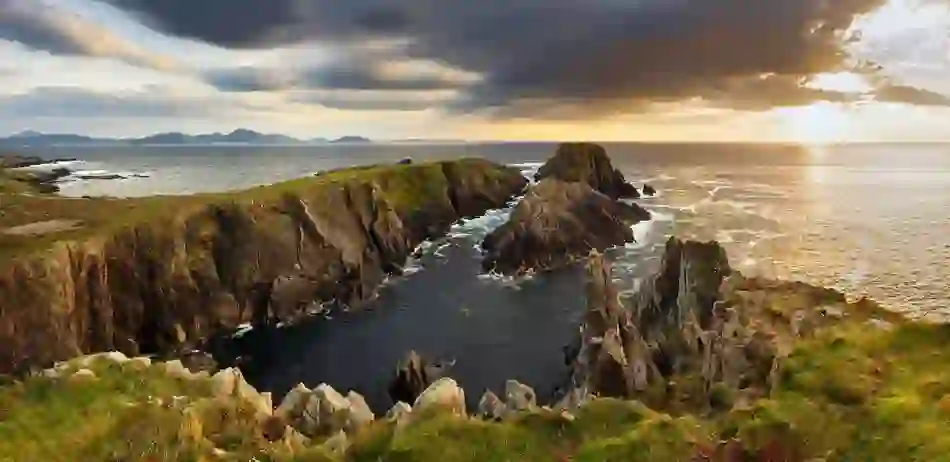
    Dramatic rocky cliffs and headlands on the Dingle Peninsula, featured in Star Wars: The Last Jedi filming. Dramatic rocky cliffs and headlands on the Dingle Peninsula, featured in Star Wars: The Last Jedi filming.
    Clonmacnoise monastic site and round tower overlooking the River Shannon in County Offaly, Ireland. Clonmacnoise monastic site and round tower overlooking the River Shannon in County Offaly, Ireland.
    The approach to Clonmacnoise from the river is one that catches the breath. National Geographic
    County Offaly FAQs
    Where is County Offaly?

    County Offaly is located in the midlands of Ireland in the region known as Ireland’s Hidden Heartlands. It is bordered by counties Westmeath, Meath, Laois, Tipperary, Galway and Roscommon. To the south, you’ll find the Slieve Bloom Mountains, among the oldest mountain ranges in Europe, while the River Shannon flows through the north-west of the county.

    How do you pronounce Offaly in Irish?

    The Irish name for Offaly is Uíbh Fhailí – pronounced “Eev-aw-lee”.

    What is County Offaly known for?

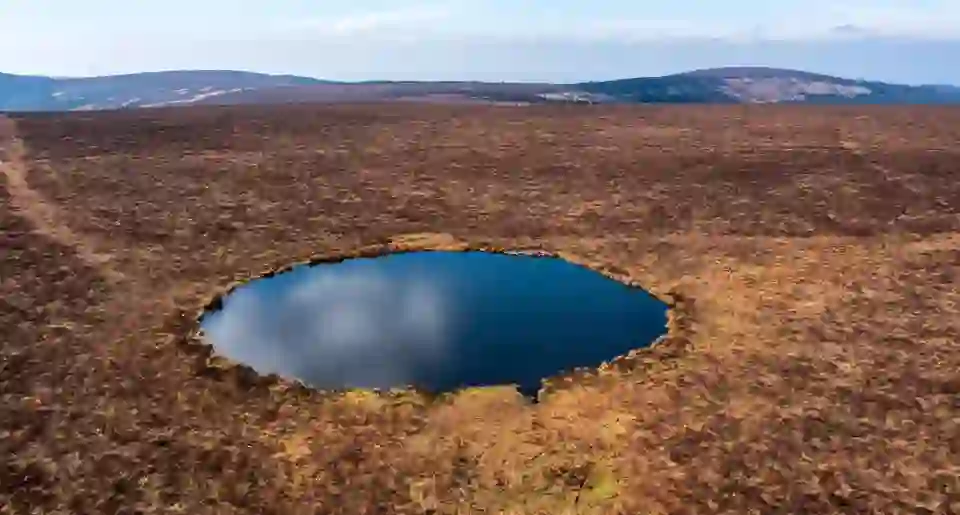
    Offaly is famous for its boglands, its Early Christian history and its castles. Some of Europe’s best-preserved blanket and raised bogs can be found in the county. On a visit to Lough Boora Discovery Park and the Clara Bog Nature Reserve you can learn more about the delicate ecosystems of the bogs of Ireland’s Hidden Heartlands.

    On the banks of the River Shannon, the ruins of a 6th-century monastic settlement of Clonmacnoise hint at the vibrant community of monks who once lived here.

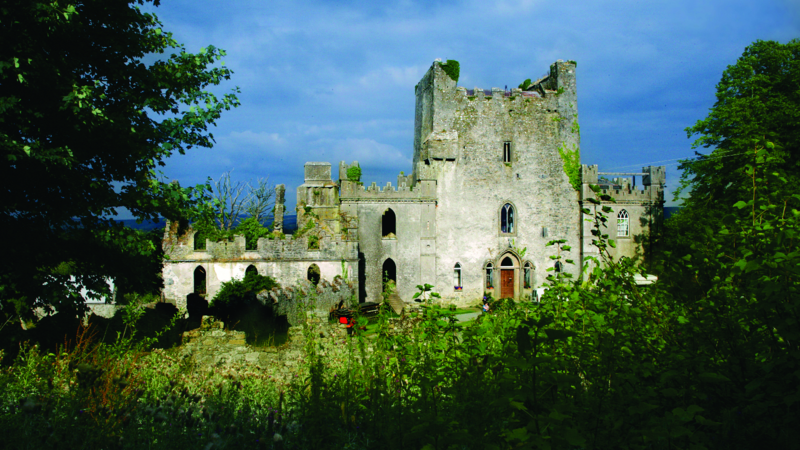
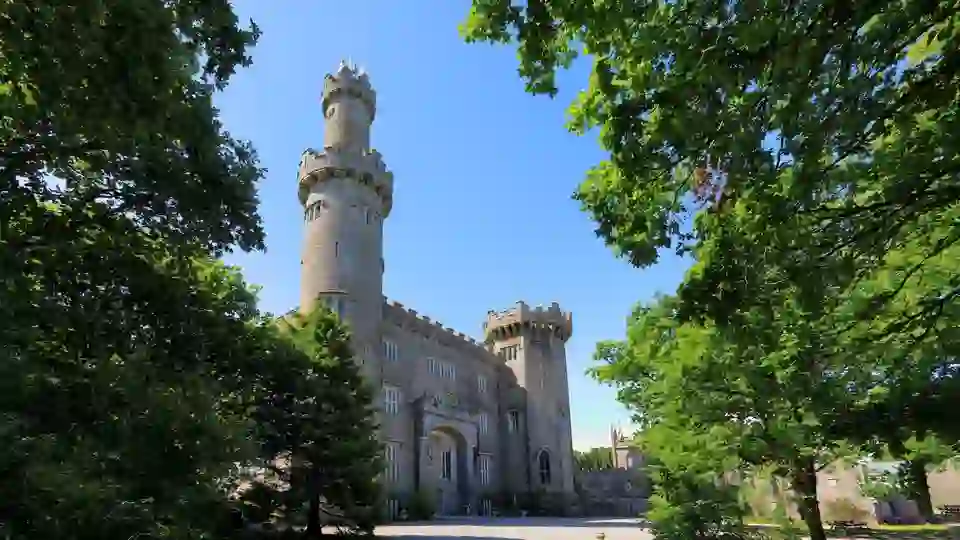
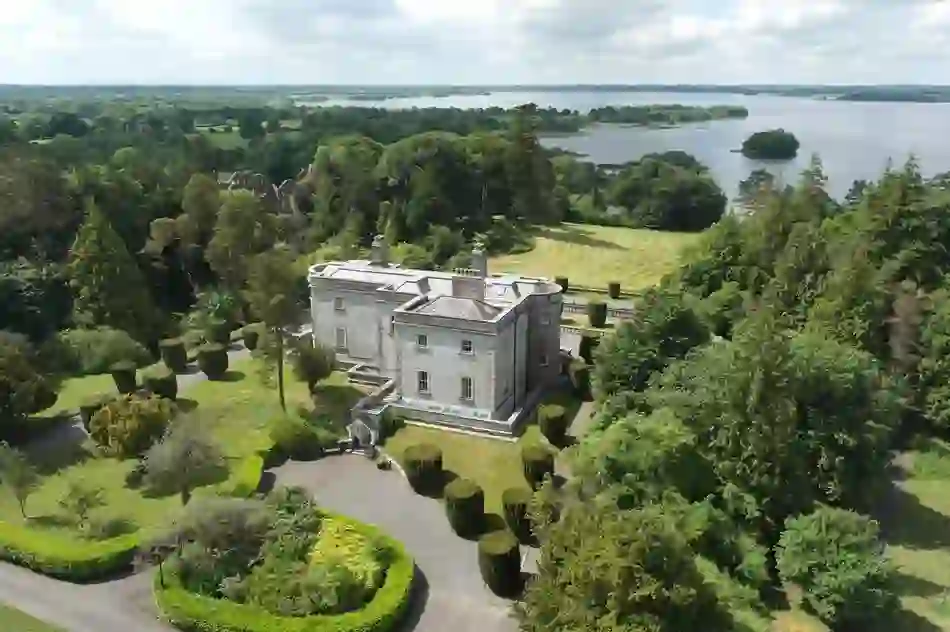
    Offaly lays claim to two of the most haunted places in Ireland, Leap Castle and Charleville Castle, in addition to the luxurious Kinnitty Castle Hotel and Birr Castle – home of the 19th-century Great Telescope. Offaly native Shane Lowry cemented his place in golfing history by winning The Open in 2019 – his home club is Esker Hills, outside Tullamore.

    What is the main city in Offaly?

    There is no city in Offaly but the main county town is Tullamore, a bustling market town on the Grand Canal, which links the River Shannon to Dublin. Best known as the home of historic Tullamore D.E.W. Irish whiskey, the town offers a lively pub scene and elegant Georgian architecture, and makes a great base from which to explore County Offaly and Ireland’s Hidden Heartlands.

    What is the nickname for County Offaly?

    Offaly is known as the “Faithful County”. The name is often linked to the Latin motto Esto Fidelis (Be Faithful), which is found on the County Offaly coat of arms.

    How far is County Offaly from Dublin?

    Tullamore, the county town, is 101km from Dublin, a drive of around 1 hour 25 minutes, depending on traffic. If you’re travelling by public transport, there is a direct train service from Dublin’s Heuston Station to Tullamore and Clara – journey time is approximately 55 minutes. There are also regular bus services from Dublin to towns and villages across Offaly.

    When is the best time to visit Offaly?

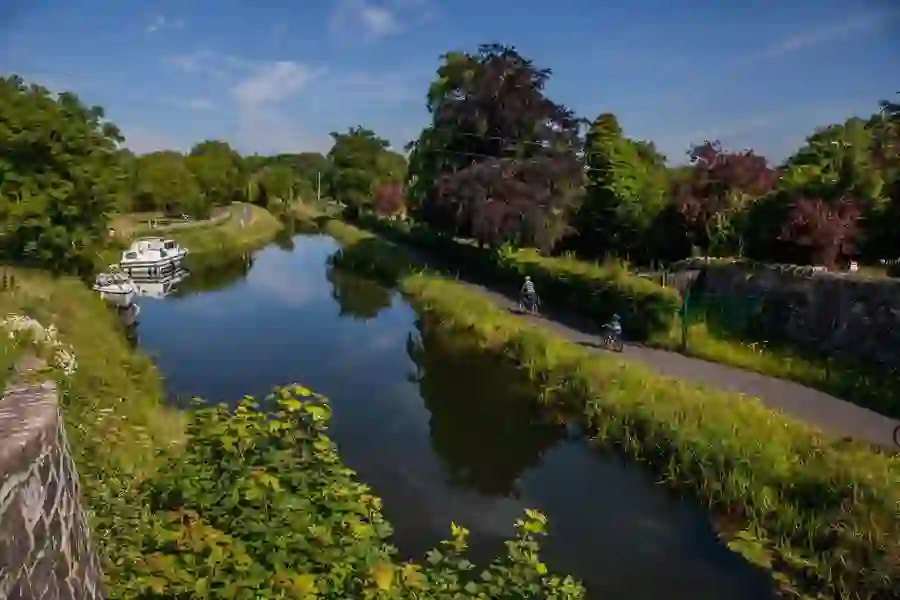
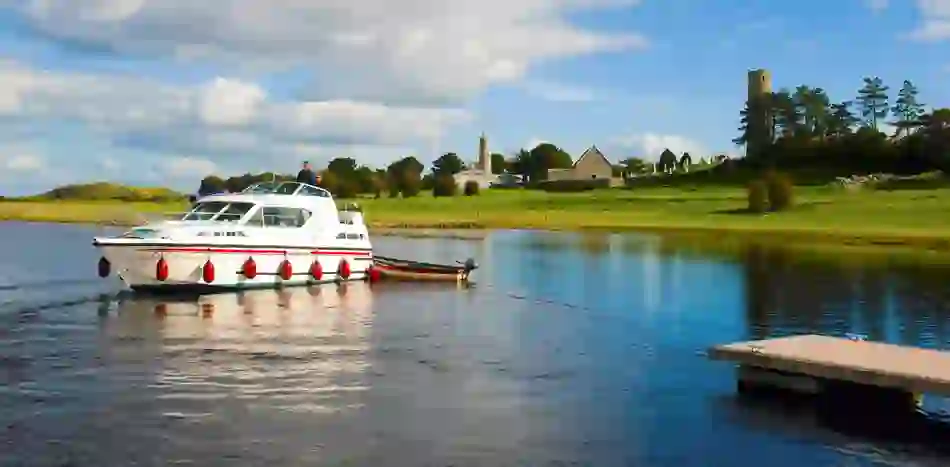
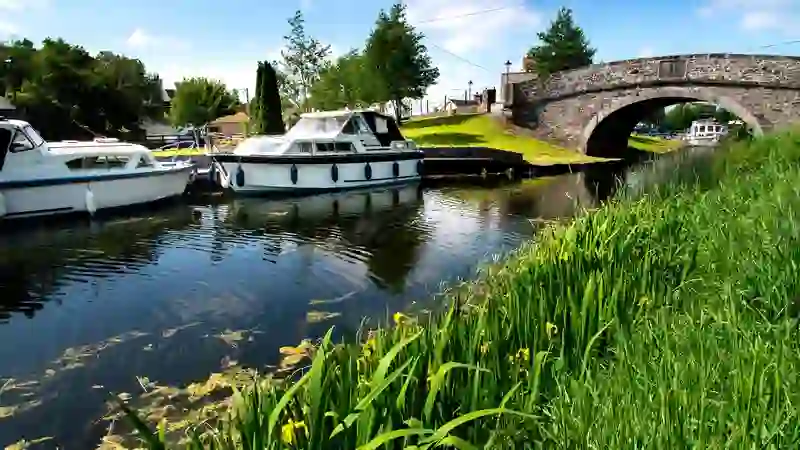
    Visit from May to September and the warmer weather and longer days will add to your enjoyment of Offaly’s many things to do, from walking the Slieve Bloom Way and cycling the Grand Canal Greenway to cruising on the River Shannon.

    But winter has its charms, too. Treat yourself to a stay at cosy Kinnitty Castle and drop into the Tullamore D.E.W. Visitor Centre for a whiskey tasting to chase away the winter chill.