



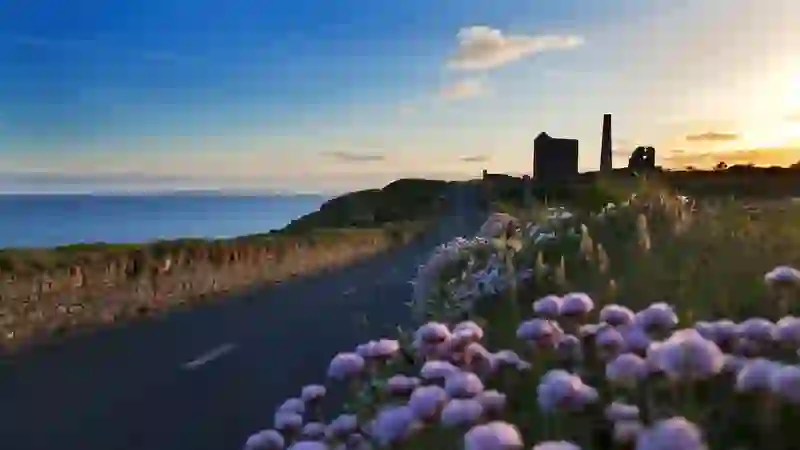
Shaped by more than a thousand years of history, Waterford city blends old traditions with a modern outlook.

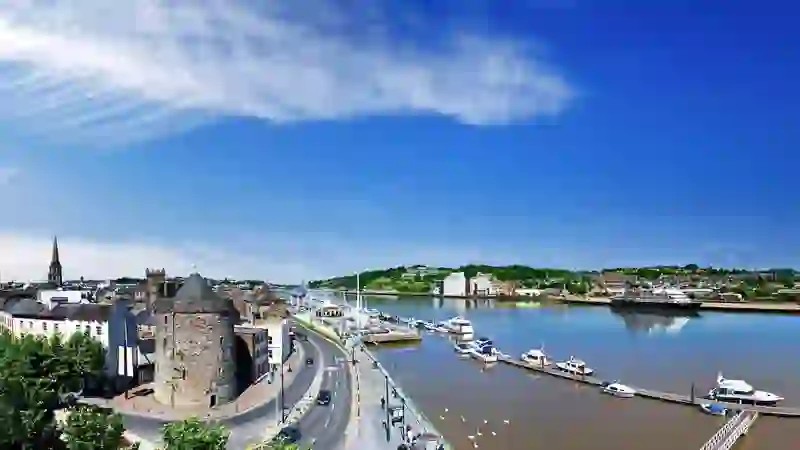
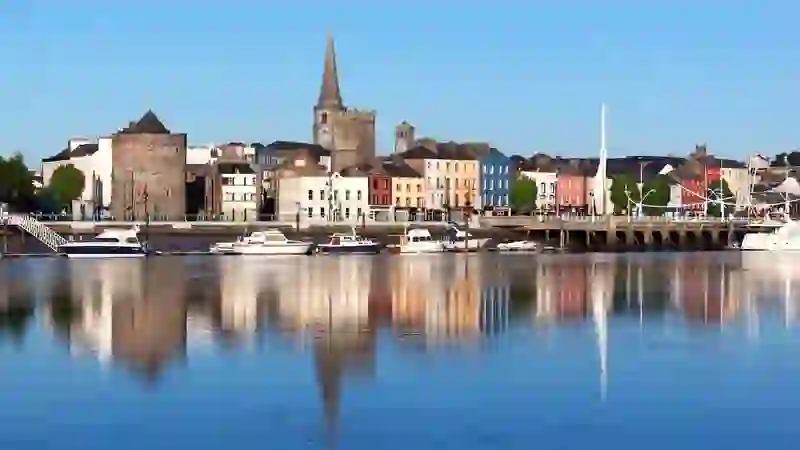
Stand on the quays in Waterford, breathe in the salty air, and it’s easy to imagine this city on Ireland’s south-east coast in the 1700s, when trade with Newfoundland helped turn it into one of Ireland’s great ports. The wealth that flowed through its harbour reshaped the city centre in the 18th century, leaving behind the grand Georgian houses and elegant streets that still define much of the city today. Waterford city is nothing if not layered. Its origins reach back to the Vikings, but today it feels thoroughly contemporary with a flourishing food scene, vibrant arts and culture, and a coastal cycling route that winds through the County Waterford countryside to Dungarvan. Isn’t it time you discovered Waterford for yourself?
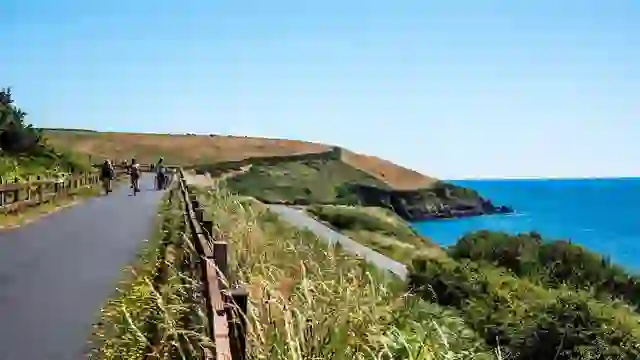
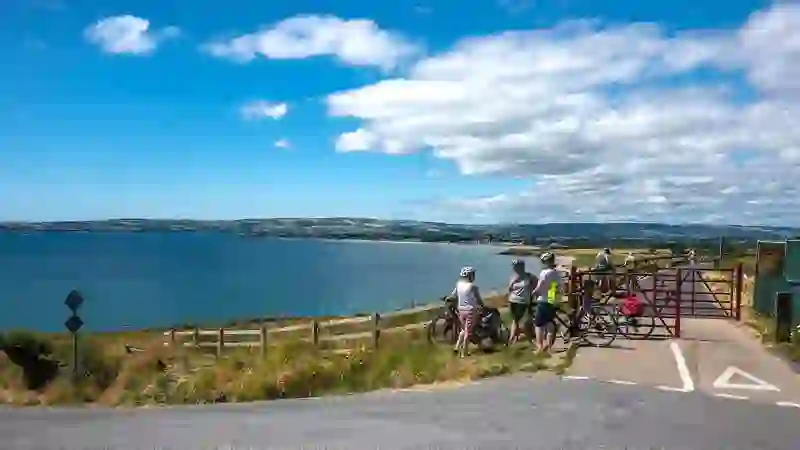
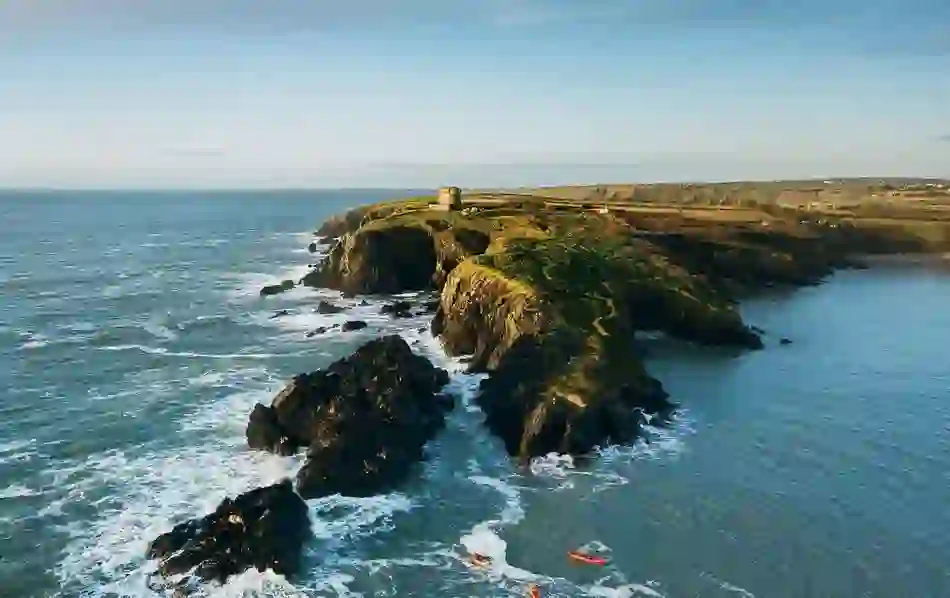
Waterford Greenway cycling route overlooking the rugged County Waterford coastline on a sunny day. Waterford Greenway cycling route overlooking the rugged County Waterford coastline on a sunny day.

Waterford Greenway, County Waterford

Courtesy of Luke Myers

Viking heritage

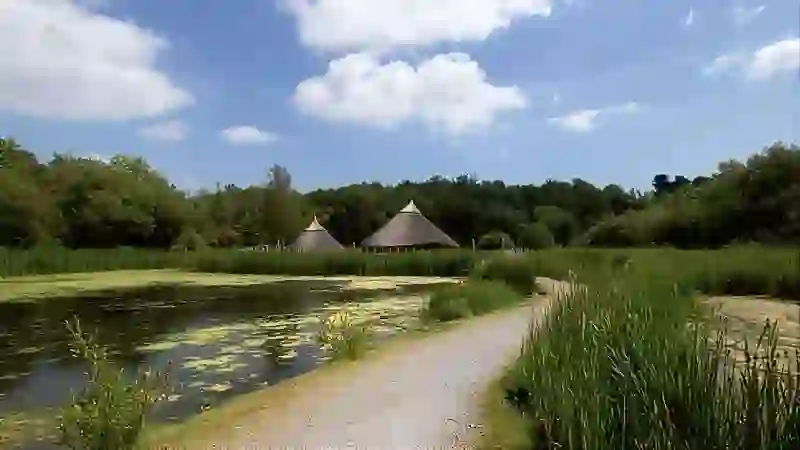
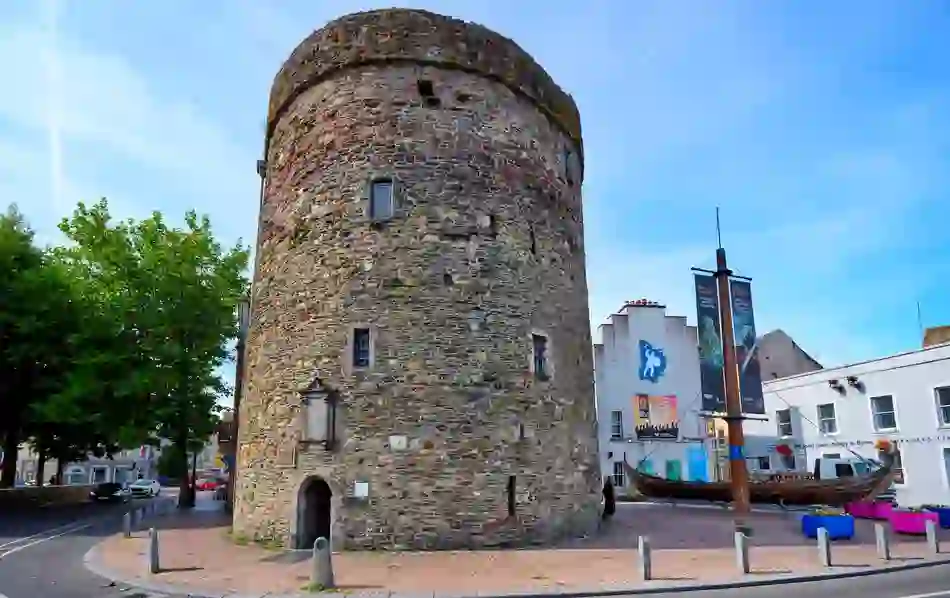
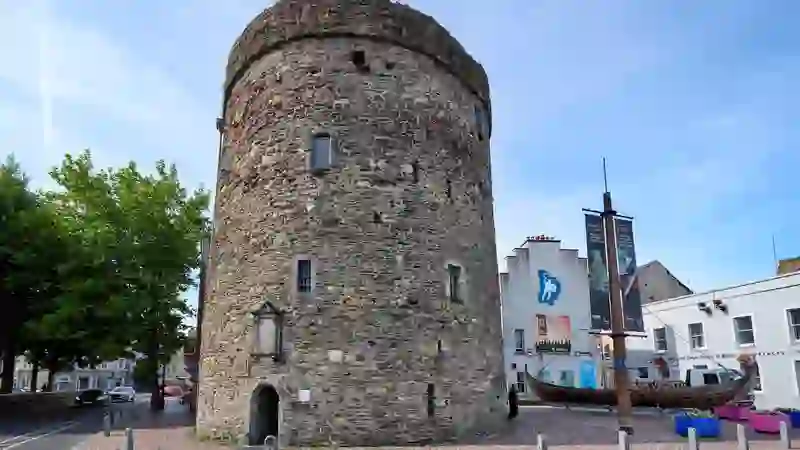
The Vikings knew a good thing when they saw it: a sheltered bay, a strategic location on the River Suir, and a good trading position all attracted the Norse raiders here. And 1,100 years later, it’s still going strong. Reginald’s Tower, the city’s landmark monument, sits at the heart of the Viking Triangle and has been in continuous use for over 800 years. Step inside its thick stone walls, and you can enjoy an exhibition on Viking Waterford, as well as the magnificent 12th-century Kite Brooch.

Where culture meets “craic”

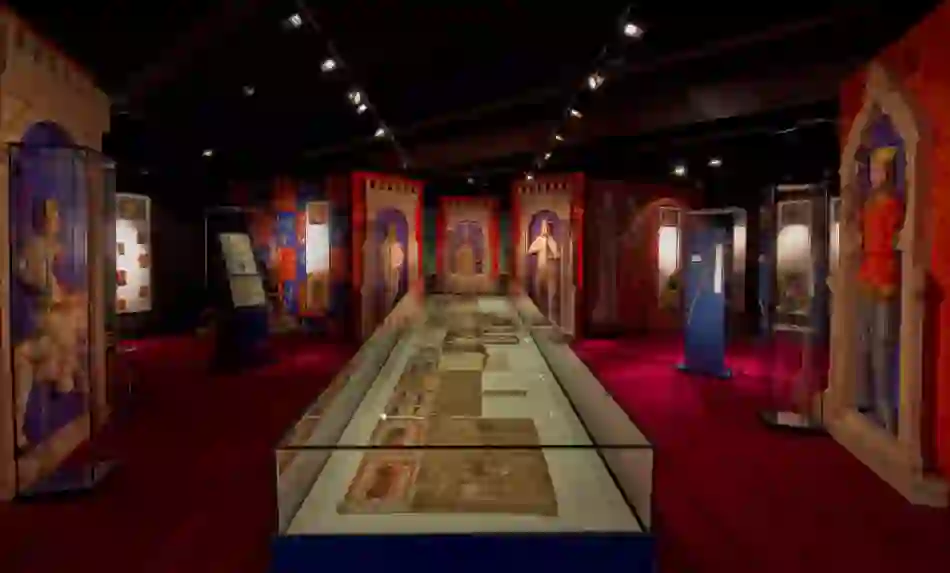
You’ll find more history within the Medieval Museum, where one of Waterford’s treasures – 15th-century cloth-of-gold vestments – are on display. The Bishop’s Palace on the beautiful Georgian Mall displays the wealth, beauty and architectural detail of an 18th-century townhouse.

Nearby is the Irish Wake Museum, which explores rituals around life and death in Ireland, and the Irish Museum of Time, housed in a beautiful Gothic-style church and showcasing the craftsmanship of clockmakers and watchmakers from the 17th century to today.

Clearly, Waterford packs a big punch when it comes to history, but the city also has a rich cultural life – from a buzzing festival calendar to great local pubs and restaurants, including Grow HQ, The Reg and The Gingerman.

Enjoy the heritage of Waterford’s famous cut glass at the House of Waterford Crystal; taste a “blaa” (a speciality bread roll unique to the city) at the Granary Café; or visit the bustling food market at Merchant’s Quay.

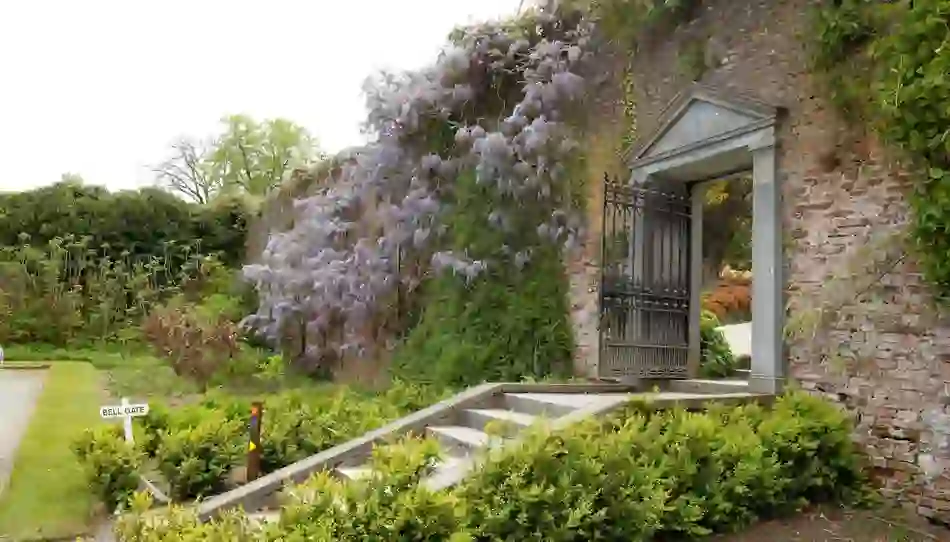
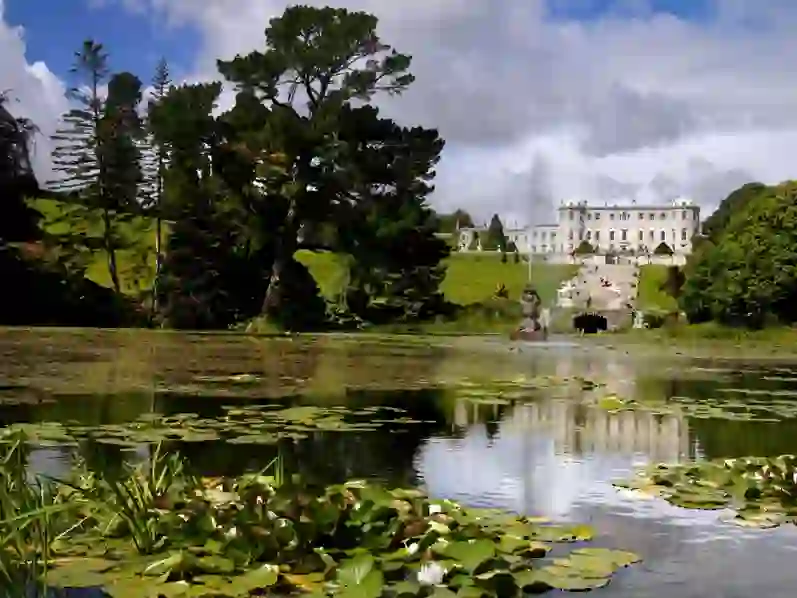
Aerial view of Lismore Castle and Gardens, a historic castle estate in County Waterford. Aerial view of Lismore Castle and Gardens, a historic castle estate in County Waterford.

Lismore Castle and Gardens, County Waterford

Courtesy Waterford City and County Council

Beyond Waterford city

Explore beyond the city into Ireland’s Ancient East, and you’ll discover some of the most beautiful coastal scenery on the island of Ireland. One of the most popular activities is the Waterford Greenway, a 46km off-road cycle route that stretches from Waterford city to the coastal town of Dungarvan. A stop-off en route at Mount Congreve Gardens to explore one of the world’s largest private plant collections is a must.

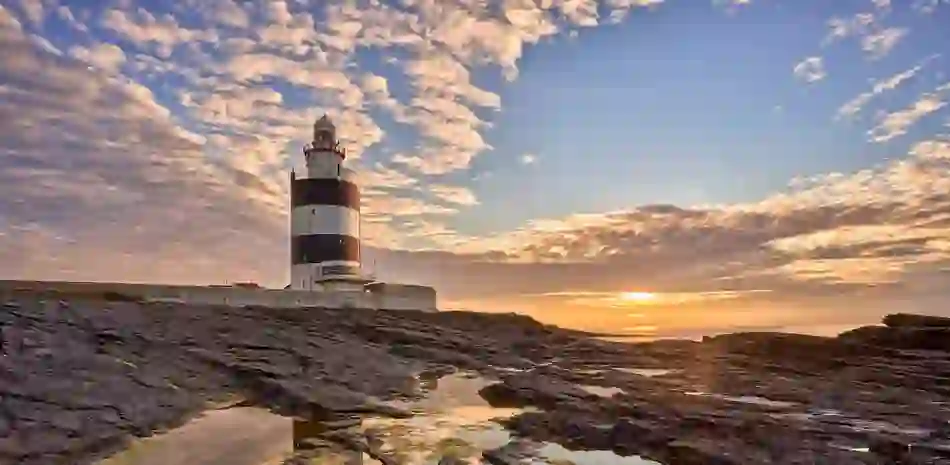
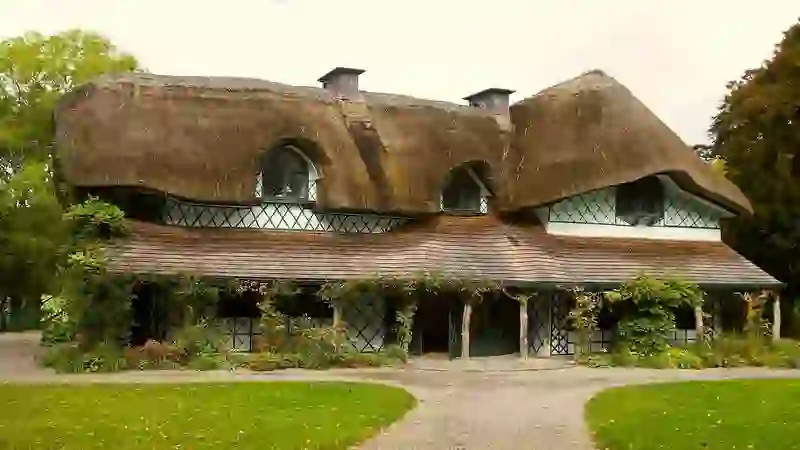
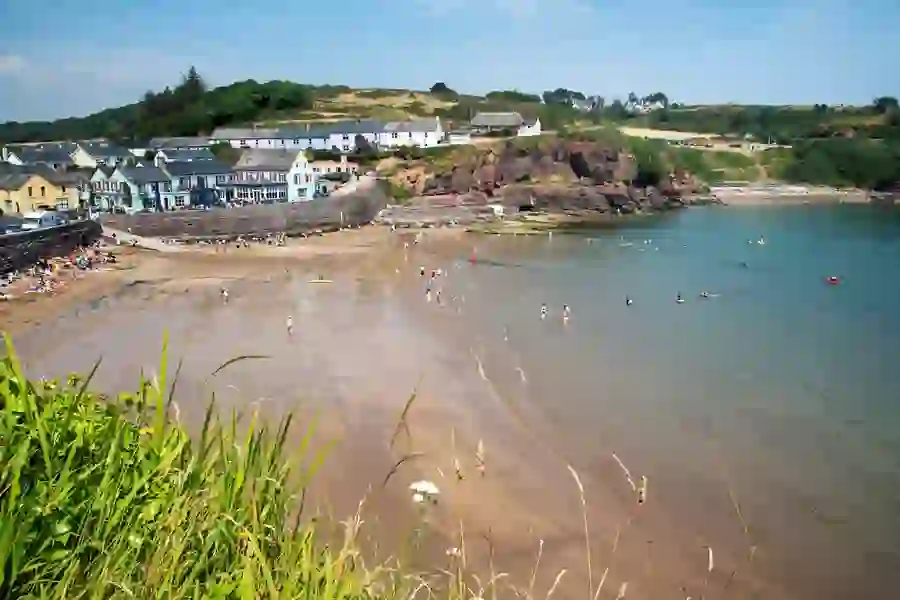
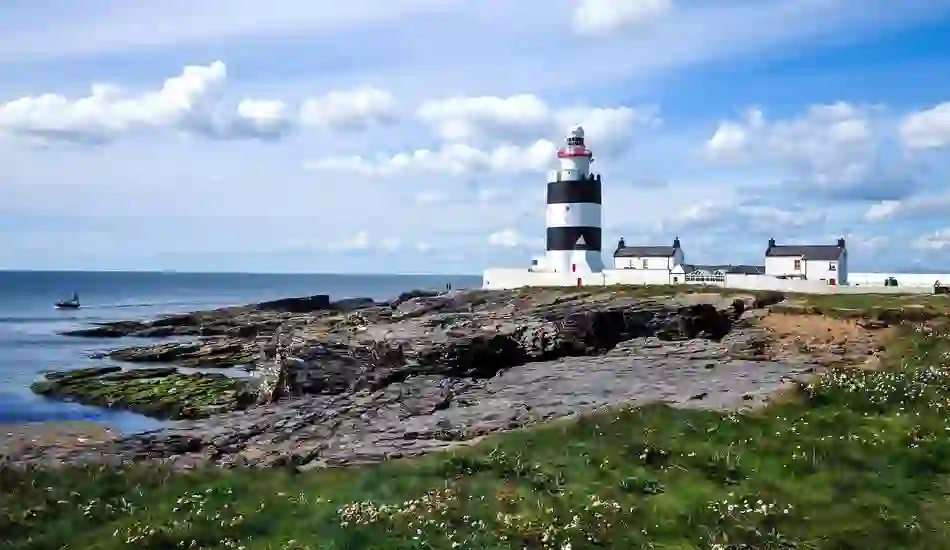
The Copper Coast UNESCO Global Geopark is a key draw with its beautiful, rugged cliffs, bays and sandy coves, while the pretty village of Dunmore East is a favourite for its coastal walks, beaches and thatched cottages.

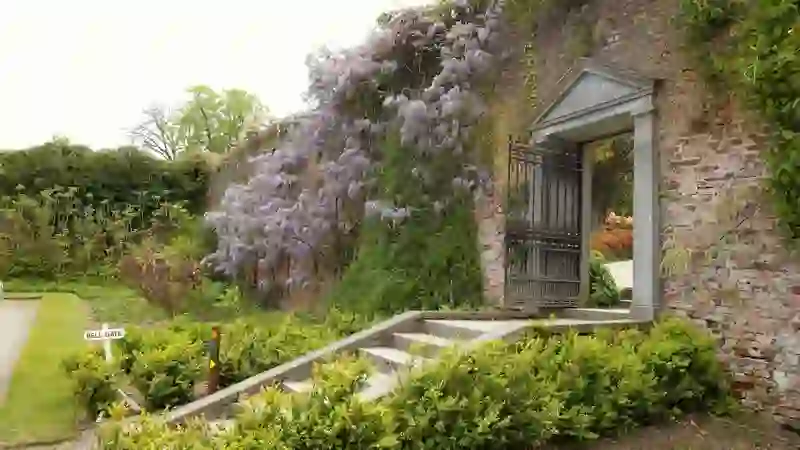
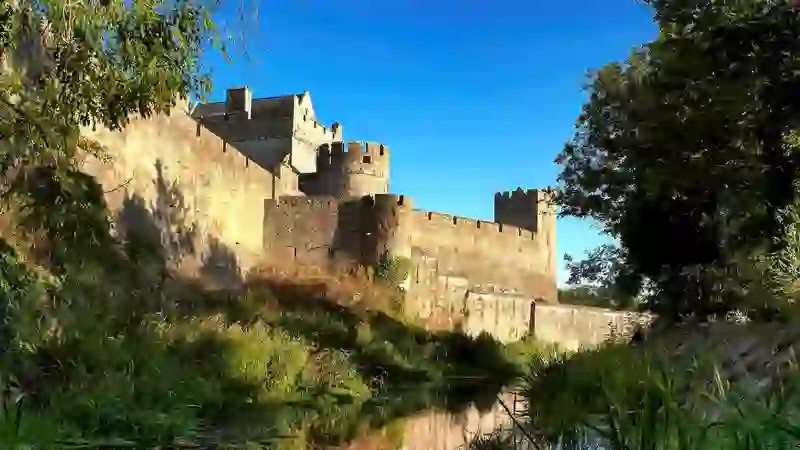
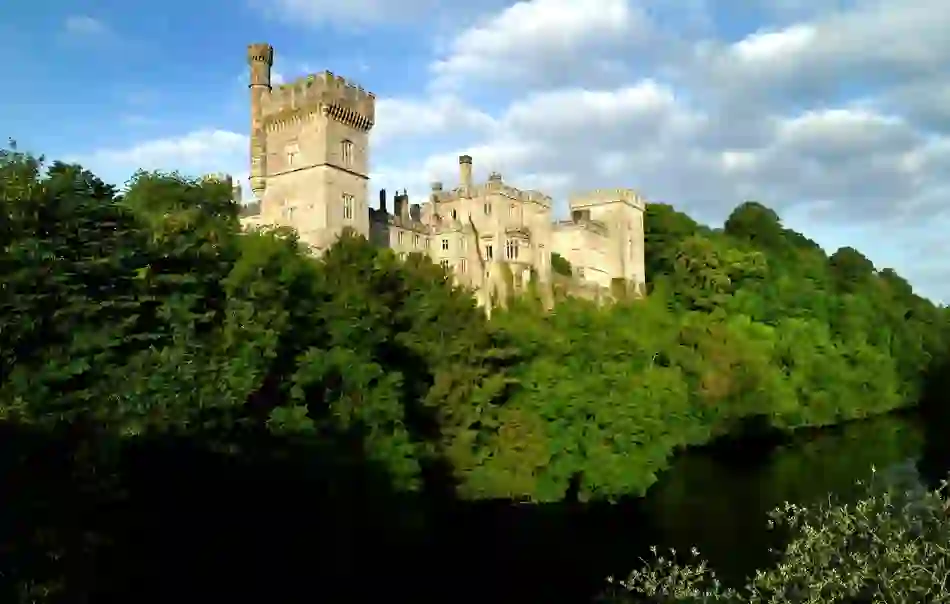
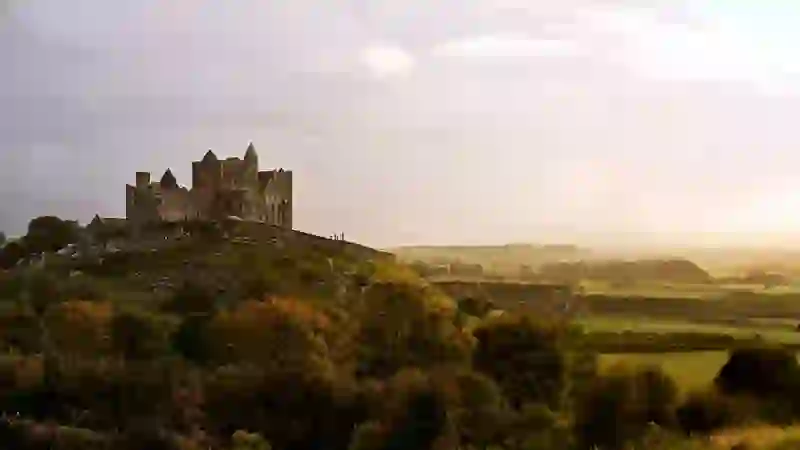
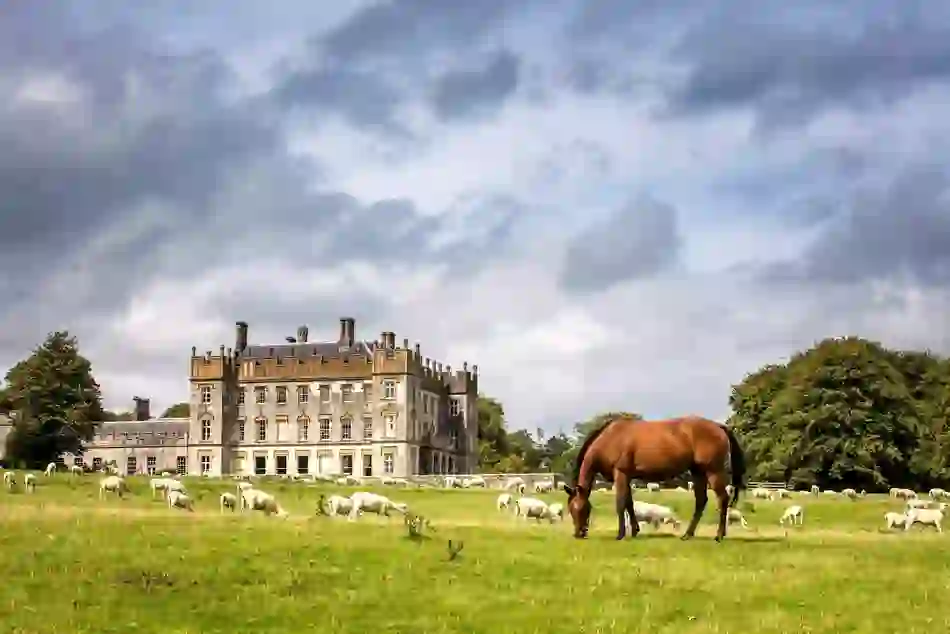
For a glimpse of Waterford’s castles, head just out of the city to Waterford Castle hotel, a wonderful place to stay, or continue inland to Lismore Castle and its scenic gardens.

Read more

Stand on the quays in Waterford, breathe in the salty air, and it’s easy to imagine this city on Ireland’s south-east coast in the 1700s, when trade with Newfoundland helped turn it into one of Ireland’s great ports. The wealth that flowed through its harbour reshaped the city centre in the 18th century, leaving behind the grand Georgian houses and elegant streets that still define much of the city today. Waterford city is nothing if not layered. Its origins reach back to the Vikings, but today it feels thoroughly contemporary with a flourishing food scene, vibrant arts and culture, and a coastal cycling route that winds through the County Waterford countryside to Dungarvan. Isn’t it time you discovered Waterford for yourself?

Waterford Greenway cycling route overlooking the rugged County Waterford coastline on a sunny day. Waterford Greenway cycling route overlooking the rugged County Waterford coastline on a sunny day.

Waterford Greenway, County Waterford

Courtesy of Luke Myers

Viking heritage

The Vikings knew a good thing when they saw it: a sheltered bay, a strategic location on the River Suir, and a good trading position all attracted the Norse raiders here. And 1,100 years later, it’s still going strong. Reginald’s Tower, the city’s landmark monument, sits at the heart of the Viking Triangle and has been in continuous use for over 800 years. Step inside its thick stone walls, and you can enjoy an exhibition on Viking Waterford, as well as the magnificent 12th-century Kite Brooch.

Where culture meets “craic”

You’ll find more history within the Medieval Museum, where one of Waterford’s treasures – 15th-century cloth-of-gold vestments – are on display. The Bishop’s Palace on the beautiful Georgian Mall displays the wealth, beauty and architectural detail of an 18th-century townhouse.

Nearby is the Irish Wake Museum, which explores rituals around life and death in Ireland, and the Irish Museum of Time, housed in a beautiful Gothic-style church and showcasing the craftsmanship of clockmakers and watchmakers from the 17th century to today.

Clearly, Waterford packs a big punch when it comes to history, but the city also has a rich cultural life – from a buzzing festival calendar to great local pubs and restaurants, including Grow HQ, The Reg and The Gingerman.

Enjoy the heritage of Waterford’s famous cut glass at the House of Waterford Crystal; taste a “blaa” (a speciality bread roll unique to the city) at the Granary Café; or visit the bustling food market at Merchant’s Quay.
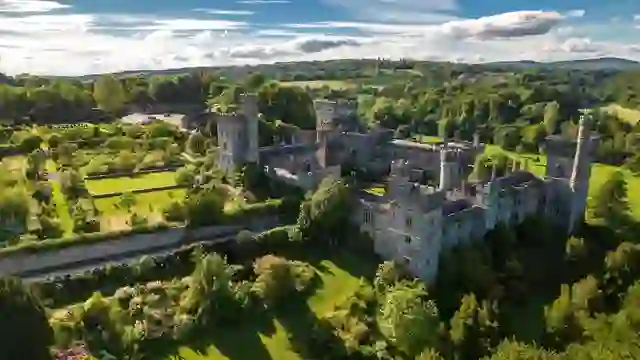
Aerial view of Lismore Castle and Gardens, a historic castle estate in County Waterford. Aerial view of Lismore Castle and Gardens, a historic castle estate in County Waterford.

Lismore Castle and Gardens, County Waterford

Courtesy Waterford City and County Council

Beyond Waterford city

Explore beyond the city into Ireland’s Ancient East, and you’ll discover some of the most beautiful coastal scenery on the island of Ireland. One of the most popular activities is the Waterford Greenway, a 46km off-road cycle route that stretches from Waterford city to the coastal town of Dungarvan. A stop-off en route at Mount Congreve Gardens to explore one of the world’s largest private plant collections is a must.

The Copper Coast UNESCO Global Geopark is a key draw with its beautiful, rugged cliffs, bays and sandy coves, while the pretty village of Dunmore East is a favourite for its coastal walks, beaches and thatched cottages.

For a glimpse of Waterford’s castles, head just out of the city to Waterford Castle hotel, a wonderful place to stay, or continue inland to Lismore Castle and its scenic gardens.

Read more
Experience as part of:

Shaped by more than a thousand years of history, Waterford city blends old traditions with a modern outlook.

Stand on the quays in Waterford, breathe in the salty air, and it’s easy to imagine this city on Ireland’s south-east coast in the 1700s, when trade with Newfoundland helped turn it into one of Ireland’s great ports. The wealth that flowed through its harbour reshaped the city centre in the 18th century, leaving behind the grand Georgian houses and elegant streets that still define much of the city today. Waterford city is nothing if not layered. Its origins reach back to the Vikings, but today it feels thoroughly contemporary with a flourishing food scene, vibrant arts and culture, and a coastal cycling route that winds through the County Waterford countryside to Dungarvan. Isn’t it time you discovered Waterford for yourself?

Waterford Greenway cycling route overlooking the rugged County Waterford coastline on a sunny day. Waterford Greenway cycling route overlooking the rugged County Waterford coastline on a sunny day.

Waterford Greenway, County Waterford

Courtesy of Luke Myers

Viking heritage

The Vikings knew a good thing when they saw it: a sheltered bay, a strategic location on the River Suir, and a good trading position all attracted the Norse raiders here. And 1,100 years later, it’s still going strong. Reginald’s Tower, the city’s landmark monument, sits at the heart of the Viking Triangle and has been in continuous use for over 800 years. Step inside its thick stone walls, and you can enjoy an exhibition on Viking Waterford, as well as the magnificent 12th-century Kite Brooch.

Where culture meets “craic”

You’ll find more history within the Medieval Museum, where one of Waterford’s treasures – 15th-century cloth-of-gold vestments – are on display. The Bishop’s Palace on the beautiful Georgian Mall displays the wealth, beauty and architectural detail of an 18th-century townhouse.

Nearby is the Irish Wake Museum, which explores rituals around life and death in Ireland, and the Irish Museum of Time, housed in a beautiful Gothic-style church and showcasing the craftsmanship of clockmakers and watchmakers from the 17th century to today.

Clearly, Waterford packs a big punch when it comes to history, but the city also has a rich cultural life – from a buzzing festival calendar to great local pubs and restaurants, including Grow HQ, The Reg and The Gingerman.

Enjoy the heritage of Waterford’s famous cut glass at the House of Waterford Crystal; taste a “blaa” (a speciality bread roll unique to the city) at the Granary Café; or visit the bustling food market at Merchant’s Quay.

Aerial view of Lismore Castle and Gardens, a historic castle estate in County Waterford. Aerial view of Lismore Castle and Gardens, a historic castle estate in County Waterford.

Lismore Castle and Gardens, County Waterford

Courtesy Waterford City and County Council

Beyond Waterford city

Explore beyond the city into Ireland’s Ancient East, and you’ll discover some of the most beautiful coastal scenery on the island of Ireland. One of the most popular activities is the Waterford Greenway, a 46km off-road cycle route that stretches from Waterford city to the coastal town of Dungarvan. A stop-off en route at Mount Congreve Gardens to explore one of the world’s largest private plant collections is a must.

The Copper Coast UNESCO Global Geopark is a key draw with its beautiful, rugged cliffs, bays and sandy coves, while the pretty village of Dunmore East is a favourite for its coastal walks, beaches and thatched cottages.

For a glimpse of Waterford’s castles, head just out of the city to Waterford Castle hotel, a wonderful place to stay, or continue inland to Lismore Castle and its scenic gardens.
Read more
Experience as part of:
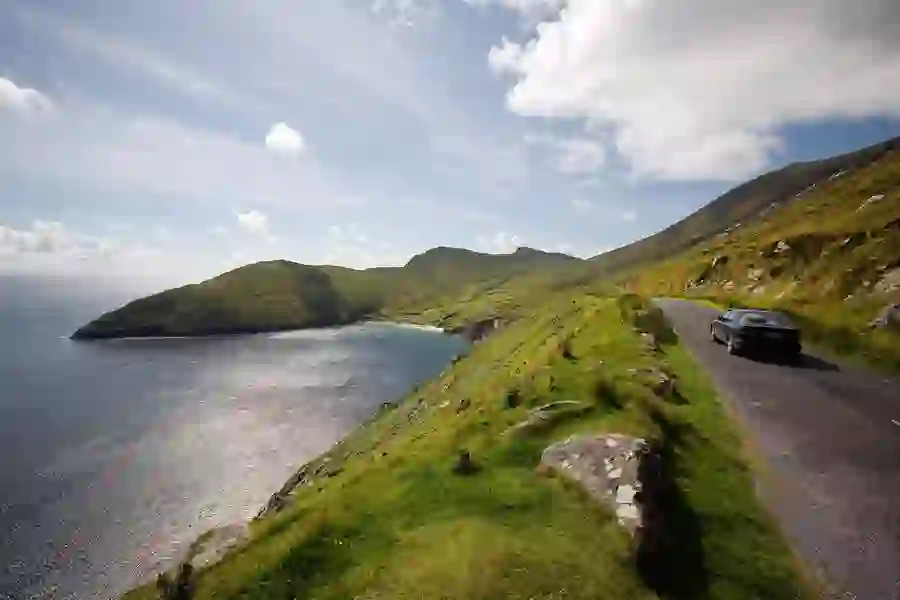
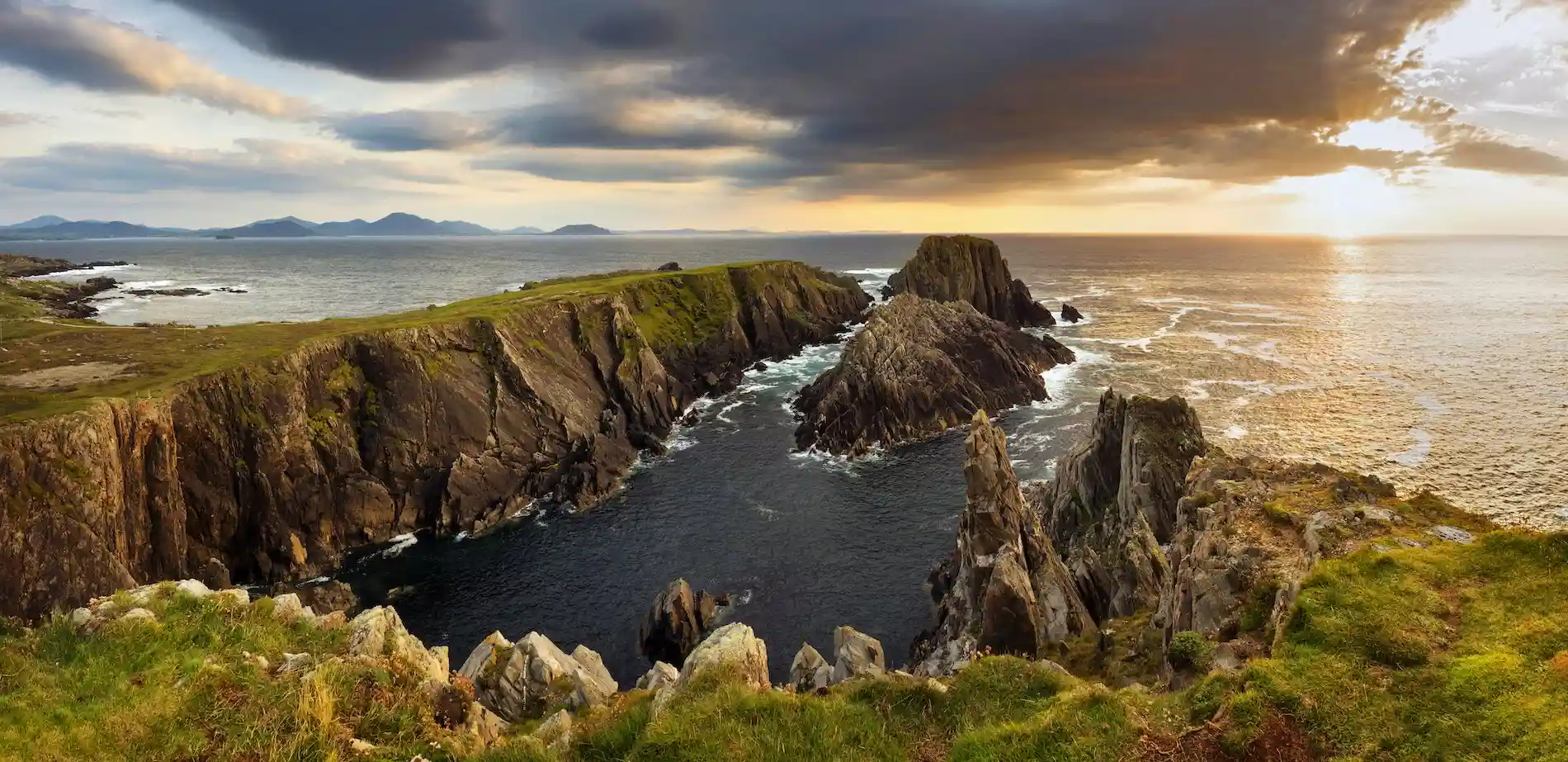
Dramatic rocky cliffs and headlands on the Dingle Peninsula, featured in Star Wars: The Last Jedi filming. Dramatic rocky cliffs and headlands on the Dingle Peninsula, featured in Star Wars: The Last Jedi filming.
waterford-city-county-waterford-clock-tower-hero-v2 waterford-city-county-waterford-clock-tower-hero-v2
This waterfront haven is a delightful taste of old Ireland. Kerry Walker, Independent UK
Waterford city FAQs
Where is Waterford?

Waterford is located in the southeast of Ireland in County Waterford. The city sits at the head of Waterford Harbour and along the River Suir. This location was key in attracting the Vikings who founded the city in 914, and is also what helped develop the medieval city.

A walk along Waterford’s Quays is a local tradition and a great way to connect with the city’s maritime heritage. The route stretches for a mile along the River Suir, from Rice Bridge to the Vincent Wallace Plaza.

What is Waterford famous for?

Waterford is famous for many things, but it is most widely associated with crystal production. Waterford Crystal’s origins date back to 1783. The glassworks company was founded by George and William Penrose with the aim of “creating the finest quality crystal for drinking vessels and objects of beauty for the home”. Although the original factory closed in 1853, the tradition was revived in 1947. In 1952, designer Miroslav Havel created the Lismore pattern, the world’s best-selling crystal design.

The city is also famous for its bread roll – the “blaa”, an icon of Ireland’s traditional food culture. Don’t miss trying one while you are here – they are popularly eaten with bacon at lunchtime.

How far is Waterford from Dublin?

Waterford is located approximately 170km or 2 hours drive from Dublin and is easily accessed from the city. By rail, the journey takes around 2 hours and by bus it’s about 1 hour 50 minutes. There are also private coach companies, such as JJ Kavanagh, linking Waterford with Dublin airport.
How far is Cork from Waterford?

Cork city lies around 123km from Waterford, and is a great city to pair with a visit to Waterford, with regular bus links between the two.

A great option is to go slow and enjoy the journey along the coast taking in some of the maritime history and scenic seaside villages of Ireland’s southeast. We’ve got the perfect Cork-Waterford itinerary that takes you through Ireland’s Ancient East to County Waterford and beyond.

Is Waterford the oldest town in Ireland?

Waterford is one of Ireland’s oldest cities, having been established by the Vikings in AD 914. Interestingly, you can still see Waterford’s Viking heritage in its name, which is thought to mean “ram fjord” or “windy fjord.”

This rich history is what makes Waterford such a fascinating place to visit. The city’s Viking Triangle takes its name from the ancient Viking walls that surround it and one of the oldest buildings within the area is Reginald’s Tower, an Anglo-Norman structure built on the site of an earlier Viking fortification.

Where are the best places to stay in Waterford?

Waterford boasts lots of great places to stay right in the heart of the city. The quayside Granville Hotel is one of Ireland’s oldest hotels, and the building itself dates back to the 1700s.

Another popular option close to the quay is the Fitzwilton Hotel overlooking the River Suir. For a taste of luxury outside the city, don’t miss Waterford Castle. Set on its own private island and steeped in history, it’s one of Ireland’s finest castle hotels.

When is the best time to visit Waterford?

Waterford is great to visit all year round, but the warmer months of May to September are ideal if you are planning to do activities such as cycling the Waterford Greenway, strolling the county’s beautiful beaches or visiting charming fishing villages such as Dunmore East.

August is always a great time to visit as the city comes alive with the Spraoi International Street Arts Festivals, with street performers, live music and a parade.