























Surround yourself with the sylvan beauty and natural charm of Dublin’s expansive city park.
At 1,752 acres, Phoenix Park is twice the size of New York’s Central Park and one of the largest enclosed city parks in Europe.
Spot herds of wild fallow deer roaming across the open grasslands of the park.
Rent a bike and explore at your own pace – it’s a great way to discover highlights such as Dublin Zoo and the park’s historic landmarks.
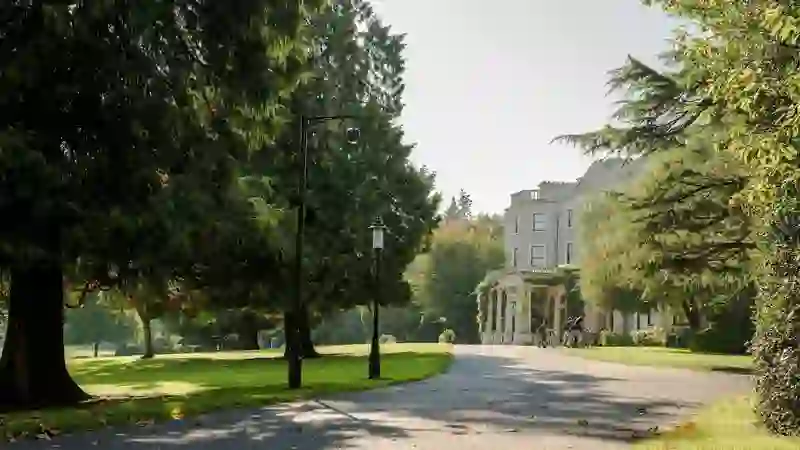
Wild deer drift amongst centuries-old trees. A still pond lies within a leafy glen. Locals jog along sun-dappled paths. This is Phoenix Park – an oasis in Dublin city that feels a million miles away from the urban bustle and buzz. It was created as a royal hunting park by the Duke of Ormond in the 17th century, and as you wander through its grasslands and woodlands, you could easily believe you are deep in the countryside. But Phoenix Park is not just a place of nature; it also boasts a multitude of things to see.


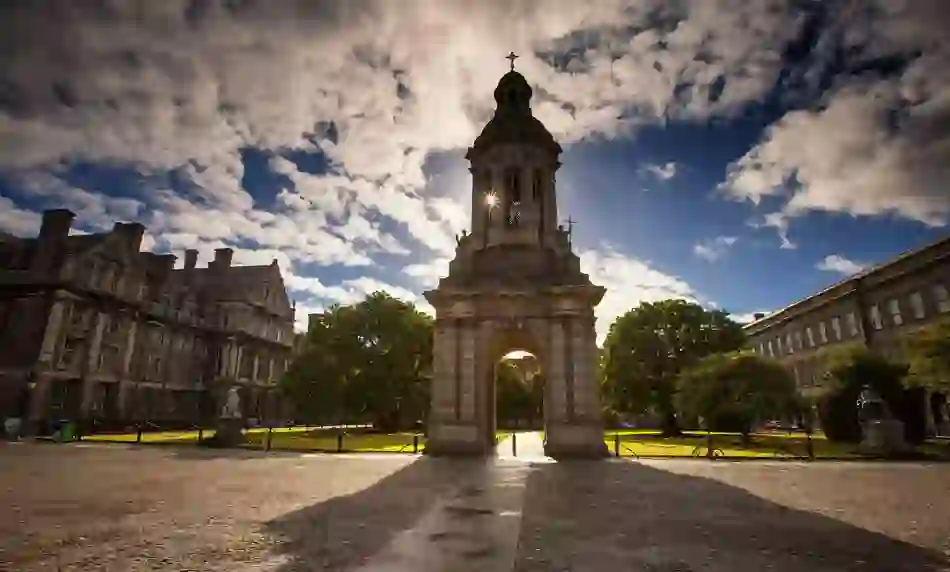
Clock Tower, Phoenix Park, Dublin
Courtesy Rob Durston
Hire a bike and explore the 14km network of cycle trails that criss-cross the park. One of the most popular stops is Dublin Zoo. Established in 1830, it’s the fourth-oldest zoo in the world and covers around 69 hectares.
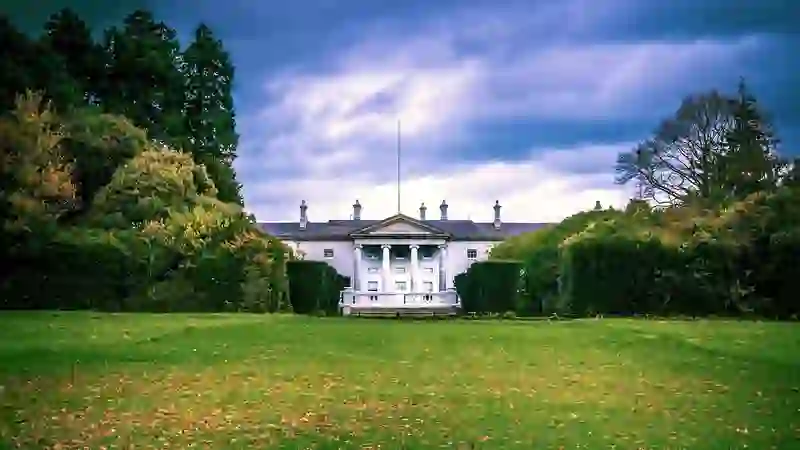
Offering a completely different experience is Arás an Uachtaráin, a mid-18th-century house that serves as the official residence of the president of Ireland, and is open to the public every Saturday. Or take a guided tour of Farmleigh House, the Irish State Guesthouse, which has hosted dignitaries including the Obamas and Prince Albert of Monaco.
Other highlights include the Wellington Monument, the largest obelisk in Europe; the Phoenix Park Visitor Centre, which traces the park’s history from 3500BC to today; and the People’s Flower Gardens, a celebration of Victorian horticulture, complete with a large ornamental lake.


Guinness Storehouse, St James’s Gate, Dublin
Courtesy Riccardo Rea
Beyond the gates of Phoenix Park, you’ll find some of Dublin’s coolest neighbourhoods – The Liberties, Smithfield and Stonebatter, as well as star attractions such as the Guinness Storehouse and the historic distilling district known as Dublin’s “Golden Triangle”, so called for its abundance of whiskey distilleries.
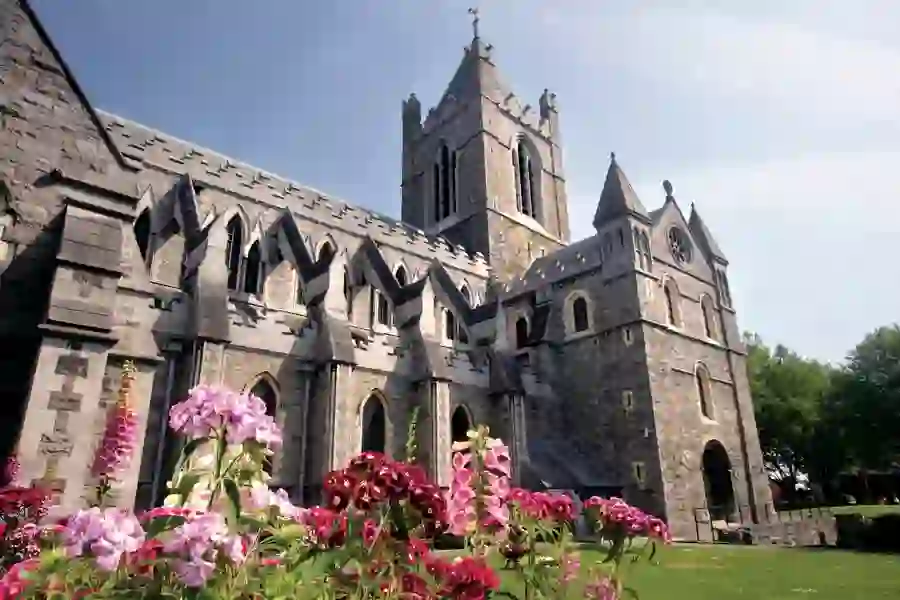
Other must-sees include eerie Kilmainham Gaol, which played a key role in much of Ireland’s history; the absorbing tenement museum at 14 Henrietta Street; and impressive St Patrick’s Cathedral, where the author of Gulliver’s Travels, Jonathan Swift, was once dean.