



Go to My Ireland
logo-mini

Are you sure you want to leave the feed?

Oops... something went wrong!

My Ireland

Looking for inspiration? Planning a trip? Or just want to scroll yourself happy? We'll show you an Ireland that's tailor-made for you.

  • #Landscapes
  • #CultureandHeritage
  • #OutdoorActivities
  • #Landmarks
MyICallOut_FindTheThings_EN_Desk_Above-Left MyICallOut_FindTheThings_EN_Desk_Above-Left

Oops... no internet connection

While offline, you can still add items to My board. New travel reccomendations will only show up once you’re back online.

    See what Ireland has in store for you

    Oops... no internet connection

    While offline, you can still add items to My board. New travel reccomendations will only show up once you’re back online.

    My board

    Look out for the little heart icon around Ireland.com. Simply tap the heart to add items to your board!

    Emptyboard Emptyboard

    Wander a sacred riverside monastic site in County Offaly, a place shaped by faith, learning and creativity.

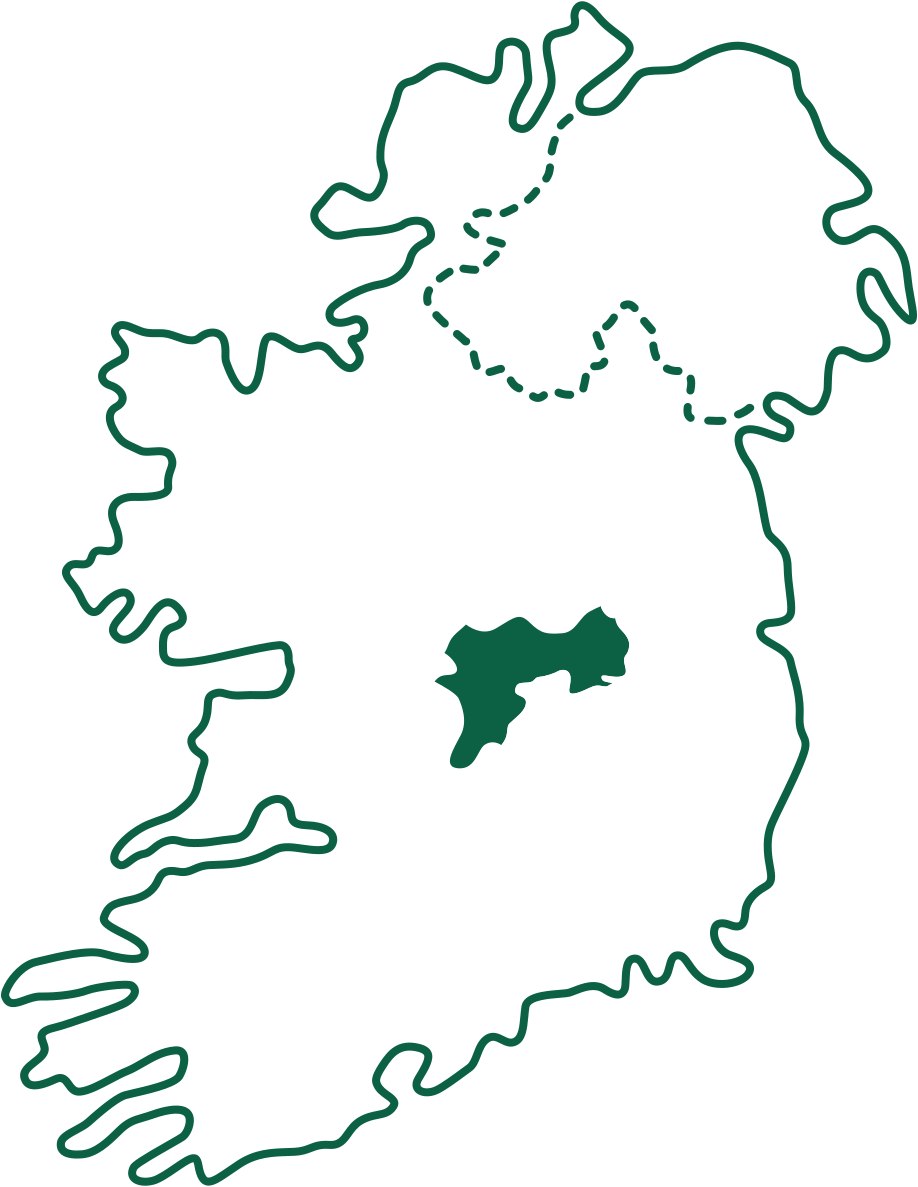
    Map of Ireland with County Offay in the centre of the island highlighted in dark green.

    Wander a sacred riverside monastic site in County Offaly, a place shaped by faith, learning and creativity.

    1
    Discover one of Ireland's most important early Christian monastic sites – once a leading centre of religion and education in Europe.
    2
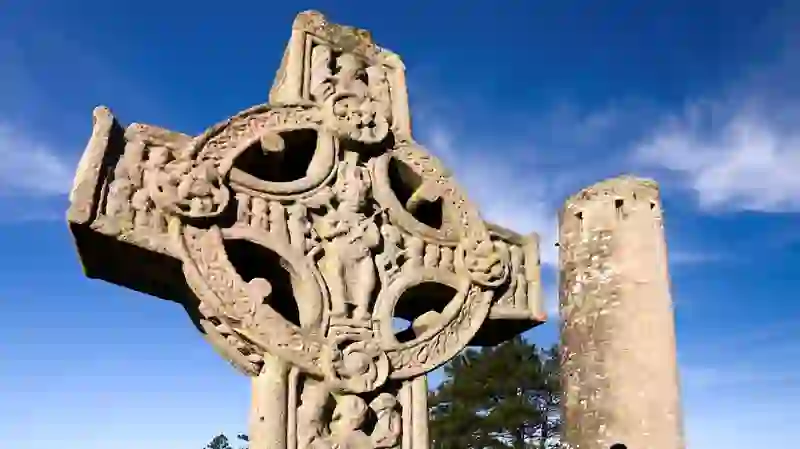
    Explore the extensive remains of a cathedral, round tower, intricately carved high crosses and no fewer than seven churches.
    3
    Hop on a replica Viking ship and sail from Athlone to Clonmacnoise, following the route the Vikings would have taken in the 9th century.

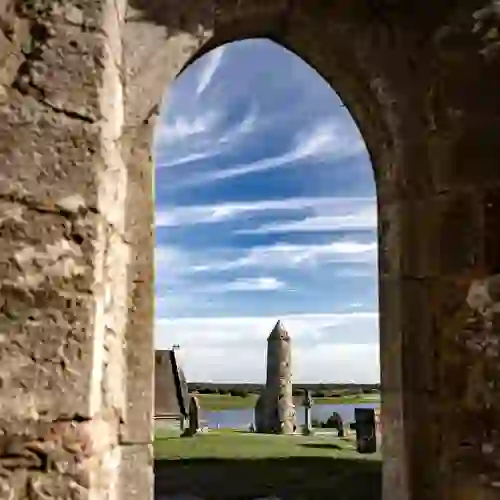
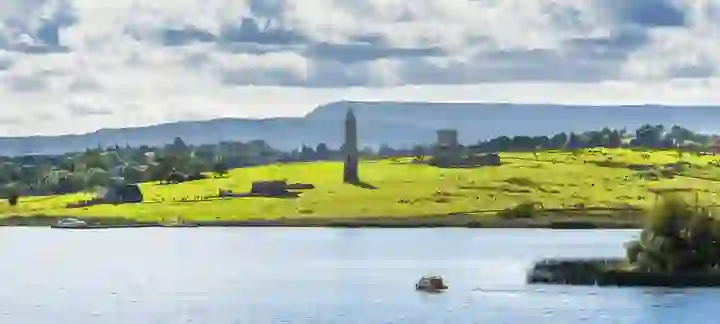
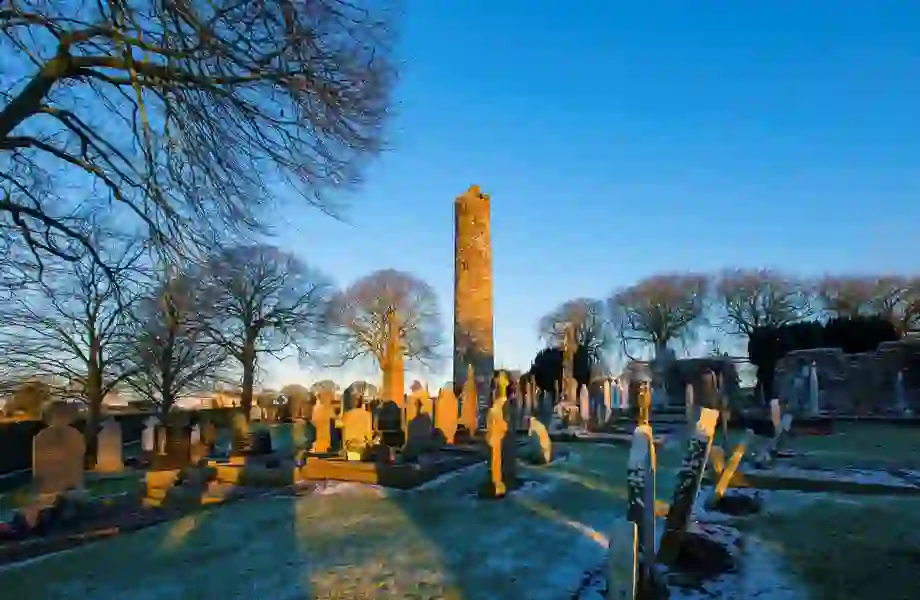
    Sitting peacefully on the banks of the River Shannon and shrouded in mystery, the 6th-century monastic site of Clonmacnoise is one of Ireland’s most exceptional historical destinations. Founded by St Ciarán in 544, this sacred place catapults you back to a time of religious, literary and artistic creativity, surrounding you with stories of Viking raids, devotion and kingly connections. Lush green fields, the low-lying meadows of County Offaly and the calm grey-blue waters of the Shannon create the feeling that you’ve stumbled upon an Early Christian secret, a place frozen in time.
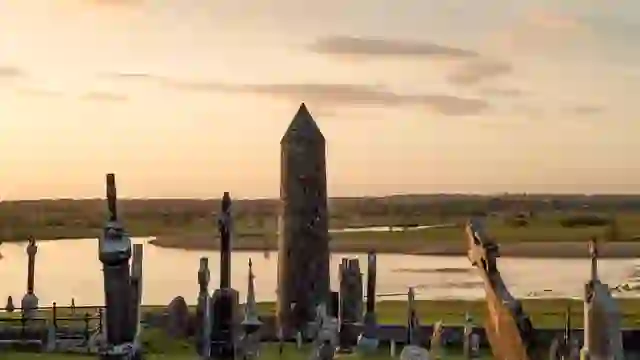
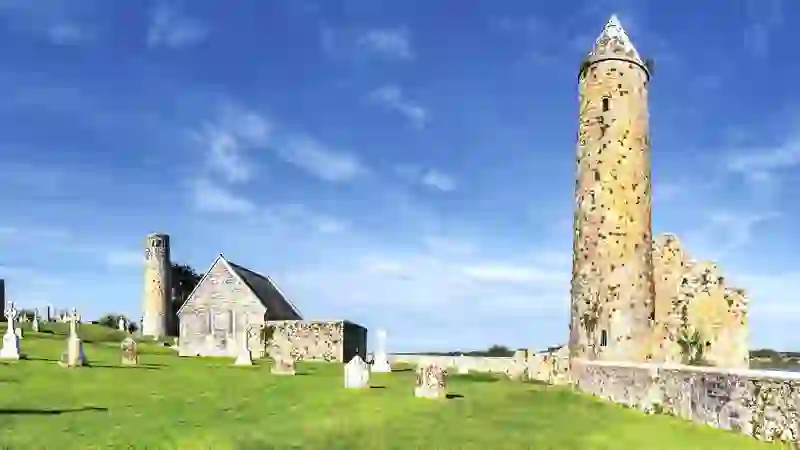
    Clonmacnoise round tower and graveyard at sunset overlooking the River Shannon in County Offaly. Clonmacnoise round tower and graveyard at sunset overlooking the River Shannon in County Offaly.

    Clonmacnoise, County Offaly

    Courtesy Kevin Griffin for Fáilte Ireland

    Discover the rich history of Clonmacnoise

    Back in the 6th century, while much of Europe languished in the Dark Ages, Ireland was flourishing – so much so that the island became known as the “Land of Saints and Scholars”. From this period until the 12th century, Clonmacnoise was a renowned centre of scholarship, attracting students from across Europe.

    Today’s imposing ruins, many of which have undergone comprehensive conservation work, reflect the hive of activity that once thrived here, with more than 1,500 to 2,000 people living and working at the site during the 11th century. Standing amongst the lichen-spotted ruins today, it’s easy to imagine the scurry of monks and the scrape and scribble of artists producing everything from manuscripts to works in stone and metal.

    Sailing into history

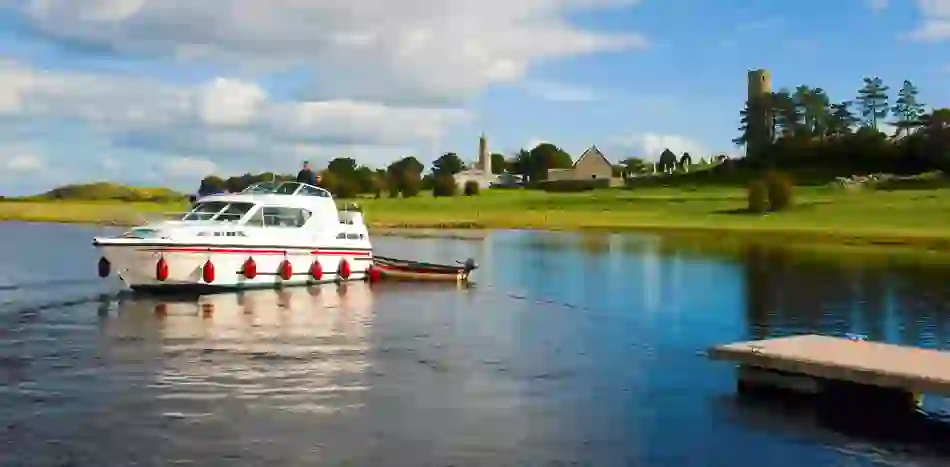
    Arriving by boat from Athlone is an incredible way to experience Clonmacnoise. The journey with Viking Tours departs from Athlone Castle and travels along the River Shannon for 90 minutes. It’s a one-way journey with a special bus transfer arranged to return to Athlone after time at the site.

    Cruise the River Shannon in 7 days

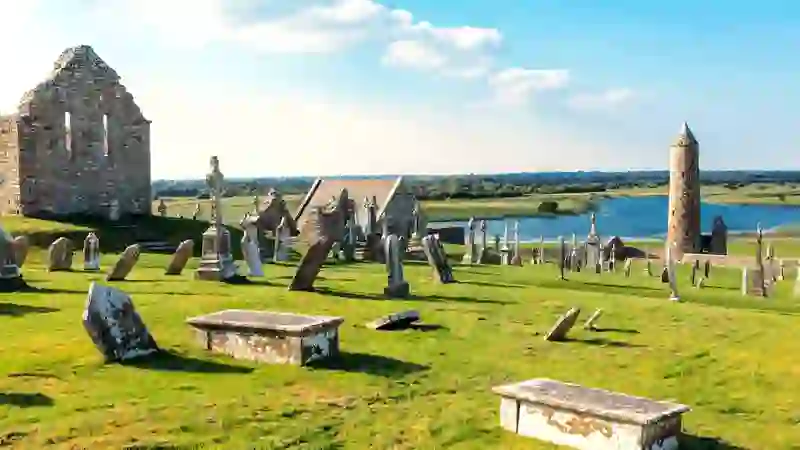
    As there is currently maintenance work taking place in the visitor centre, online booking and guided tours are unavailable. However, it’s still possible to visit the site and wander through the ruins here. Among the notable monuments to look out for is the South Cross, a ringed sandstone cross covered with abstract decoration and thought to date from the 9th century; grave slabs from the 8th to the 12th century carved with different forms of crosses; and the cathedral, originally built in 909.
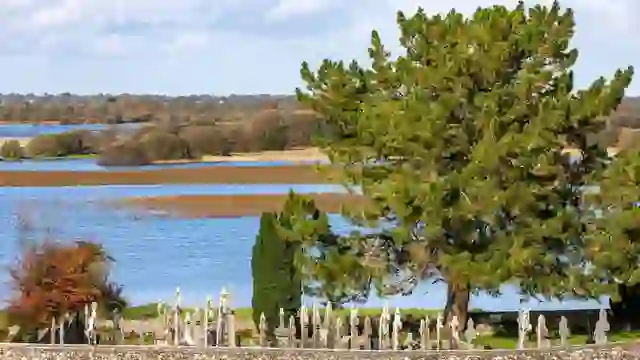
    Clonmacnoise graveyard overlooking the River Shannon and surrounding wetlands in County Offaly, Ireland. Clonmacnoise graveyard overlooking the River Shannon and surrounding wetlands in County Offaly, Ireland.

    Clonmacnoise, County Offaly

    Courtesy Offaly Tourism Marketing

    Food and drink at Clonmacnoise

    There is no café available at Clonmacnoise, but there are picnic areas where you can relax and enjoy the spectacular natural and historical surroundings. One of the nearest restaurants to Clonmacnoise is The Village Inn, Bar and Restaurant at Ballinahown – a friendly local spot with great food.

    A little further away in Athlone (about a 30-minute drive), you’ll have the pick of places to eat right on your doorstep. Athlone is one of Ireland’s buzziest food destinations, with everything from Michelin-Bib Gourmand dining at Thyme to authentic Lebanese cuisine at Al Mezza.

    At Dead Centre Brewing, enjoy a pizza alfresco with great views of the River Shannon; The Fatted Calf offers modern Irish food in a warm, friendly environment; or try Bastion Kitchen for a light lunch of soups and sandwiches.

    Find out the best places to eat around Ireland’s Hidden Heartlands
    clonmacnoise-inset-two clonmacnoise-inset-two

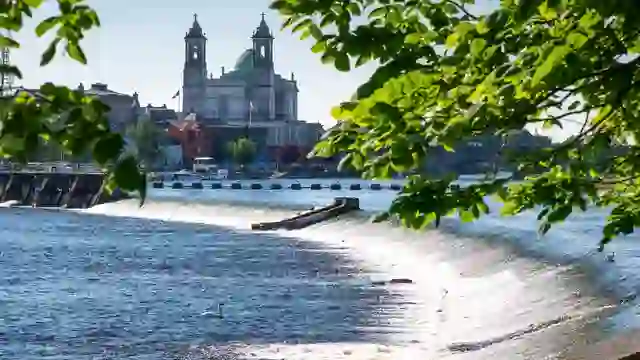
    Athlone, County Westmeath

    Beyond Clonmacnoise

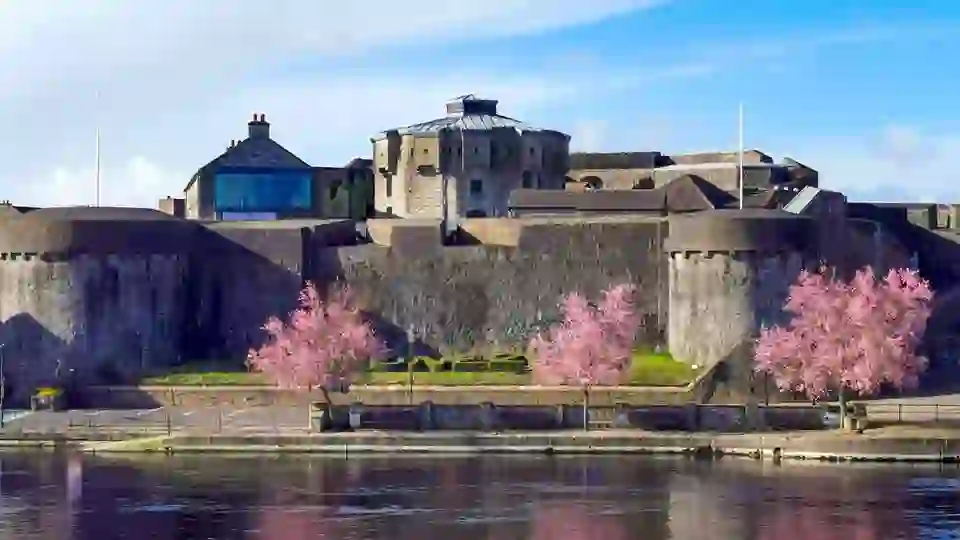
    Given its proximity to Athlone, it makes sense to combine a visit to Clonmacnoise with a few days in this small but lively town. As well as the buzzy Sean’s Bar – reputed to be the oldest pub in Ireland – and an elegant contemporary art gallery called the Luan, the town boasts the 12th-century Athlone Castle which commands impressive views over the River Shannon.

    It’s this mix of nature and culture that makes Athlone such a rewarding destination, with fabulous outdoor adventures right on your doorstep, from boat trips on the wind-whipped Lough Ree to cycling along the Old Rail Trail Greenway, a purpose-built off-road route between Athlone and Mullingar.

    Walking in Ireland’s Hidden Heartlands

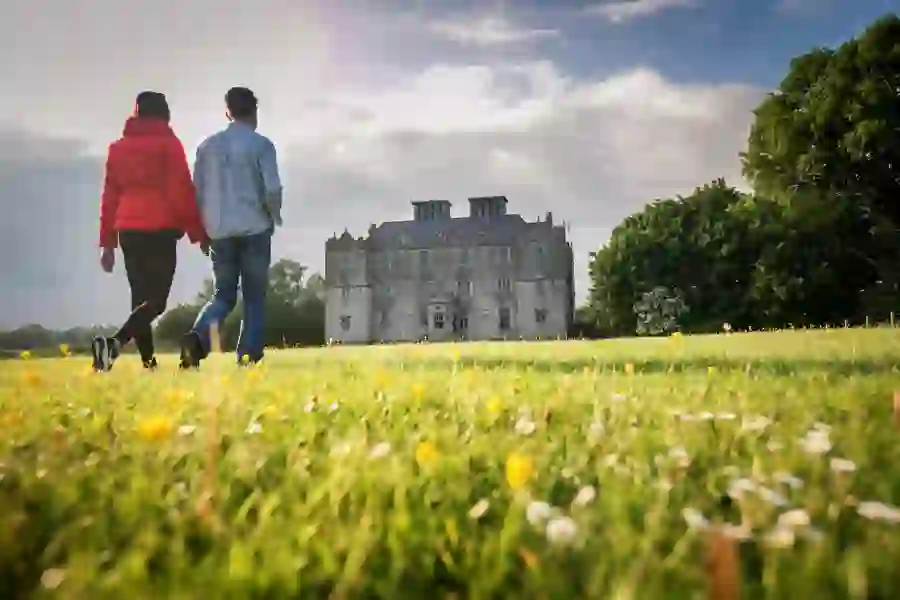
    Walkers are in for a treat with a host of beautiful walks in the area. As well as the Old Rail Trail Greenway, there’s the Lough Ree Park Walking Trail, a well-maintained path, encompassing both the waterside and woodlands. Or opt for the 5km Portlick Millennium Forest Walk on the Whinning Peninsula. Running along the lakeside, the trail encompasses the medieval Portlick Castle and is blanketed in bluebells in early summer.

    Discover great walks around Ireland’s Hidden Heartlands

    Exploring local life

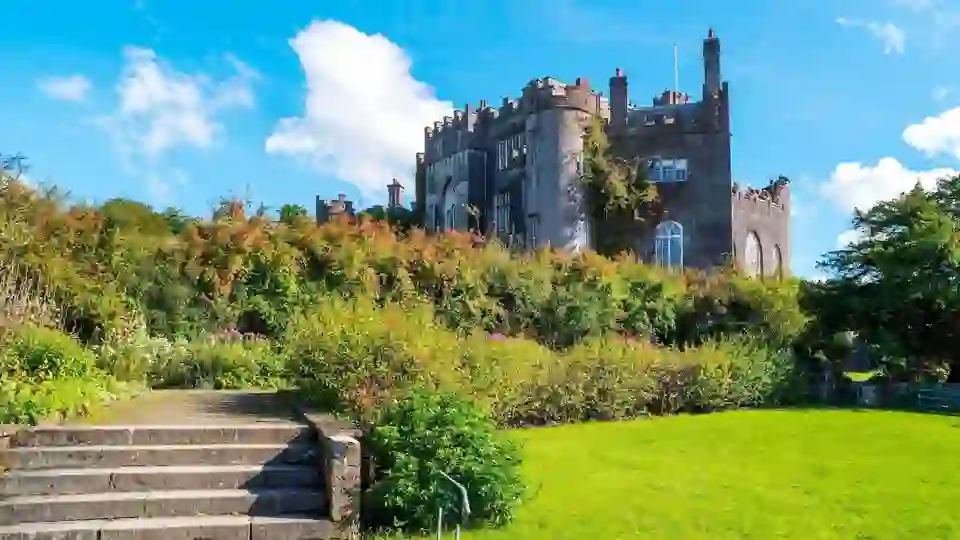
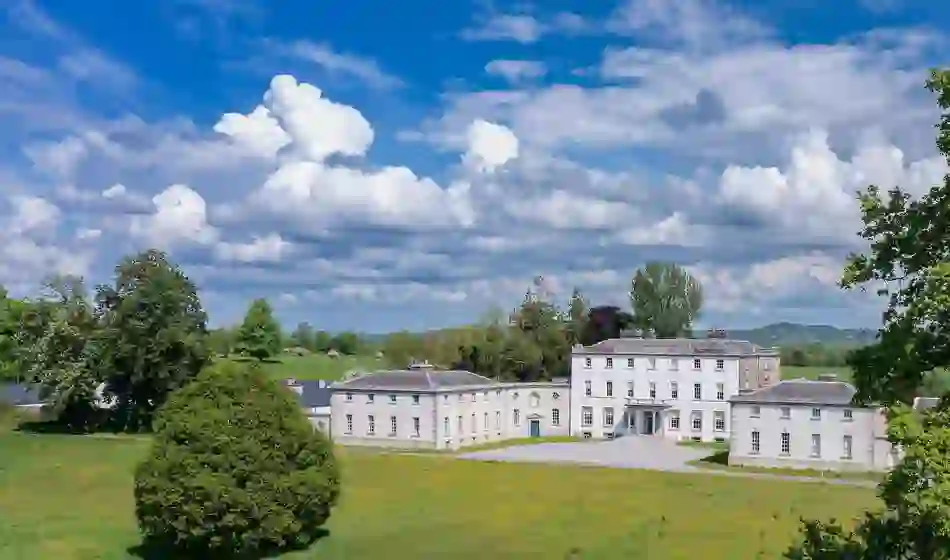
    For more heritage, try Birr Castle, which has a history that can be traced back to 1170. From May to September, visitors can embark on a castle guided by descendants of the Earl and his wife, whose portraits still adorn the great Victorian dining room.

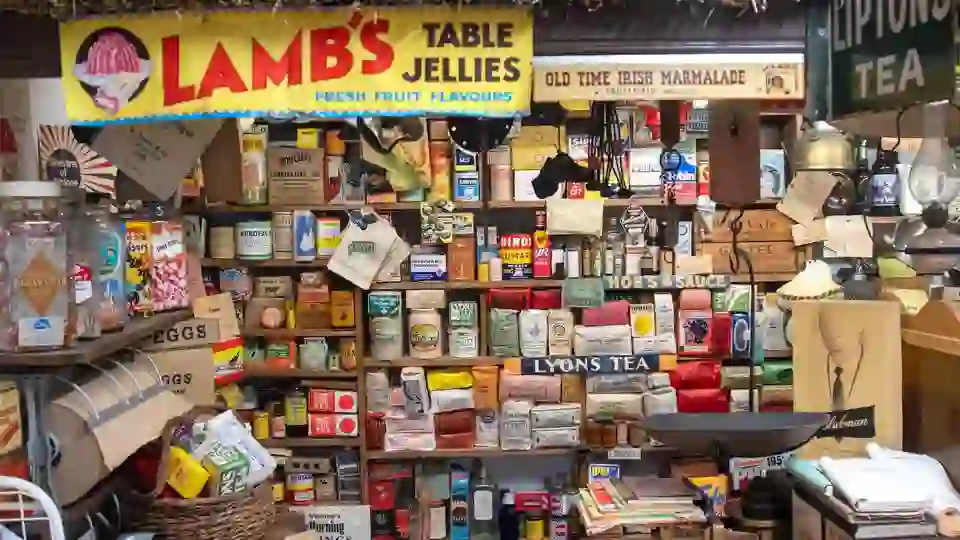
    A very different side of local life can be found at the Derryglad Folk & Heritage Museum, which displays more than 8,500 artefacts displayed in recreated shopfronts, a schoolroom, grocery store and more.

    At Clonmacnoise, Ireland’s ancient past meets the quiet beauty of the River Shannon – the perfect place to begin your journey through Ireland’s Hidden Heartlands. Your adventure starts here.
    Map of Ireland with County Offay in the centre of the island highlighted in dark green.

    Plan your visit

    Offaly

    from

    Check out the official website for the latest details on opening hours, prices, booking, getting here and more.
    Visit website
    Experience as part of:
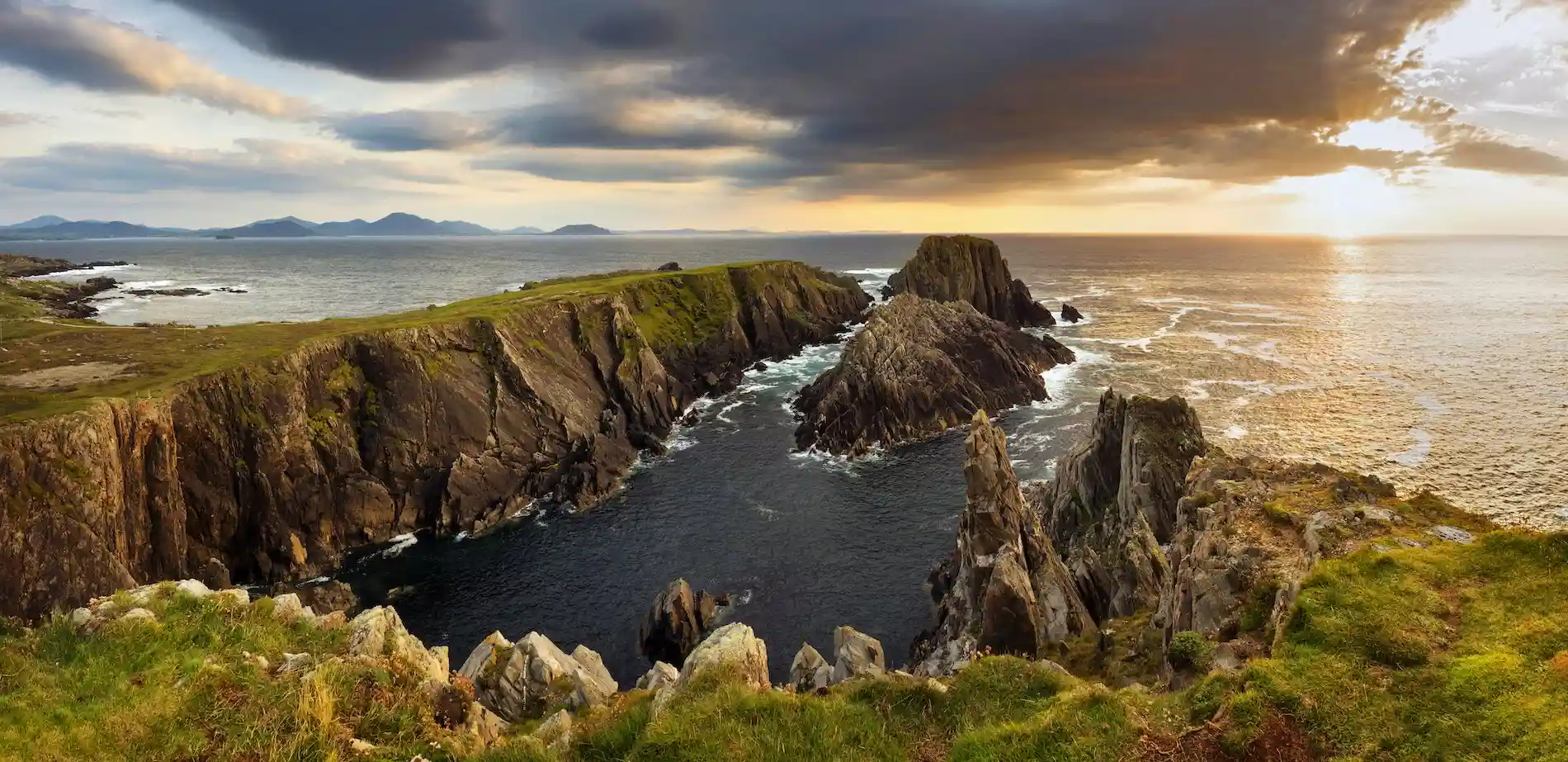
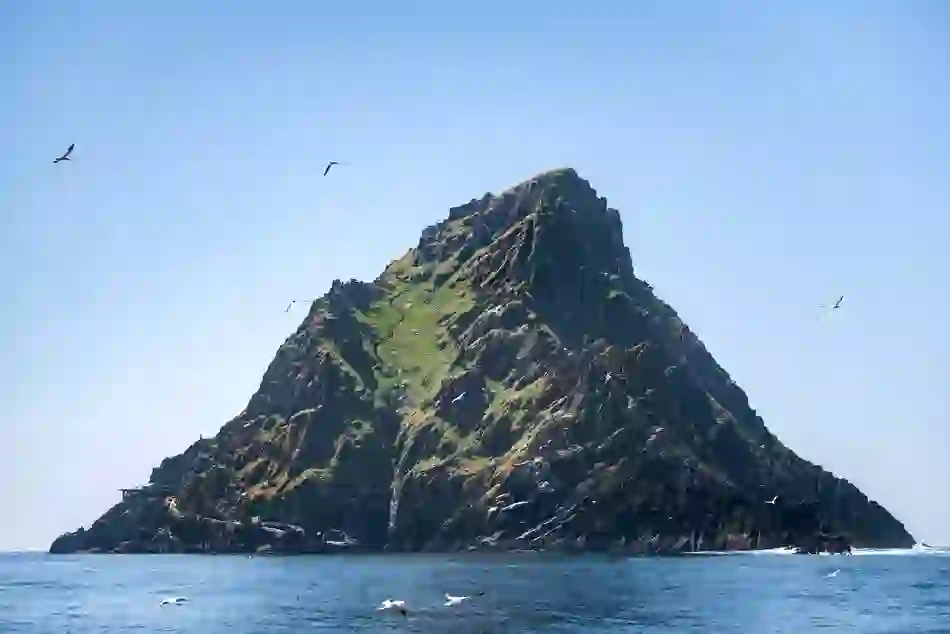
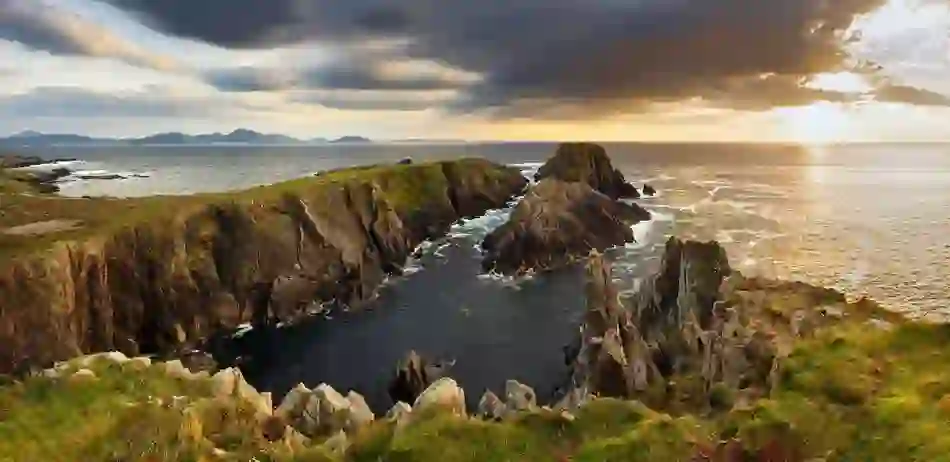
    Dramatic rocky cliffs and headlands on the Dingle Peninsula, featured in Star Wars: The Last Jedi filming. Dramatic rocky cliffs and headlands on the Dingle Peninsula, featured in Star Wars: The Last Jedi filming.
    Clonmacnoise monastic site and round tower overlooking the River Shannon in County Offaly, Ireland. Clonmacnoise monastic site and round tower overlooking the River Shannon in County Offaly, Ireland.
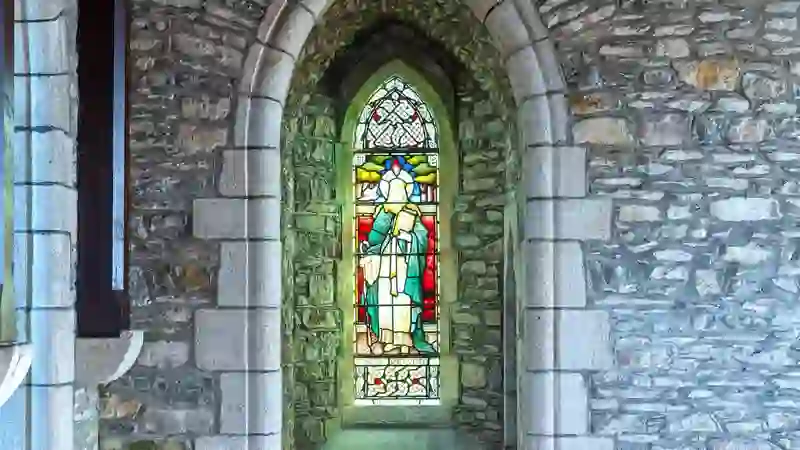
    Wander among weathered stone churches, Celtic crosses, and atmospheric ruins that bring Ireland’s early Christian story to life. Rough Guides
    Clonmacnoise FAQs
    Where is Clonmacnoise?

    Clonmacnoise is located in County Offaly, which sits roughly in the middle of Ireland in an area known as Ireland’s Hidden Heartlands. The site is roughly 30 minutes by car south of the town of Athlone and around 1 hour 45 minutes west of Dublin, depending on traffic. Part of what makes Clonmacnoise such a remarkable place to visit is the beauty of its location, with a setting on the banks of the River Shannon in a green and tranquil part of the island.

    How do you pronounce "Clonmacnoise"?

    Clonmacnoise is pronounced quite similarly to how it’s written… “klon-mack-noyce”

    Who is buried at Clonmacnoise?

    There are more than 700 Early Christian graveslabs at Clonmacnoise and, according to Heritage Ireland, the site once had a sizeable lay population that made it feel more like a town than a monastery. Walking around here you’ll notice a large collection of grave slabs, from the 8th to the 12th century, carved with different crosses and bearing the name of the person commemorated. However, the site is most famous for being the reputed burial place of its founder, St Ciarán, within Temple Ciarán, the smallest of all of the churches in Clonmacnoise.

    What saint is associated with Clonmacnoise?

    St Ciarán is the saint associated with Clonmacnoise as he founded the monastic site here around 548. Ciarán was born in nearby County Roscommon and embarked on a religious life that included studying with St Finian and St Enda before spending time in several monasteries. He founded Clonmacnoise with ten companions on the edge of the River Shannon, but he died of plague several months later while it was still being built.

    What happened at Clonmacnoise?

    Clonmacnoise was a monastery and a major centre of learning, religion, trade, craftsmanship and influence, so it is most famous for that. However, it was also the site of some important events – it was raided many times by both the Vikings and the Anglo-Normans over the years, before beginning to decline from the 13th century onwards. In 1552, it was reduced to a ruin by the English garrison in Athlone.

    Do I need to book a ticket for Clonmacnoise?

    No, it’s not possible to book a ticket in advance for Clonmacnoise. The visitor centre is closed for renovation until spring 2027 and the site is only open for walk ins.

    How far is Clonmacnoise from Athlone?

    Clonmacnoise is around 30 minutes by car from Athlone. It is also possible to reach Clonmacnoise by public transport on the TFI Local Link Laois Offaly bus number 850, although it is advisable to check timetables before travelling. The journey time by bus is 35 minutes. Clonmacnoise is also reachable by boat along the River Shannon with Viking Tours. Journey time is 90 minutes from Athlone to Clonmacnoise, and the ticket allows for 90 minutes to enjoy the site before returning to Athlone by organised bus.