





















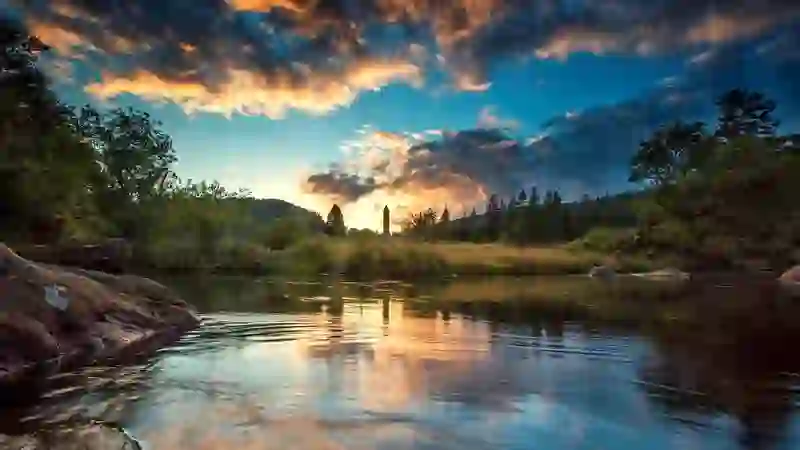


Set within a dramatic glacial valley, Glendalough is a landscape shaped by water, stone and stories spanning more than a thousand years.
Hidden deep within the hills of County Wicklow and at the heart of the Wicklow Mountains National Park, Glendalough brings together Ireland’s natural beauty and deep-rooted history. What began in the 6th century as St Kevin’s solitary retreat evolved into a respected centre of spiritual life and learning in the 11th and 12th centuries. Whether you’re walking by the water, wandering through the monastic ruins or heading uphill for the views, Glendalough has a way of making every visit feel special.


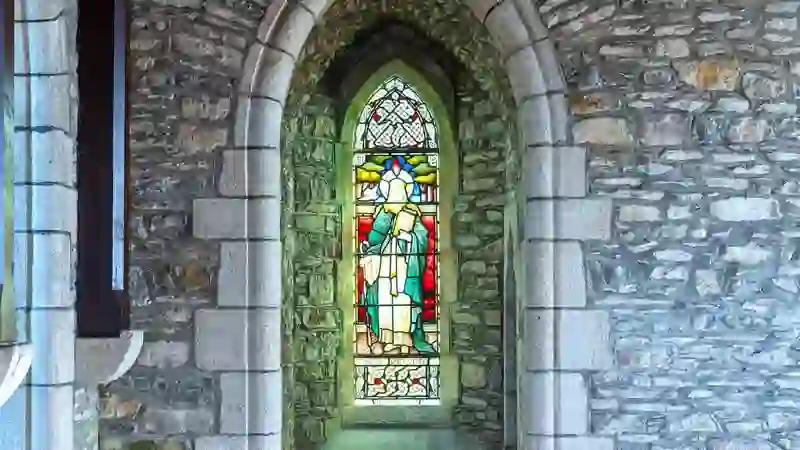
St Kevin's Church, Glendalough
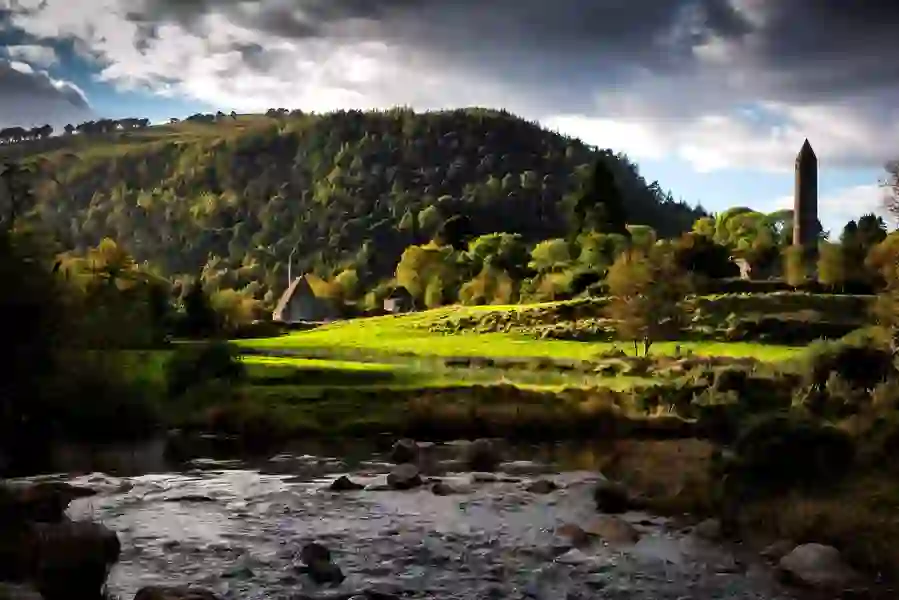
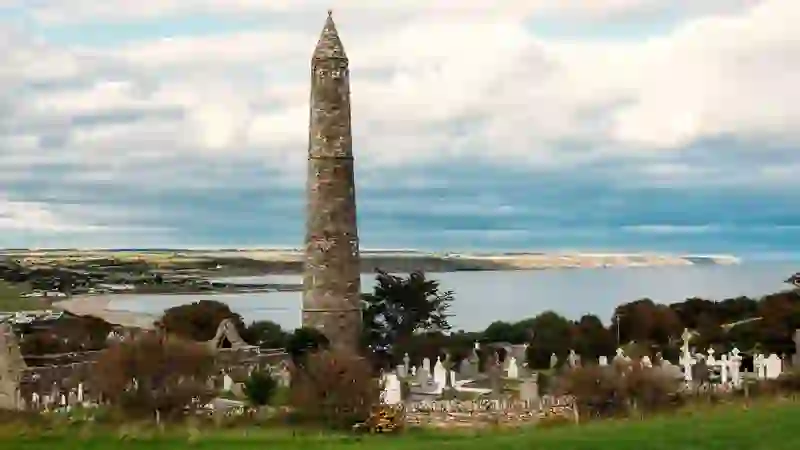
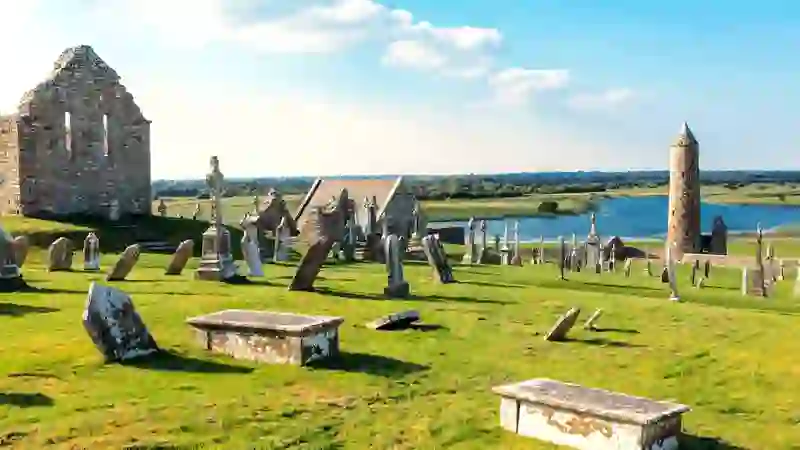
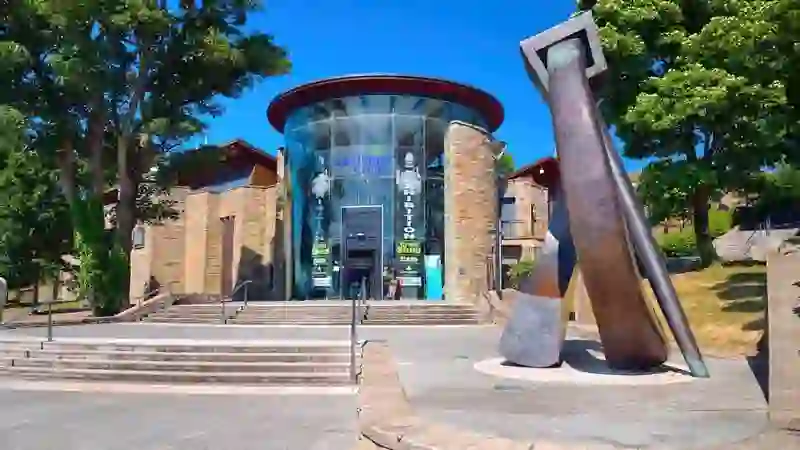
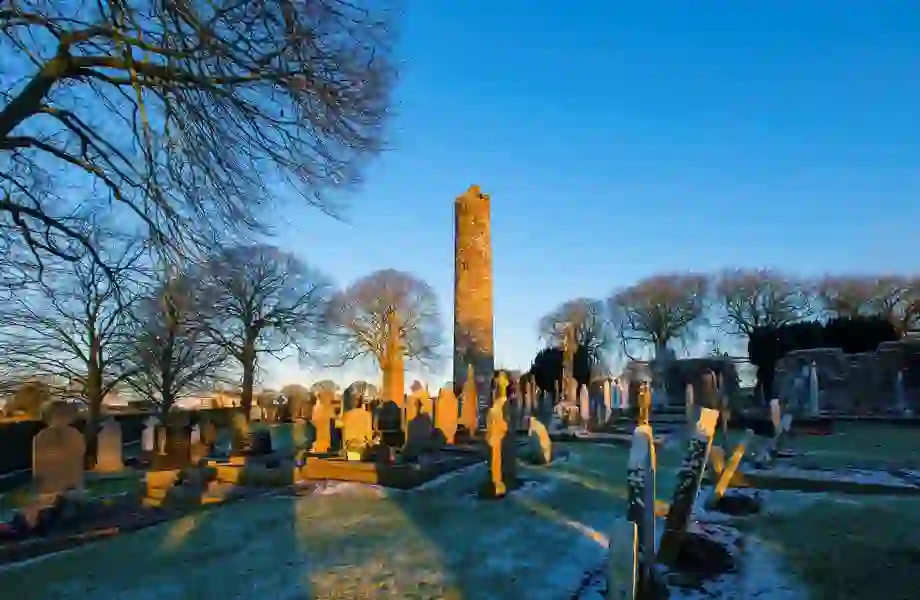
Begin your exploration at the Visitor Centre, where you can learn all about the history of this site and the monks who lived here. Next, explore the haunting monastic ruins, where the tall round tower rises against the valley backdrop. Once used as a bell tower and refuge for monks escaping attack, it is now a silent landmark of Early Christian devotion. Nearby are small churches, ancient gates and quiet graveyards — the foundations of a community shaped by prayer, study and the rugged landscape around it.
One of the best-known buildings is St Kevin’s Church, a compact stone structure with a distinctive belfry, long associated with the monastery’s founder. Higher up the valley lies a cave known as St Kevin’s Bed, traditionally said to be the place where St Kevin lived in solitude above the lake. These remarkable structures reflect Glendalough’s role as one of the most famous religious centres in Europe. Walking among the stones and grassy paths, you can imagine the rhythm of life that shaped this remarkable valley during Ireland’s Early Christian past.
Visits to Glendalough are self-guided, although tours of the monastic site can be arranged by phoning the Visitor Centre in advance.
Walking the wildsGlendalough is part of the Wicklow Mountains National Park and is one of the most popular walking destinations on the east coast of Ireland, with nine walking trails ranging from short strolls to longer hikes. One of the most pleasant walks is the Poulanass Waterfall Trail, which involves a short but steep climb beside the romantic Poulanass Waterfall.
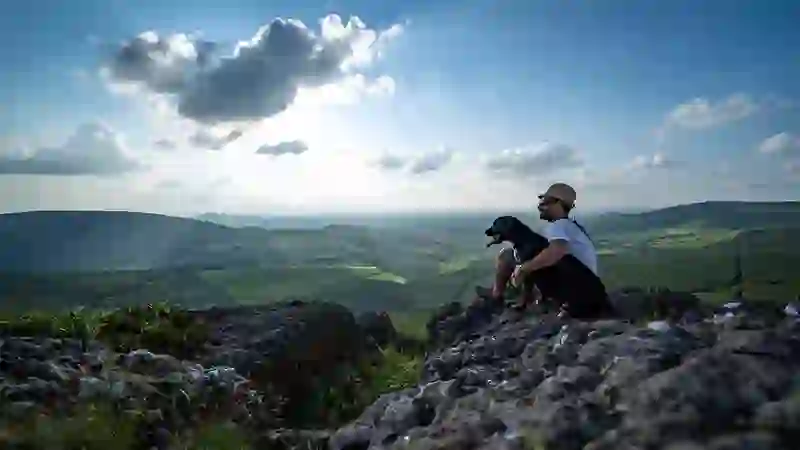
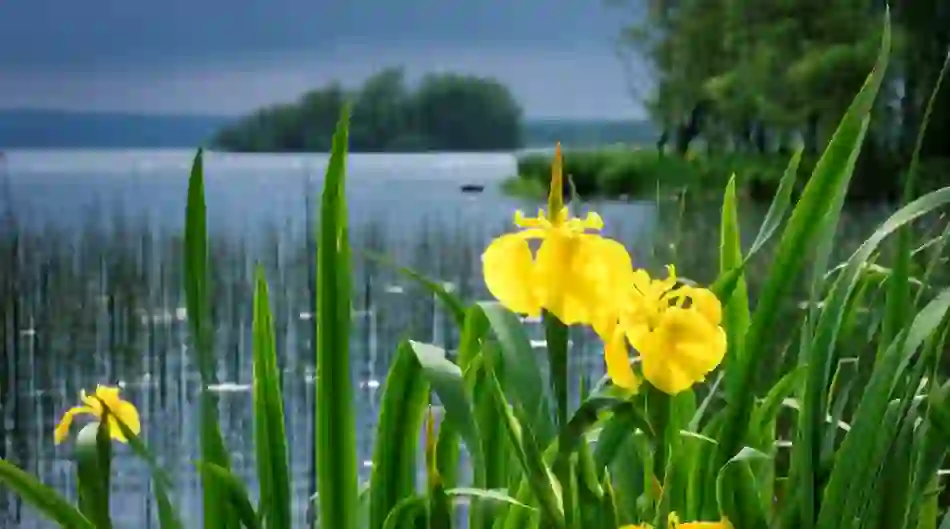
Those after a more invigorating hike should try the Spinc and Glenealo route, a distance of 9.5km. Starting at the Poulanass Waterfall, the trail leads you high into the valley, rewarding walkers with spectacular views of the Upper Lake. Along the way, there’s every chance of spotting deer, goats and plenty of birdlife. If you don’t have time to do a longer walk, this is still an incredible site to visit with two tranquil lakes offering beautifully poetic views.
There is no charge to visit the monastic site at Glendalough, but there are charges for the car park at the Glendalough Visitor Centre, so bear that in mind when planning a visit.
Explore more great walks on the island of Ireland
Food and drink at GlendaloughAt the Upper Lake car park, you'll find a small coffee hut serving hot drinks, pastries, and sweet treats—perfect for a quick refreshment before or after your walk. Closer to the Glendalough Visitor Centre, the Glendalough Hotel is home to both Casey's Bar & Bistro and The Barn Café & Grill, making it a popular choice for a meal after your visit.
In the nearby village of Laragh, the award-winning Wicklow Heather Restaurant serves everything from breakfast to Sunday lunch, with a strong focus on local, seasonal ingredients. Also in Laragh, the Glendalough Green Café is a charming stop for coffee, light bites, and homemade bakes, with a cosy rustic interior and a warm welcome.
A little further on, the village of Roundwood is an excellent option for lunch or dinner. Here, the critically acclaimed Coach House showcases the finest Irish ingredients in elegant, atmospheric surroundings. Recognised in the 2026 Michelin Guide, it's an outstanding choice for a relaxed and memorable meal.


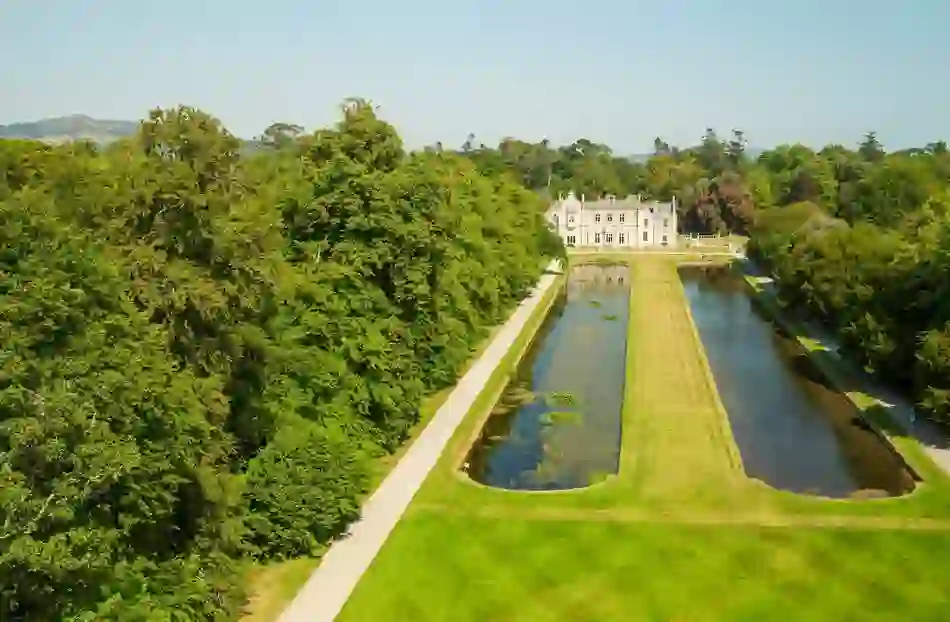
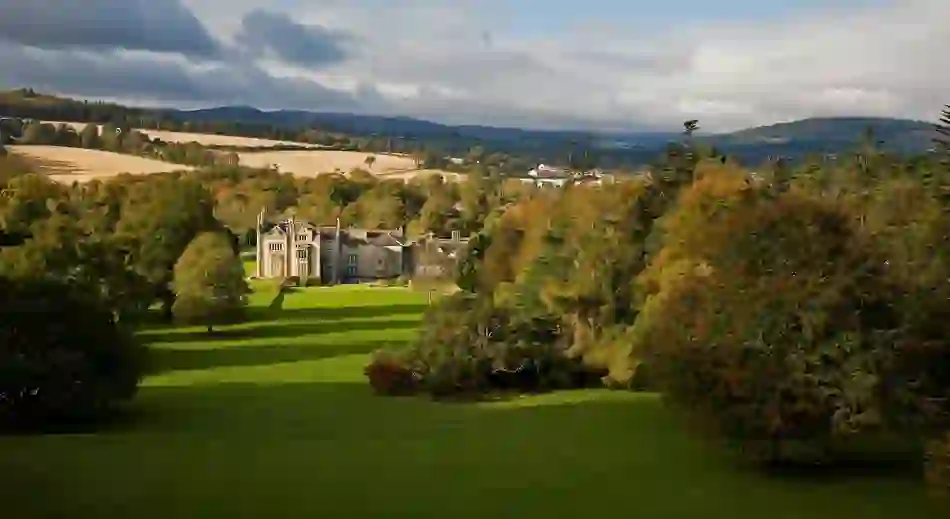
Powerscourt Estate, County Wicklow
© Chris Hill
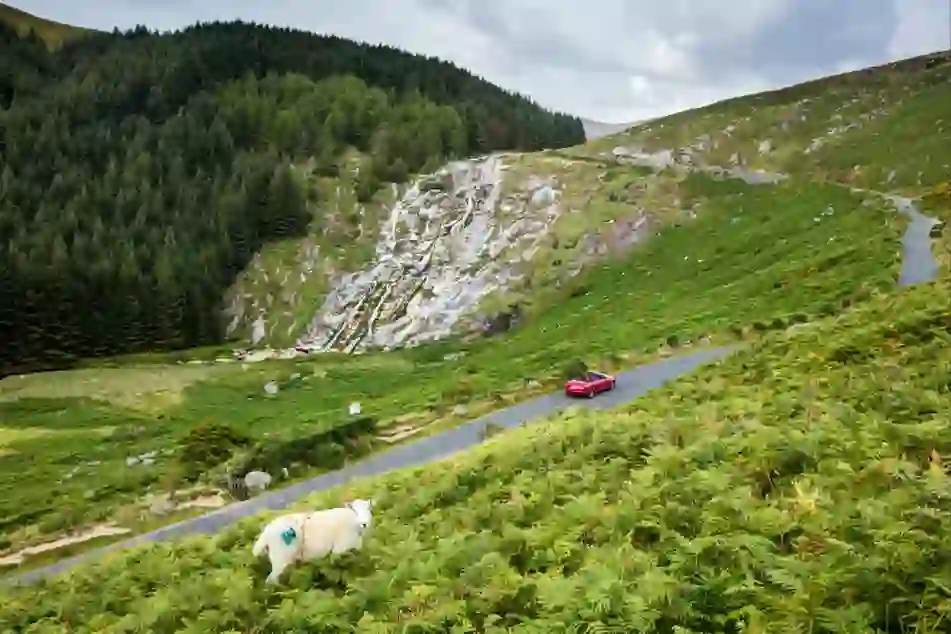
Beyond Glendalough, the wider county of Wicklow unfolds with diverse landscapes and visitor experiences. The Wicklow Mountains National Park offers miles of trails through forests and along ridges, with views across peaks, valleys and shimmering lakes, including Lough Tay, a dramatic mountain lake framed by steep slopes and a striking viewpoint.
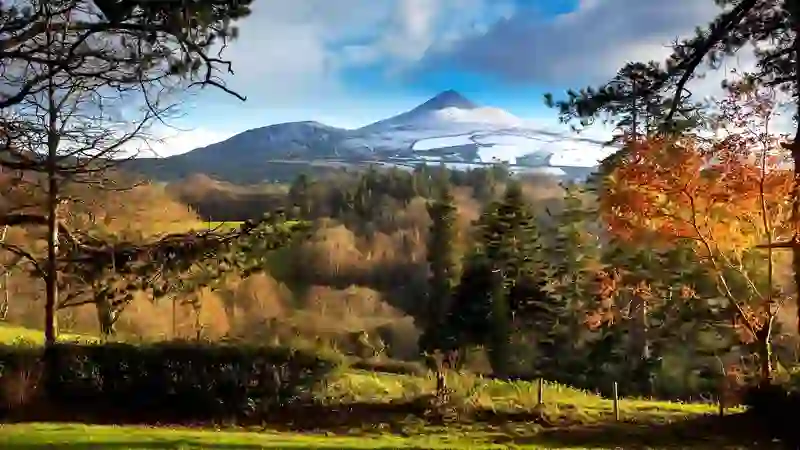
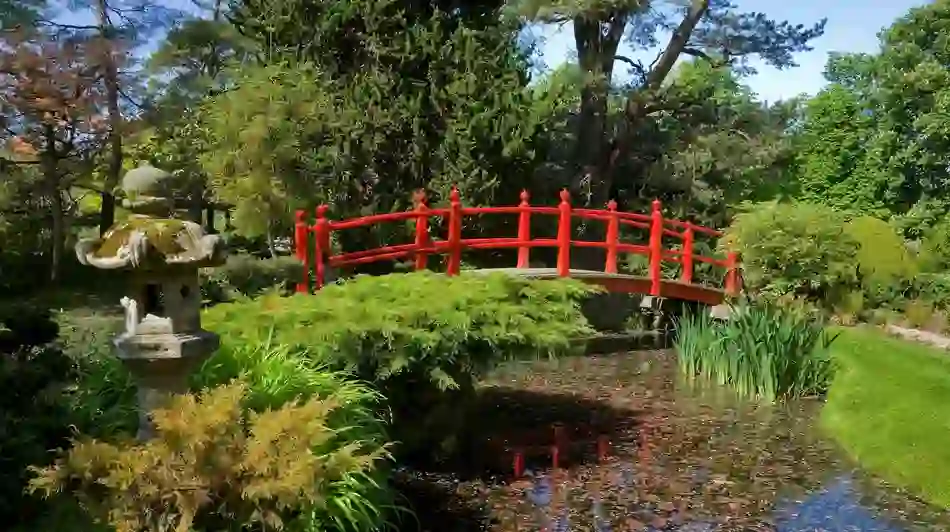
Known as the “Garden of Ireland”, County Wicklow certainly lives up to its name with a collection of magnificent gardens ranging from the small and intimate to the splendour of vast estates. The beauty of Powerscourt Estate, House and Gardens has made it world-renowned with an 18th-century Palladian manor that overlooks sculpted 19th-century terraces, lake and gardens – all overlooked by the grey-blue Great Sugarloaf Mountain.
Cinematic beauty and tree-top delightsThe 17th-century gardens at Killruddery are structured around a geometric parterre boasting beautiful water features and statues and extend into flowering woodland and grasslands. If you feel like you’re in a film, that’s probably because several film and TV series have been shot here including The Tudors, Excalibur and Far and Away.
Avondale House was built in 1777 and was the birthplace of the one of Ireland’s most famous politicians, Charles Stewart Parnell. Today, you can explore the tracks and trails that run through the grounds of this magnificent estate, as well as enjoy spectacular views of the forest at the Beyond the Trees experience – a treetop walkway and viewing tower.
Along the coast, seaside spots such as Bray and Brittas Bay offer fresh sea air and coastal views, while Mount Usher Gardens deliver a cultivated oasis of trees, riverside walks and seasonal colour.
Discover Glendalough and the “Garden of Ireland” for yourself, and experience the spectacular landscapes, historic sites and rich heritage that make Ireland’s Ancient East so special.