











Go to My Ireland
logo-mini

Êtes-vous sûr(e) de vouloir quitter le fil ?

Quitter

Oups… une erreur s'est produite !

Mon Irlande

Vous cherchez des idées ? Vous prévoyez un voyage ? Ou vous voulez juste vous faire plaisir ? Nous allons vous faire découvrir une Irlande qui vous est tout particulièrement destinée.

  • #Paysages
  • #CultureEtPatrimoine
  • #ActivitésDePleinAir
  • #SitesEmblématiques
MyICallOut_FindTheThings_FR_Desk_Above-Left MyICallOut_FindTheThings_FR_Desk_Above-Left

Oups… pas de connexion Internet

Si vous n'êtes pas connecté(e), vous pouvez toujours ajouter des éléments à Mon tableau. Les nouvelles recommandations en matière de voyage n'apparaîtront que lorsque vous serez de nouveau en ligne.

    Découvrez ce que l'Irlande vous réserve

    Oups… pas de connexion Internet

    Si vous n'êtes pas connecté(e), vous pouvez toujours ajouter des éléments à Mon tableau. Les nouvelles recommandations en matière de voyage n'apparaîtront que lorsque vous serez de nouveau en ligne.

    Mon tableau

    Les éléments sans emplacement physique ne s'affichent pas en mode cartographique.

    Votre tableau semble vide

    Trouvez l'icône en forme de petit cœur à côté d'Ireland.com. Il vous suffit d'appuyer sur le cœur pour ajouter des éléments à votre tableau !

    Emptyboard Emptyboard

    Paramètres du tableau

    Image de couverture de la galerie

    Visible par les personnes avec lesquelles vous partagez votre tableau

    Aucune image

    4281269753d44064af485ff31a51d5a3 4281269753d44064af485ff31a51d5a3
    board-settings-sample-image-1 board-settings-sample-image-1
    board-settings-sample-image-2 board-settings-sample-image-2
    board-settings-sample-image-3 board-settings-sample-image-3
    board-settings-sample-image-4 board-settings-sample-image-4
    board-settings-sample-image-5 board-settings-sample-image-5
    board-settings-sample-image-6 board-settings-sample-image-6
    board-settings-sample-image-7 board-settings-sample-image-7
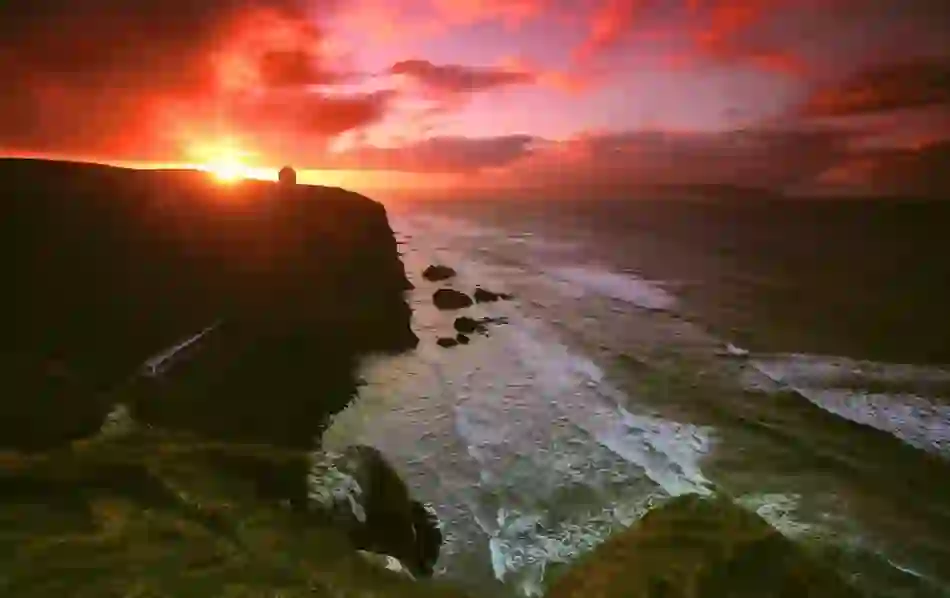
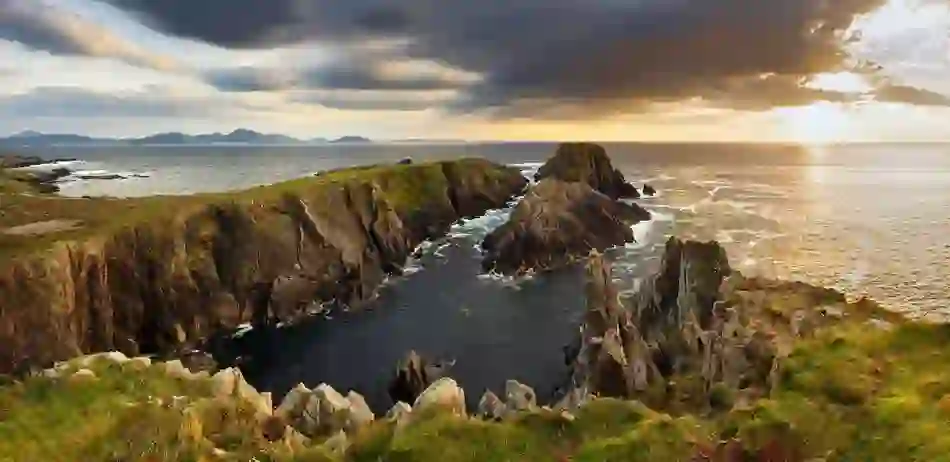
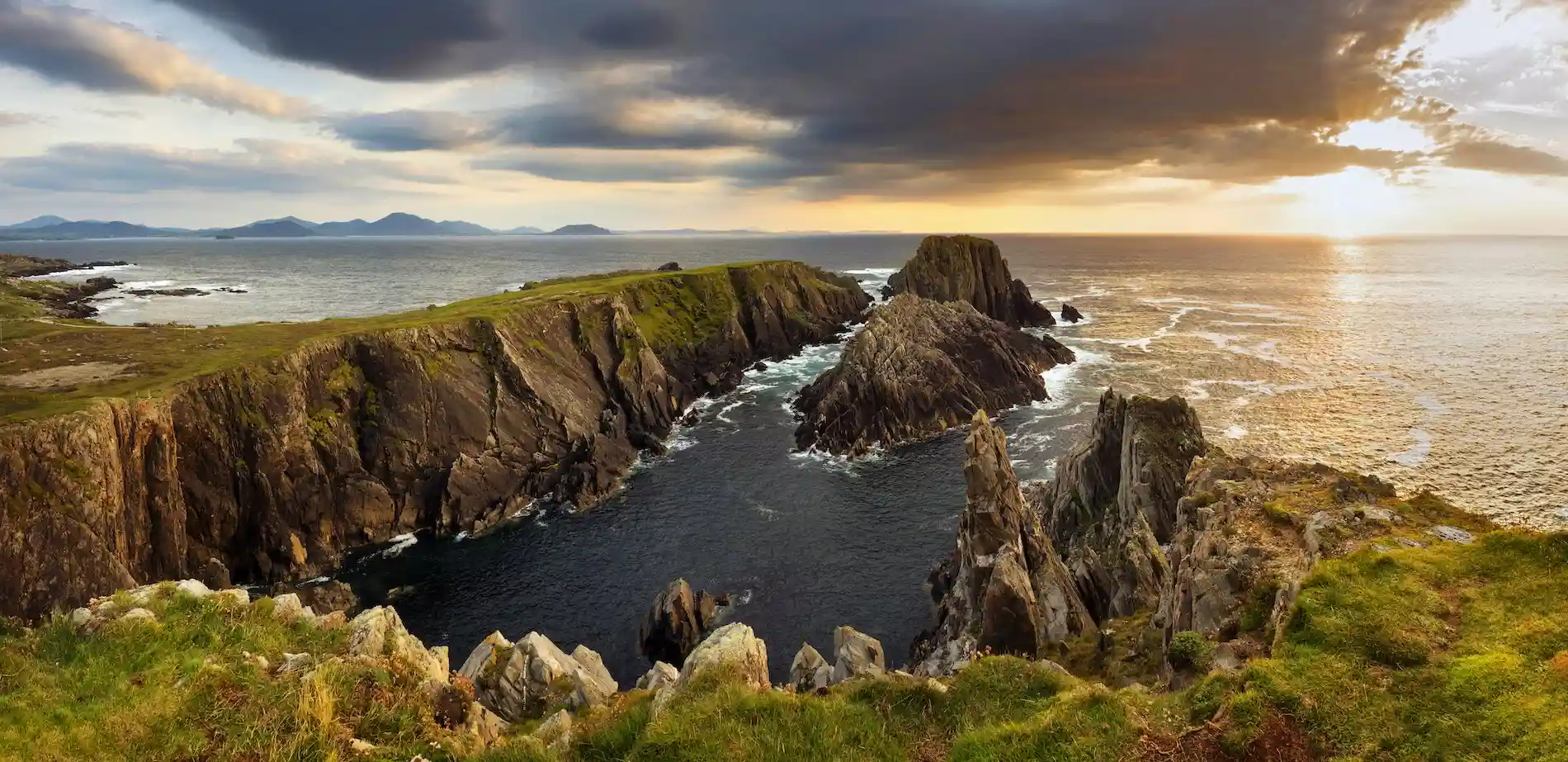
    Dramatic rocky cliffs and headlands on the Dingle Peninsula, featured in Star Wars: The Last Jedi filming. Dramatic rocky cliffs and headlands on the Dingle Peninsula, featured in Star Wars: The Last Jedi filming.

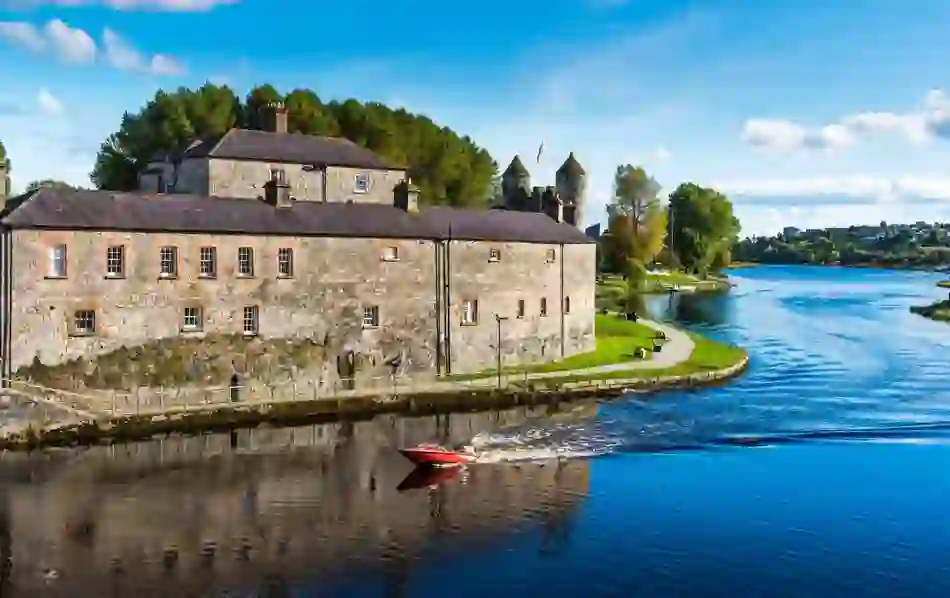
    With charming riverside towns and villages, tranquil forests and sparkling waterways, Ireland’s Hidden Heartlands is slow-travel perfection.

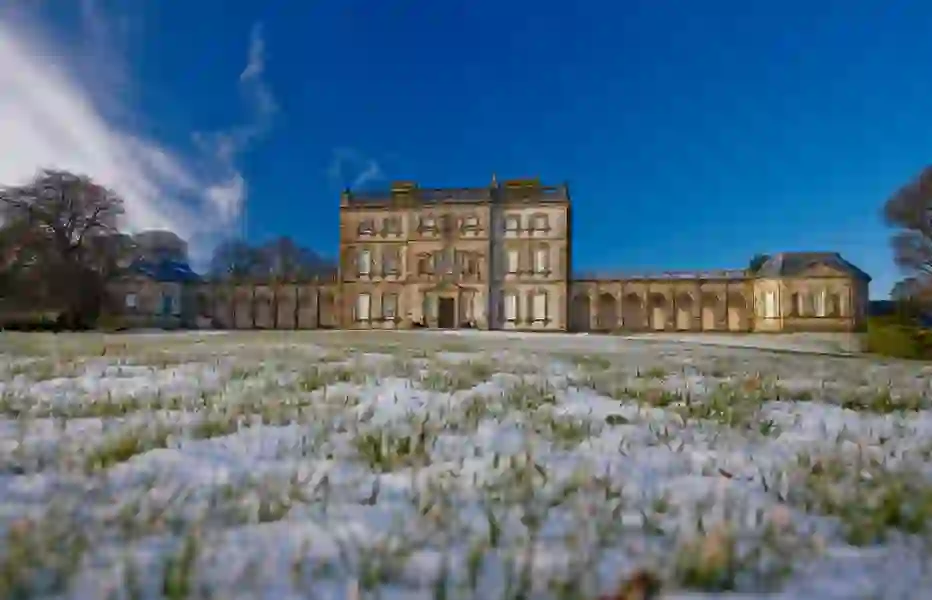
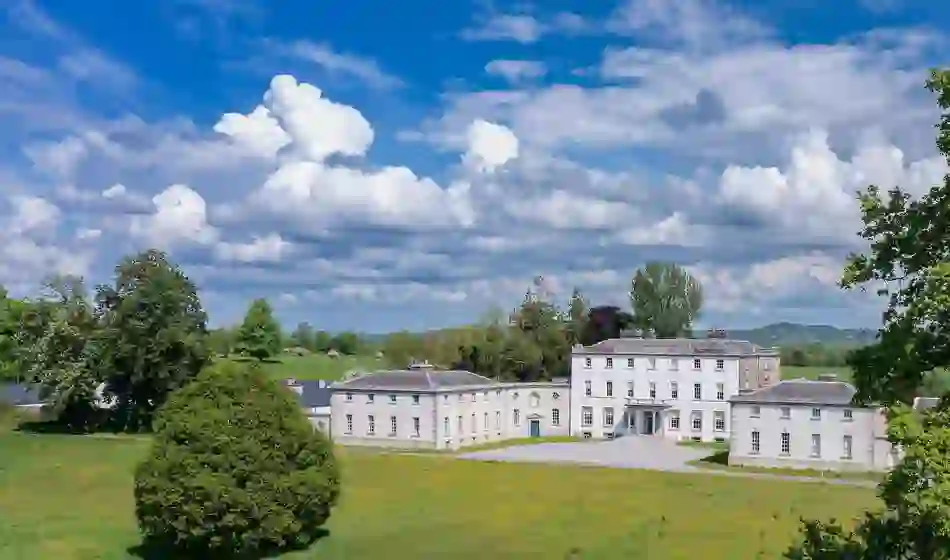
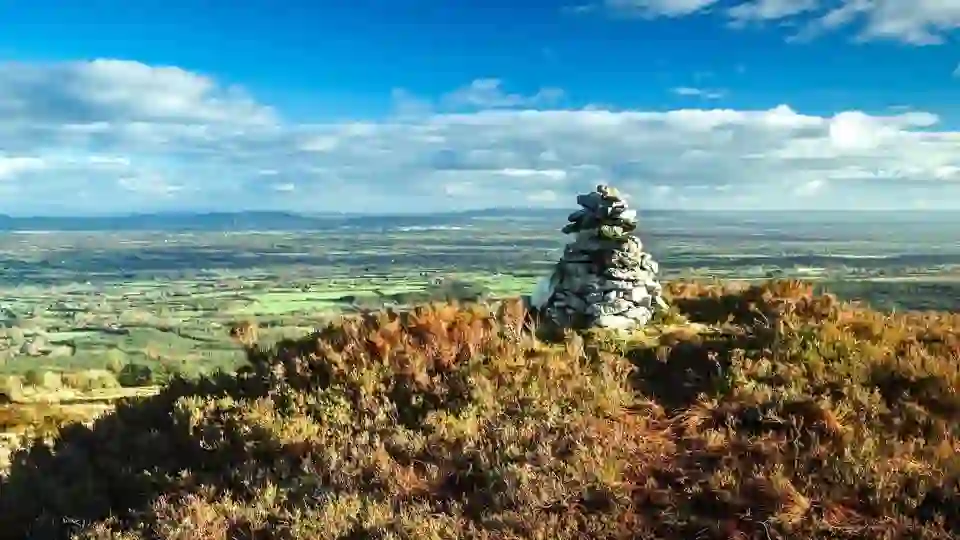
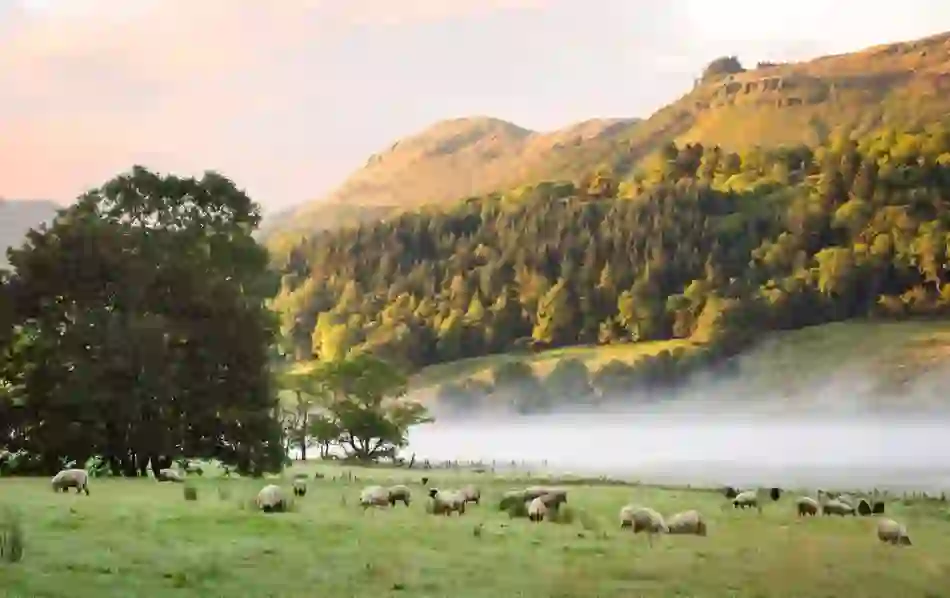
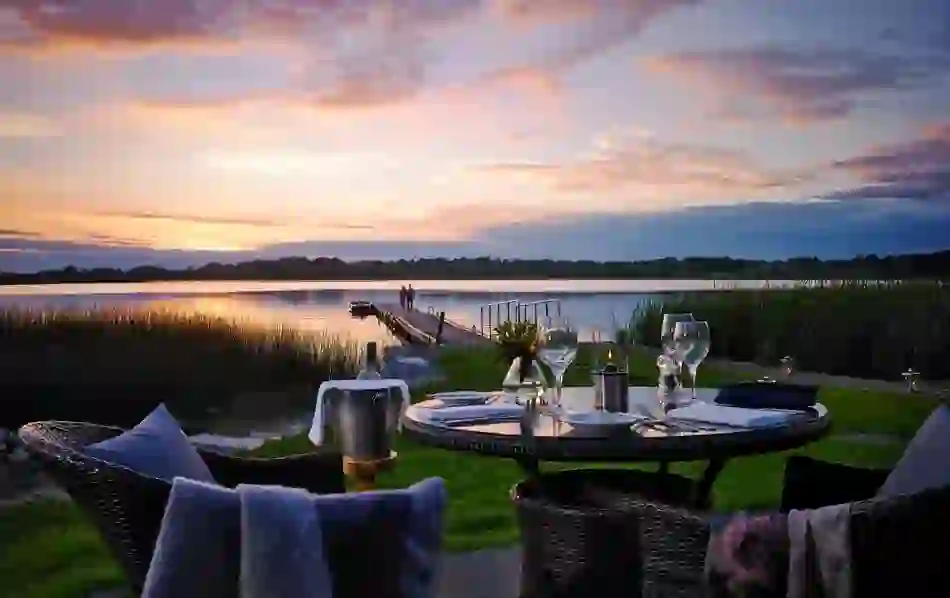
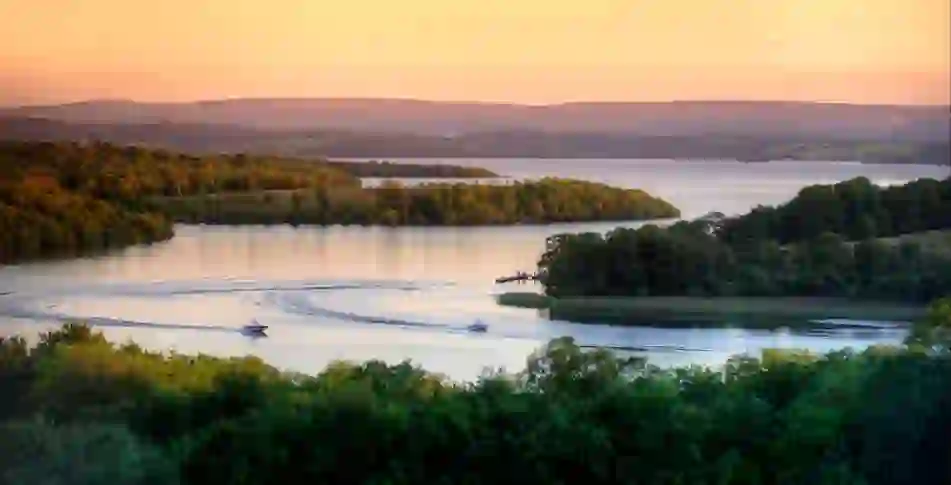
    Quiet canals, walking trails that weave through peaty bogland, the flash of a kingfisher darting from a riverbank – this is Ireland’s Hidden Heartlands. Spanning 12 counties in the centre of the island, from County Fermanagh in the north to County Cork in the south, this destination is defined by its deep connection to both water and land, and celebrated for its pure beauty. A trip here is an invitation to slow down and reconnect with nature through under-the-radar experiences that feel like discovering the real heart of Ireland.
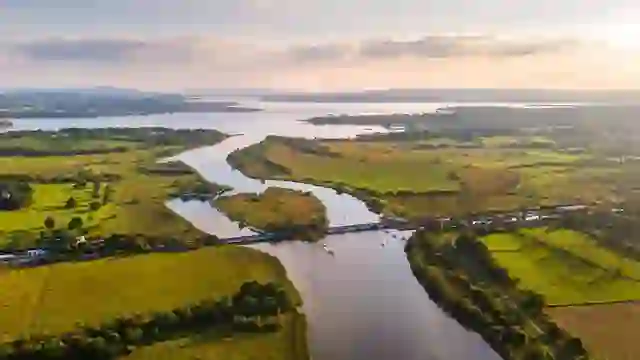
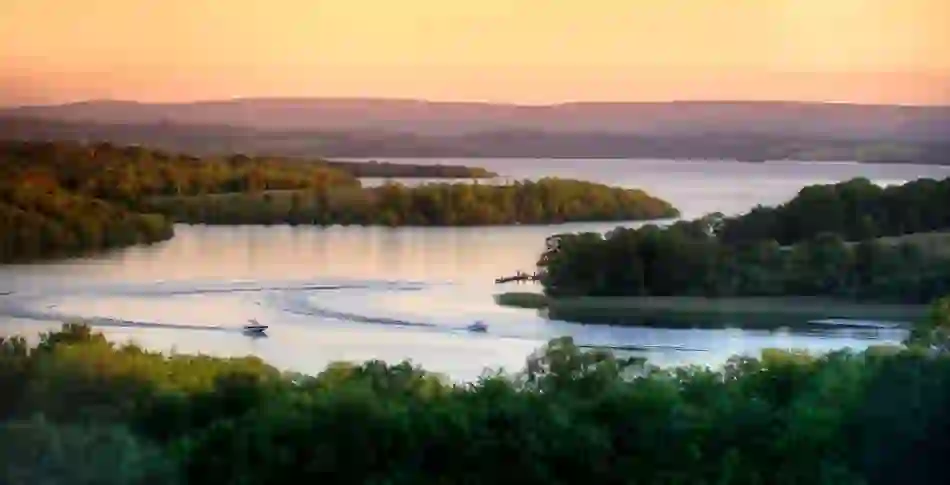
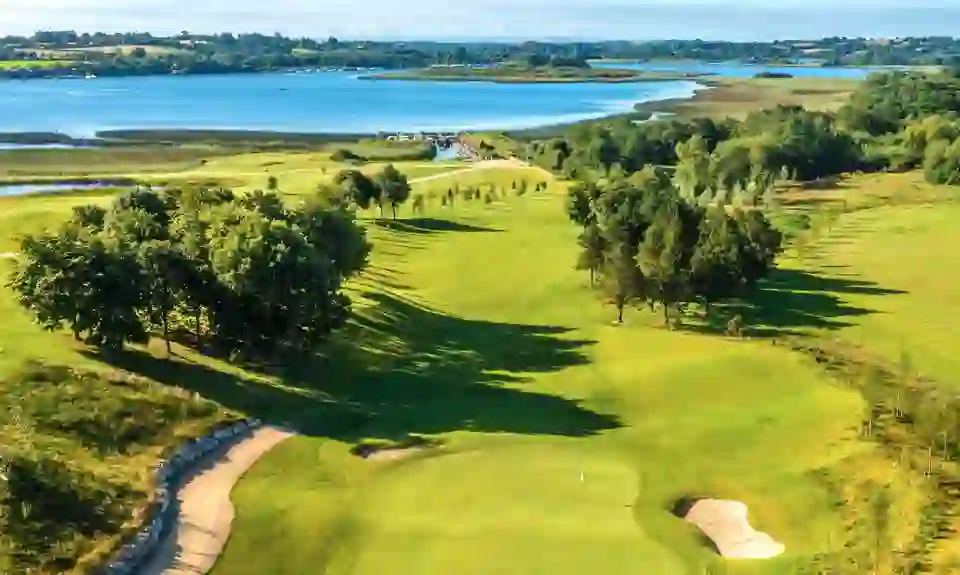
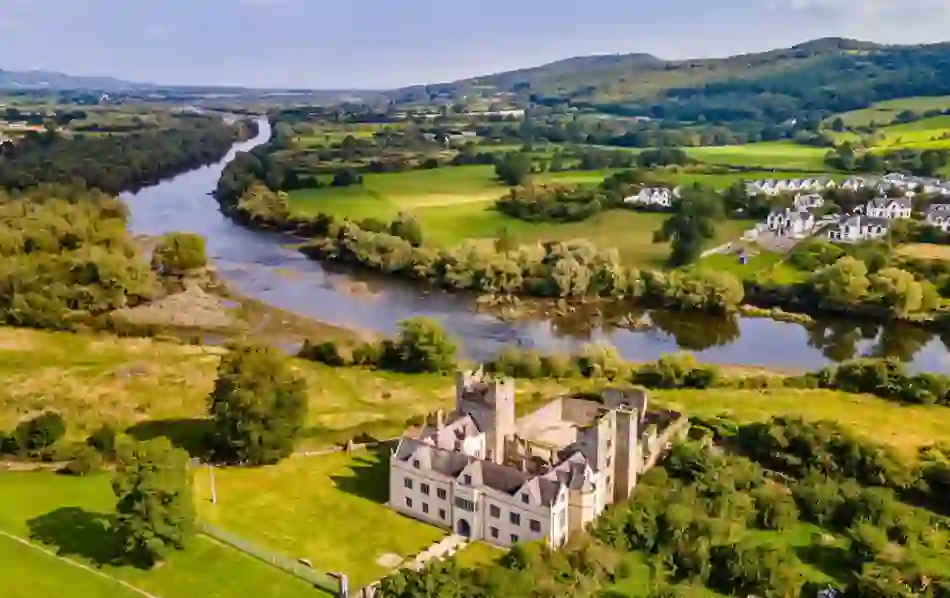
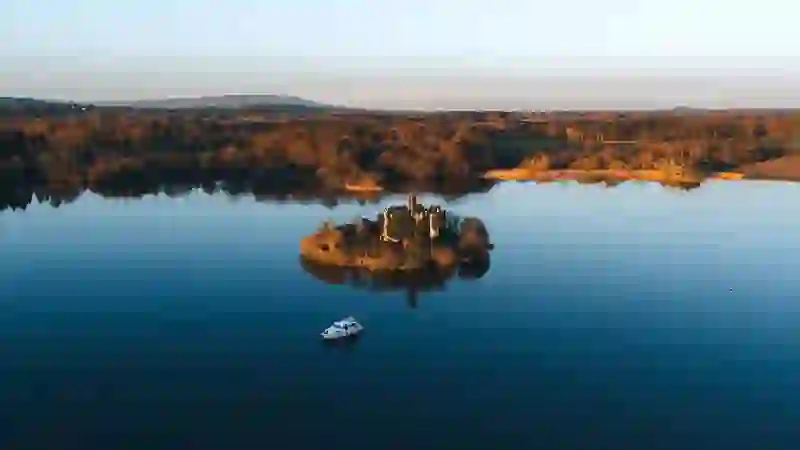
    Aerial view of Lough Derg winding through green countryside in Ireland’s Hidden Heartlands. Aerial view of Lough Derg winding through green countryside in Ireland’s Hidden Heartlands.

    Lough Derg, County Tipperary

    Courtesy Discover Lough Derg

    Shaped by the River Shannon

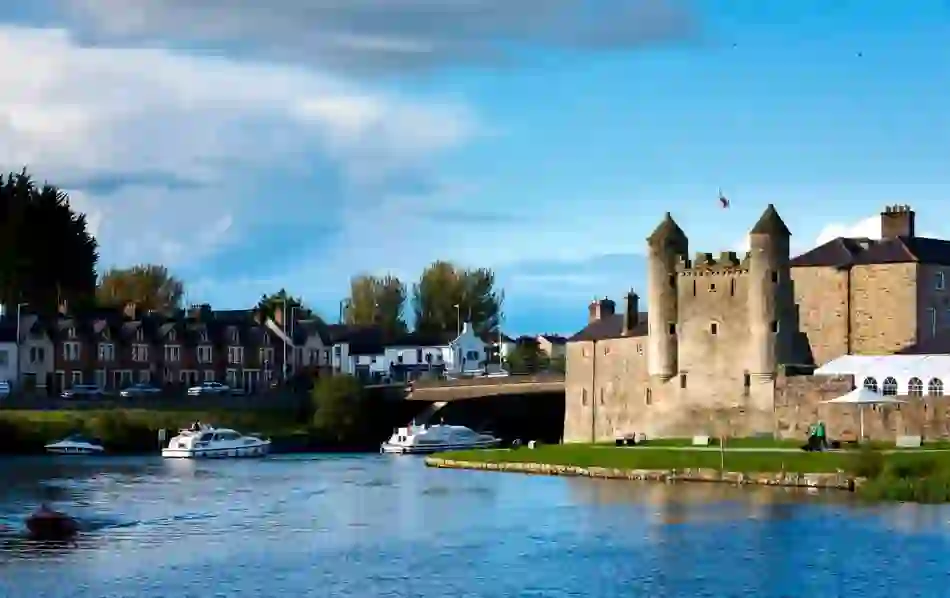
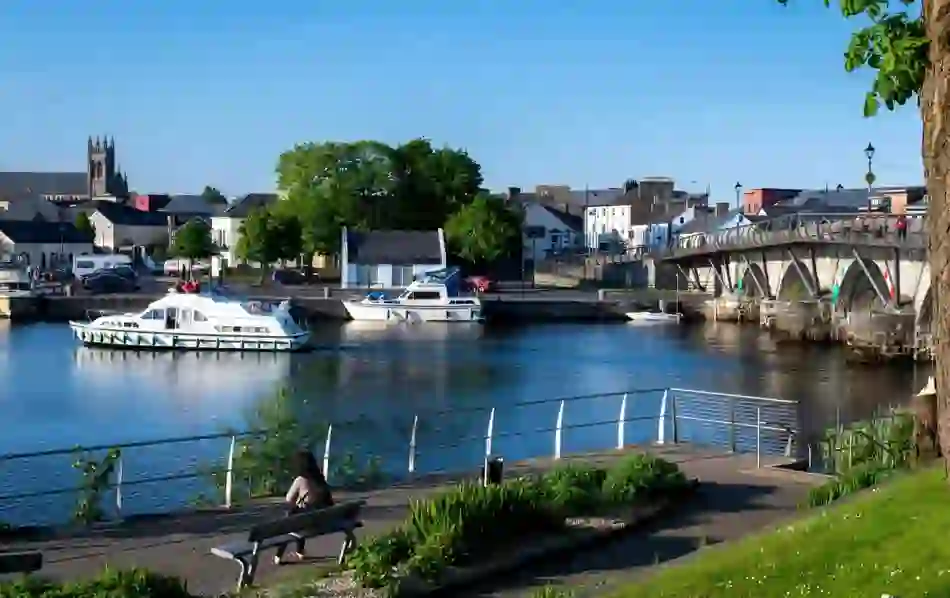
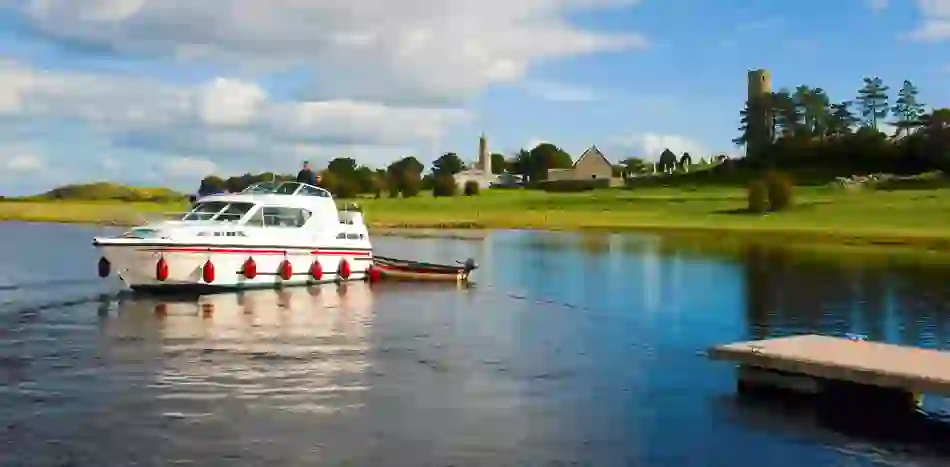
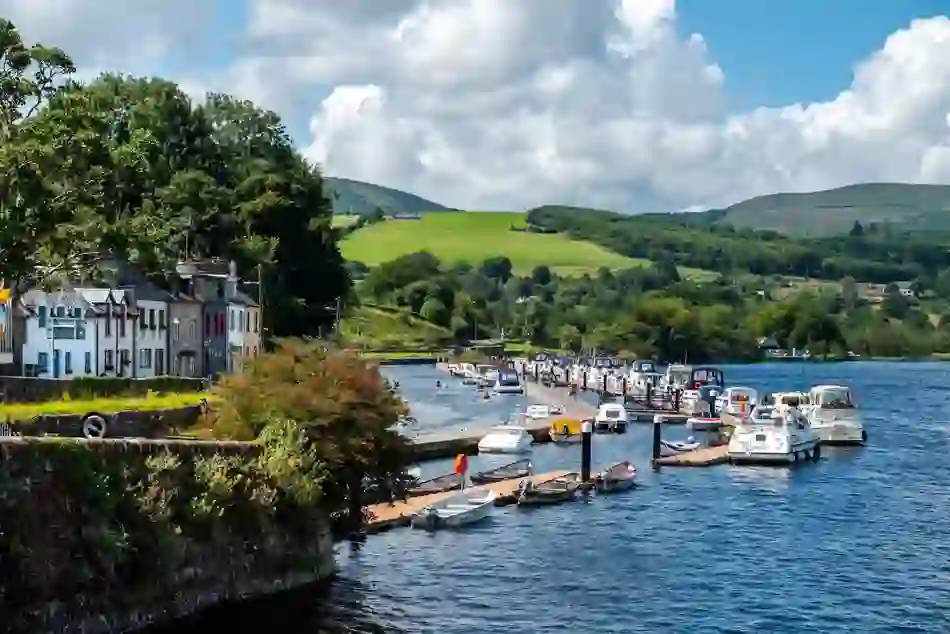
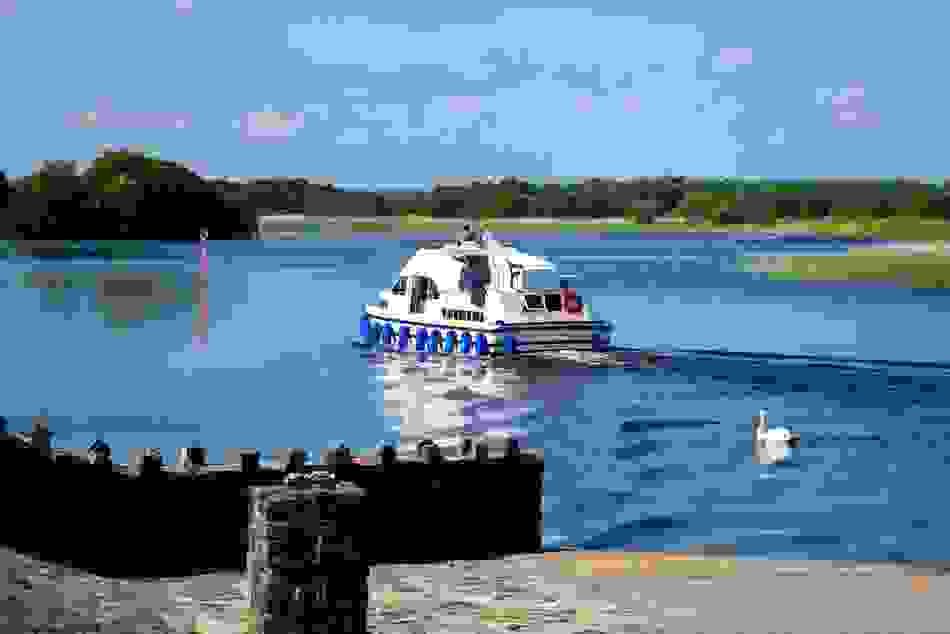
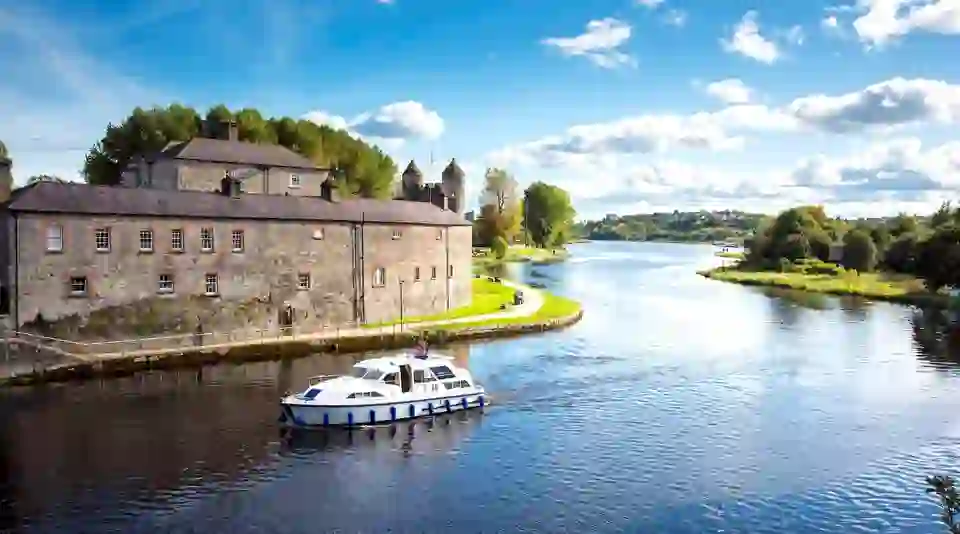
    Dreamy days can be spent journeying along Ireland’s longest waterway, the River Shannon, and discovering the charm of riverside towns and villages from Leitrim to Longford.

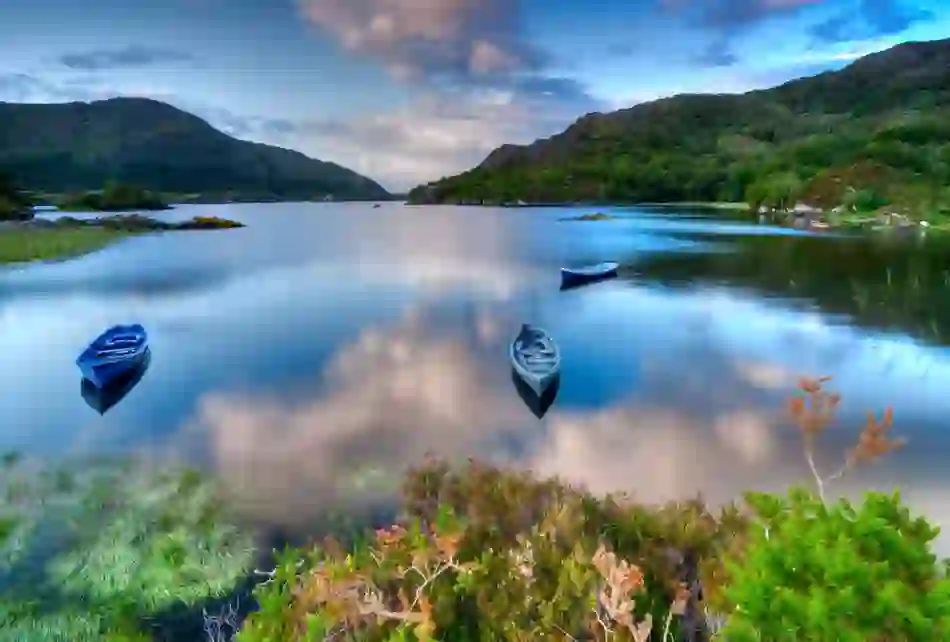
    In Roscommon – a county rich with lakes, castles, and compelling legends – Lough Key Forest Park promises paddles along glass-blue waters and walks along lush woodland trails.

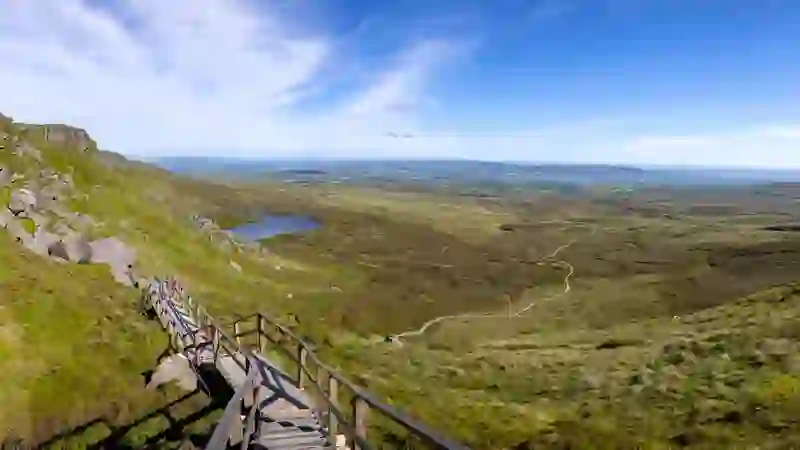
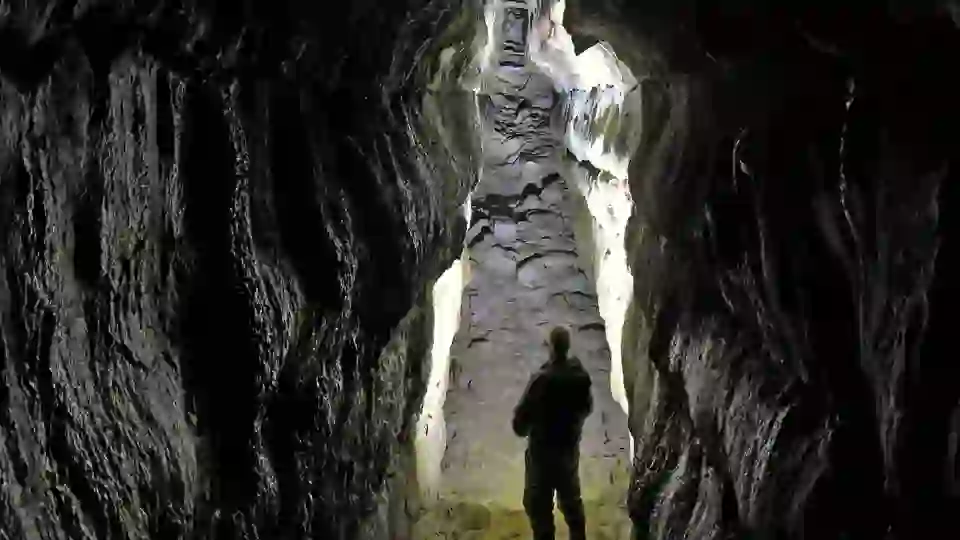
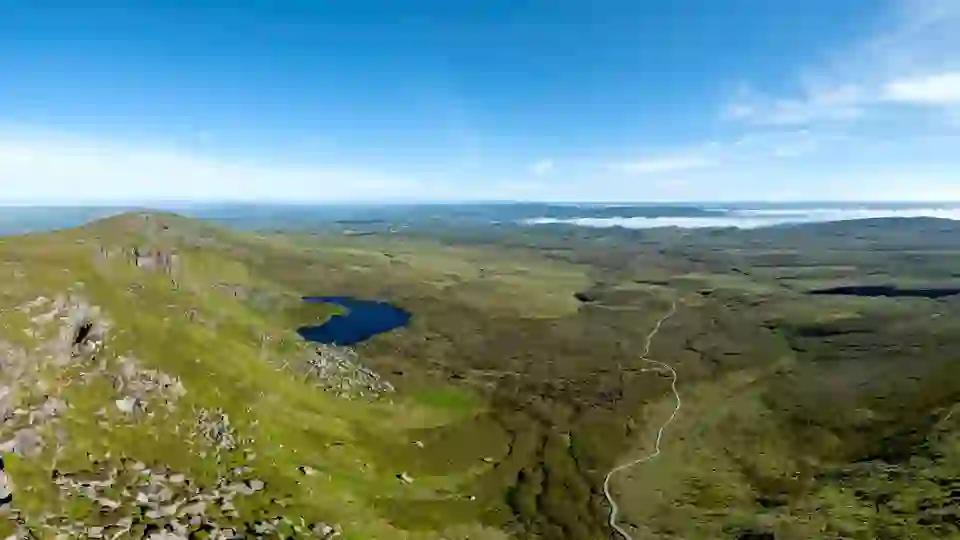
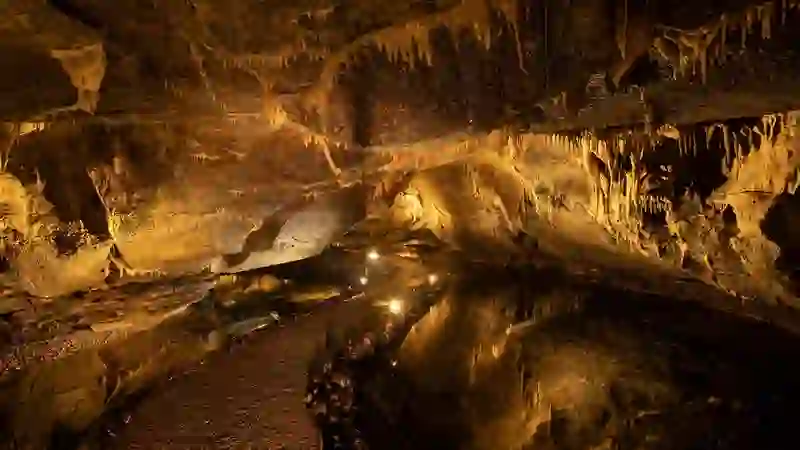
    Meanwhile in County Fermanagh, visitors can descend deep underground into the extraordinary Marble Arch Caves, or climb Cuilcagh Mountain along the Cuilcagh Boardwalk Trail, better known as the “Stairway to Heaven”.
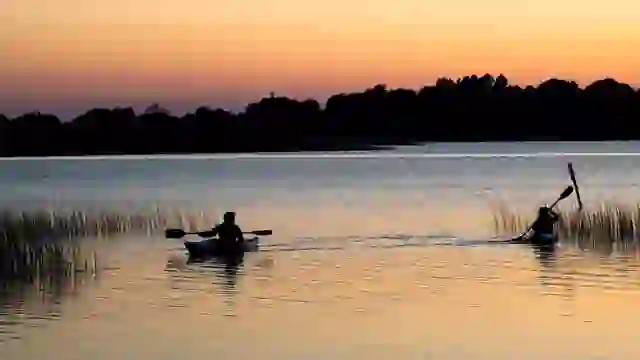
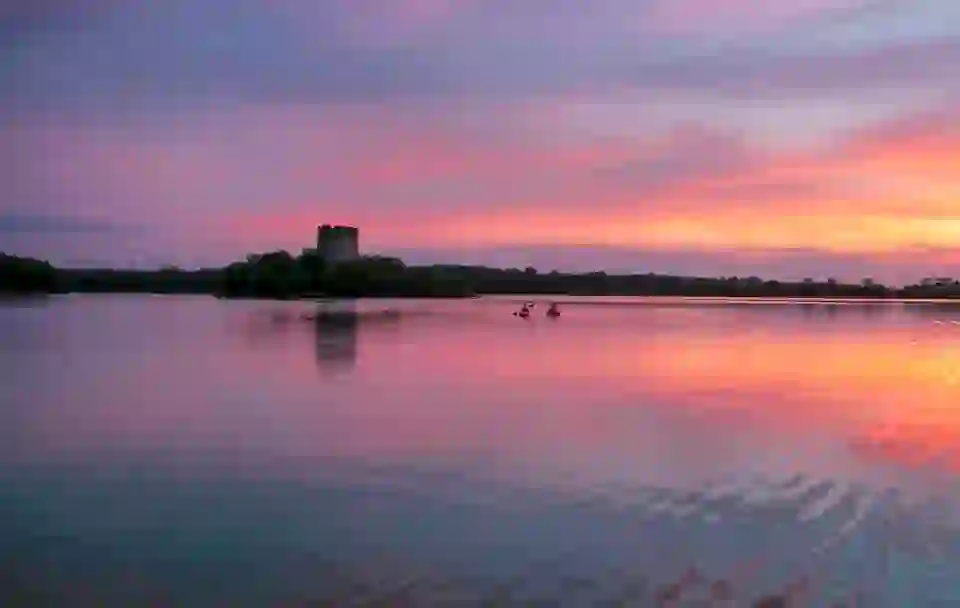
    Kayakers paddling across a calm lake at sunset near Glasson, County Westmeath. Kayakers paddling across a calm lake at sunset near Glasson, County Westmeath.

    Kayaking in County Westmeath

    Courtesy Chris Hill

    Adventures on the waterways

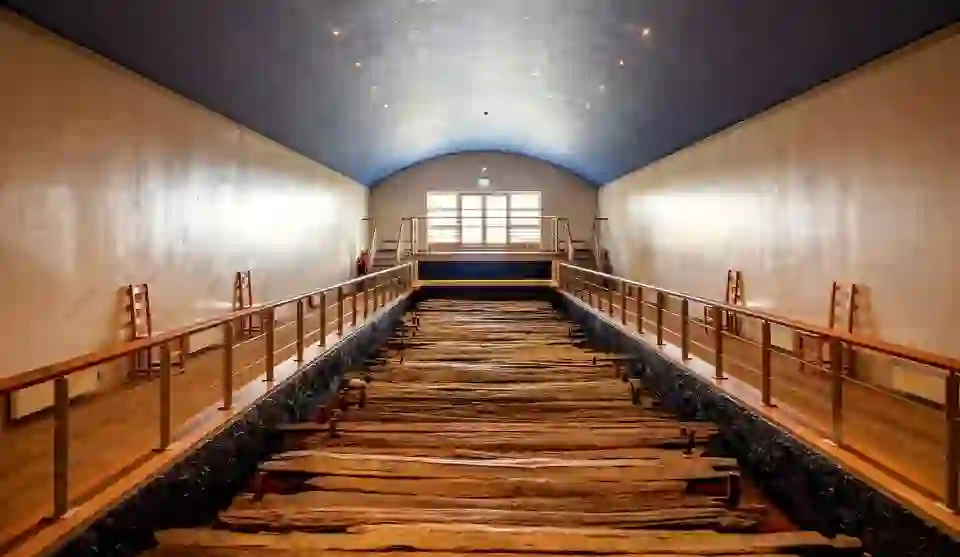
    In County Longford, where quiet waterways meet ancient bogland, you’ll find medieval monasteries, literary festivals and the Corlea Trackway, a remarkable Iron Age bog road that dates back to 148BC.

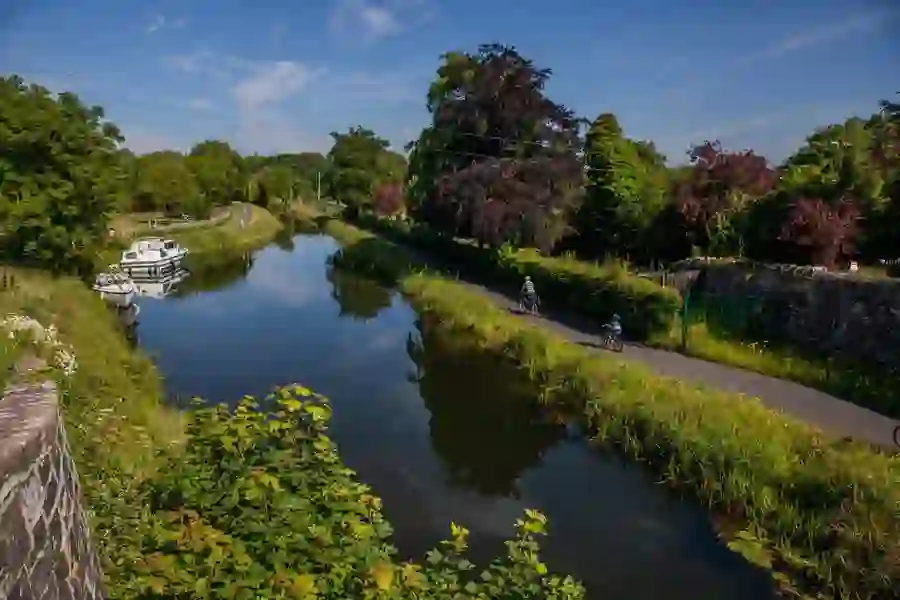
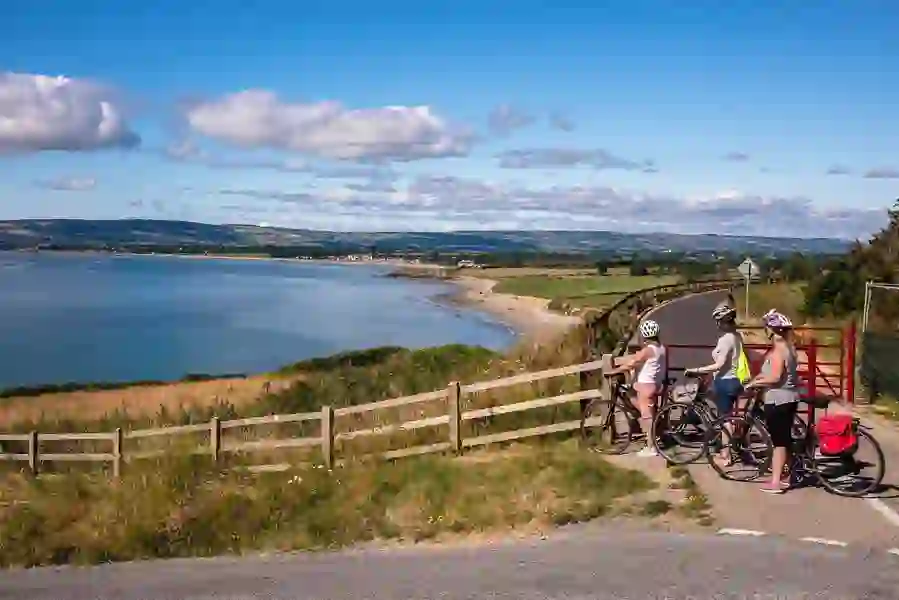
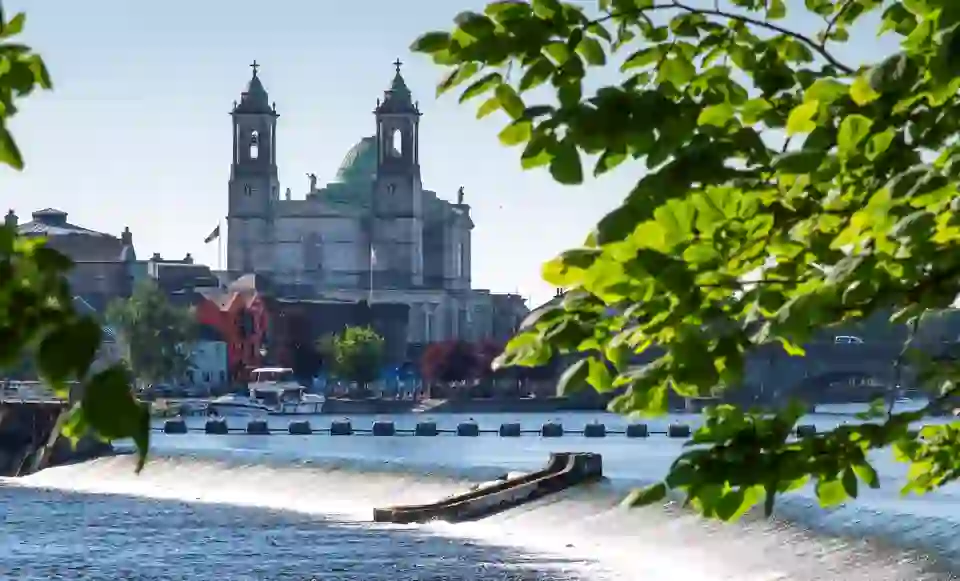
    Explore the calm rivers, loughs and canals in County Cavan, where walking, paddling and cycling routes hug the water; stroll centuries-old canal paths once used for horses drawing barges in County Offaly; and relax beside a crackling fire in cosy pubs such as Sean’s Bar in Athlone, County Westmeath, which has been going since 900 AD.

    In Ireland’s Hidden Heartlands, it pays to take it slow, so start planning your escape now.
    Read more

    Quiet canals, walking trails that weave through peaty bogland, the flash of a kingfisher darting from a riverbank – this is Ireland’s Hidden Heartlands. Spanning 12 counties in the centre of the island, from County Fermanagh in the north to County Cork in the south, this destination is defined by its deep connection to both water and land, and celebrated for its pure beauty. A trip here is an invitation to slow down and reconnect with nature through under-the-radar experiences that feel like discovering the real heart of Ireland.

    Aerial view of Lough Derg winding through green countryside in Ireland’s Hidden Heartlands. Aerial view of Lough Derg winding through green countryside in Ireland’s Hidden Heartlands.

    Lough Derg, County Tipperary

    Courtesy Discover Lough Derg

    Shaped by the River Shannon

    Dreamy days can be spent journeying along Ireland’s longest waterway, the River Shannon, and discovering the charm of riverside towns and villages from Leitrim to Longford.

    In Roscommon – a county rich with lakes, castles, and compelling legends – Lough Key Forest Park promises paddles along glass-blue waters and walks along lush woodland trails.

    Meanwhile in County Fermanagh, visitors can descend deep underground into the extraordinary Marble Arch Caves, or climb Cuilcagh Mountain along the Cuilcagh Boardwalk Trail, better known as the “Stairway to Heaven”.

    Kayakers paddling across a calm lake at sunset near Glasson, County Westmeath. Kayakers paddling across a calm lake at sunset near Glasson, County Westmeath.

    Kayaking in County Westmeath

    Courtesy Chris Hill

    Adventures on the waterways

    In County Longford, where quiet waterways meet ancient bogland, you’ll find medieval monasteries, literary festivals and the Corlea Trackway, a remarkable Iron Age bog road that dates back to 148BC.

    Explore the calm rivers, loughs and canals in County Cavan, where walking, paddling and cycling routes hug the water; stroll centuries-old canal paths once used for horses drawing barges in County Offaly; and relax beside a crackling fire in cosy pubs such as Sean’s Bar in Athlone, County Westmeath, which has been going since 900 AD.

    In Ireland’s Hidden Heartlands, it pays to take it slow, so start planning your escape now.

    Read more

    With charming riverside towns and villages, tranquil forests and sparkling waterways, Ireland’s Hidden Heartlands is slow-travel perfection.

    Quiet canals, walking trails that weave through peaty bogland, the flash of a kingfisher darting from a riverbank – this is Ireland’s Hidden Heartlands. Spanning 12 counties in the centre of the island, from County Fermanagh in the north to County Cork in the south, this destination is defined by its deep connection to both water and land, and celebrated for its pure beauty. A trip here is an invitation to slow down and reconnect with nature through under-the-radar experiences that feel like discovering the real heart of Ireland.

    Aerial view of Lough Derg winding through green countryside in Ireland’s Hidden Heartlands. Aerial view of Lough Derg winding through green countryside in Ireland’s Hidden Heartlands.

    Lough Derg, County Tipperary

    Courtesy Discover Lough Derg

    Shaped by the River Shannon

    Dreamy days can be spent journeying along Ireland’s longest waterway, the River Shannon, and discovering the charm of riverside towns and villages from Leitrim to Longford.

    In Roscommon – a county rich with lakes, castles, and compelling legends – Lough Key Forest Park promises paddles along glass-blue waters and walks along lush woodland trails.

    Meanwhile in County Fermanagh, visitors can descend deep underground into the extraordinary Marble Arch Caves, or climb Cuilcagh Mountain along the Cuilcagh Boardwalk Trail, better known as the “Stairway to Heaven”.

    Kayakers paddling across a calm lake at sunset near Glasson, County Westmeath. Kayakers paddling across a calm lake at sunset near Glasson, County Westmeath.

    Kayaking in County Westmeath

    Courtesy Chris Hill

    Adventures on the waterways

    In County Longford, where quiet waterways meet ancient bogland, you’ll find medieval monasteries, literary festivals and the Corlea Trackway, a remarkable Iron Age bog road that dates back to 148BC.

    Explore the calm rivers, loughs and canals in County Cavan, where walking, paddling and cycling routes hug the water; stroll centuries-old canal paths once used for horses drawing barges in County Offaly; and relax beside a crackling fire in cosy pubs such as Sean’s Bar in Athlone, County Westmeath, which has been going since 900 AD.

    In Ireland’s Hidden Heartlands, it pays to take it slow, so start planning your escape now.
    Read more
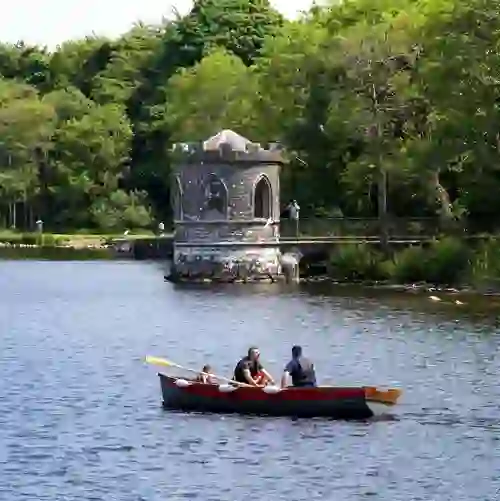
    A family rows a boat past a stone folly tower on Lough Key, surrounded by lush green woodland in County Roscommon. A family rows a boat past a stone folly tower on Lough Key, surrounded by lush green woodland in County Roscommon.
    Even in Ireland, you’ll rarely experience a serenity like this. Thomas Breathnach, travel writer
    Ireland’s Hidden Heartlands FAQs
    What counties are in Ireland's Hidden Heartlands?

    Ireland’s Hidden Heartlands spans 12 counties, each of which offers something different, from the lakeland beauty of Counties Fermanagh and Cavan, to the charm of Longford and the historic sights of County Offaly. These counties include:

    What makes Ireland's Hidden Heartlands a unique travel destination?

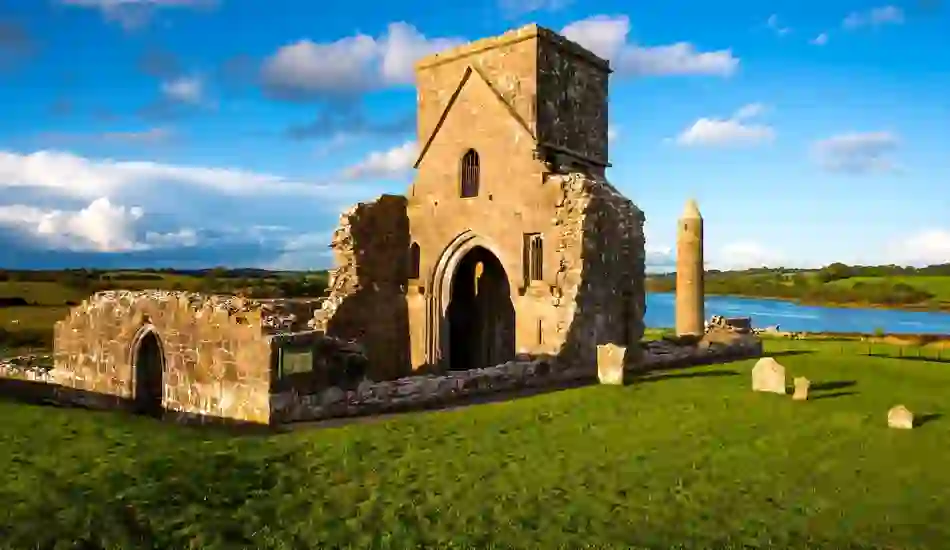
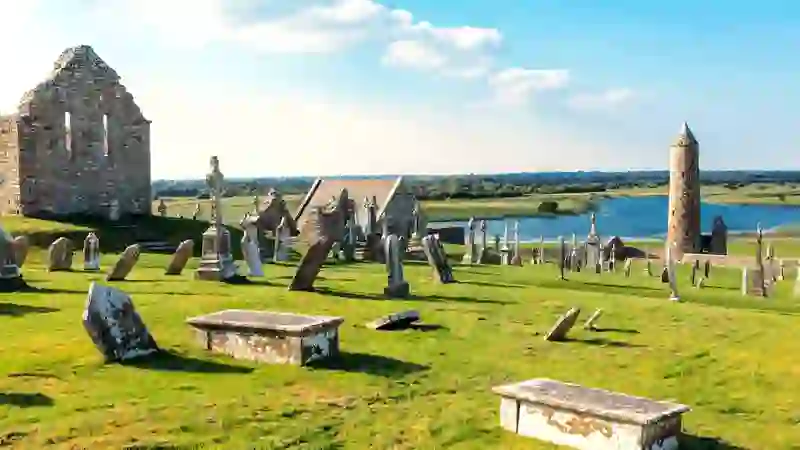
    Beautiful forests, quiet waterways, friendly locals and authentic experiences have made Ireland’s Hidden Heartlands a go-to for people looking for a calm, off-the-beaten-track escape. It’s the kind of place where you can start the day strolling through a peaceful medieval monastery like Clonmacnoise in County Offaly and end it with a plate of excellent local food in a traditional pub like Larkin's in County Tipperary.

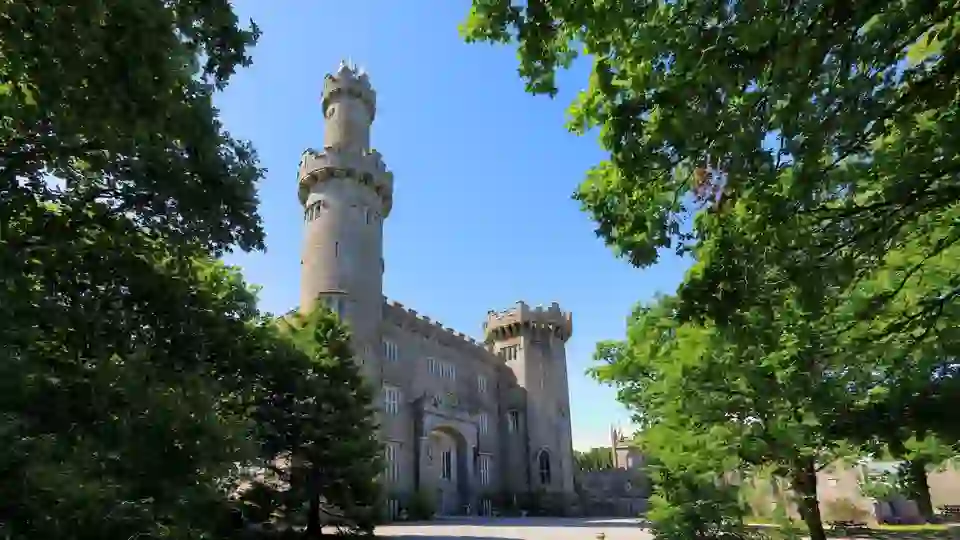
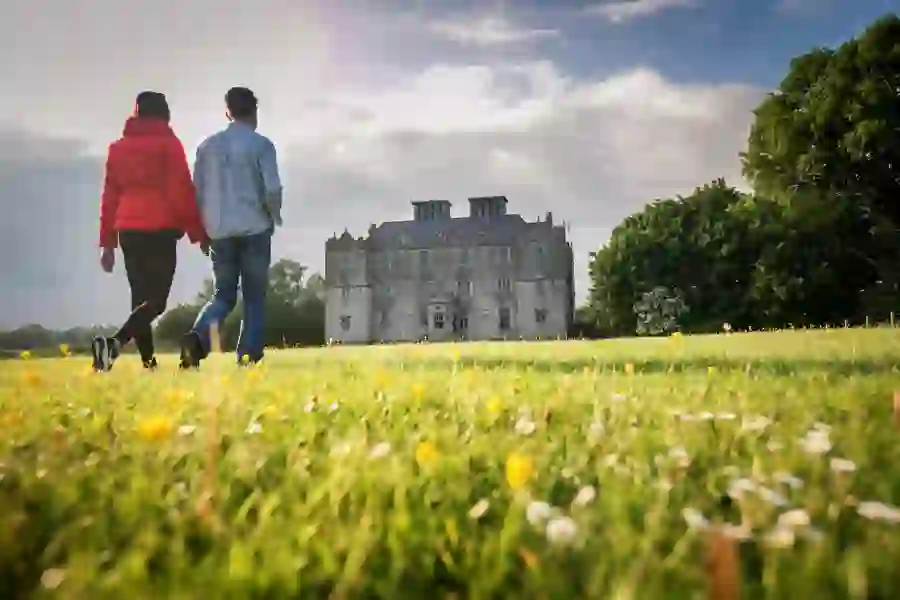
    But if you’re looking for something epic, it’s got that too, from the broad waters of the River Shannon to remarkable attractions such as the Marble Arch Caves in County Fermanagh and Portumna Castle in County Galway. With a rich network of lakes, waterways, forests and loughs, it’s an ideal region for walking, cycling and watersports, while still offering plenty of space for pure relaxation.

    Where does the River Shannon start and end?

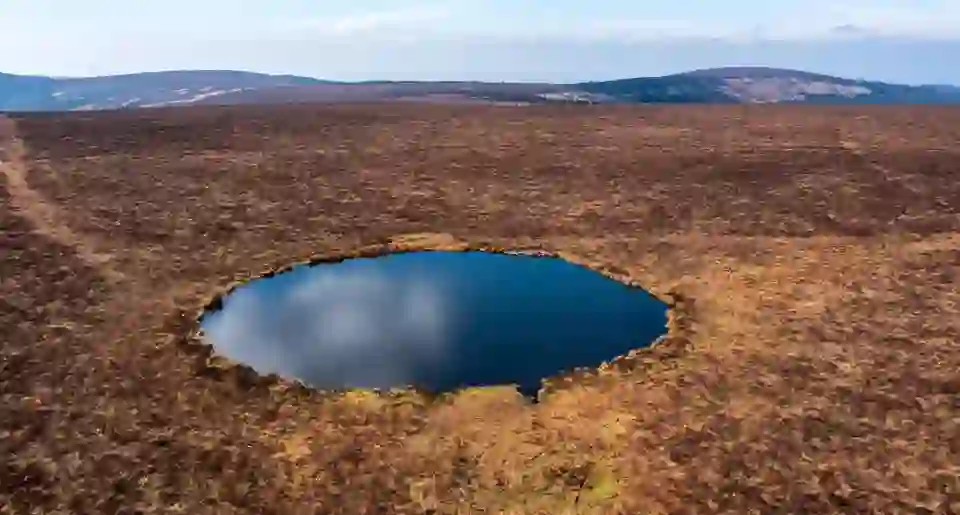
    The River Shannon is the longest river on the island of Ireland, stretching for around 360km from County Cavan to the Atlantic Ocean. It rises in the Shannon Pot, County Cavan, a deep, tree-shrouded pool of water at the bottom of Cuilcagh Mountain and flows out into the Atlantic Ocean just past the city of Limerick at what is known as the Shannon Estuary.

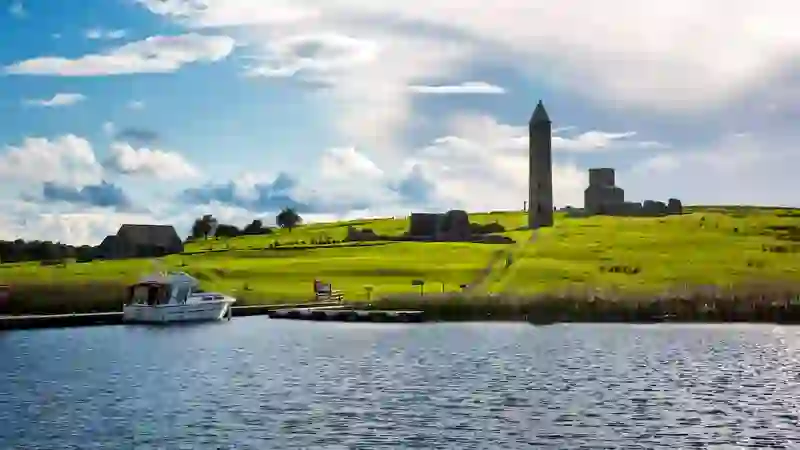
    In summer, the river becomes a hub for cruising thanks to its welcoming towns, from Killaloe in County Clare to Athlone in County Westmeath, as well as historic sights such as Clonmacnoise. The Shannon also offers lots of opportunity for activities, particularly around the Shannon Blueway and the Shannon-Erne Blueway – networks of paddling, cycling and walking trails.

    Can you swim in the River Shannon?

    There are one or two swimming spots along the River Shannon, including at Banagher in County Offaly, where you’ll find a safe outdoor swimming pool at the river. However, because parts of the Shannon can have strong currents and fast-flowing water, swimming is often safer in some of the calm lakes that it flows through, such as Lough Derg.

    Along the shores here, visitors can enjoy designated bathing areas at places like Portumna in County Galway, while the village of Mountshannon in County Clare offers a small lakeside beach perfect for a summer swim.

    How far is Dublin from Limerick?

    Limerick is around 200km from Dublin, and takes about 2 hours and 30 minutes to 3 hours to drive, depending on traffic. It’s also possible to get the train from Heuston Station in Dublin to Limerick, with a journey time of around 2 hours.