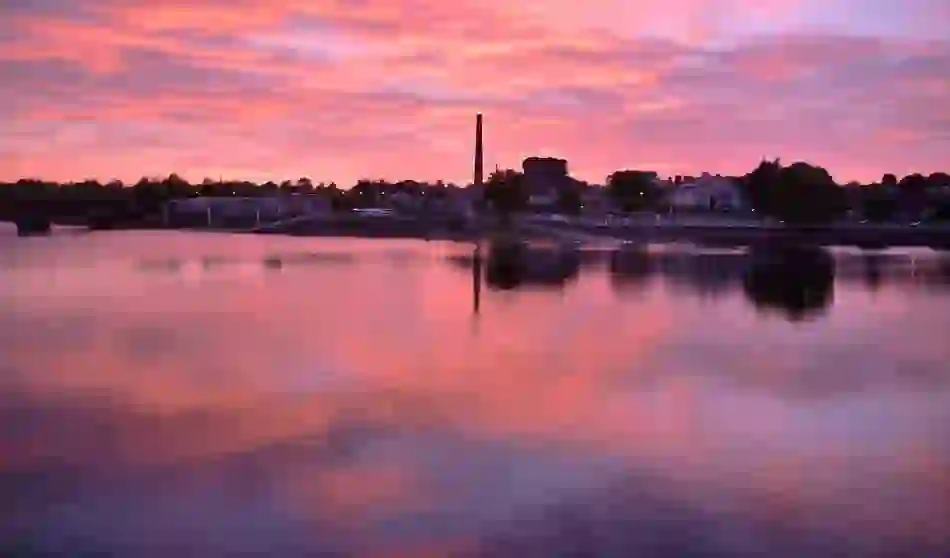












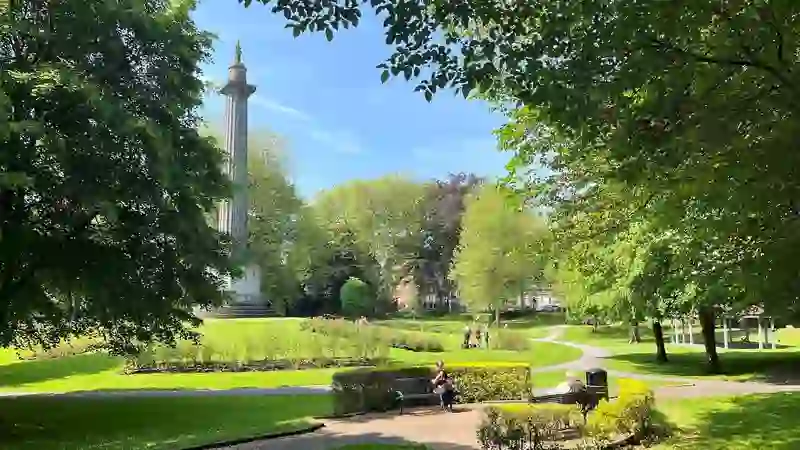
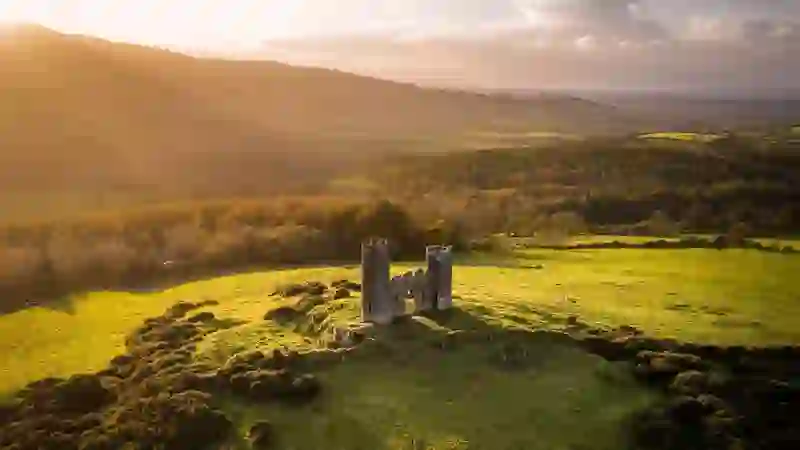
With the River Shannon at its heart, Limerick City mixes rich history with a vibrant creative spirit.

Limerick city is a place full of little “wows”. First off, there’s its location – right on the River Shannon in the mid-west of Ireland. Then, there’s its history, from brutal sieges in the 17th century to the grand Georgian era of the 18th century. This vibrant city is a place of tragedy and regeneration, of culture and “craic” (fun), of little secrets and famous locals. And it’s a place that gets under your skin. Walk through these city streets, and you’ll discover stories everywhere, from St Mary’s Cathedral – the oldest building in the city in continuous use – to the University of Limerick, set on the banks of the River Shannon.

Visitors exploring galleries and artworks inside The Hunt Museum in Limerick City. Visitors exploring galleries and artworks inside The Hunt Museum in Limerick City.

The Hunt Museum, Limerick city

Courtesy Fáilte Ireland

Historic attractions

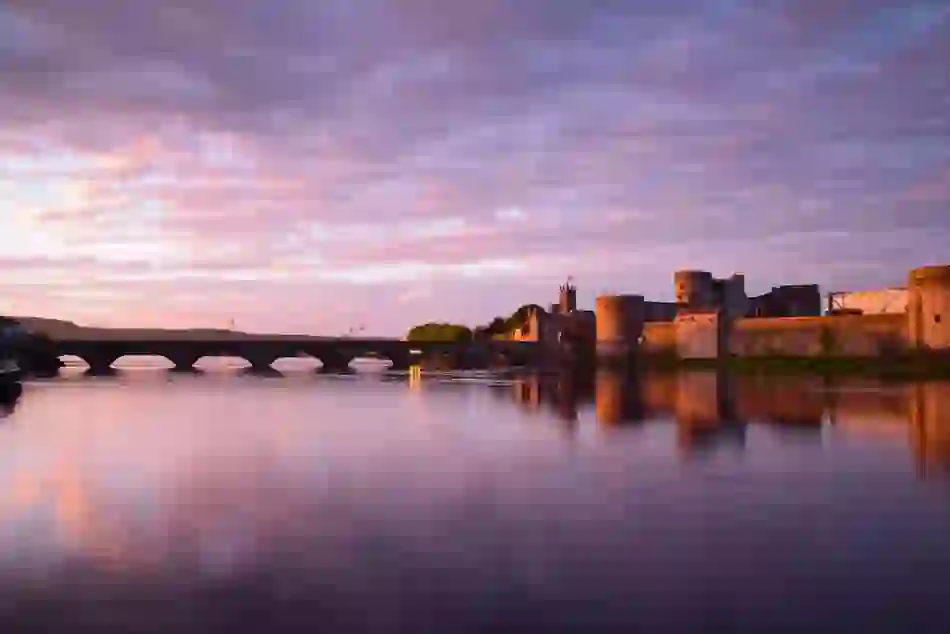
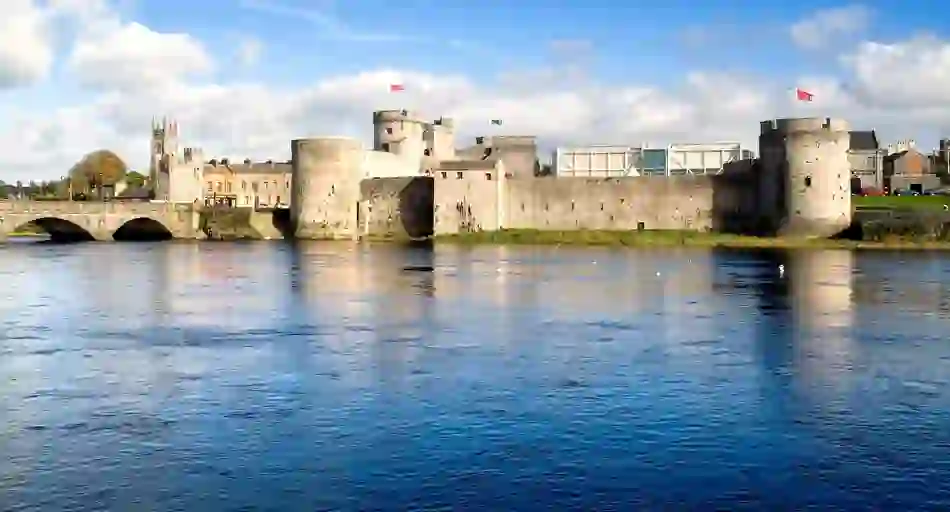
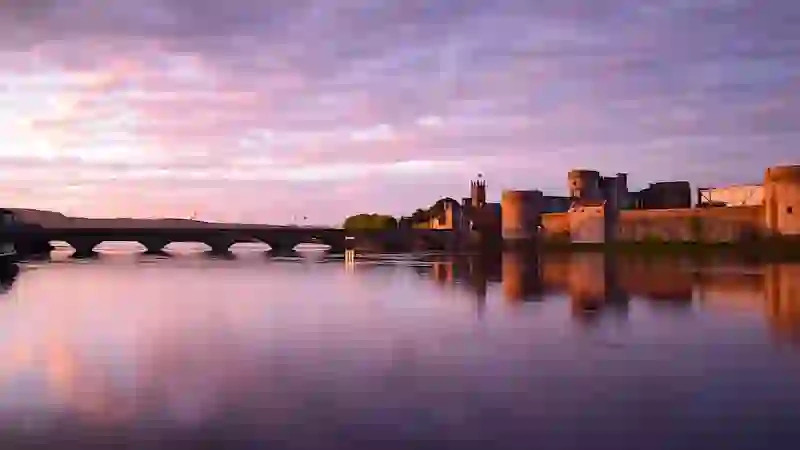
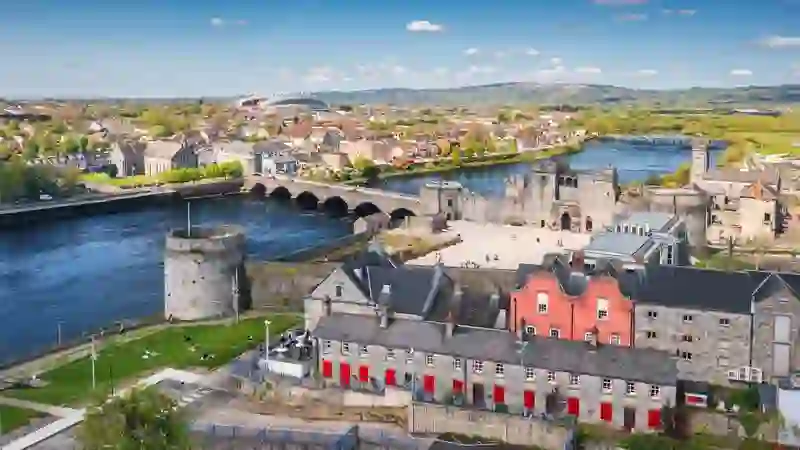
Few places bring Limerick’s history to life better than King John’s Castle. Perched on King’s Island beside the Shannon, the castle has been here for more than 800 years. Built on a site with earlier Viking connections, it now features multimedia exhibitions detailing tales of medieval life, devastating sieges and a fascinating cast of characters.

For artefacts and artworks including works by Picasso, Renoir and Jack B Yeats, don’t miss the Hunt Museum. This exceptional collection, sourced over a lifetime by John and Gertrude Hunt, is housed in the historic 18th-century former Custom House.

Georgian elegance and rugby greats

It’s just a short stroll from here to Limerick’s Georgian Quarter, where the streetscape opens up into wide, elegant avenues lined with grand architecture.

The People’s Museum of Limerick has a fascinating collection of items and artefacts, but it’s the building itself that’s the real showpiece – a beautiful example of 18th-century architecture. Just down the road, the Limerick City Gallery of Art keeps things fresh with changing contemporary art exhibitions.

On the other side of the River Shannon is Thomond Park Stadium, home of the Munster Rugby team. If you can catch a game here, it’s well worth it – the atmosphere is electric, and the roar of the crowd is enough to give you goosebumps.
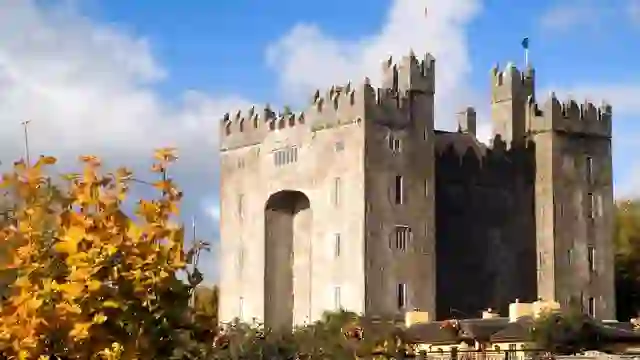
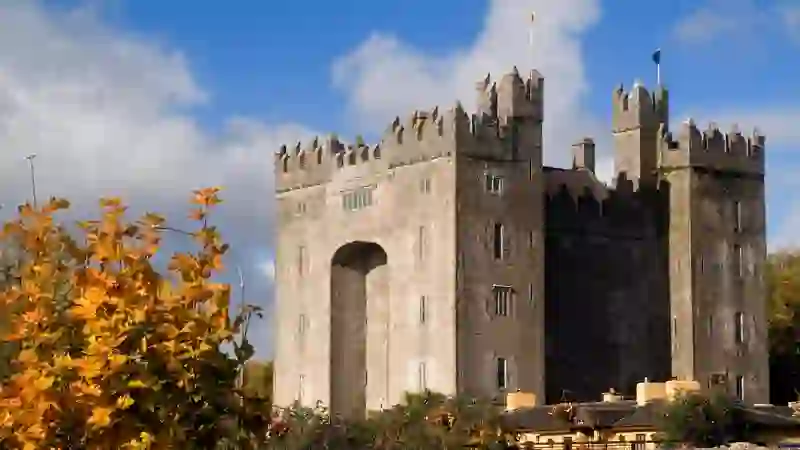
Bunratty Castle rising above autumn foliage in County Clare, one of Ireland’s best-preserved medieval tower houses. Bunratty Castle rising above autumn foliage in County Clare, one of Ireland’s best-preserved medieval tower houses.

Bunratty Castle, County Clare

Chris Hill Photographic

Beyond Limerick city

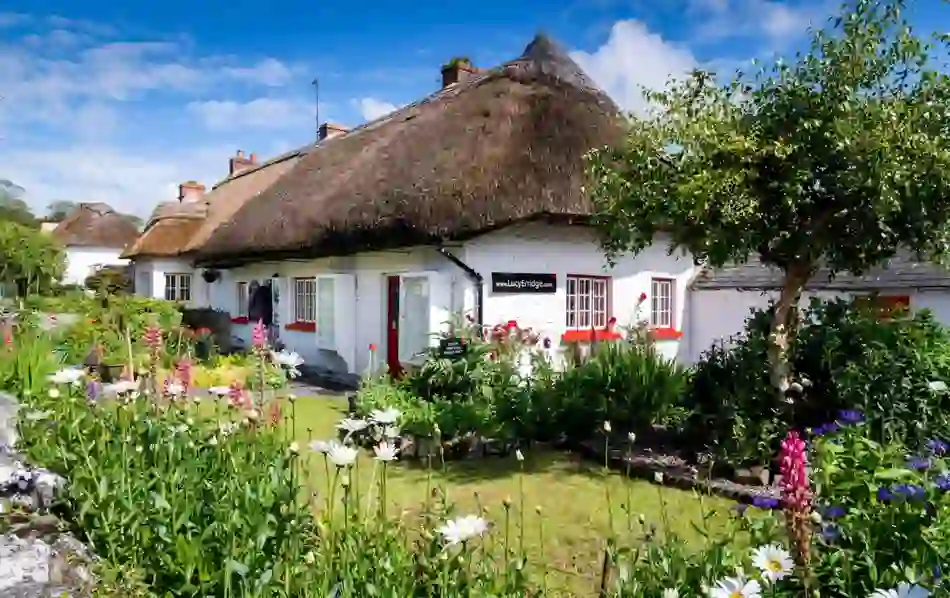
The beautiful village of Adare in County Limerick, with its rows of thatched cottages, makes a great day trip from Limerick, but the region around the city is also rich in history, with Bunratty Castle a particular highlight.

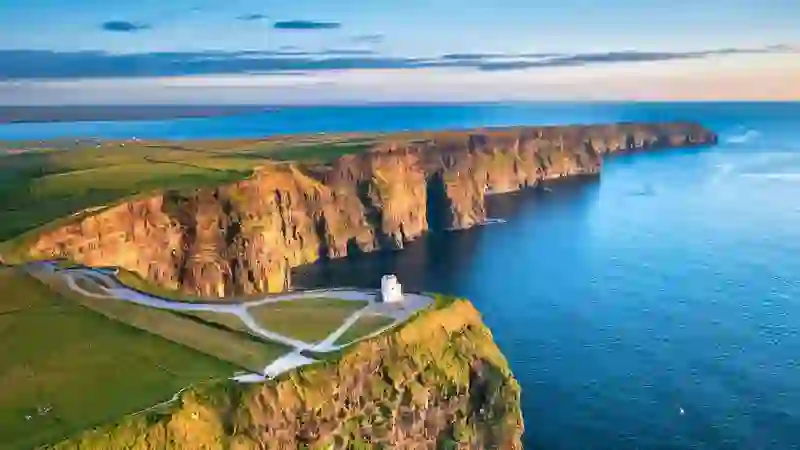
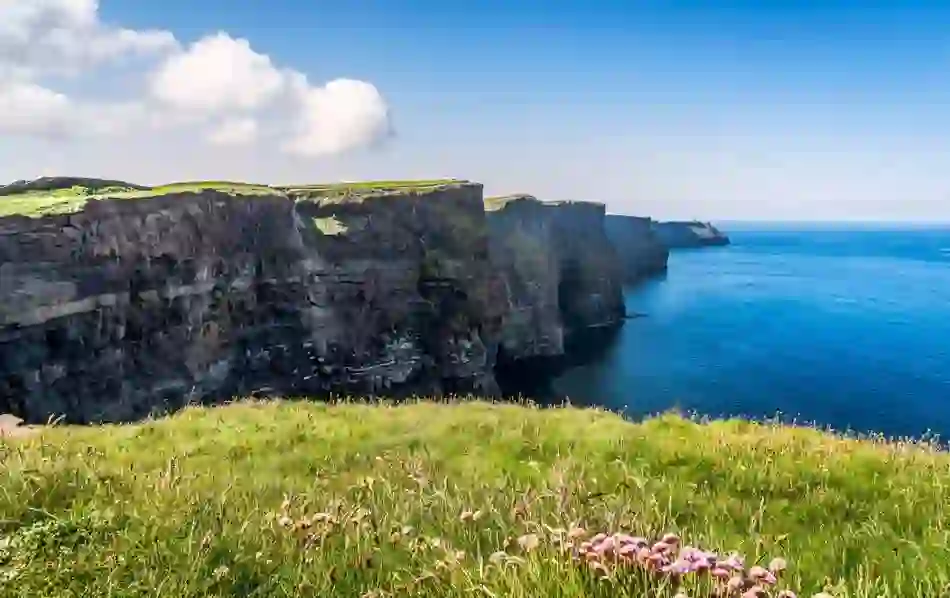
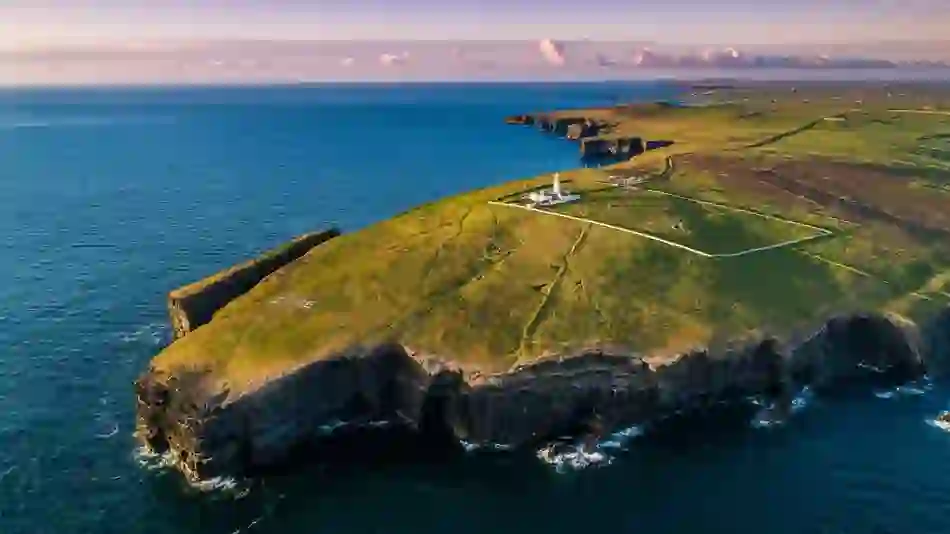
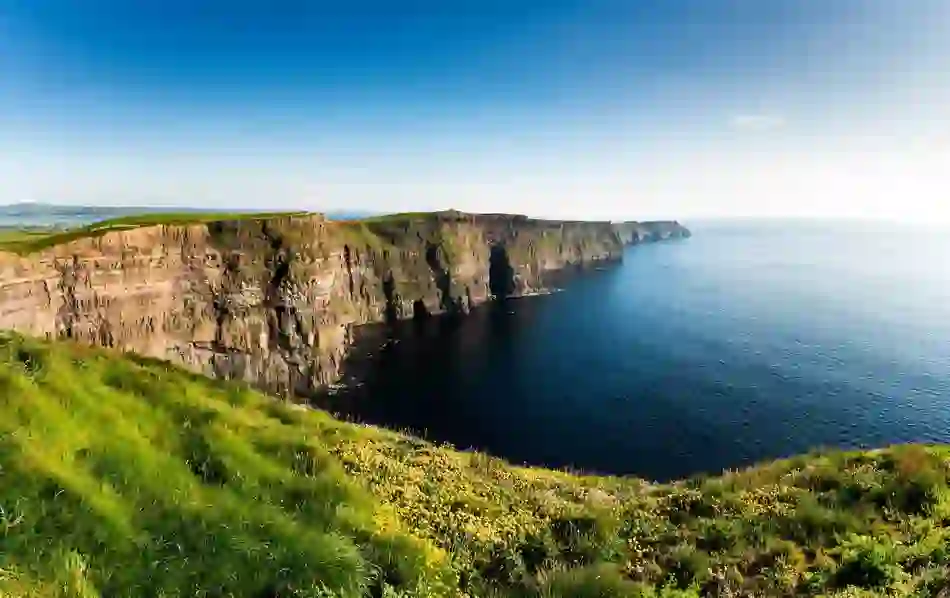
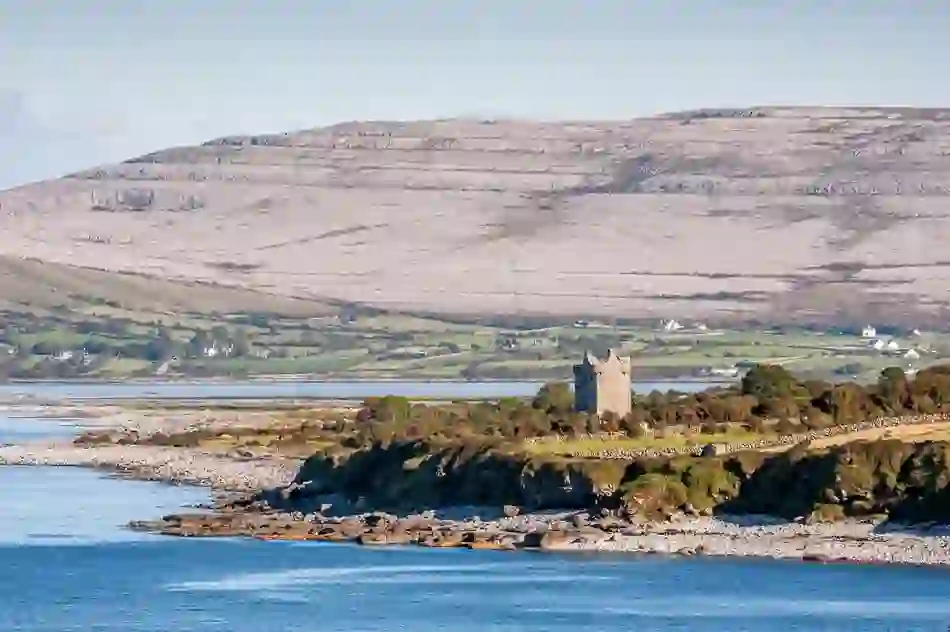
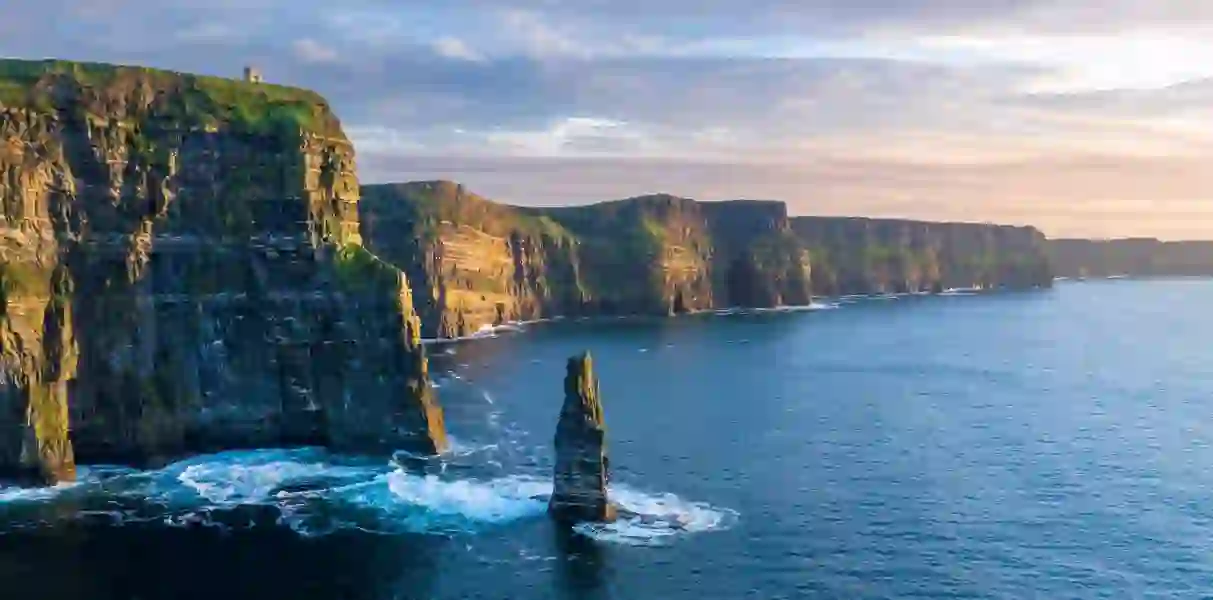
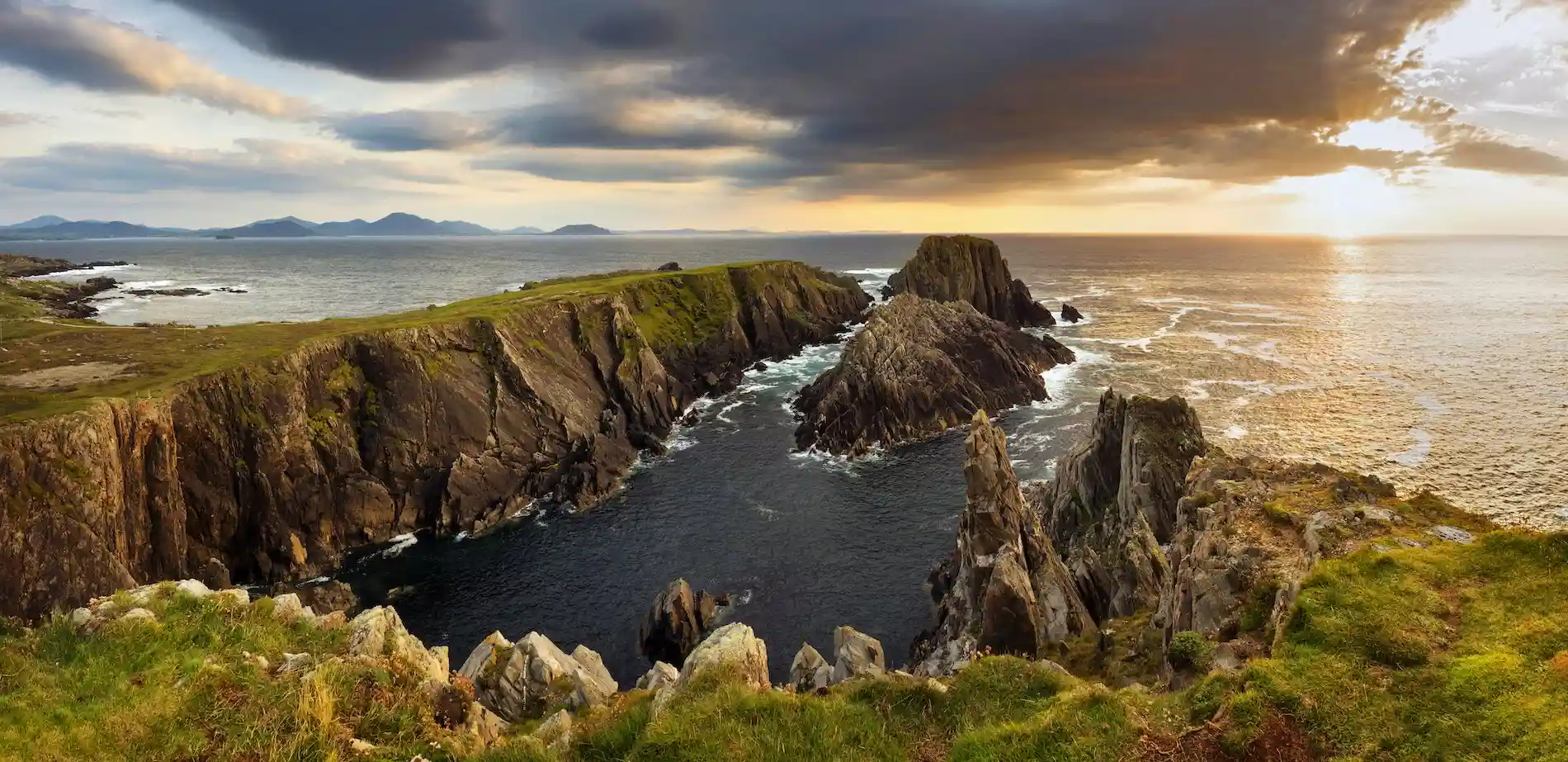
Fancy some watersports? Follow the River Shannon up to Lough Derg, where you can enjoy kayaking, paddleboarding and more. Limerick is also well placed for exploring the Wild Atlantic Way – head north and Loop Head, the Cliffs of Moher and the Burren are within reach.

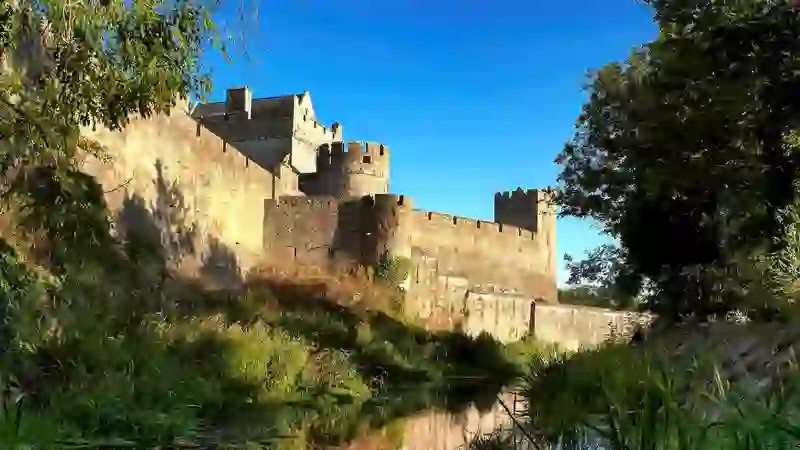
Or take a trip south and you’ll reach the “kingdom” of Kerry, with the Dingle Peninsula and Slea Head beckoning. If you want to uncover more of Ireland’s past, detour inland to experience the wonders of Ireland’s Ancient East at County Tipperary’s iconic Rock of Cashel and Cahir Castle.

Read more

Limerick city is a place full of little “wows”. First off, there’s its location – right on the River Shannon in the mid-west of Ireland. Then, there’s its history, from brutal sieges in the 17th century to the grand Georgian era of the 18th century. This vibrant city is a place of tragedy and regeneration, of culture and “craic” (fun), of little secrets and famous locals. And it’s a place that gets under your skin. Walk through these city streets, and you’ll discover stories everywhere, from St Mary’s Cathedral – the oldest building in the city in continuous use – to the University of Limerick, set on the banks of the River Shannon.

Visitors exploring galleries and artworks inside The Hunt Museum in Limerick City. Visitors exploring galleries and artworks inside The Hunt Museum in Limerick City.

The Hunt Museum, Limerick city

Courtesy Fáilte Ireland

Historic attractions

Few places bring Limerick’s history to life better than King John’s Castle. Perched on King’s Island beside the Shannon, the castle has been here for more than 800 years. Built on a site with earlier Viking connections, it now features multimedia exhibitions detailing tales of medieval life, devastating sieges and a fascinating cast of characters.

For artefacts and artworks including works by Picasso, Renoir and Jack B Yeats, don’t miss the Hunt Museum. This exceptional collection, sourced over a lifetime by John and Gertrude Hunt, is housed in the historic 18th-century former Custom House.

Georgian elegance and rugby greats

It’s just a short stroll from here to Limerick’s Georgian Quarter, where the streetscape opens up into wide, elegant avenues lined with grand architecture.

The People’s Museum of Limerick has a fascinating collection of items and artefacts, but it’s the building itself that’s the real showpiece – a beautiful example of 18th-century architecture. Just down the road, the Limerick City Gallery of Art keeps things fresh with changing contemporary art exhibitions.

On the other side of the River Shannon is Thomond Park Stadium, home of the Munster Rugby team. If you can catch a game here, it’s well worth it – the atmosphere is electric, and the roar of the crowd is enough to give you goosebumps.

Bunratty Castle rising above autumn foliage in County Clare, one of Ireland’s best-preserved medieval tower houses. Bunratty Castle rising above autumn foliage in County Clare, one of Ireland’s best-preserved medieval tower houses.

Bunratty Castle, County Clare

Chris Hill Photographic

Beyond Limerick city

The beautiful village of Adare in County Limerick, with its rows of thatched cottages, makes a great day trip from Limerick, but the region around the city is also rich in history, with Bunratty Castle a particular highlight.

Fancy some watersports? Follow the River Shannon up to Lough Derg, where you can enjoy kayaking, paddleboarding and more. Limerick is also well placed for exploring the Wild Atlantic Way – head north and Loop Head, the Cliffs of Moher and the Burren are within reach.

Or take a trip south and you’ll reach the “kingdom” of Kerry, with the Dingle Peninsula and Slea Head beckoning. If you want to uncover more of Ireland’s past, detour inland to experience the wonders of Ireland’s Ancient East at County Tipperary’s iconic Rock of Cashel and Cahir Castle.

Read more
Experience as part of:

With the River Shannon at its heart, Limerick City mixes rich history with a vibrant creative spirit.

Limerick city is a place full of little “wows”. First off, there’s its location – right on the River Shannon in the mid-west of Ireland. Then, there’s its history, from brutal sieges in the 17th century to the grand Georgian era of the 18th century. This vibrant city is a place of tragedy and regeneration, of culture and “craic” (fun), of little secrets and famous locals. And it’s a place that gets under your skin. Walk through these city streets, and you’ll discover stories everywhere, from St Mary’s Cathedral – the oldest building in the city in continuous use – to the University of Limerick, set on the banks of the River Shannon.

Visitors exploring galleries and artworks inside The Hunt Museum in Limerick City. Visitors exploring galleries and artworks inside The Hunt Museum in Limerick City.

The Hunt Museum, Limerick city

Courtesy Fáilte Ireland

Historic attractions

Few places bring Limerick’s history to life better than King John’s Castle. Perched on King’s Island beside the Shannon, the castle has been here for more than 800 years. Built on a site with earlier Viking connections, it now features multimedia exhibitions detailing tales of medieval life, devastating sieges and a fascinating cast of characters.

For artefacts and artworks including works by Picasso, Renoir and Jack B Yeats, don’t miss the Hunt Museum. This exceptional collection, sourced over a lifetime by John and Gertrude Hunt, is housed in the historic 18th-century former Custom House.

Georgian elegance and rugby greats

It’s just a short stroll from here to Limerick’s Georgian Quarter, where the streetscape opens up into wide, elegant avenues lined with grand architecture.

The People’s Museum of Limerick has a fascinating collection of items and artefacts, but it’s the building itself that’s the real showpiece – a beautiful example of 18th-century architecture. Just down the road, the Limerick City Gallery of Art keeps things fresh with changing contemporary art exhibitions.

On the other side of the River Shannon is Thomond Park Stadium, home of the Munster Rugby team. If you can catch a game here, it’s well worth it – the atmosphere is electric, and the roar of the crowd is enough to give you goosebumps.

Bunratty Castle rising above autumn foliage in County Clare, one of Ireland’s best-preserved medieval tower houses. Bunratty Castle rising above autumn foliage in County Clare, one of Ireland’s best-preserved medieval tower houses.

Bunratty Castle, County Clare

Chris Hill Photographic

Beyond Limerick city

The beautiful village of Adare in County Limerick, with its rows of thatched cottages, makes a great day trip from Limerick, but the region around the city is also rich in history, with Bunratty Castle a particular highlight.

Fancy some watersports? Follow the River Shannon up to Lough Derg, where you can enjoy kayaking, paddleboarding and more. Limerick is also well placed for exploring the Wild Atlantic Way – head north and Loop Head, the Cliffs of Moher and the Burren are within reach.

Or take a trip south and you’ll reach the “kingdom” of Kerry, with the Dingle Peninsula and Slea Head beckoning. If you want to uncover more of Ireland’s past, detour inland to experience the wonders of Ireland’s Ancient East at County Tipperary’s iconic Rock of Cashel and Cahir Castle.
Read more
Experience as part of:
Dramatic rocky cliffs and headlands on the Dingle Peninsula, featured in Star Wars: The Last Jedi filming. Dramatic rocky cliffs and headlands on the Dingle Peninsula, featured in Star Wars: The Last Jedi filming.
Visitor viewing artwork inside The Hunt Museum, Limerick city. Visitor viewing artwork inside The Hunt Museum, Limerick city.
This handsome city on the west coast has atmospheric waterside pubs, medieval architecture, and a passion for sport and the performing arts. Vic O'Sullivan, The Guardian
Limerick city FAQs
Where is Limerick?

Limerick city is located in County Limerick in the province of Munster in the mid-west of Ireland. The city is set on the Shannon at the head of the Shannon Estuary, where the river widens before flowing out into the Atlantic Ocean.

Limerick is ideally placed for discovering the Wild Atlantic Way and Ireland’s Hidden Heartlands as well as Ireland’s Ancient East, and is well connected to cities around the island of Ireland by rail and bus. Best of all, it’s easy to get to with Shannon Airport only around 25km away.

What is Limerick famous for?

Limerick is famous for the arts, with one of Ireland’s most successful bands, the Cranberries, hailing from the city, as well as award-winning actors Ruth Negga and Richard Harris.

You can discover some of the city’s cultural scene in venues such as the White Horse (Limerick’s oldest pub), Dolan’s (with music and comedy), the Belltable Theatre and the University Concert Hall. Limerick is also famous for its rugby, and Thomand Park is well worth a visit, either for a tour or for a match.

Discover top things to do in Limerick.

How far is Limerick from Dublin?

Limerick is around 200km from Dublin city and takes about 2 hours and 15 minutes by road, depending on the time of day and traffic conditions.

The two cities are also well connected by train and bus, with trains running several times a day and taking around 2 hours and 15 minutes. Buses generally take around 2 hours and 25 minutes, depending on routes and connections.

How far is Limerick from Shannon?

Limerick is around 25km from Shannon Airport in nearby County Clare. By road, it takes around 20 minutes to reach the city from the airport, but there are also regular buses (including the 343 route) that link the city and the airport.

Where are the best places to stay in Limerick?

Limerick city is known for its hospitality and offers a wide range of places for all budgets. For a taste of the city’s Georgian elegance, try No 1 Pery Square, just a short stroll from the People’s Park.

Both the Savoy and the Clayton make for good choices within the heart of the city, while The Bedford Townhouse is a popular choice close to the Hunt Museum.

If you prefer to be surrounded by nature, opt for the Radisson Blu Hotel & Spa Limerick, with views of the County Clare hills, or take things up a notch with a luxury castle stay at Dromoland Castle, a half-hour drive from the city.

When is the best time to visit Limerick?

Each season offers a different experience in Limerick city, so it really depends on what you’re looking for.

Summer is ideal for al fresco dining and walks around the city and along the River Shannon, while winter is all about cosy traditional music sessions and indoor attractions.

If you like to experience the buzz of the city, consider visiting during festival time. Riverfest Limerick in May is one of the biggest events on Limerick’s cultural calendar, while the city celebrates Halloween in style with parades, trails and immersive experiences to mark the spooky season.

What river flows through Limerick?

The glorious River Shannon flows through Limerick city. Not only is the Shannon one of the most beautiful rivers in Ireland, but it’s also the longest. It rises in the Shannon Pot in County Cavan and flows through several counties before reaching the Atlantic Ocean at the Shannon Estuary.