






Go to My Ireland
logo-mini

Are you sure you want to leave the feed?

Oops... something went wrong!

My Ireland

Looking for inspiration? Planning a trip? Or just want to scroll yourself happy? We'll show you an Ireland that's tailor-made for you.

  • #Landscapes
  • #CultureandHeritage
  • #OutdoorActivities
  • #Landmarks
MyICallOut_FindTheThings_EN_Desk_Above-Left MyICallOut_FindTheThings_EN_Desk_Above-Left

Oops... no internet connection

While offline, you can still add items to My board. New travel reccomendations will only show up once you’re back online.

    See what Ireland has in store for you

    Oops... no internet connection

    While offline, you can still add items to My board. New travel reccomendations will only show up once you’re back online.

    My board

    Look out for the little heart icon around Ireland.com. Simply tap the heart to add items to your board!

    Emptyboard Emptyboard
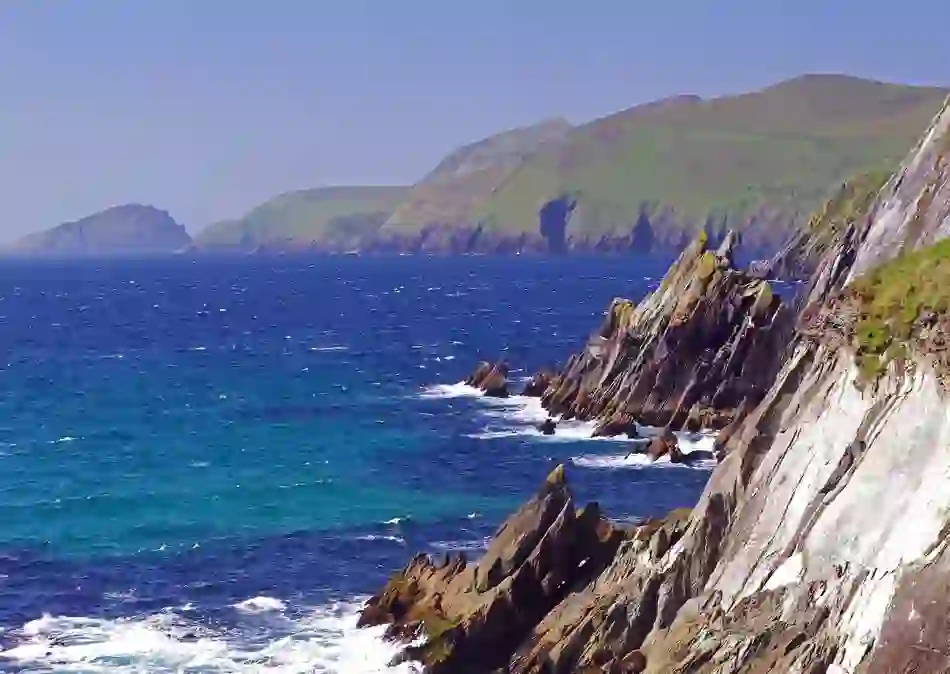
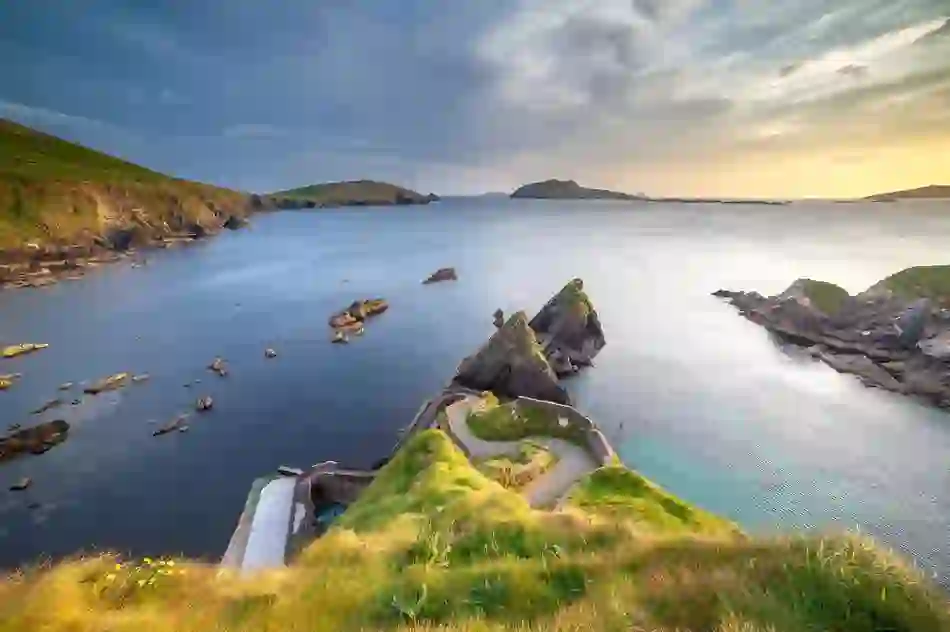
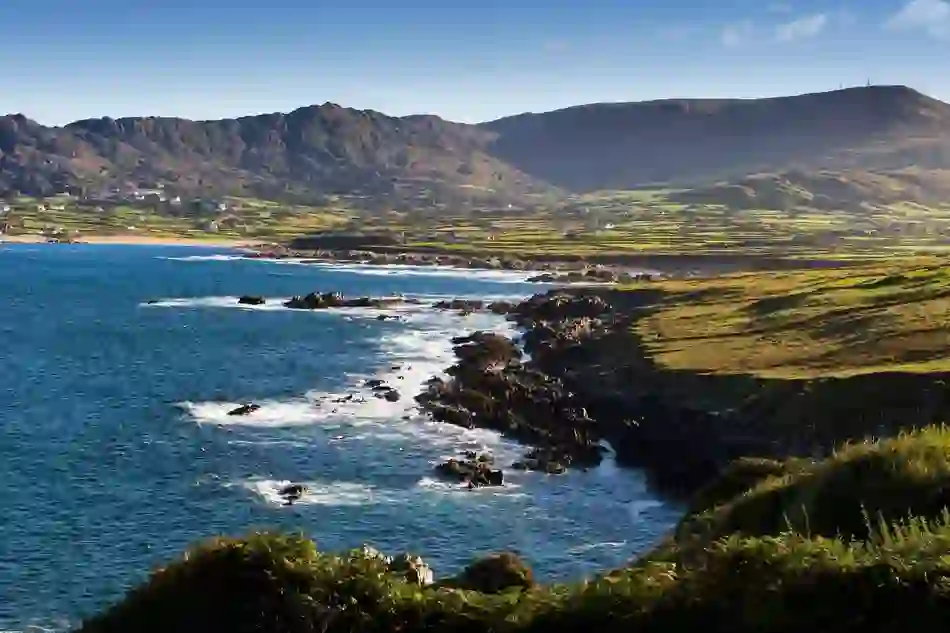
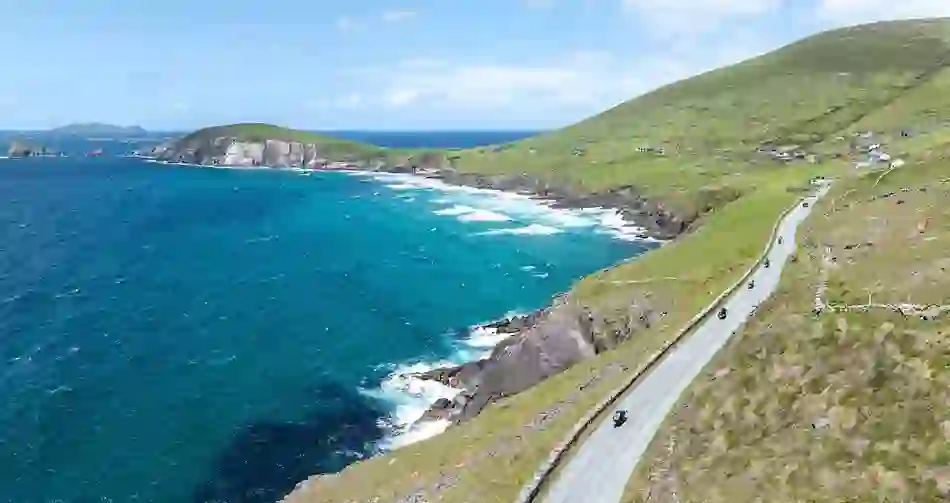
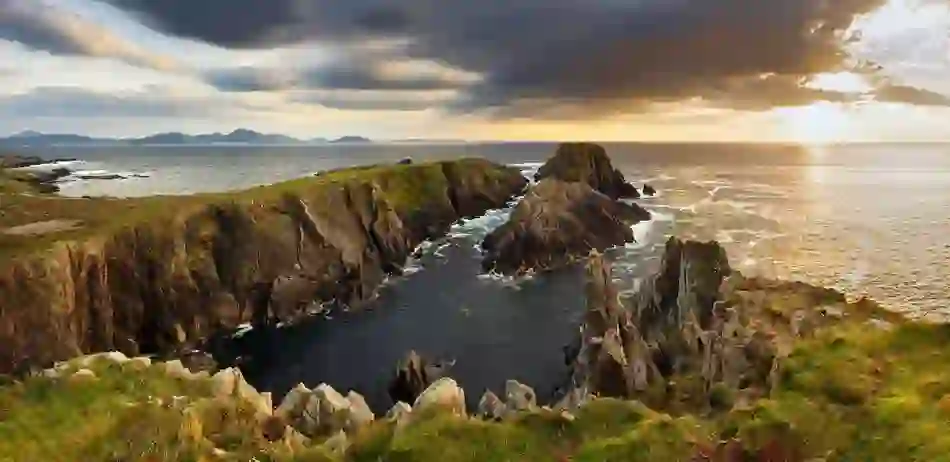
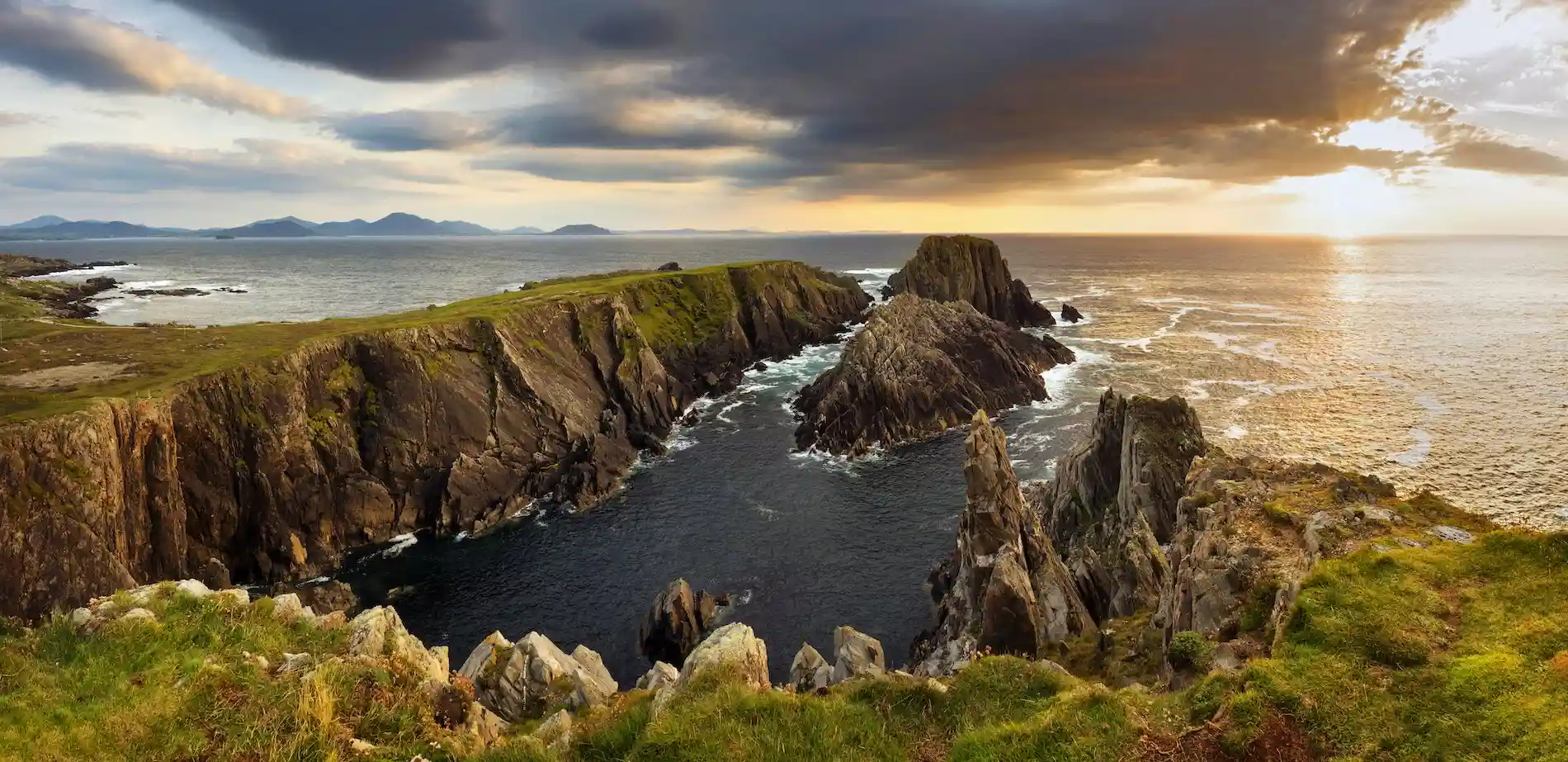
    Dramatic rocky cliffs and headlands on the Dingle Peninsula, featured in Star Wars: The Last Jedi filming. Dramatic rocky cliffs and headlands on the Dingle Peninsula, featured in Star Wars: The Last Jedi filming.

    Explore the world’s longest defined coastal touring route, a 2,500km road trip known as the Wild Atlantic Way.

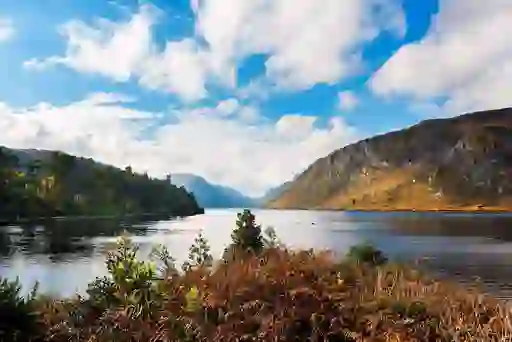
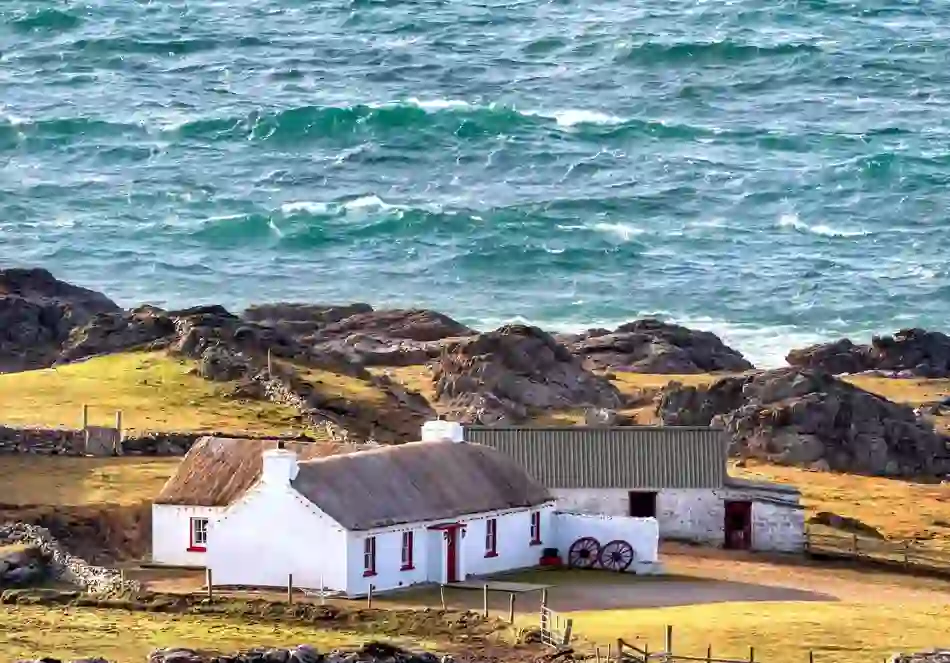
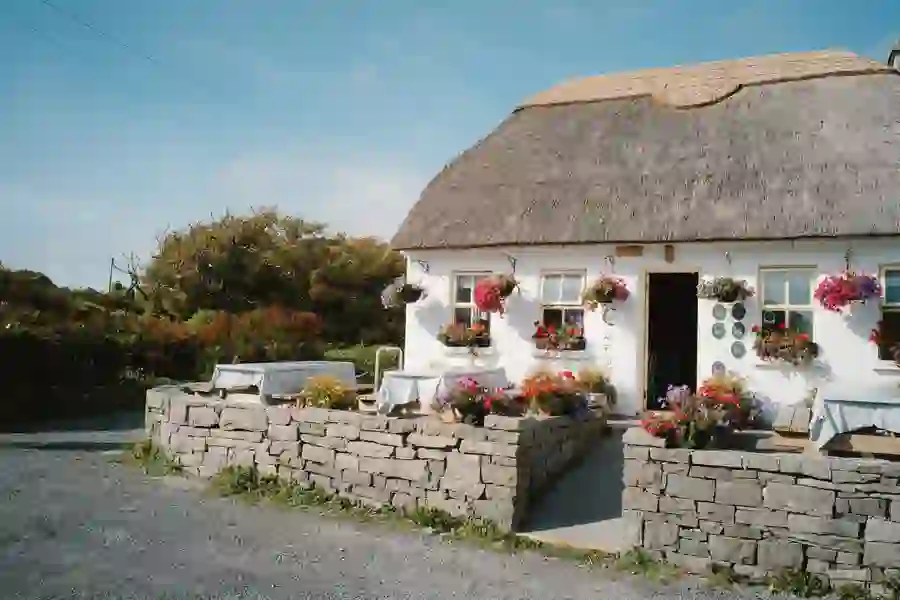
    From the wind-whipped tip of Malin Head in County Donegal to the balmy beauty of Kinsale in County Cork, the west coast of Ireland WOWS with epic scenery and captivates with quiet moments. This is a place that has inspired dreamers, drifters, poets and painters, with a landscape laced with dry-stone walls, thatched cottages, brooding mountains and deserted beaches.
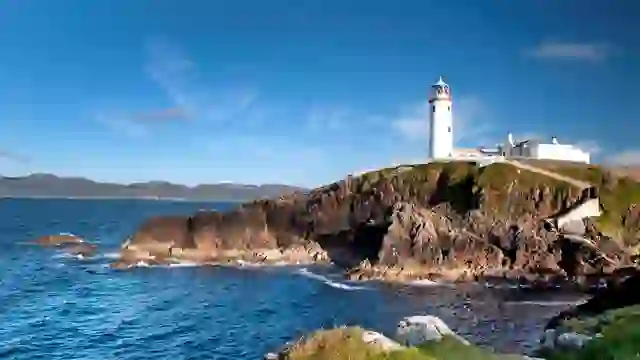
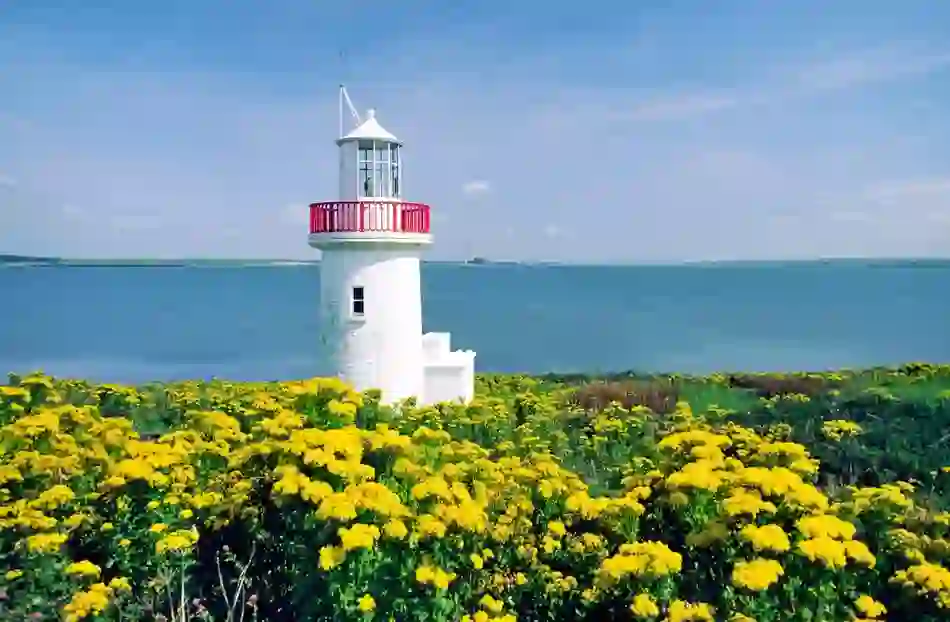
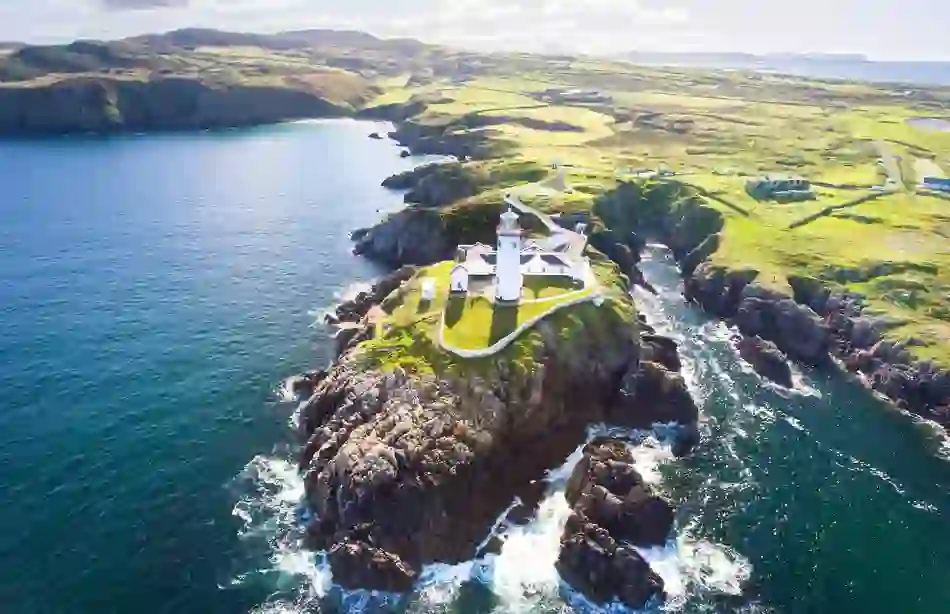
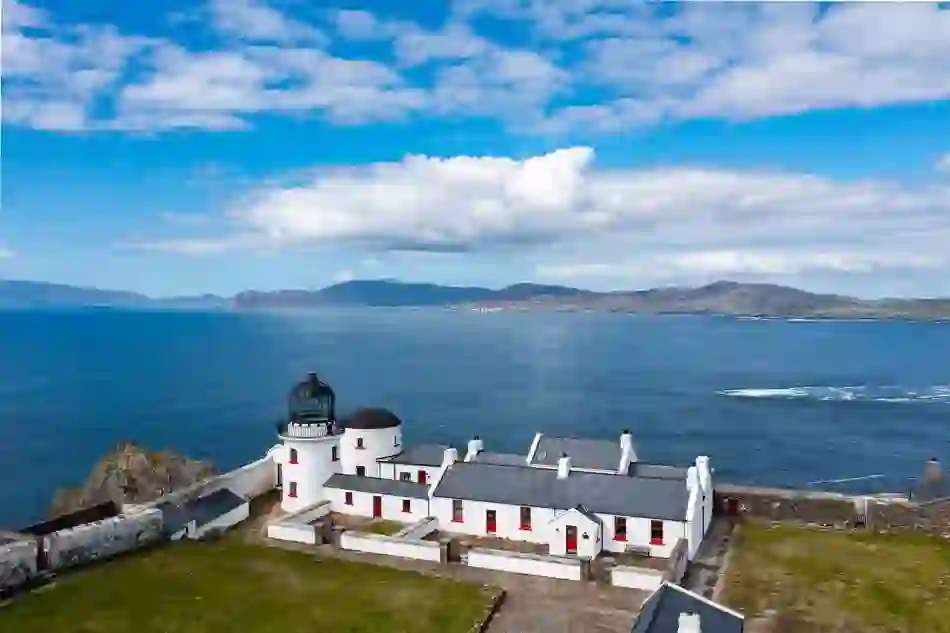
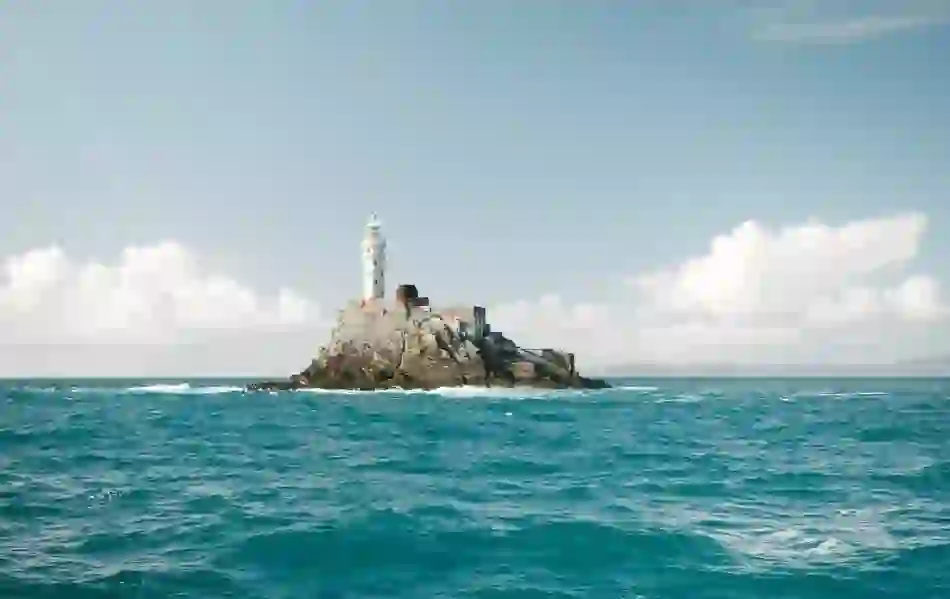
    Fanad Head Lighthouse overlooking rugged cliffs and the Atlantic coastline in County Donegal on a clear day. Fanad Head Lighthouse overlooking rugged cliffs and the Atlantic coastline in County Donegal on a clear day.

    Fanad Head Lighthouse, County Donegal

    Tourism Ireland by Gardiner Mitchell

    The edge of Europe

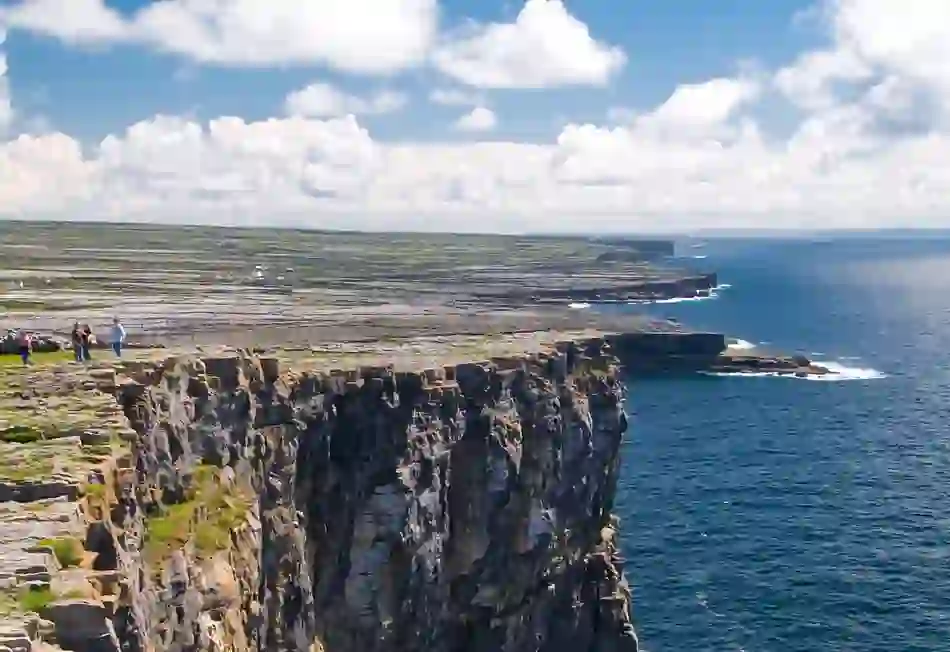
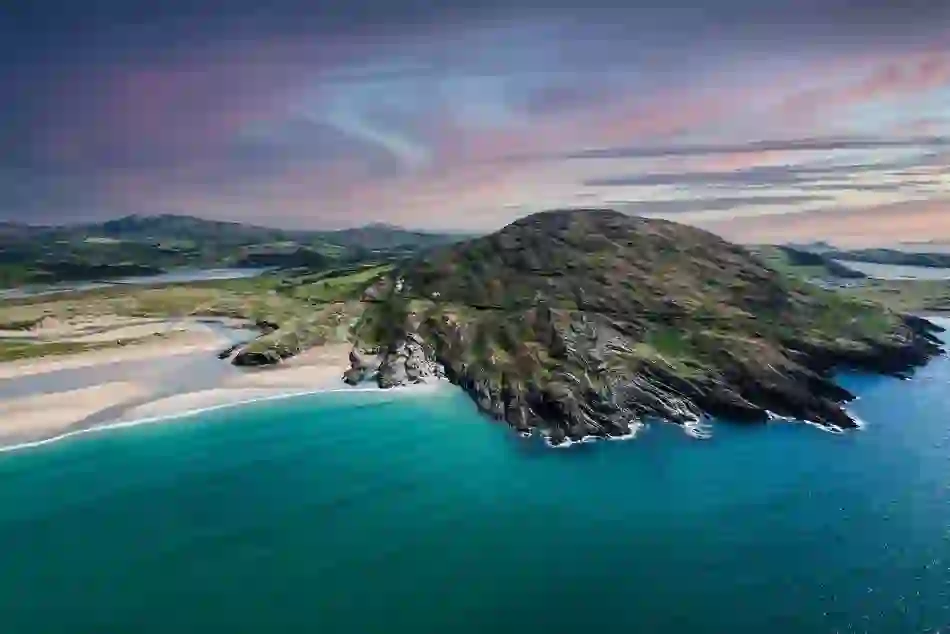
    Whether you decide to explore it in sections or all at once, this is a route that will whisk you to some of Ireland’s most exhilarating destinations, where rugged coastlines collide with crashing waves along the very edge of western Europe.

    It’s a place steeped in myth, legend, story and traditions – shaped by the otherworldly limestone expanse of The Burren in County Clare, defined by the untamed beauty of the Ring of Kerry and brought to life in vibrant towns and cities from Limerick to Letterkenny.

    Top things to do along the Wild Atlantic Way
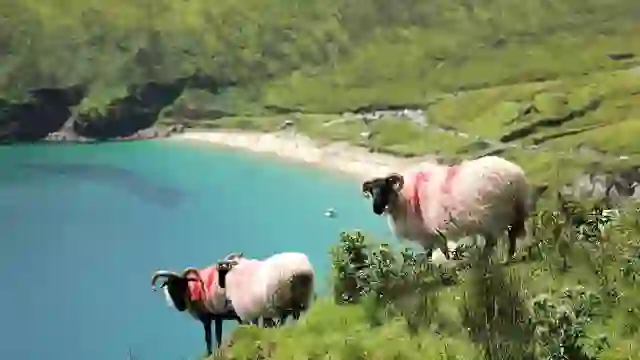
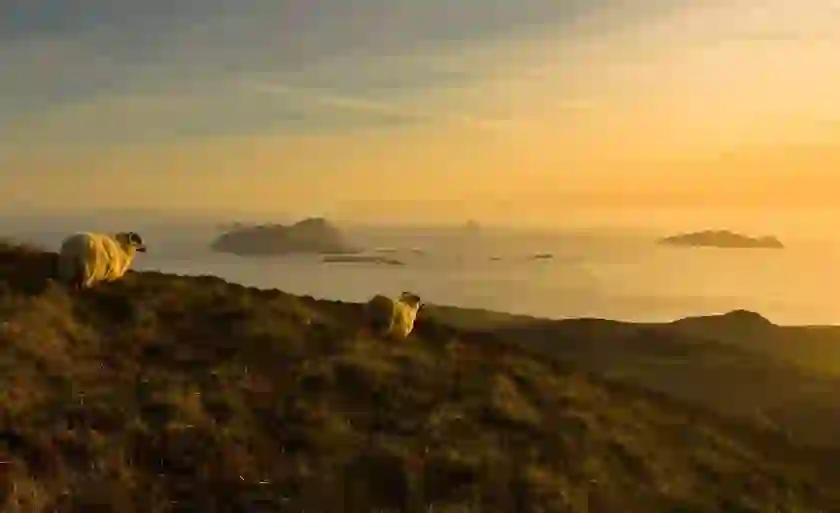
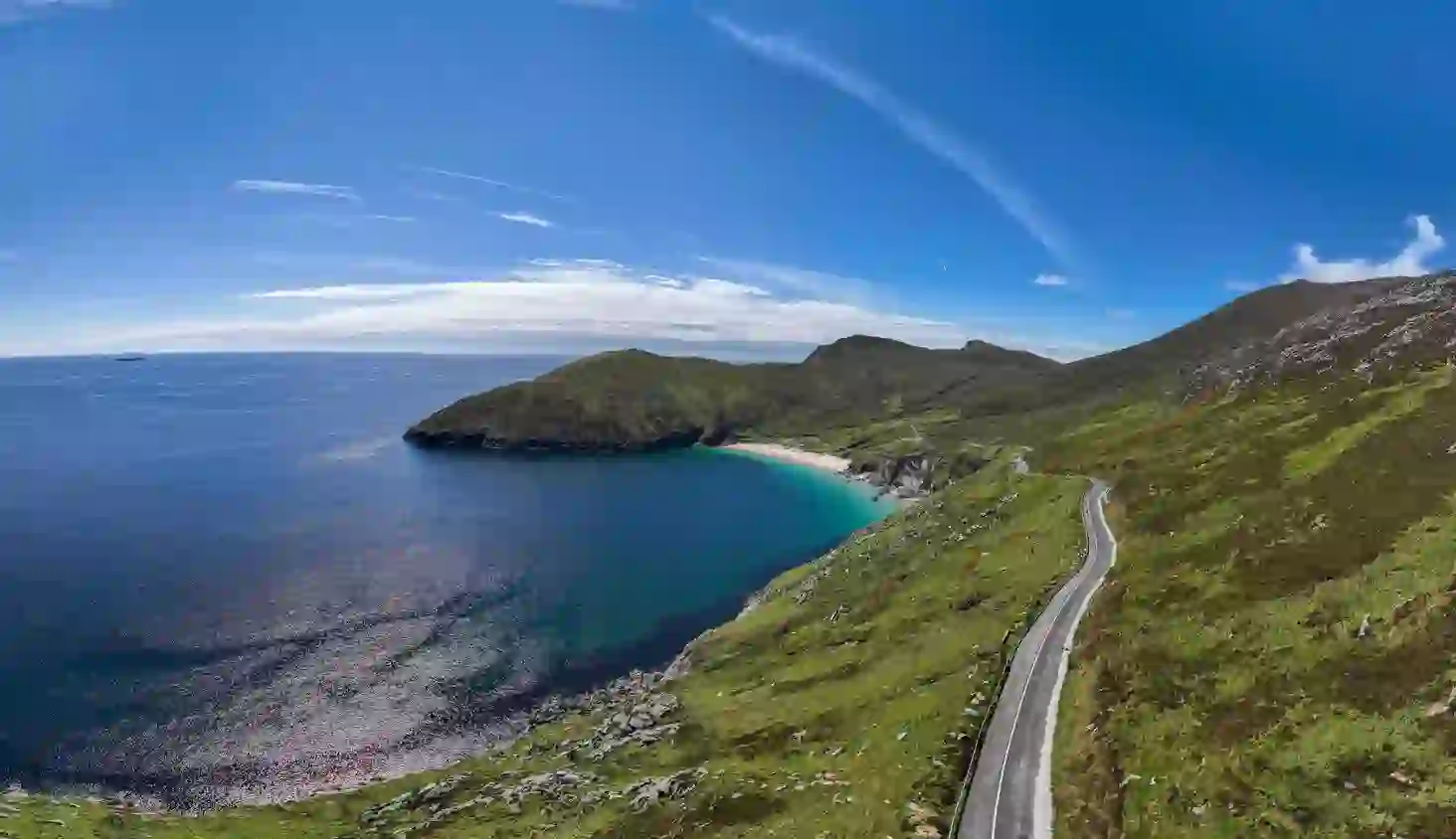
    Sheep grazing on grassy cliffs above the turquoise waters of Keem Bay on Achill Island, County Mayo. Sheep grazing on grassy cliffs above the turquoise waters of Keem Bay on Achill Island, County Mayo.

    Keem Bay, Achill Island, County Mayo

    Courtesy Chaosheng Zhang

    Ireland’s wild west coast

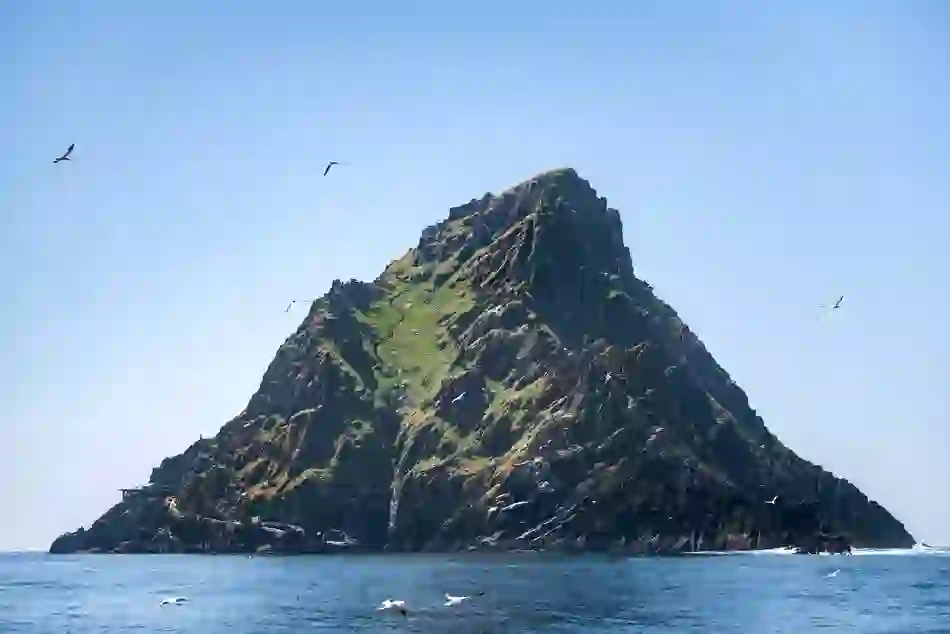
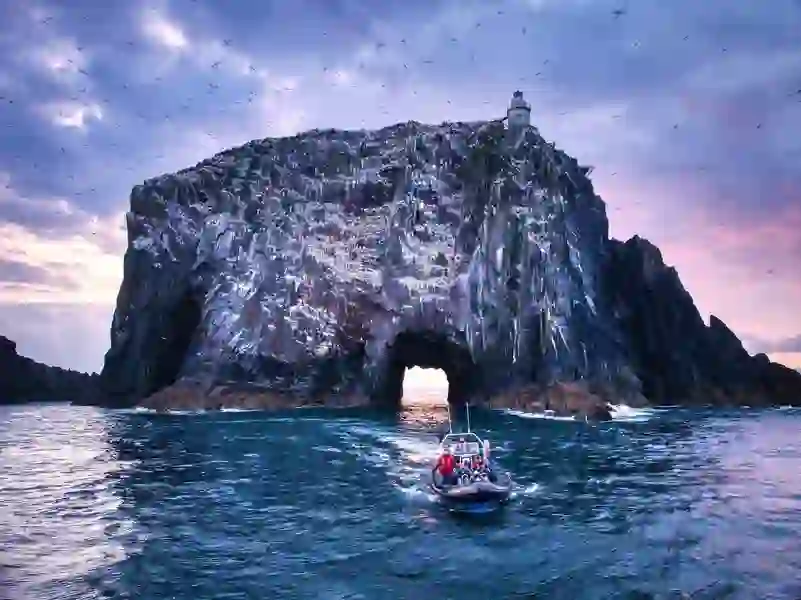
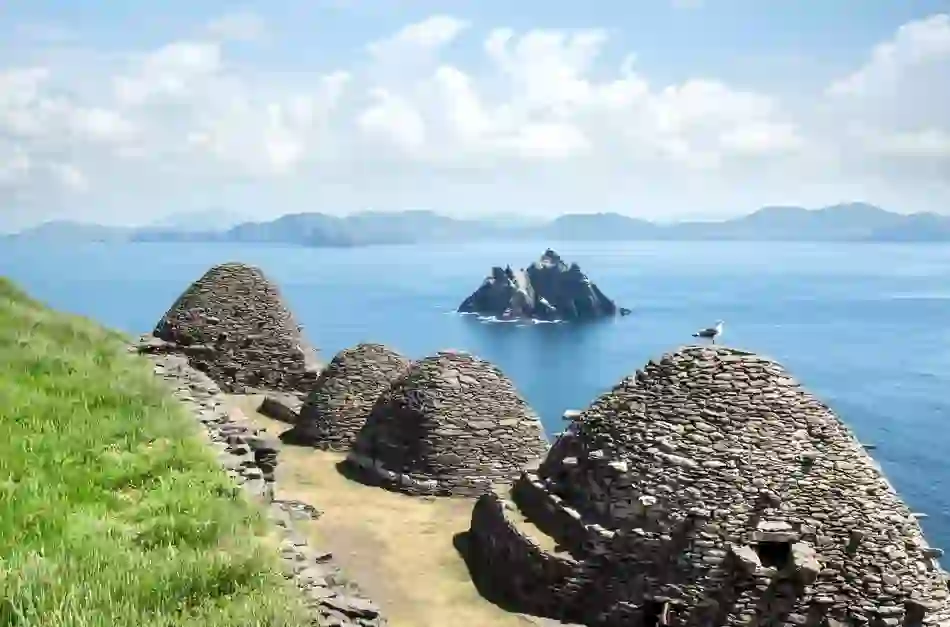
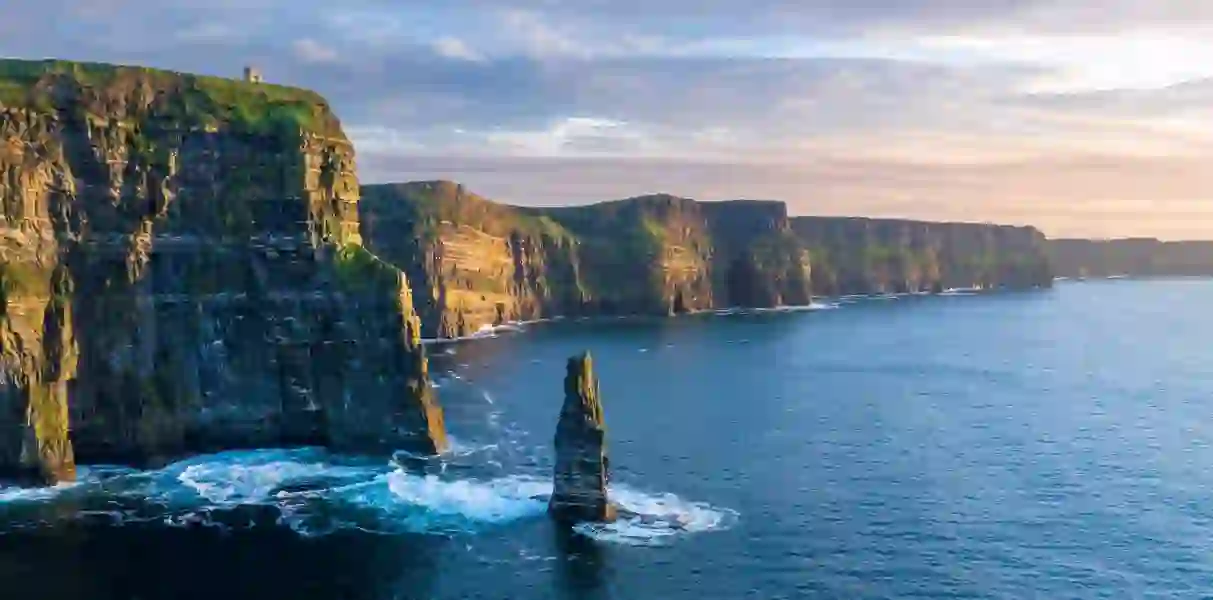
    Of course, it’s easy to feel the wildness that defines this coastline – it’s everywhere, from the soaring Cliffs of Moher to the cinematic beauty of Achill Island and Skellig Michael.

    But the west of Ireland is about more than that – it’s about moments of connection. It’s the chats with locals, the warmth of a fire-lit pub, the tapping feet of a traditional music session.

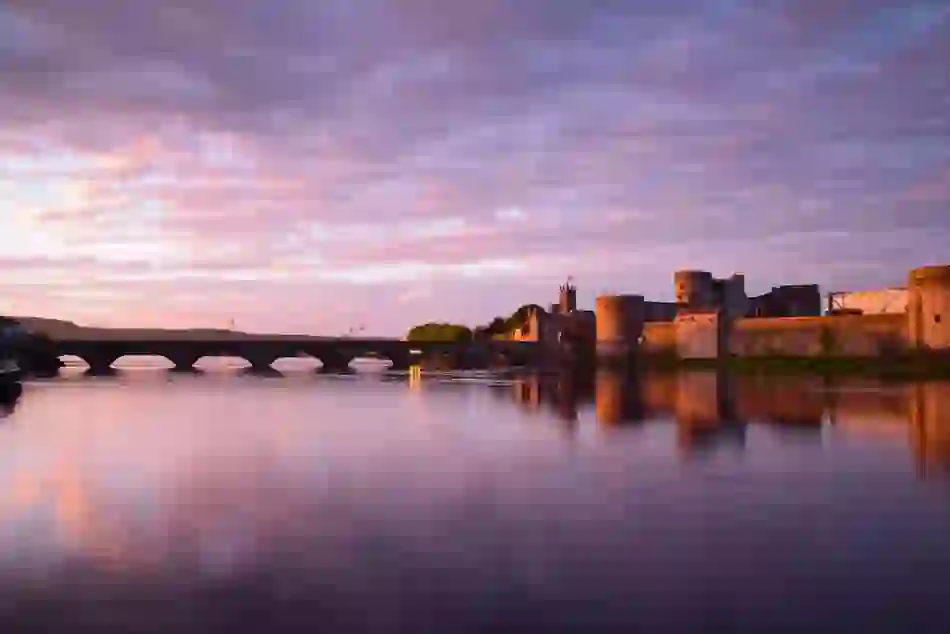
    Enjoy the balmy sway of Galway nightlife, pull up a stool in one of Sligo’s old bars or join a singsong in gorgeous Dingle town and you’ll soon discover that the essence of the Wild Atlantic Way runs deep.

    Are you ready to discover it?

    Read more

    From the wind-whipped tip of Malin Head in County Donegal to the balmy beauty of Kinsale in County Cork, the west coast of Ireland WOWS with epic scenery and captivates with quiet moments. This is a place that has inspired dreamers, drifters, poets and painters, with a landscape laced with dry-stone walls, thatched cottages, brooding mountains and deserted beaches.

    Fanad Head Lighthouse overlooking rugged cliffs and the Atlantic coastline in County Donegal on a clear day. Fanad Head Lighthouse overlooking rugged cliffs and the Atlantic coastline in County Donegal on a clear day.

    Fanad Head Lighthouse, County Donegal

    Tourism Ireland by Gardiner Mitchell

    The edge of Europe

    Whether you decide to explore it in sections or all at once, this is a route that will whisk you to some of Ireland’s most exhilarating destinations, where rugged coastlines collide with crashing waves along the very edge of western Europe.

    It’s a place steeped in myth, legend, story and traditions – shaped by the otherworldly limestone expanse of The Burren in County Clare, defined by the untamed beauty of the Ring of Kerry and brought to life in vibrant towns and cities from Limerick to Letterkenny.

    Top things to do along the Wild Atlantic Way

    Sheep grazing on grassy cliffs above the turquoise waters of Keem Bay on Achill Island, County Mayo. Sheep grazing on grassy cliffs above the turquoise waters of Keem Bay on Achill Island, County Mayo.

    Keem Bay, Achill Island, County Mayo

    Courtesy Chaosheng Zhang

    Ireland’s wild west coast

    Of course, it’s easy to feel the wildness that defines this coastline – it’s everywhere, from the soaring Cliffs of Moher to the cinematic beauty of Achill Island and Skellig Michael.

    But the west of Ireland is about more than that – it’s about moments of connection. It’s the chats with locals, the warmth of a fire-lit pub, the tapping feet of a traditional music session.

    Enjoy the balmy sway of Galway nightlife, pull up a stool in one of Sligo’s old bars or join a singsong in gorgeous Dingle town and you’ll soon discover that the essence of the Wild Atlantic Way runs deep.

    Are you ready to discover it?
    Read more

    Explore the world’s longest defined coastal touring route, a 2,500km road trip known as the Wild Atlantic Way.

    From the wind-whipped tip of Malin Head in County Donegal to the balmy beauty of Kinsale in County Cork, the west coast of Ireland WOWS with epic scenery and captivates with quiet moments. This is a place that has inspired dreamers, drifters, poets and painters, with a landscape laced with dry-stone walls, thatched cottages, brooding mountains and deserted beaches.

    Fanad Head Lighthouse overlooking rugged cliffs and the Atlantic coastline in County Donegal on a clear day. Fanad Head Lighthouse overlooking rugged cliffs and the Atlantic coastline in County Donegal on a clear day.

    Fanad Head Lighthouse, County Donegal

    Tourism Ireland by Gardiner Mitchell

    The edge of Europe

    Whether you decide to explore it in sections or all at once, this is a route that will whisk you to some of Ireland’s most exhilarating destinations, where rugged coastlines collide with crashing waves along the very edge of western Europe.

    It’s a place steeped in myth, legend, story and traditions – shaped by the otherworldly limestone expanse of The Burren in County Clare, defined by the untamed beauty of the Ring of Kerry and brought to life in vibrant towns and cities from Limerick to Letterkenny.

    Top things to do along the Wild Atlantic Way

    Sheep grazing on grassy cliffs above the turquoise waters of Keem Bay on Achill Island, County Mayo. Sheep grazing on grassy cliffs above the turquoise waters of Keem Bay on Achill Island, County Mayo.

    Keem Bay, Achill Island, County Mayo

    Courtesy Chaosheng Zhang

    Ireland’s wild west coast

    Of course, it’s easy to feel the wildness that defines this coastline – it’s everywhere, from the soaring Cliffs of Moher to the cinematic beauty of Achill Island and Skellig Michael.

    But the west of Ireland is about more than that – it’s about moments of connection. It’s the chats with locals, the warmth of a fire-lit pub, the tapping feet of a traditional music session.

    Enjoy the balmy sway of Galway nightlife, pull up a stool in one of Sligo’s old bars or join a singsong in gorgeous Dingle town and you’ll soon discover that the essence of the Wild Atlantic Way runs deep.

    Are you ready to discover it?

    Read more
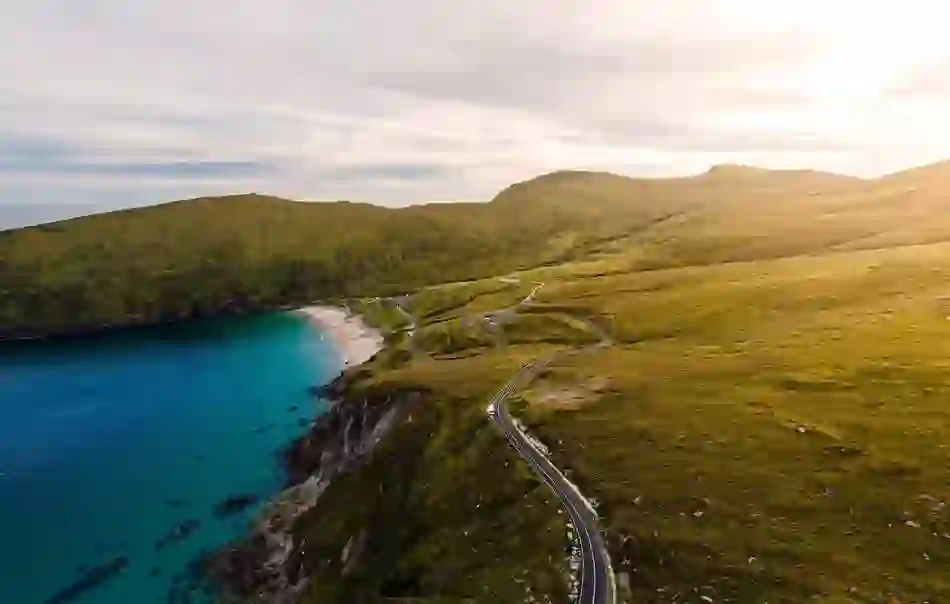
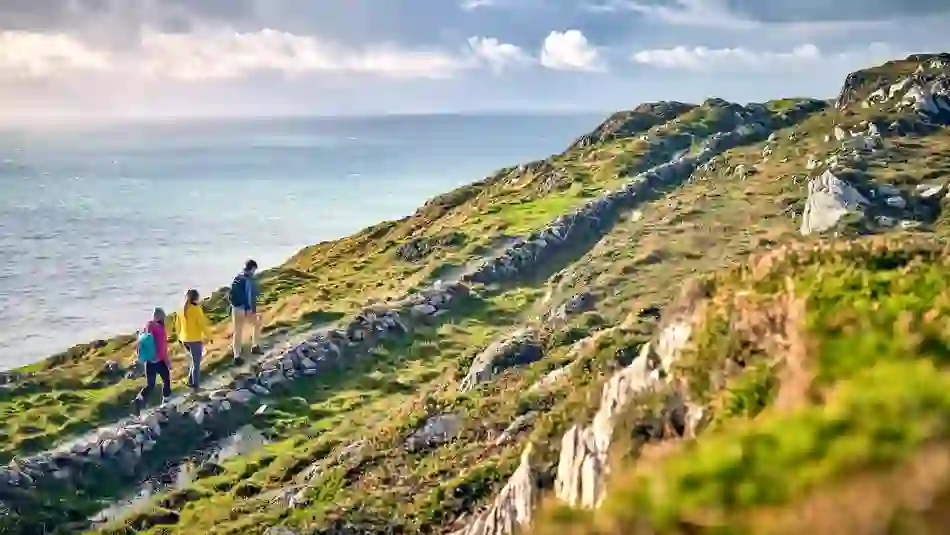
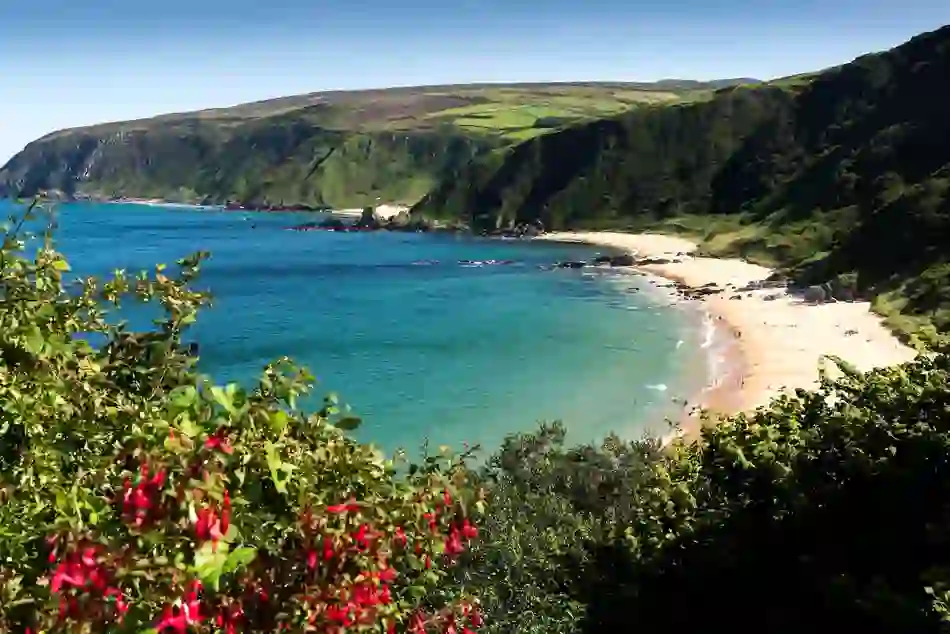
    Scenic coastal road on the Beara Peninsula, County Cork, with walkers enjoying sea views and rugged green hills. Scenic coastal road on the Beara Peninsula, County Cork, with walkers enjoying sea views and rugged green hills.
    Think dramatic sea cliffs, crashing waves and windswept beaches, all joined up by road over a whopping 2500km. Rough Guides
    Wild Atlantic Way FAQs
    How long is the Wild Atlantic Way?

    The Wild Atlantic Way is one of the longest defined coastal touring routes in the world. It spans around 2,500km, or just over 1,550 miles and covers nine counties on the west coast of Ireland:

    How long does it take to drive the Wild Atlantic Way?

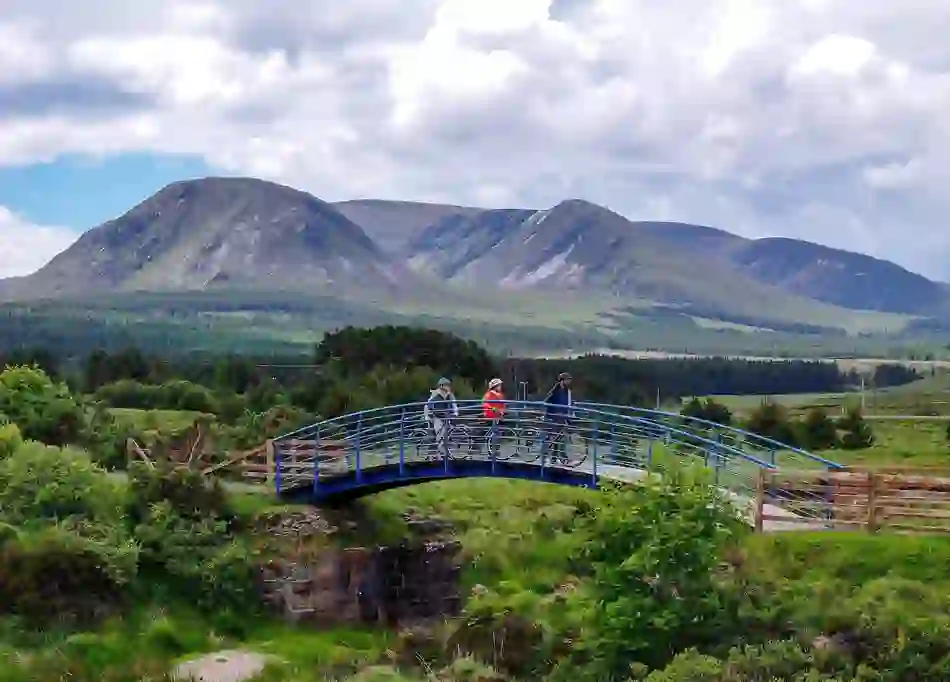
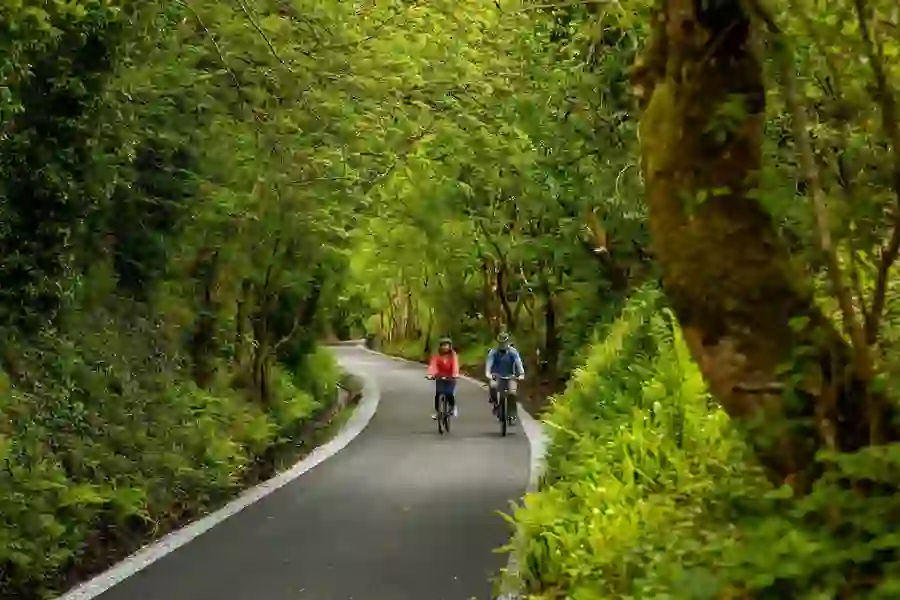
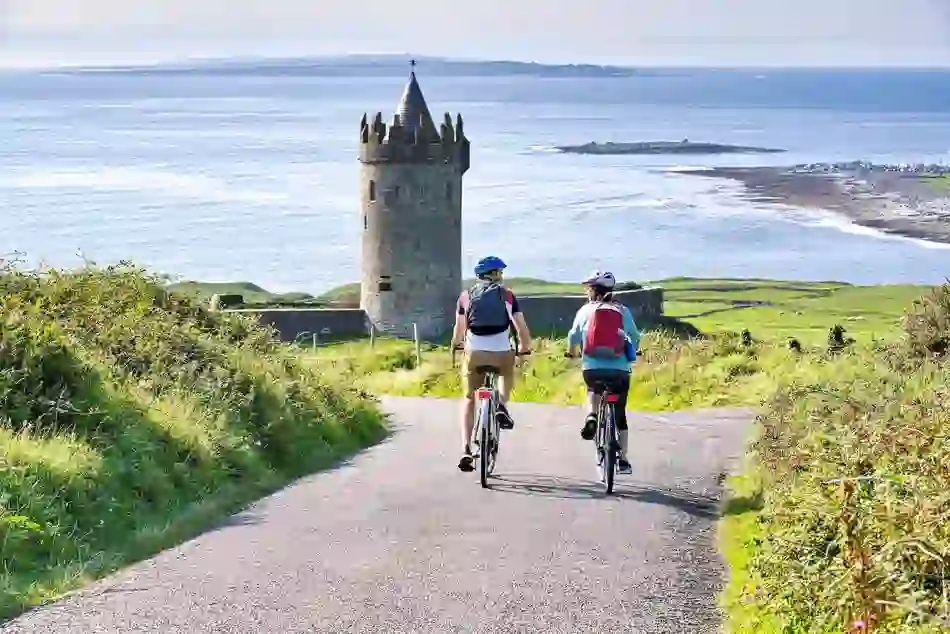
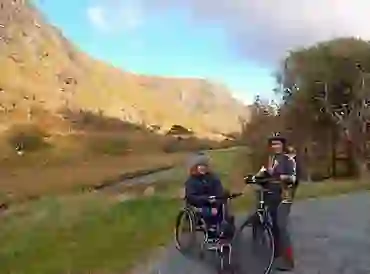
    Given that it’s 2,500km long, the Wild Atlantic Way is not designed to be driven in one go – it’s a route that invites slower discovery. We would recommend spending at least 10 days exploring the Wild Atlantic Way, although 14 or more will give the best experience. It’s worth remembering that the Wild Atlantic Way can also be enjoyed in sections, so you don’t have to do it all on one trip. The route also offers some great cycling sections for more adventurous travellers, including the Great Western Greenway and the Connemara Ring.

    What’s the best way to plan a trip along the Wild Atlantic Way?

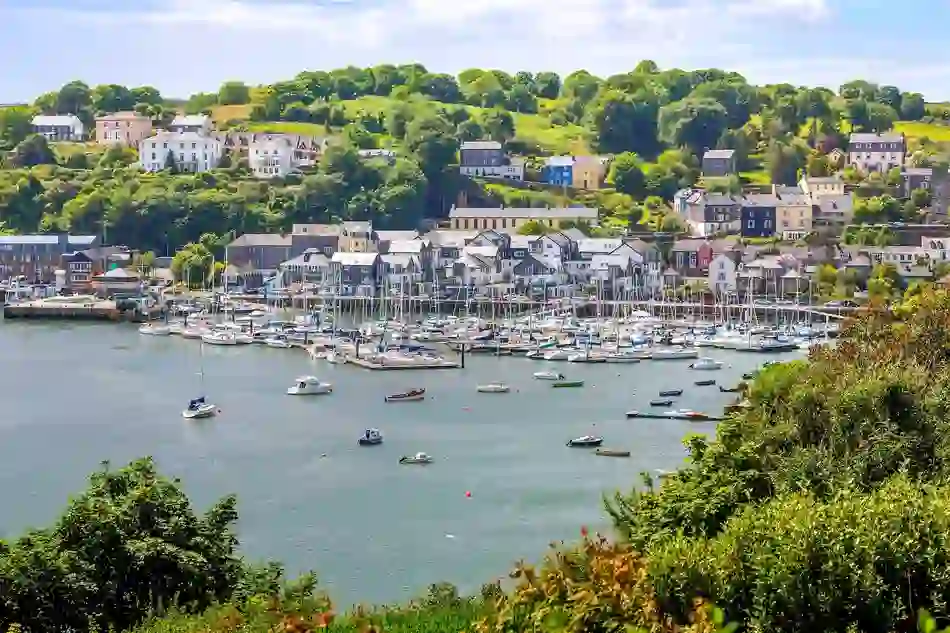
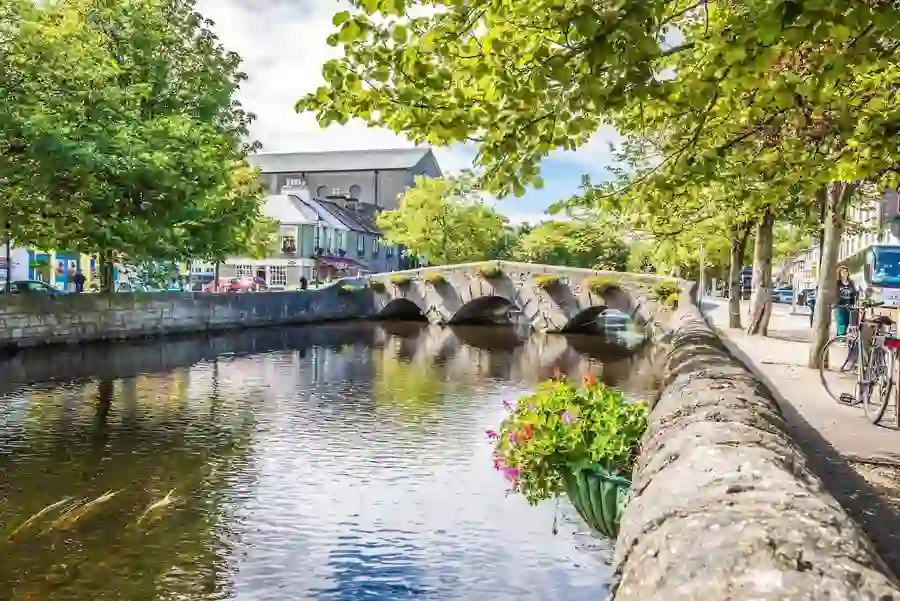
    The best way to plan a trip along the Wild Atlantic Way is to choose great towns and villages to stop off at or to base yourself in along the route, including Letterkenny, Sligo, Westport, Clifden, Doolin, Dingle and Kinsale. We’ve got a great range of trip ideas that help you plan all kinds of journeys from walking adventures to specific routes, such as the cliffs and coves of Limerick and Clare.

    Is the Wild Atlantic Way well signposted?

    Yes, driving around the Wild Atlantic Way, you’ll find many distinctive signs featuring a W logo that resembles a wave. It makes it easy to stay on track and will help you know whether you’re going in a northerly direction (towards Donegal) or south (towards Cork).

    Where does the Wild Atlantic Way start?

    Where the Wild Atlantic Way starts depends on the direction you are travelling, whether from north to south or the other way around. However, officially the Wild Atlantic Way begins in Muff in County Donegal and ends in Kinsale in County Cork. If you want a longer journey, travel from south to north and continue on to the Causeway Coastal Route along the coast of Northern Ireland.

    Where should I stay on the Wild Atlantic Way?
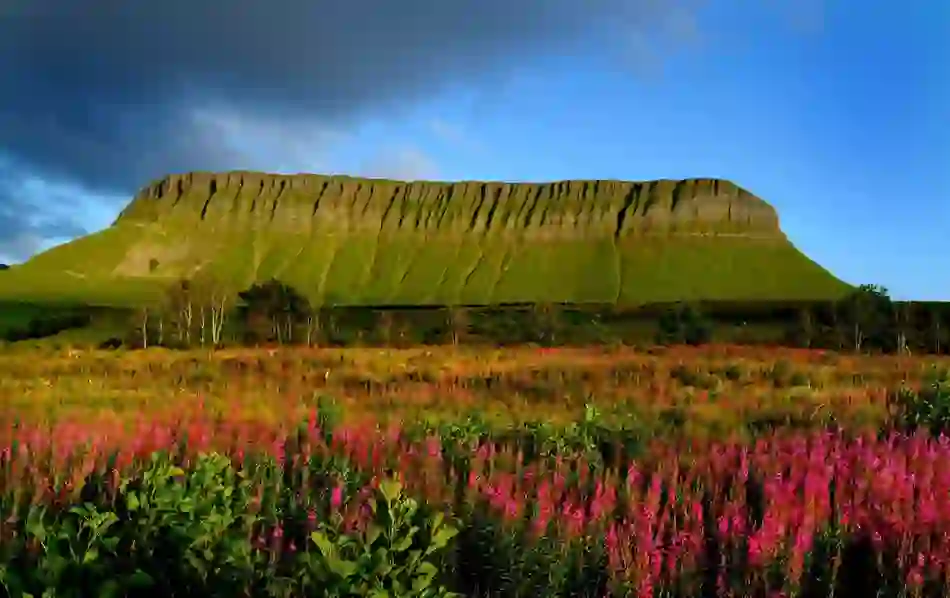
    There are so many great places to stay on the Wild Atlantic Way, that you’ll be spoiled for choice with accommodation to suit every budget. Choose from unusual and unique hideaways to grand country houses and luxurious castles. We’ve got everything you need to plan your trip.

    What is the best time of year to do the Wild Atlantic Way?
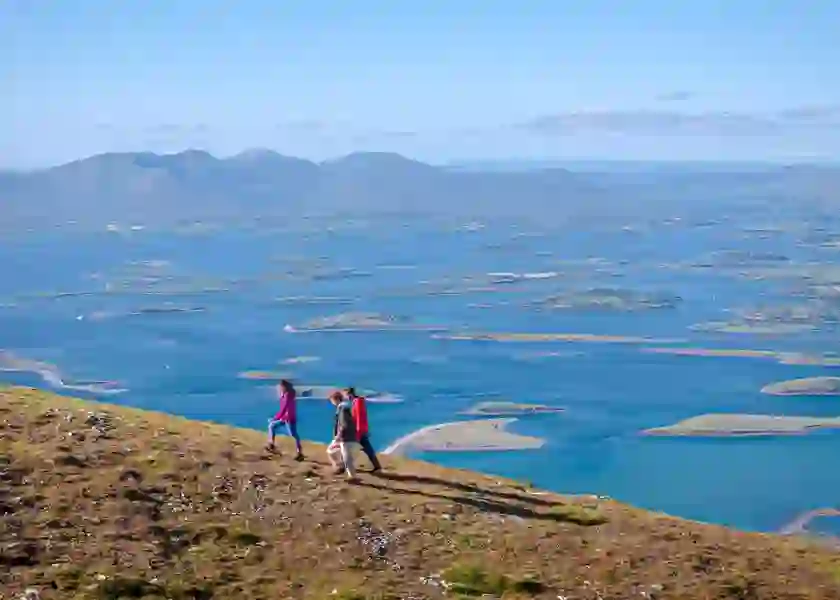
    Summer is the best time to travel the Wild Atlantic Way as you’ll get the mildest temperatures and most reliable conditions, making it great for sea swimming, island travel and boat trips. However, it can also be the busiest season. Many who travel this route say that the bright days of spring and the burnished tones of autumn are also beautiful times to visit. In winter, there can be storms along the west coast and the weather is unpredictable, but it also brings its charm with empty beaches, cosy pubs and dramatic waves.

    What kind of activities can I do along the Wild Atlantic Way?

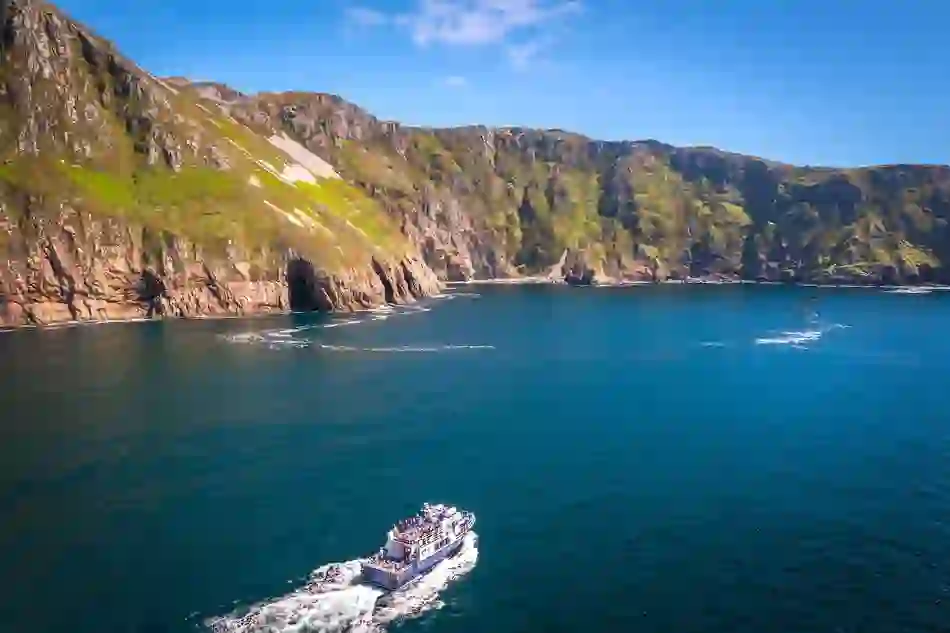
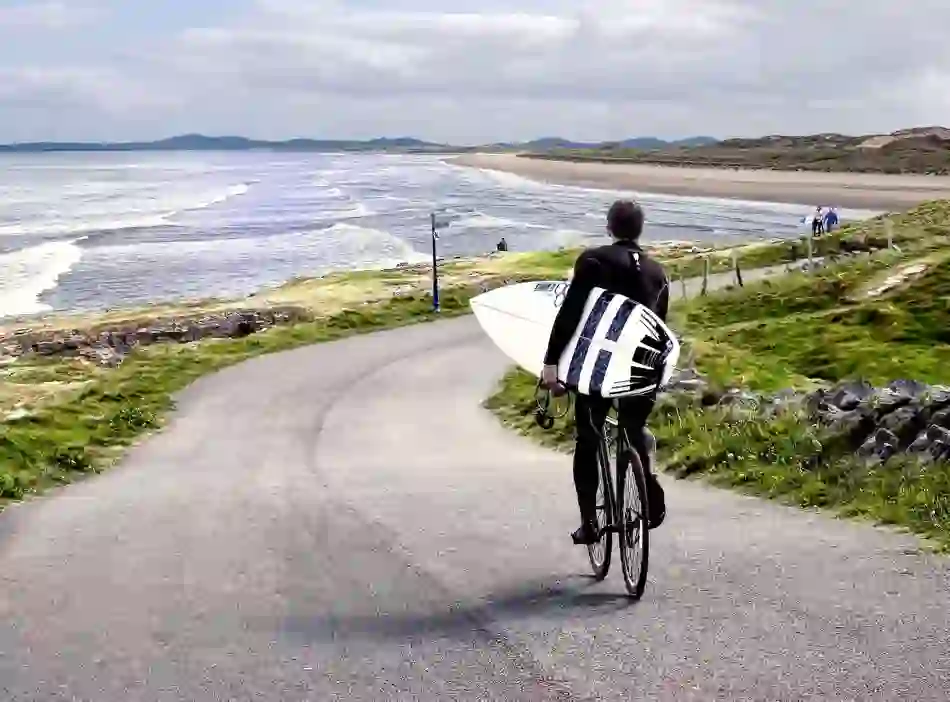
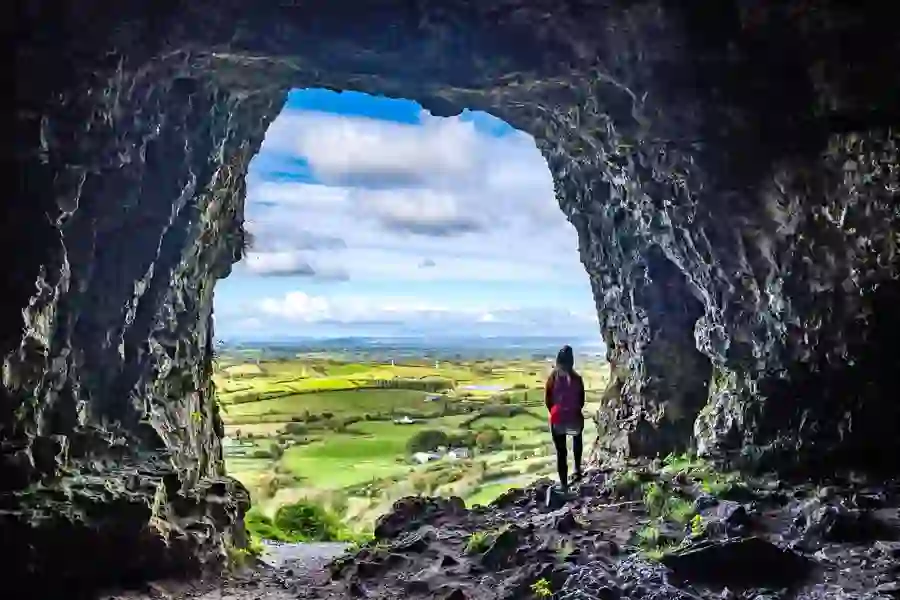
    There are many activities along the Wild Atlantic Way to suit every kind of traveller. As well as sea swimming, you can try your hand at surfing, sailing, deep-sea fishing, canoeing, kayaking and scuba-diving. On land, you can enjoy cycling, walking, horse riding and seaweed foraging. Want to take it up a notch? Adventurers can opt for mountaineering, caving, rock climbing and more.

    What is the most beautiful part of the Wild Atlantic Way?

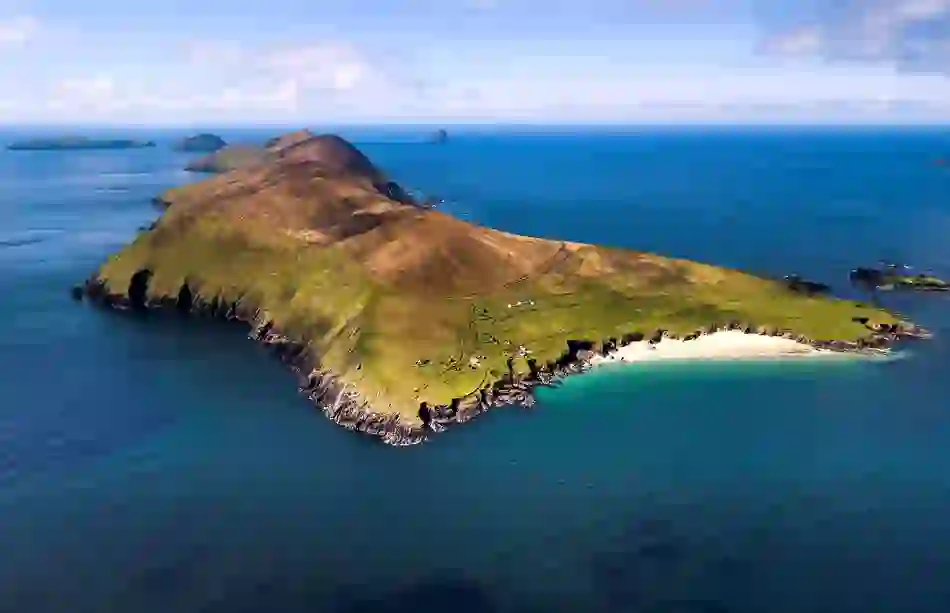
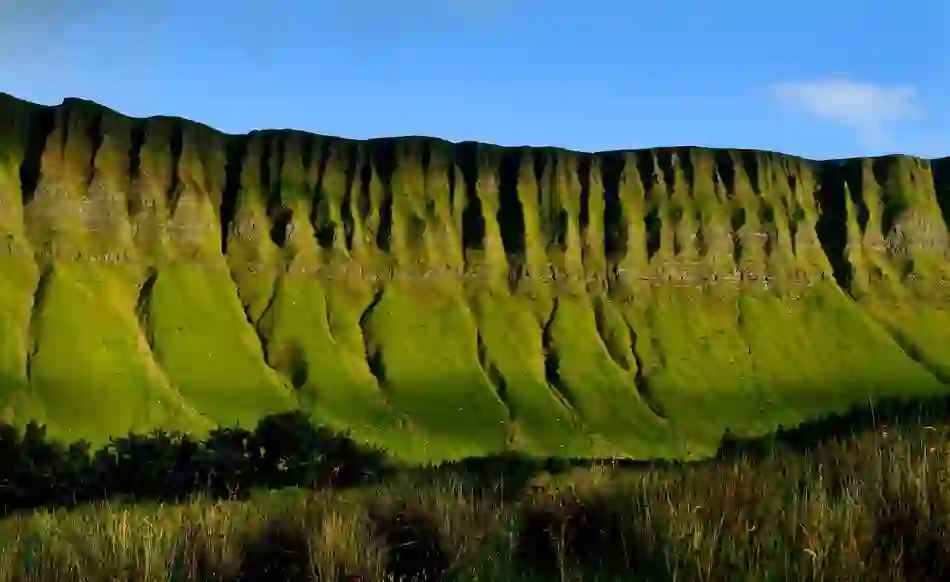
    Every part of the Wild Atlantic Way has its own charm, from the quiet coves of County Galway to the pale sands of Donegal’s famously beautiful beaches. But there are some iconic places you may not want to miss, including the 6th century monastic site of Skellig Michael, the Ring of Kerry driving route, and the lively town of Dingle. We’d also recommend going off the beaten track and exploring the small but stunning stretch of Leitrim coastline, County Sligo’s magnetic Ben Bulben, and the offshore islands of Cape Clear, Great Blasket and Arranmore.