My Ireland


Oops... no internet connection
While offline, you can still add items to My board. New travel reccomendations will only show up once you’re back online.
Items without a physical location are not shown in map view.
Looks like your board is empty


Collection cover image
Visible to people you share your board with













Location access
- View offers and deals nearby
- Find travel inspiration based on your location
- Get local weather forecasts and essential information








Travel times
Tell us when you are travelling to Ireland and we'll show you tailored reccomendations during of your trip.


- Recommended events during your stay
- Helpful travel reminders and updates
Privacy
We take your privacy very seriously and only ever process your data with your permission. If possible this is handled anonymously and we will never store your data for longer than is required. For more information on how we handle your personal data, please read our privacy policy.
Remove data
To securely remove all data associated with your profile, please contact our Data Protection Officer.
Reset your board
This will remove all the items you have previously liked from your board. Please note, you can’t undo this action.
User
Location access
- View offers and deals nearby
- Find travel inspiration based on your location
- Get local weather forecasts and essential information
Travel times
Tell us when you are travelling to Ireland and we'll show you tailored reccomendations during of your trip.
- Recommended events during your stay
- Helpful travel reminders and updates
Reset your board
This will remove all the items you have previously liked from your board. Please note, you can’t undo this action.

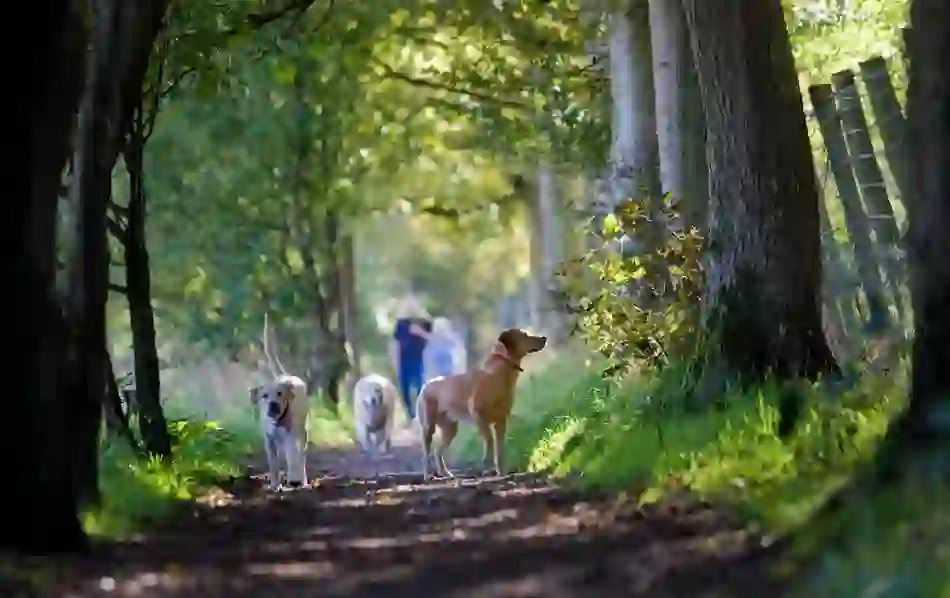

Bringing your pet to Ireland
Everything you need to know about exploring the island of Ireland with your pet


Ireland’s famously warm welcome also extends to pets, so no one has to be left behind when you go on a family holiday. With a little planning, you can find fun things to do and great places to stay where pets are made to feel right at home.
Enjoy the great outdoors as you follow scenic greenways, walk stunning coastal paths and make a splash at golden beaches. Discover colourful towns and villages before refuelling at easygoing pubs and cafés. Then relax after a busy day at hotels, country houses and cosy cottages that cater to pets.
Ireland is a wonderful place to explore with your pet and a little consideration helps everyone enjoy the experience. Keep your pet on a lead in public areas. Carry waste bags and clean up after them, and always be respectful of others.
5 top tips
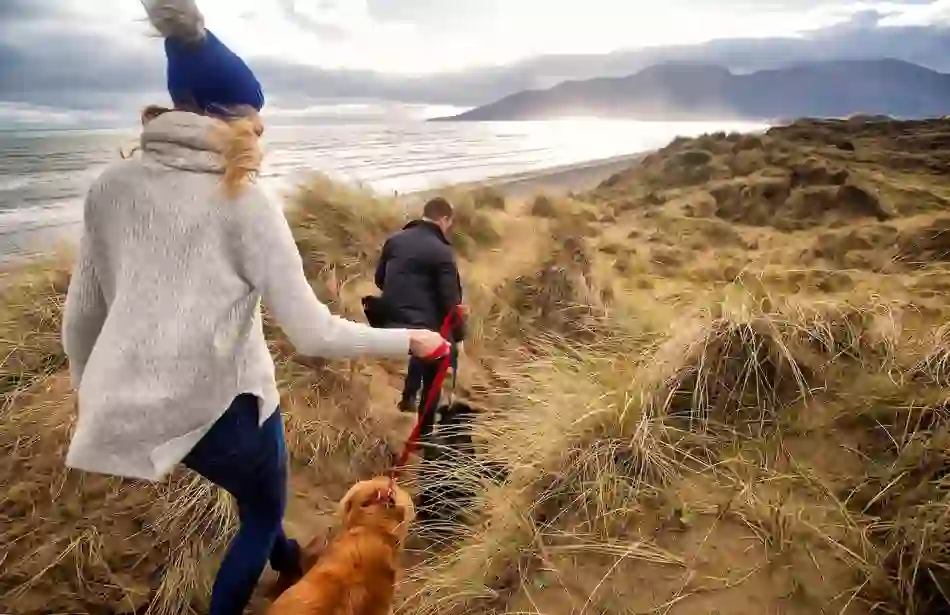

Murlough Beach, County Down
Courtesy Tourism Northern Ireland
From cosy B&Bs to cute self-catering cottages and luxury hotels, Ireland offers plenty of choice for visitors with pets. Many places go the extra mile, providing dedicated rooms, safe outdoor areas, treats, toys and even room service.
The Twelve Hotel, just outside Galway city, offers a Pet Concierge Service, with discounts on local dog sitters, groomers and vets. Meanwhile, The Rabbit Hotel and Retreat near Belfast welcomes pets into Hunters Bar, so they can join you for a relaxing evening.
How to find suitable accommodationMost accommodation booking websites offer a pet-friendly filter to help you find places to stay. B&B Ireland is a great starting point if you’re looking for B&Bs that welcome pets. For something a little different, explore the Irish Landmark Trust’s collection of historic self-catering properties, which includes towers, cottages and restored gate lodges.
Whatever type of accommodation you book, always ask your provider about their pet policy, as rules can differ across properties. Some may charge an additional fee for your pet and there may be restrictions on the number, size or breed of pet accepted.
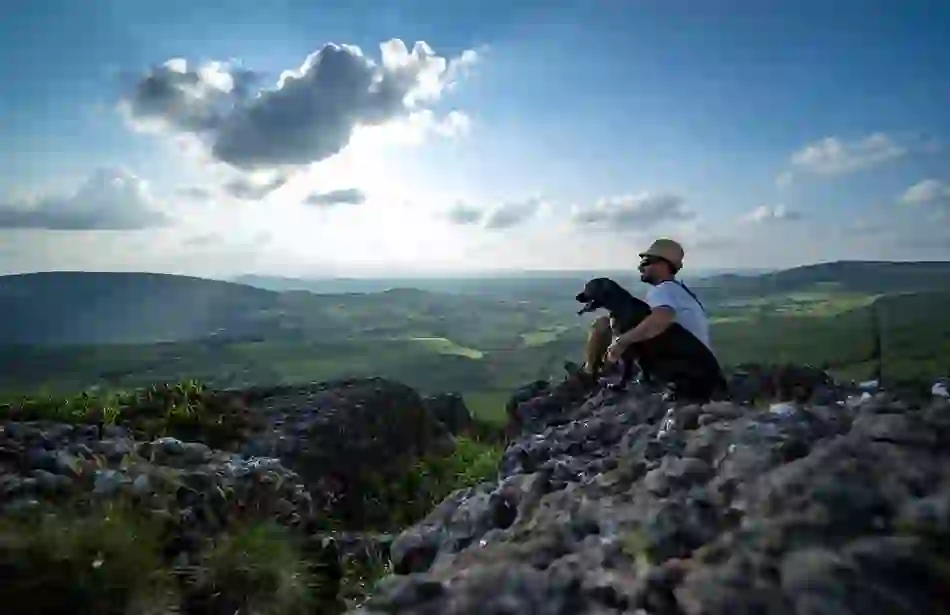

Devil's Bit Loop Walk, County Tipperary
12 pet-friendly places to stay in Ireland
We’ve got everything from cosy cottages to high-class hotels.
Across the island of Ireland, you’ll find lots of cafés, pubs and restaurants that allow pets. Many offer welcoming outdoor spaces like terraces and beer gardens, and a growing number allow pets inside.
On a city break? Try Two Pups café restaurant in Dublin or Canteen in Belfast. For refreshments on the go, drop into Mikey Ryan’s in County Tipperary, near the famous Rock of Cashel, or Laragh Lodge beside the Glenariff Waterfalls Walk in the Glens of Antrim. If you fancy a traditional Irish pub experience, head for Dick Mack’s in County Kerry or White’s Tavern, one of Belfast’s oldest pubs.
As with accommodation, pet policies vary from place to place, so find out before visiting, particularly if you want to bring your dog inside. And don’t be surprised if your companion attracts a little attention – meeting the locals is all part of the Ireland experience.


Gweedore, County Donegal
Courtesy Martin Fleming
Whether you’re arriving by air or sea, or exploring Ireland by public transport, the key to an enjoyable and stress-free trip is planning.
Planes and ferriesFerry companies and airlines have their own pet travel policies. These govern the kind of animal they will carry, where they can travel, the type of carrier you need and booking requirements. Always confirm the rules with your operator before you book.
Public transportIf you’re travelling by bus, train or tram, you should check ahead as the rules can vary between operators.
Republic of Ireland: you can bring your dog or cat on Iarnród Éireann/Irish Rail services subject to certain conditions. In Dublin, the Luas tram service also allows pets in enclosed carriers. However, rules for buses are specific to each operator. Bus Éireann and Dublin Bus do not generally carry pets other than guide and assistance dogs.
Find out more about animals on Transport for Ireland services.
Northern Ireland: dogs and cats can travel free on Translink buses and trains after 9.30am in Northern Ireland, at the discretion of staff and subject to some conditions.
Unlike pets, guide and assistance (service) dogs are recognised as working animals and have legal access rights to many public places and services, including public transport, accommodation, restaurants, pubs and visitor attractions. If you’re visiting Ireland with your guide or assistance dog, here are some things to remember.
- Ensure they meet the animal health and entry requirements, which differ between the Republic of Ireland and Northern Ireland.
- Check the policies of your airline or ferry operator before travelling to the island of Ireland.
- Bring any identifying harness or coat your guide or assistance dog uses, along with any identification documents you have for them. Some transport operators may have specific identification requirements, so do your research before travelling.
Emotional Support Animals do not have the same legal recognition as guide and assistance dogs. If you’re travelling with an ESA, the best advice is to plan ahead to avoid surprises.
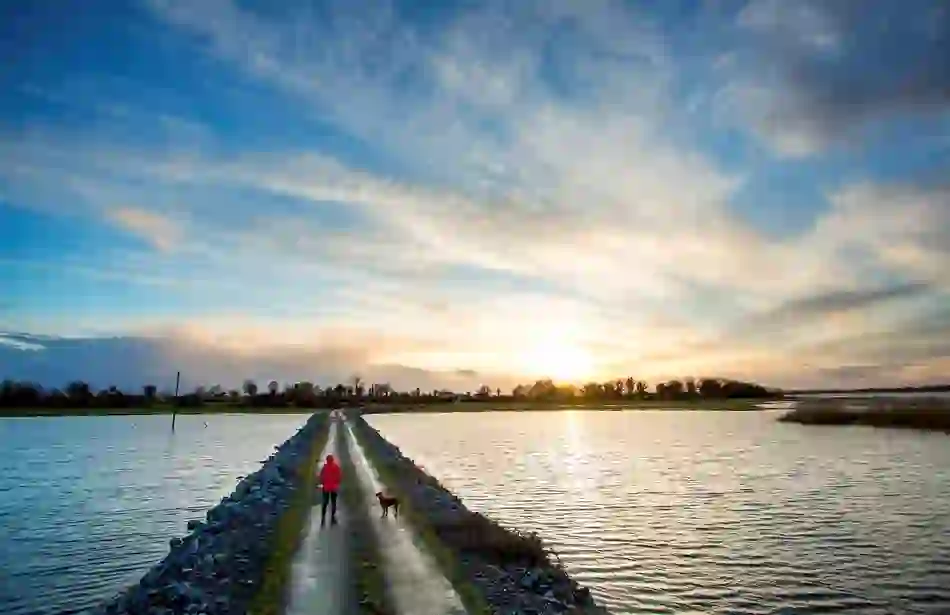

Saint's Island, County Longford
Courtesy Micheal Howard for Fáilte Ireland
If you’re bringing a dog, cat or ferret to the island of Ireland, you must meet specific entry requirements. These depend on the type of pet, where you’re travelling from, whether you’re coming to the Republic of Ireland or Northern Ireland, and whether you plan to travel between the two.
Entry requirements may include:
- A microchip
- Rabies vaccination
- Appropriate pet travel documentation
- Tapeworm treatment (for dogs on certain journeys only)
There may be additional health or entry requirements for some journeys so consult the latest official guidance well before you travel and talk to your vet, if necessary.
Republic of Ireland: visit the Irish Government’s Pet Travel Portal.
Northern Ireland: see the Northern Ireland Government’s pet travel guidance.
If you’re visiting both the Republic of Ireland and Northern Ireland, know the requirements for each part of your journey before travelling.