



























Explore a haunting monument to Ireland’s quest for political independence.
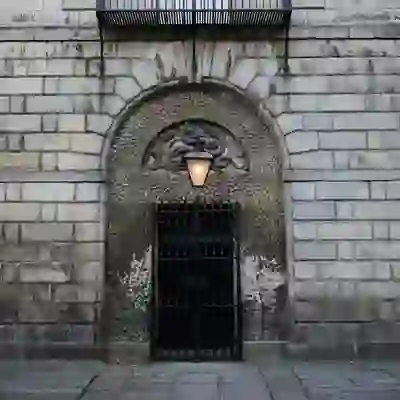
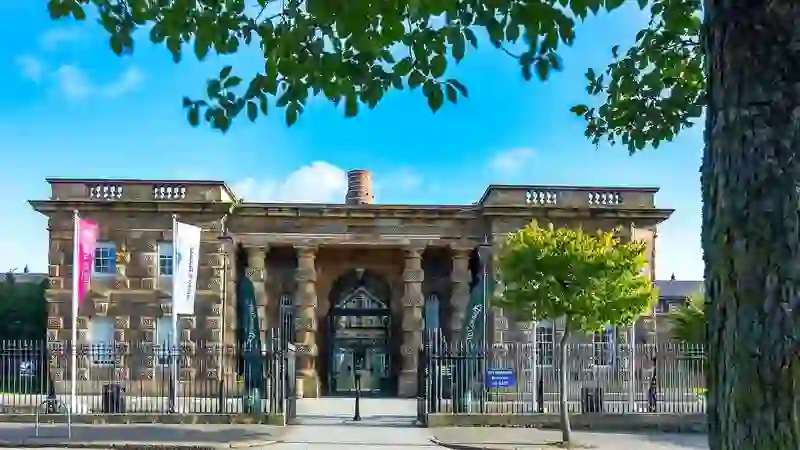
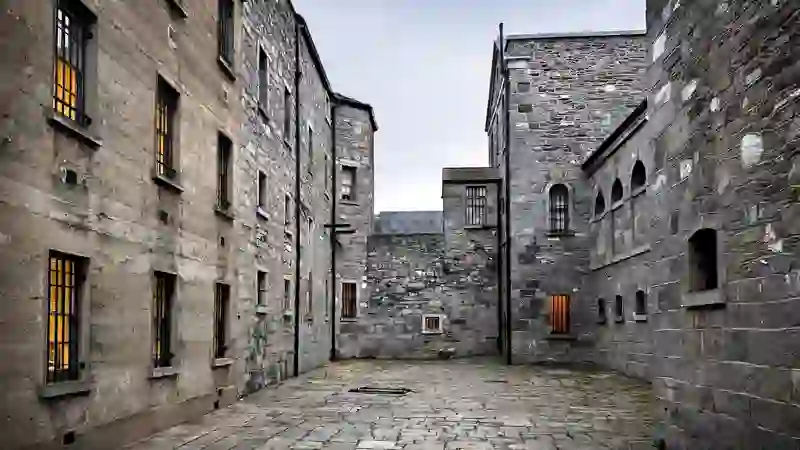
Even though its cells have been empty for more than a century, the looming grey stone entrance of Kilmainham Gaol still sends a shiver down the spine. In 1796, this formidable place opened as Dublin’s County Gaol, and its cold stone walls soon became entwined with Ireland’s turbulent quest for independence. Over the years, it held revolutionaries, poets and political leaders whose names now echo through history. By the time it closed in 1924, Kilmainham had witnessed moments that would shape a nation.
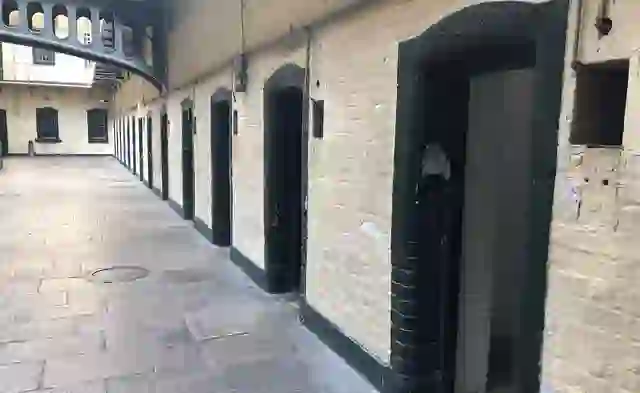

Kilmainham Gaol, Dublin
Kilmainham Gaol is one of Dublin’s most popular visitor attractions and tickets must be pre-booked online in advance of your visit. Access is by guided tour only and takes around an hour, but it’s a good idea to allow extra time to explore the gaol’s museum.
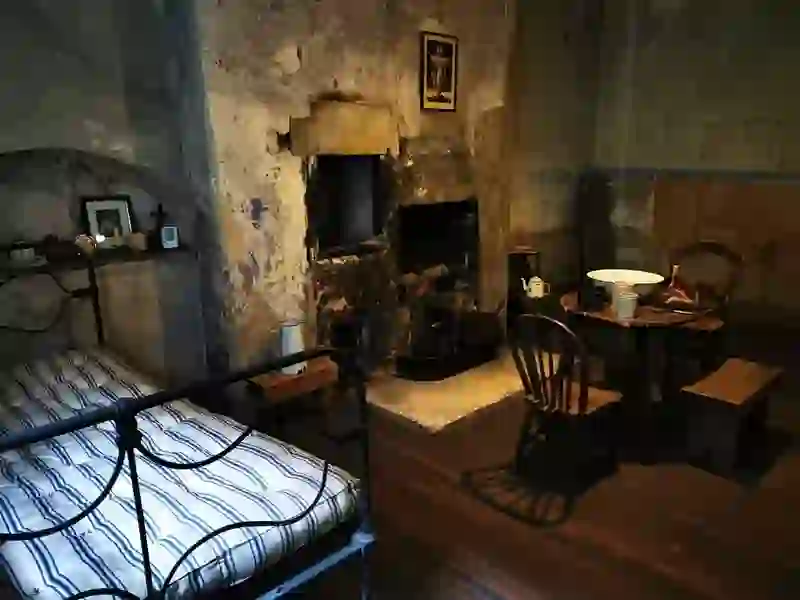
On the tour, you’ll hear stories of the dramatic events that took place here. As well as political prisoners, who were kept here from the Rebellion of 1798 to the Irish Civil War of 1922-23, Kilmainham housed thousands of people who had committed minor offences and were waiting to be transported to Australia. Most of these “criminals”, including children, were held in the cramped, dark and ominous West Wing, which survives in its original state.
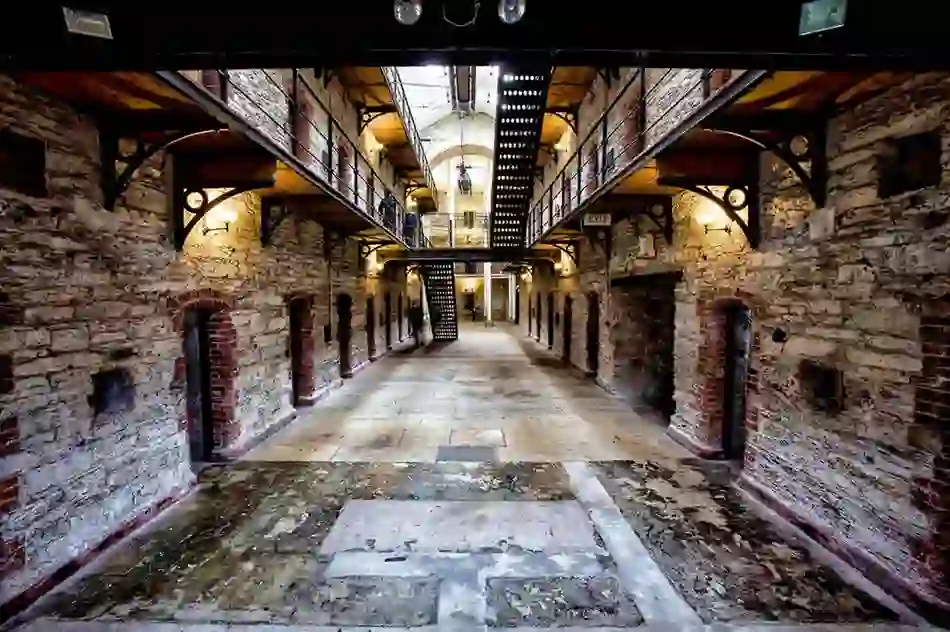
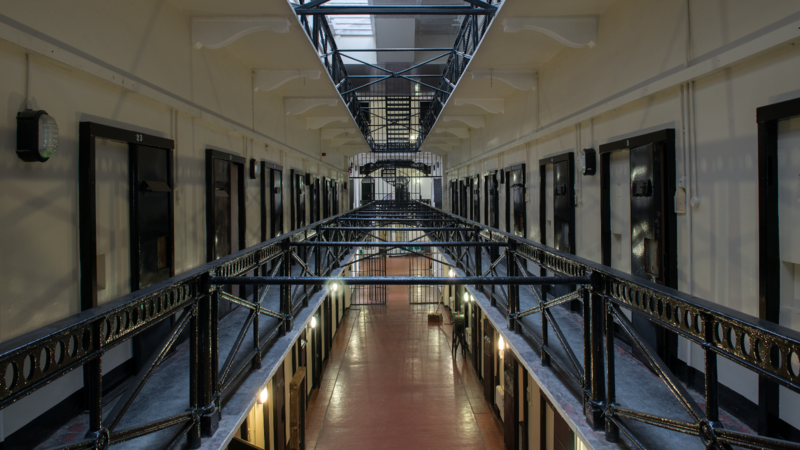
A 19th-century vision of reformThe tour continues into the East Wing, which was built in the 19th century and reflects a Victorian penal philosophy structured around surveillance, order and reform. The cells are arranged around an architecturally striking central atrium, with three tiers of open metal walkways. Light pours in from a huge skylight above, which was thought to offer spiritual inspiration to the inmates.
Outside in the Stonebreakers’ Yard, male prisoners sentenced to hard labour would spend backbreaking hours at work. It was here that the leaders of the Easter Rising were executed in 1916. Once the tour ends, visit the museum, where exhibitions explore the social history of the gaol and Irish prisons, Irish political history and the restoration of the gaol in the 1960s.
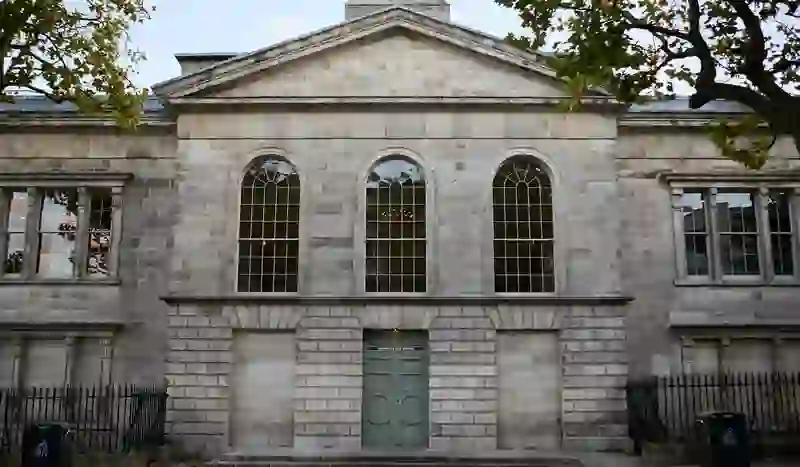
Food and drink at Kilmainham GaolThe Kilmainham Gaol Visitor Centre is located within the adjoining courthouse, which dates back to 1820. This is also where you’ll find Brambles Café, where you can enjoy light refreshments. A short walk from the gaol, you’ll also find several pubs, cafes and restaurants. The Patriots Inn, which dates from 1793, serves a menu of hearty mains for both lunch and dinner, while Cool Hand Coffee Roasters is an artisan coffee roastery just a short walk away.
Within the Dublin 8 district you’ll also find a wider selection of places to eat and drink, including Riggers D8, a popular family-run restaurant serving casual dishes such as pastrami sandwiches and an Irish breakfast bun, with black pudding, bacon and sausage.
Discover Dublin’s exciting food scene


Phoenix Park, Dublin
Courtesy of Rob Durston
Kilmainham Gaol is located around 3.5km from Dublin city centre, but is also close to a number of top attractions. Just a short walk away is the Irish Museum of Modern Art, housed in the 17th-century Royal Hospital Kilmainham, with more than 3,500 artworks by Irish and international artists.
A stroll across the River Liffey will bring you to Phoenix Park – a huge former royal hunting park – and the National Museum of Ireland, Collins Barracks, which details Ireland’s Decorative Arts & History.
After that, you’re perfectly placed to explore Smithfield and Stoneybatter. Enjoy the buzz of pubs such as The Cobblestone (known for its traditional music), L Mulligan Grocer (a renowned gastropub) and the super-hip Fidelity (serving craft beer), then dine at local favourites including Fish Shop, Grano and Vada.
The gaol is around a 30-minute walk from the Guinness Storehouse, in the vibrant Liberties area.
A visit to Kilmainham Gaol offers more than just an insight into Ireland’s past, it offers a perfect starting point for exploring some of Dublin’s top attractions.