


























Walk in the footsteps of High Kings when you visit Ireland's ancient seat of power.
Once the ceremonial home of Ireland’s High Kings, the Hill of Tara has been a sacred site for over 5,000 years.
Discover the legends of Tara – from mythical gods to the Stone of Destiny – at the visitor centre housed in a 19th century church.
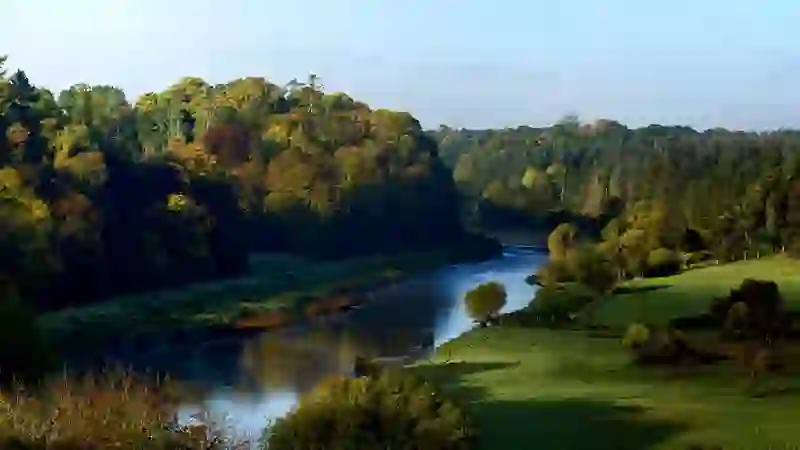
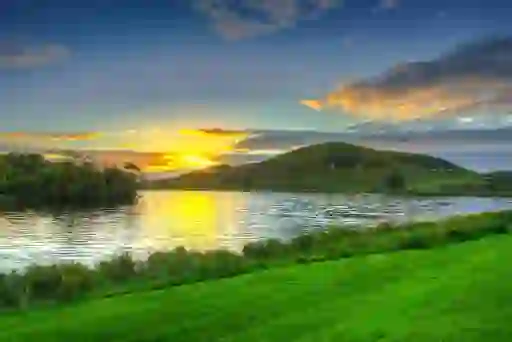
Enjoy panoramic views out over the lush, green Boyne Valley, a timeless landscape steeped in history and legend.
Few places in Ireland bring history and myth together quite like the Hill of Tara. Rising above the County Meath farmland, it has been a centre of ceremony, power and belief for thousands of years. Here, the deeds of kings and gods overlap with archaeology that reveals one of the island’s most important ancient sites. The quiet ridges and mounds that shape this hill still hold the echoes of coronations, ceremonies and heroic tales. Look out across the landscape and you’ll feel it – the past is very much alive.
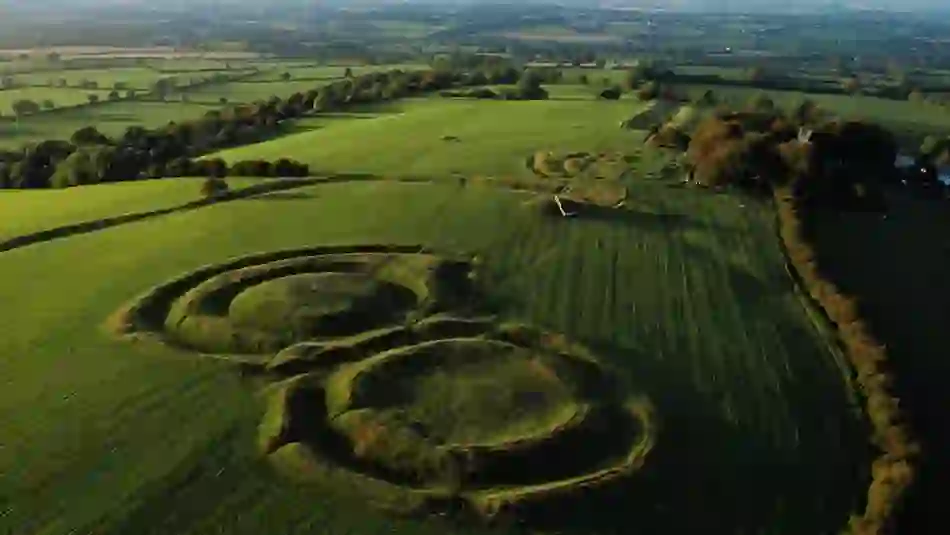

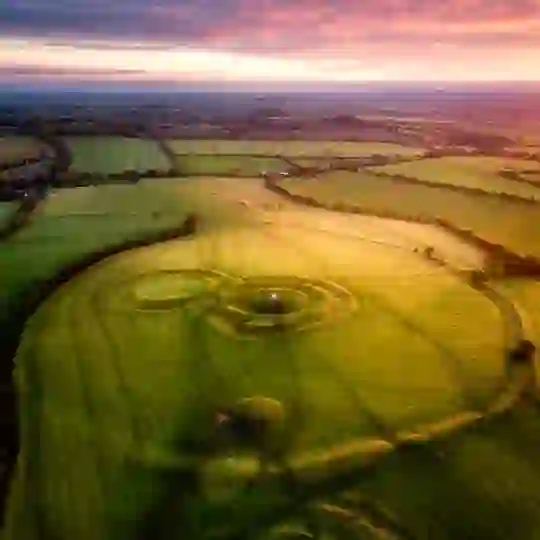
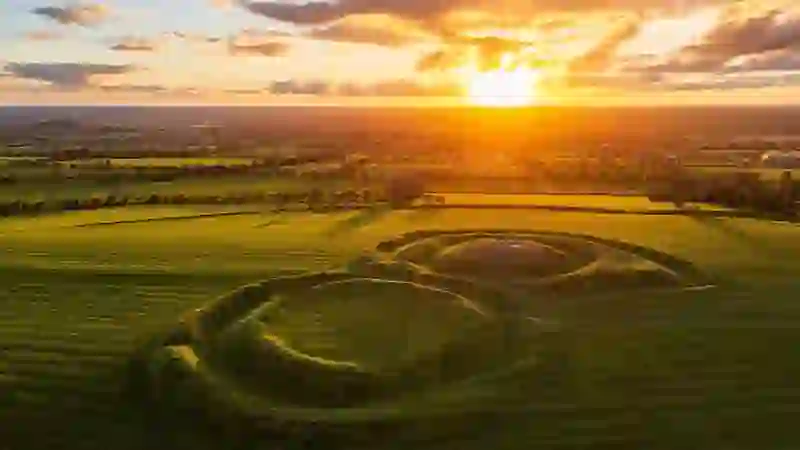
Ráth na Ríogh (Fort of the Kings), Hill of Tara
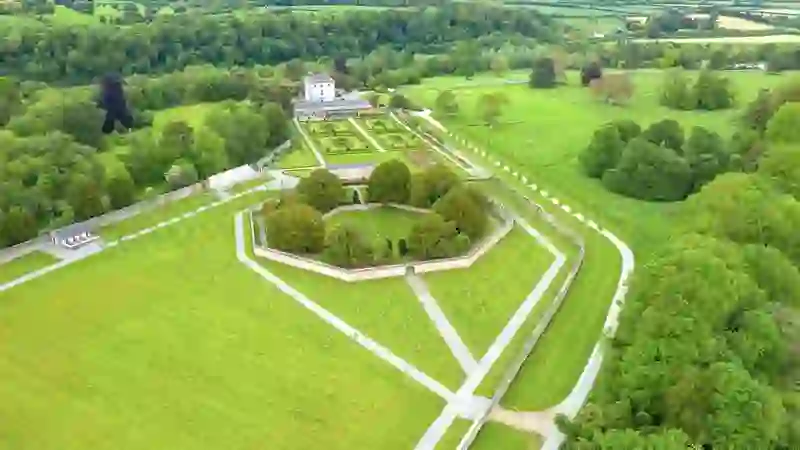
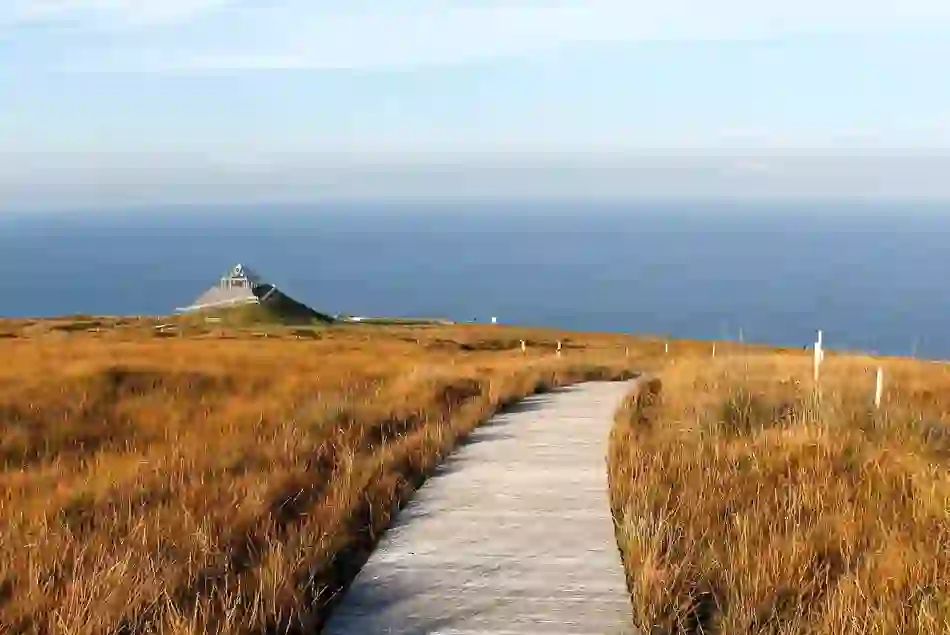
Your journey begins at the Visitor Centre, housed in the former Church of St Patrick, where exhibitions and films trace Tara’s story from Neolithic beginnings to the age of the High Kings. During the summer season, guided tours are available from the visitor centre and include an audiovisual presentation detailing the site’s history. You’ll then be led through winding paths across the hill to explore its grassy contours and ancient ringforts.
At the summit stands Ráth na Ríogh (Fort of the Kings), and the hill is dotted with mounds such as Teach Chormaic (Cormac’s House) and Duma na nGiall (the Mound of the Hostages), each connected to royal and ritual traditions. Many of these features date from the Iron Age, when Tara became the most important place in Ireland.
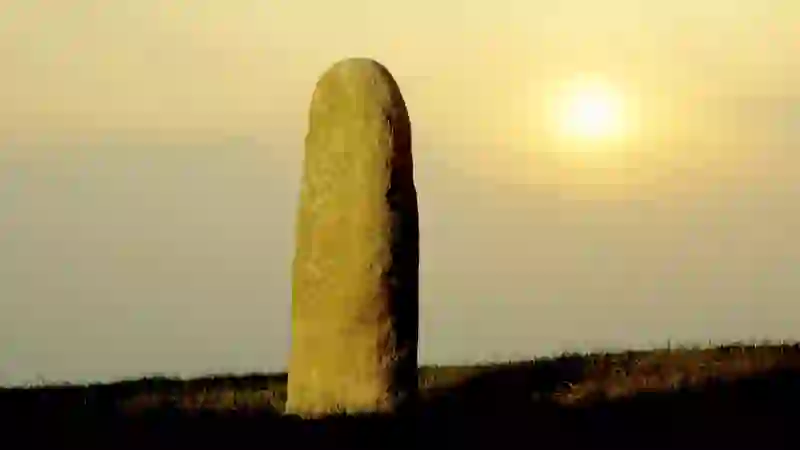
Ireland’s Stone of DestinyAt its centre stands the Lia Fáil, or “Stone of Destiny”, said to roar when touched by the rightful king of Ireland. According to legend, it was brought here by the Tuatha Dé Danann, Ireland’s ancient gods, as one of their sacred treasures. Tara was also believed to be a gateway to the Otherworld, a sacred place where gods and mortals met. Kings were said to marry the goddess Medb to bind their reign to the land, and it was here that St Patrick is said to have defied the pagan High King Laoghaire, marking the arrival of Christianity in Ireland.
You can also visit the Hill of Tara without a guided tour free of charge, although to make the most out of the site’s history, a guide is definitely advisable. Bear in mind that this is an outdoor site and traverses uneven terrain, so dress accordingly and wear appropriate footwear when visiting.
Discover some of Ireland’s must-see historic sites
Food and drink at the Hill of TaraThe family-run Tara Café at the Hill of Tara is perfect for daytime dining. Expect a mix of traditional dishes, such as Irish stew and seafood chowder, along with salads, wraps and paninis. During the summer months, the café also serves wood-fired pizzas on Fridays, Saturdays, Sundays and Bank Holiday Mondays from 2pm – 6pm. Navan is the closest town to the hill, and here you’ll find lots of pubs, cafes and restaurants including Earls Kitchen, Zucchinis and The Central.
Find great places to eat in Ireland’s Ancient East
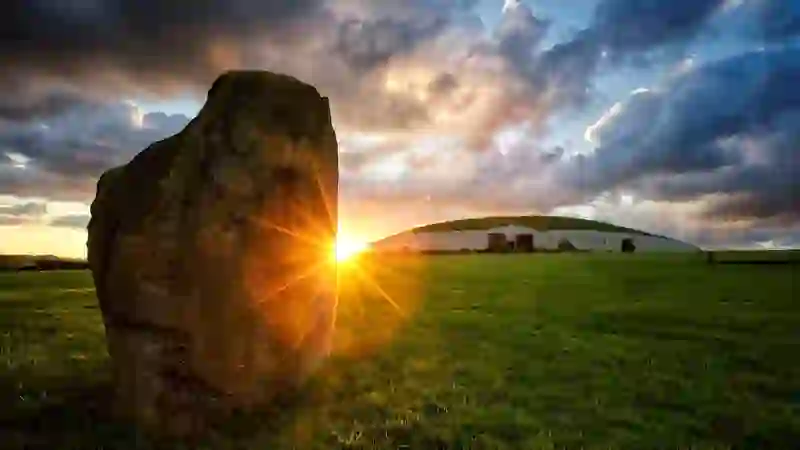

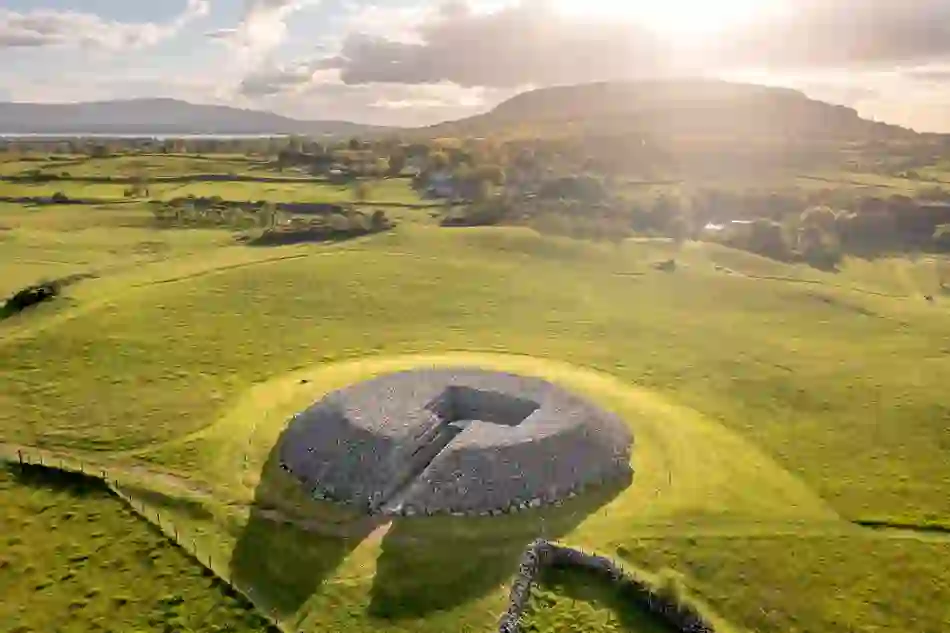
Newgrange, County Meath
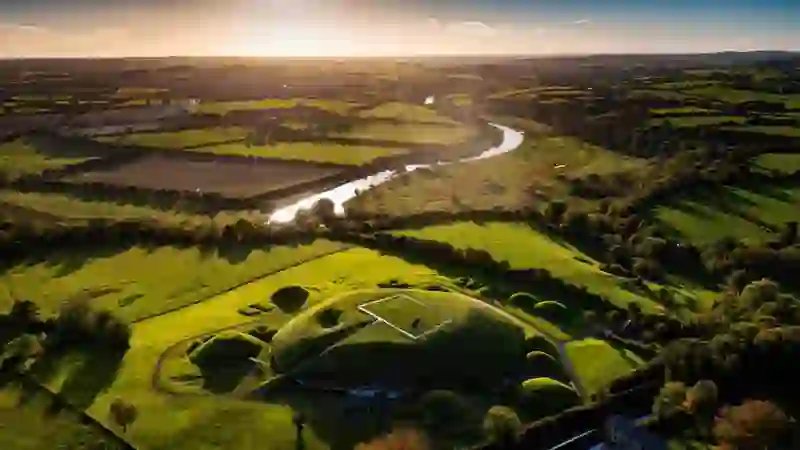
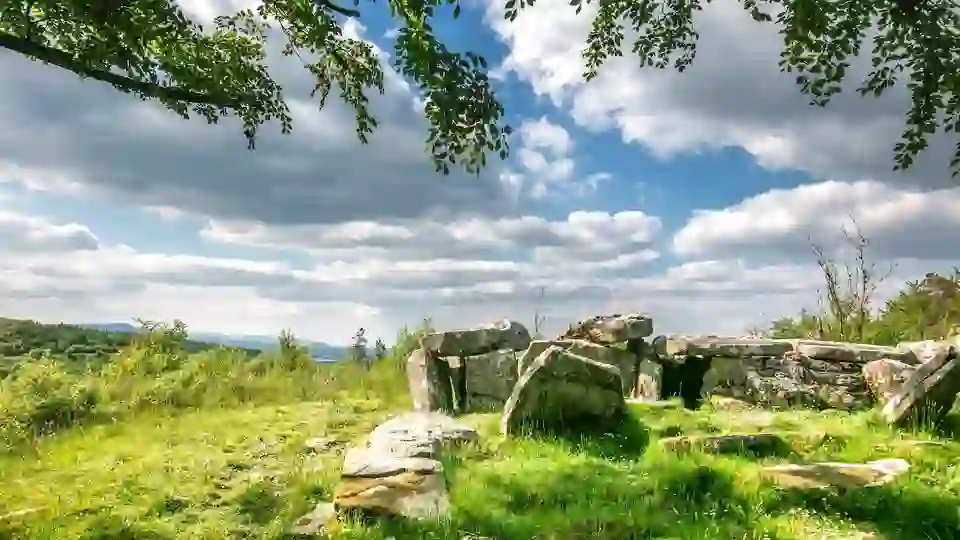
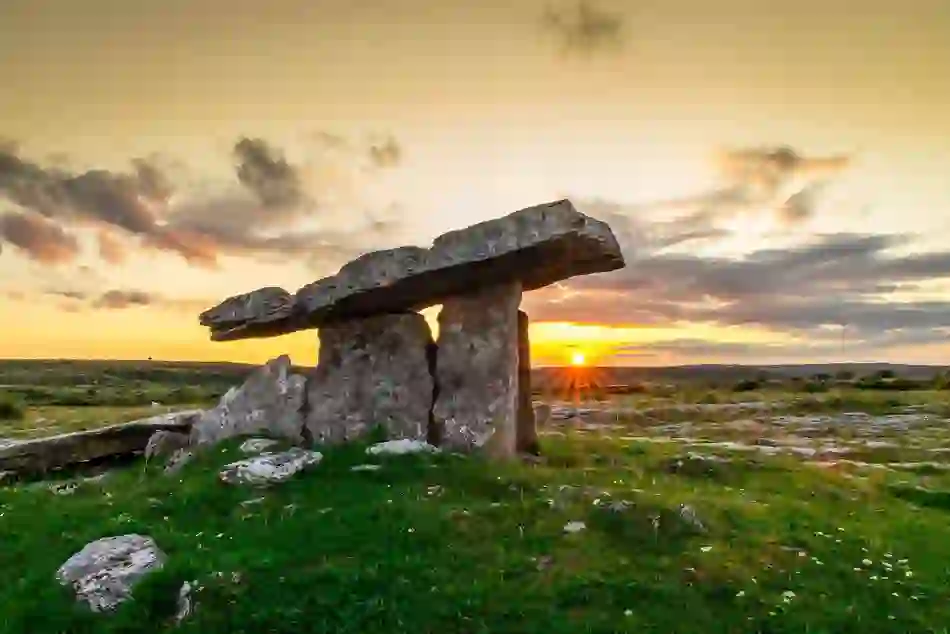
The Hill of Tara sits at the heart of the Boyne Valley, surrounded by some of Ireland’s most remarkable heritage sites. Follow the Boyne Valley Drive to discover places that tell the wider history of Ireland – from Stone-Age tombs to medieval castles. Nearby Newgrange, Knowth and Dowth reveal the extraordinary craftsmanship of Ireland’s first farmers, who built these passage tombs more than 5,000 years ago.
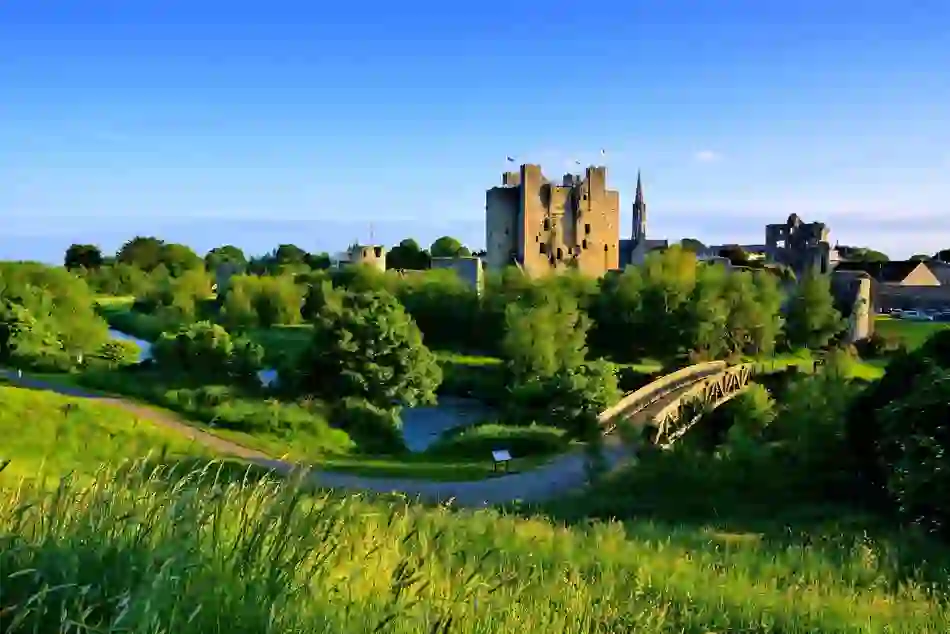
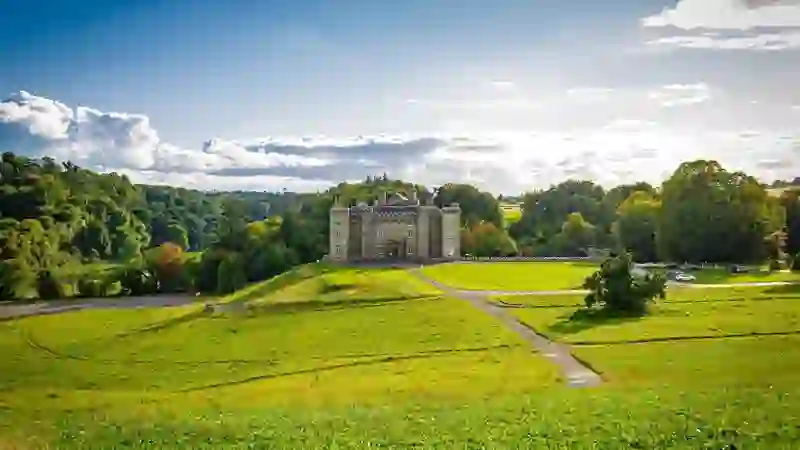
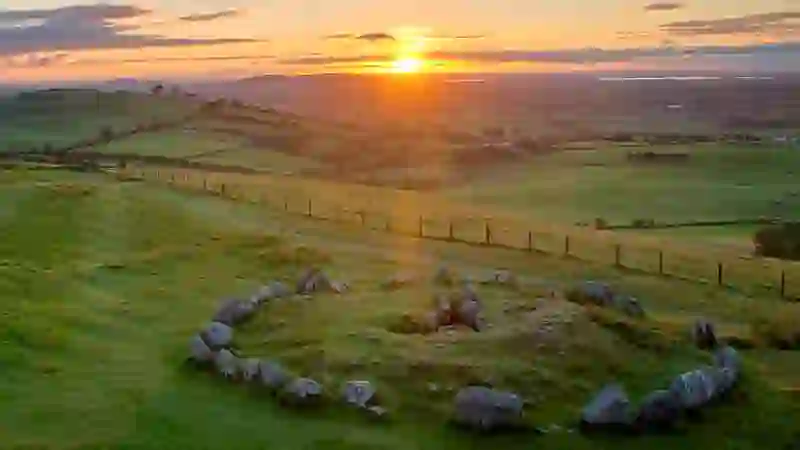
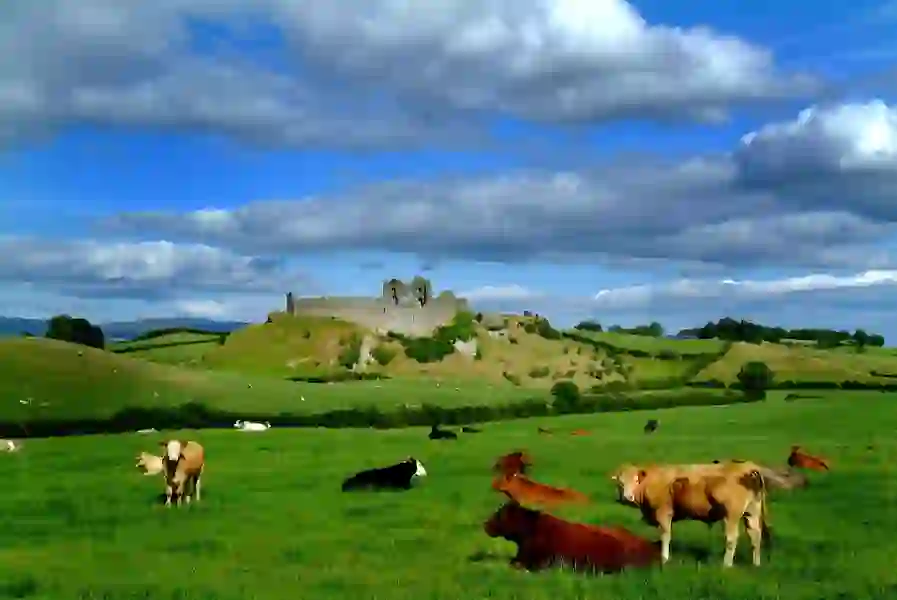
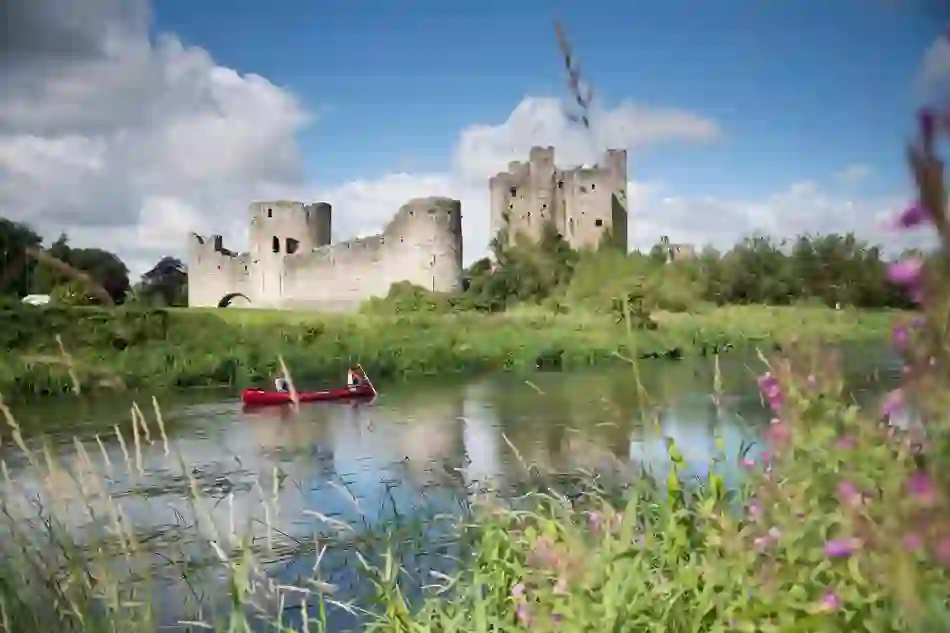
A little further along the Boyne Valley stands Trim Castle, a 12th-century stronghold of the de Lacy family and the largest Anglo-Norman fortress in Ireland. Climb its great stone keep for views of the River Boyne and the medieval town below. Continuing through the valley, you’ll find the Hill of Slane, where St Patrick is said to have lit his first Paschal fire – an Easter flame that symbolised the arrival of Christianity in Ireland. Nearby Loughcrew Cairns offer their own windows into Ireland’s ancient heritage.
With fascinating history, beautiful landscapes and a whole host of things to do in the area, isn’t it time you started planning your perfect Hill of Tara and Boyne Valley adventure today?