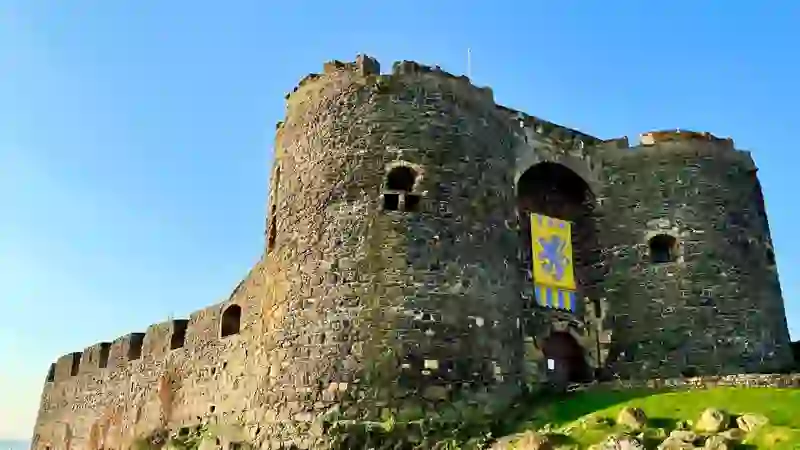



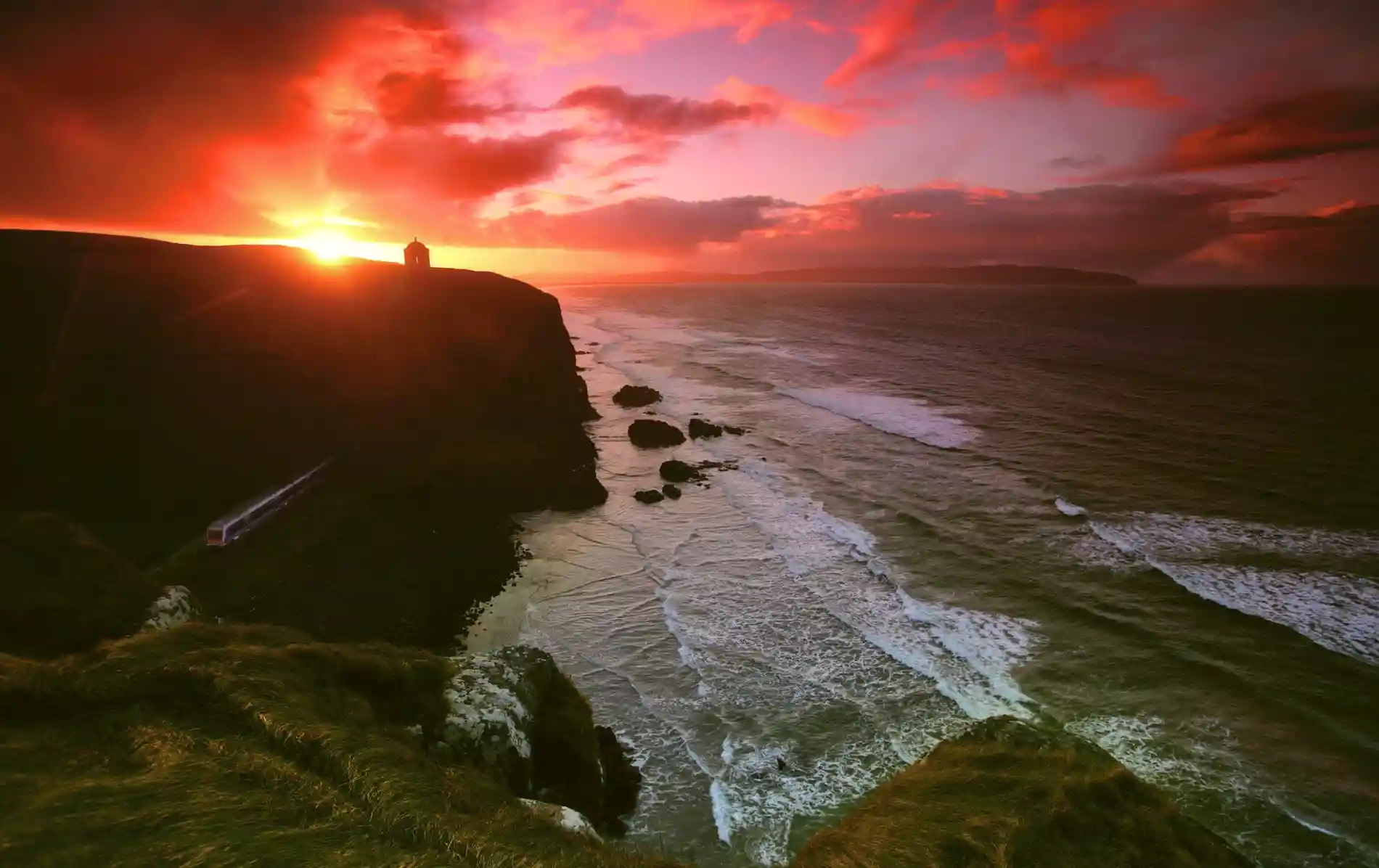























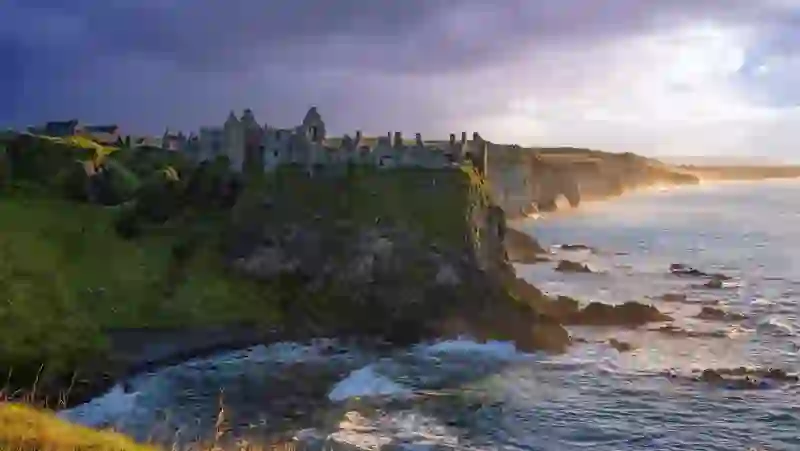
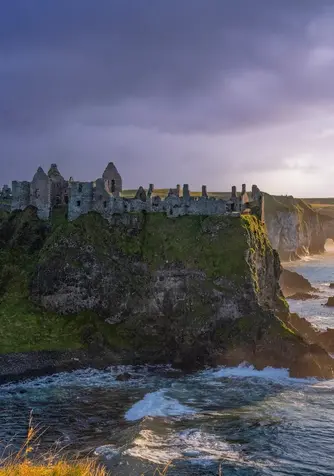

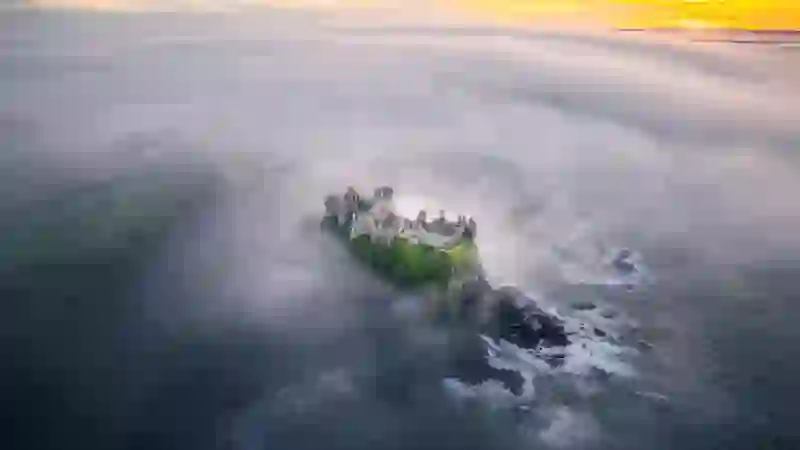

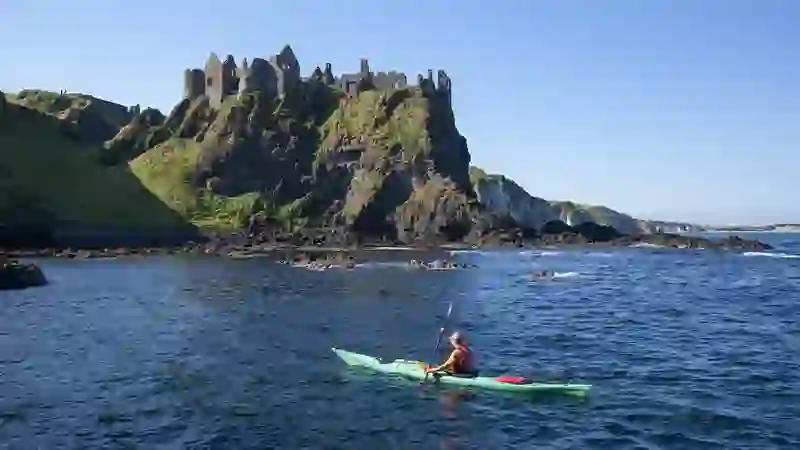

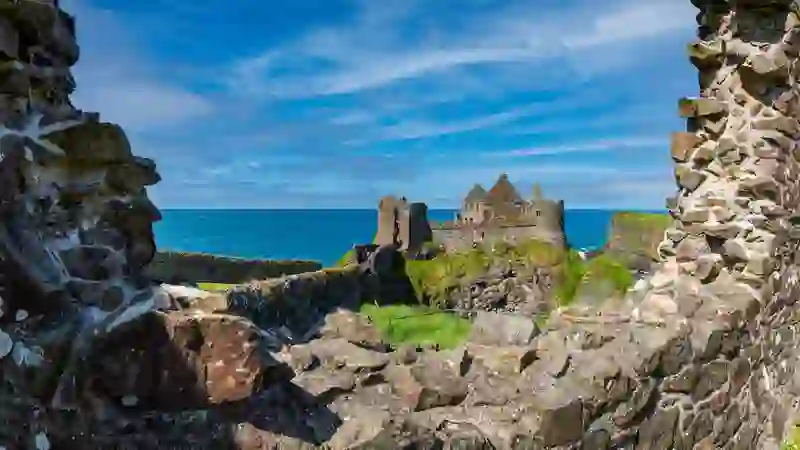

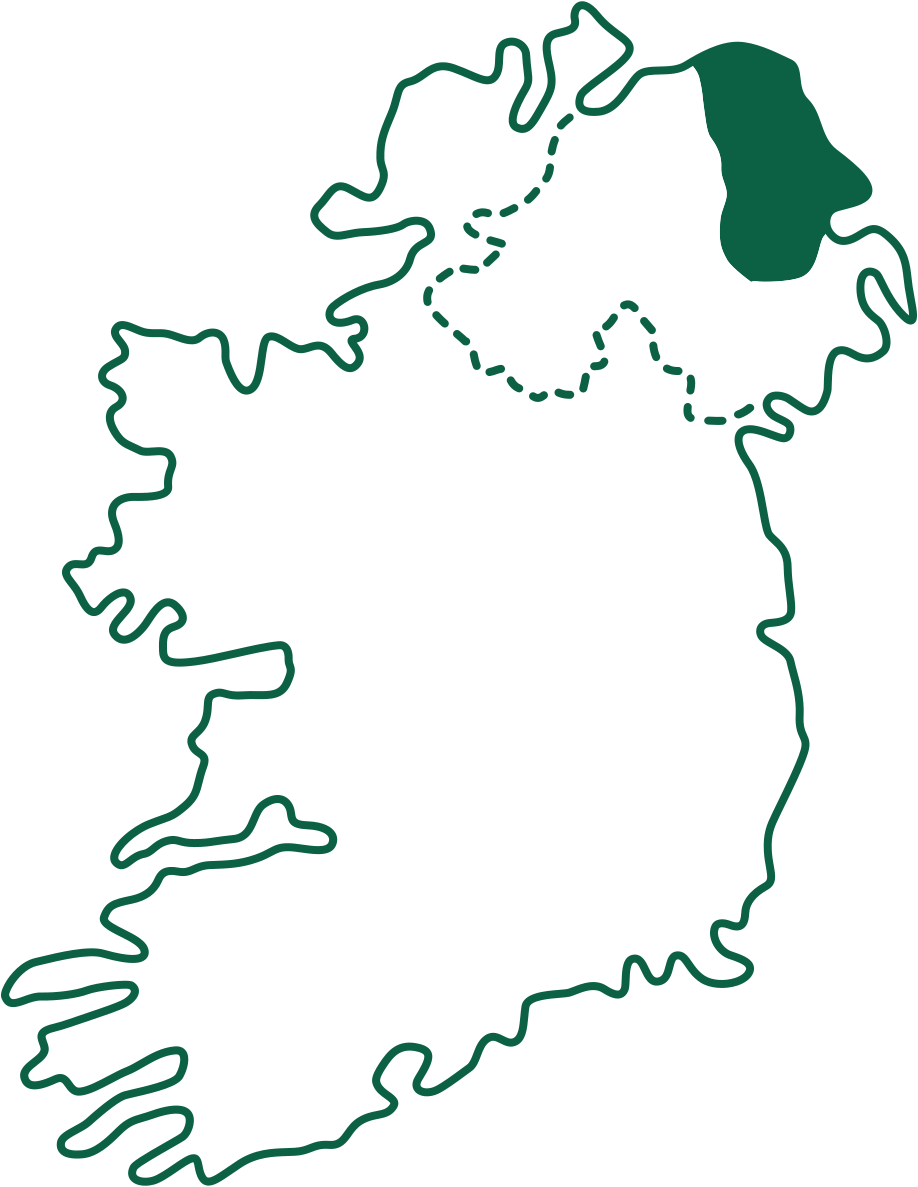
Clinging to the wild northern coast in County Antrim, Dunluce Castle is a showstopper.
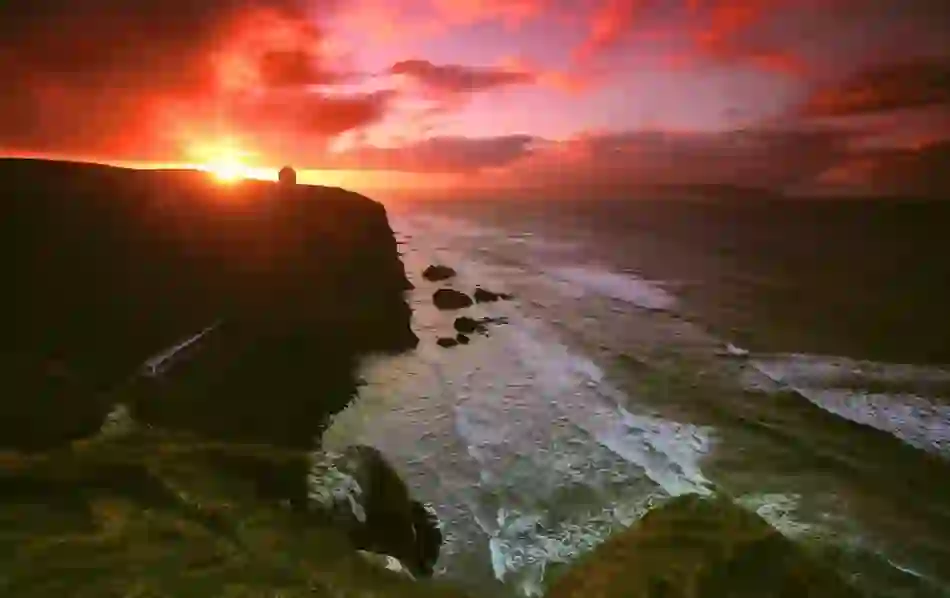
The cliff-top ruins of Dunluce Castle feel as though they’ve been lifted from a fairytale. Perched 30 metres above the crashing Atlantic Ocean on a craggy headland, this mystical stronghold dates to the 14th century and is steeped in legends, from wailing banshees to doomed lovers. It’s even said that a fearsome storm in 1639 hurled parts of the castle’s kitchen into the crashing waves below, killing many and marking a turning point in the castle’s fortunes. It’s a must-see marvel along the Causeway Coastal Route.
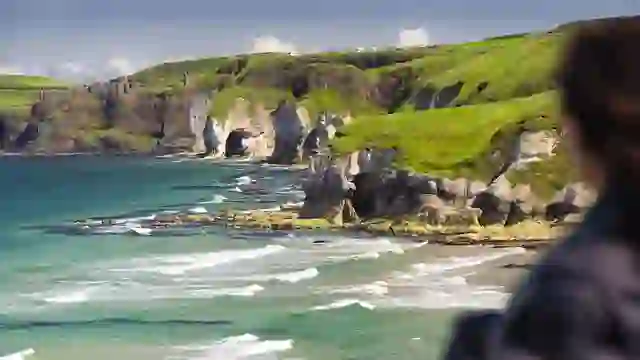

Dunluce Castle, County Antrim
Lonely ruins and local legends
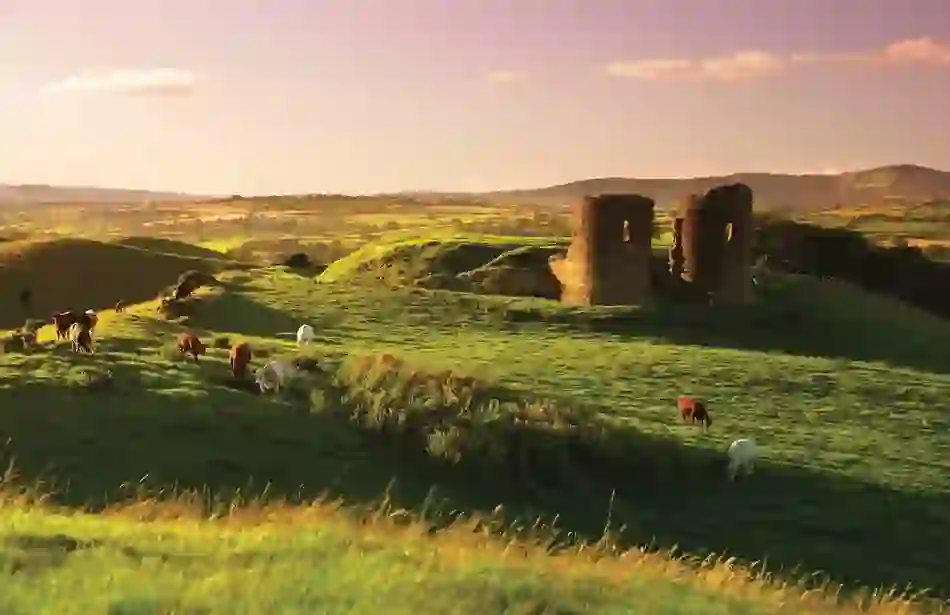
Over its history, Dunluce Castle has witnessed some of Ireland’s most tumultuous and violent periods. The castle’s main structure was built by the McQuillan clan in 1500 and was hotly contested by their rivals, Clan McDonnell, who eventually seized the prized location in the mid-1500s. With its past littered with bloody feuds, it’s no surprise that over time, ghostly murmurings have emerged about Dunluce’s lonely old ruins. The most famous of these is the story of Maeve Roe, the daughter of Lord McQuillan, who drowned with her beloved while trying to escape an arranged marriage. Local legend says her cries can be heard on stormy nights…
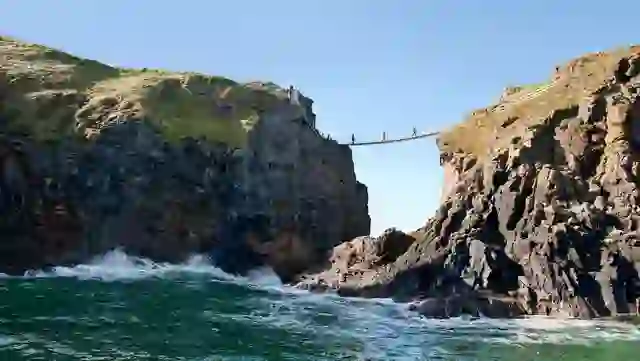

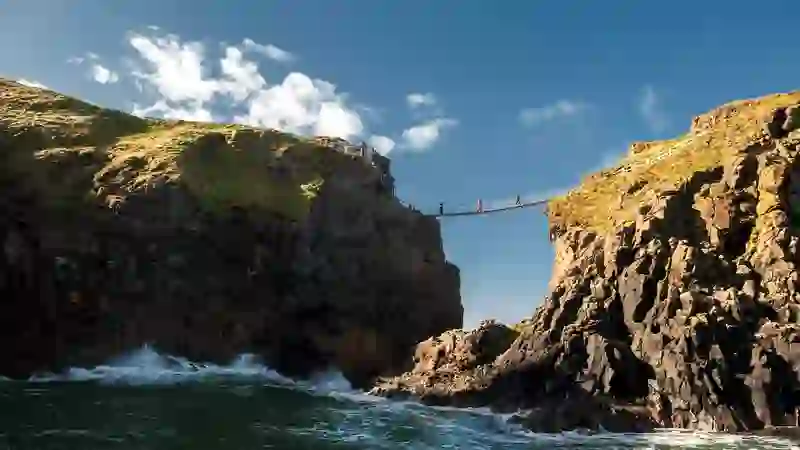
Carrick-a-Rede rope bridge, County Antrim
Tourism Ireland by Arthur Ward
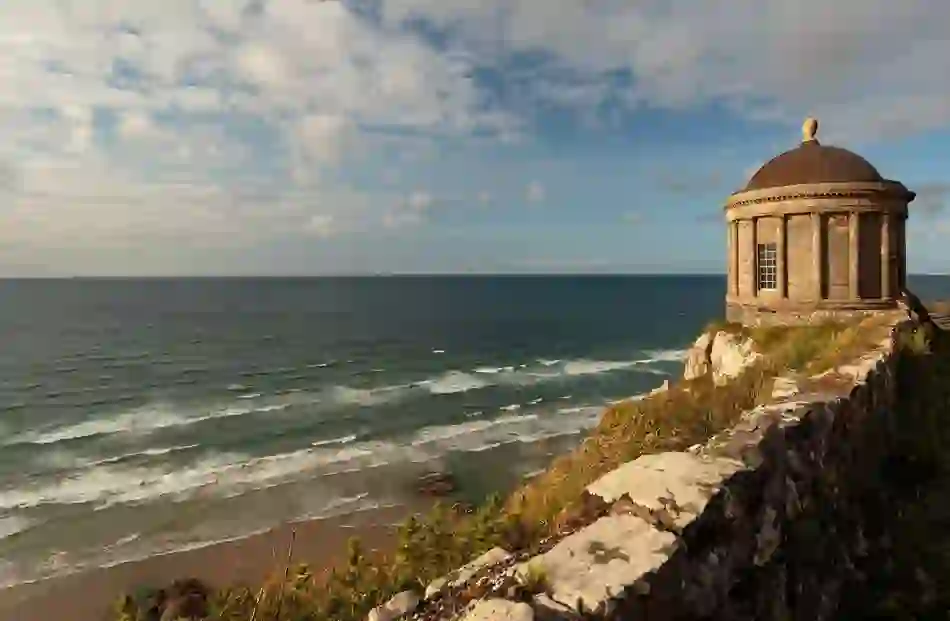
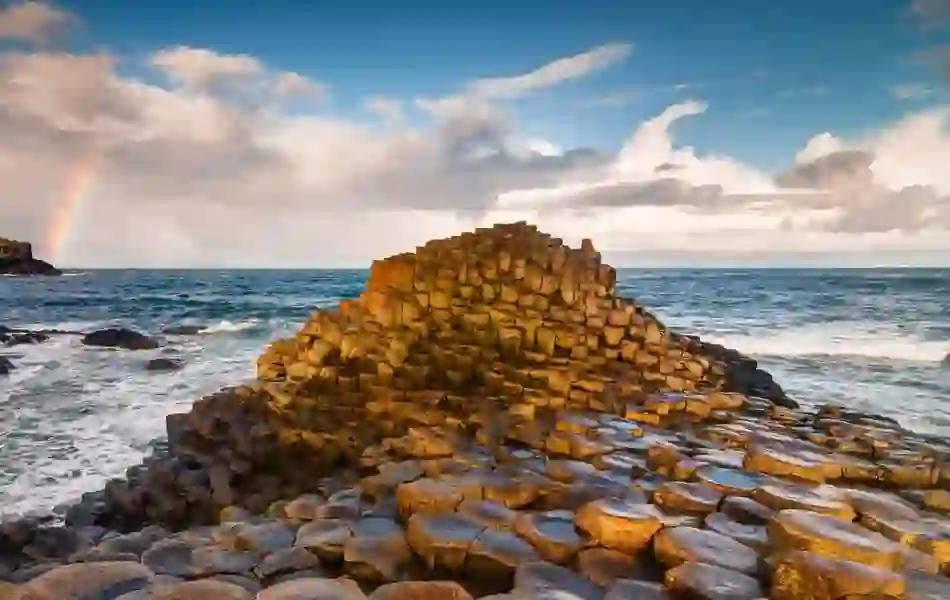
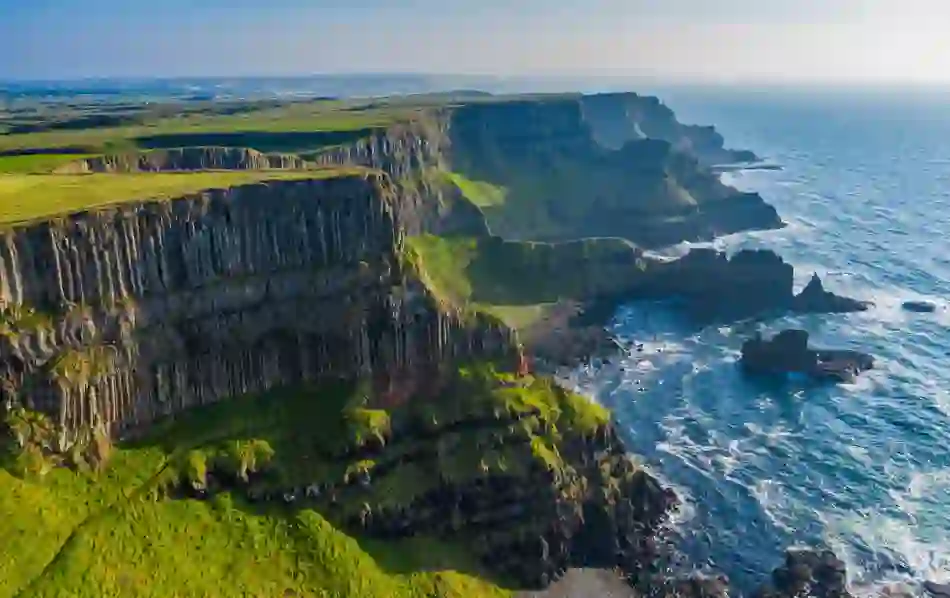
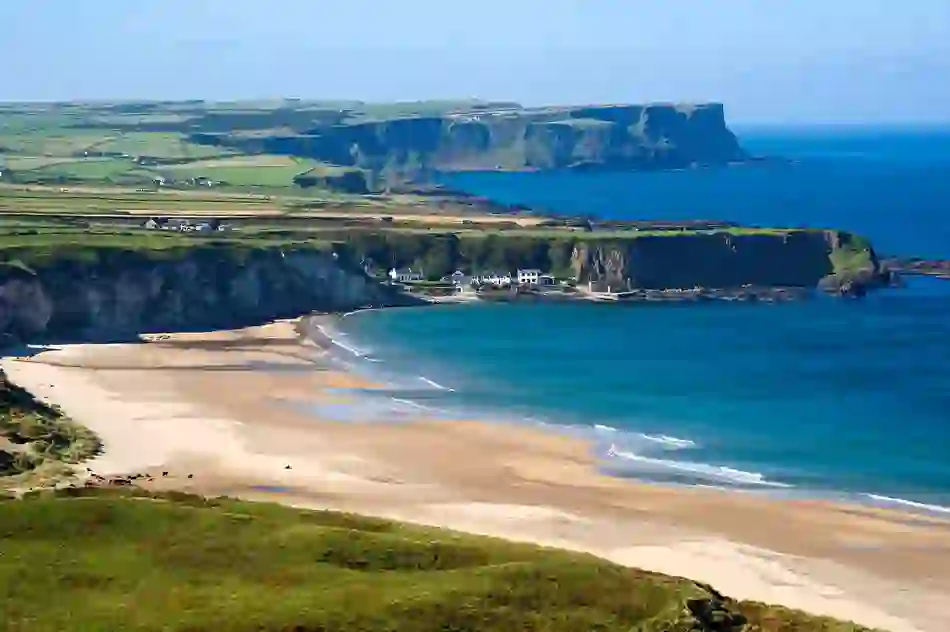
With a picture-perfect location on the Causeway Coastal Route, Dunluce is just one of the area’s showstopping sights. A short distance away from here lies the world-famous Giant’s Causeway. This UNESCO World Heritage Site is one of the most distinctive sights on the island, with an impressive 40,000 basalt columns, the result of an ancient volcanic fissure eruption from around 60 million years ago. Another nearby attraction is the Carrick-a-Rede rope bridge – a stunning, swaying bridge that links the mainland to a tiny island. Looking to get off the beaten track? Immerse yourself in the breathtaking rugged beauty of Torr Head, with spectacular views across to the Mull of Kintyre in Scotland.