



Go to My Ireland
logo-mini

Are you sure you want to leave the feed?

Oops... something went wrong!

My Ireland

Looking for inspiration? Planning a trip? Or just want to scroll yourself happy? We'll show you an Ireland that's tailor-made for you.

  • #Landscapes
  • #CultureandHeritage
  • #OutdoorActivities
  • #Landmarks
MyICallOut_FindTheThings_EN_Desk_Above-Left MyICallOut_FindTheThings_EN_Desk_Above-Left

Oops... no internet connection

While offline, you can still add items to My board. New travel reccomendations will only show up once you’re back online.

    See what Ireland has in store for you

    Oops... no internet connection

    While offline, you can still add items to My board. New travel reccomendations will only show up once you’re back online.

    My board

    Look out for the little heart icon around Ireland.com. Simply tap the heart to add items to your board!

    Emptyboard Emptyboard

    Monaghan’s tranquil landscapes are home to fascinating heritage sites, a storied cultural past and historic attractions.

    Less than two hours’ drive from both Belfast and Dublin, Monaghan, in the north-east of Ireland, feels like a world away from big-city bustle. It’s a true hidden gem, with rolling hills, rugged beauty and a warm, welcoming atmosphere. This is a place where you can unearth architectural delights such as St Peter’s Tin Church in Laragh, or delve into the history of lacemaking at the Carrickmacross Lace Gallery, first established in the 1820s. Outdoor enthusiasts will find much to enjoy, not least in Rossmore Forest Park, which boasts eight lakes as well as the ruins of an early 19th-century castle. Monaghan may be off the beaten track, but that’s what makes it such a joy – slow down, take it all in and discover the charms of this Ireland’s Ancient East delight for yourself.
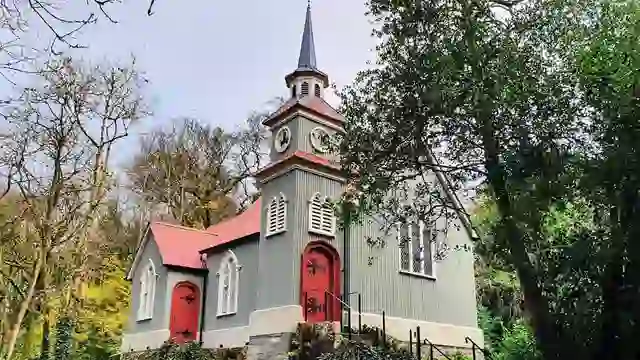
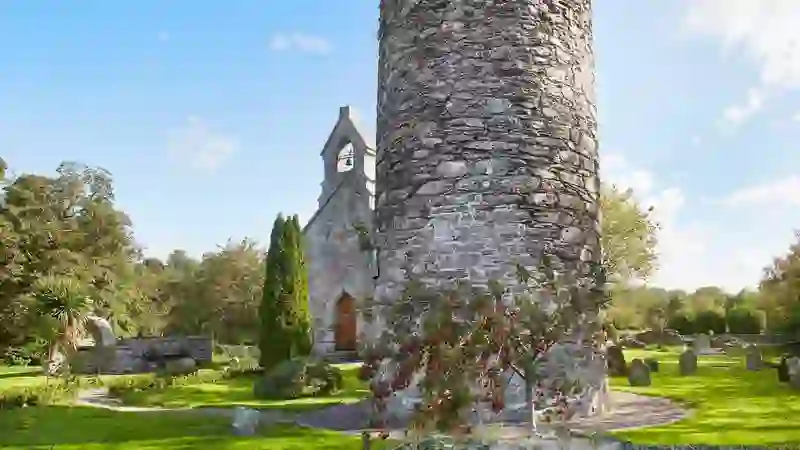
    St Peter’s Tin Church surrounded by woodland in Laragh, County Monaghan. St Peter’s Tin Church surrounded by woodland in Laragh, County Monaghan.

    St Peter’s Tin Church, County Monaghan

    Courtesy Elaine O’Shea

    County Monaghan attractions

    One of Ireland’s best-loved poets, Patrick Kavanagh was born and raised in Monaghan. His spiritual home was the “stony grey soil” of his childhood, a quiet landscape of lakes and hills around Inniskeen. His remarkable talent is remembered at the Patrick Kavanagh Centre where you can explore Kavanagh's life and his poetry through artefacts and film. Or you can walk in the poet’s shoes along the farmland that inspired him by following the Patrick Kavanagh Trail.

    Discover more of Ireland’s literary heritage

    Enjoying the outdoors

    Created by glaciers retreating during the last Ice Age, Monaghan’s landscapes have seen more than 10,000 years of history. If you’re a walker, dip into the range of routes in the Sliabh Beagh Mountains, or the 65km Monaghan Way leading from Monaghan town to Kavanagh’s Inniskeen.

    If you prefer Wellington boots to hiking boots, Monaghan has a multitude of rivers and lakes offering anglers great stocks of bream, roach and pike. Many of those anglers end up having entire riverbanks to themselves.

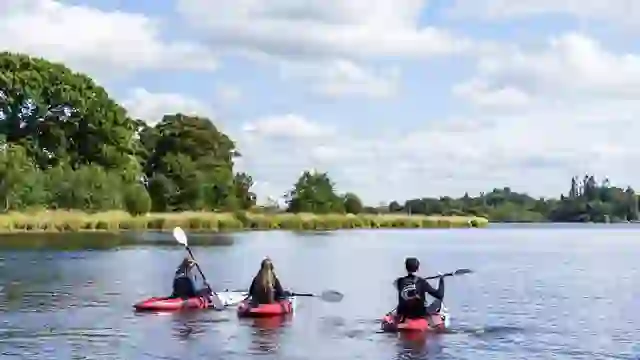
    This quiet countryside has its energetic side, too. How about paddling around the shores of Black Island on Lough Muckno at the Castleblayney Outdoor Adventure Centre? Driving full pelt at Rally School Ireland? Galloping on horseback across hills and around lakesides? Or teeing off on any number of parkland courses? It’s all there to enjoy.

    Enjoy walking and cycling around Ireland’s Ancient East

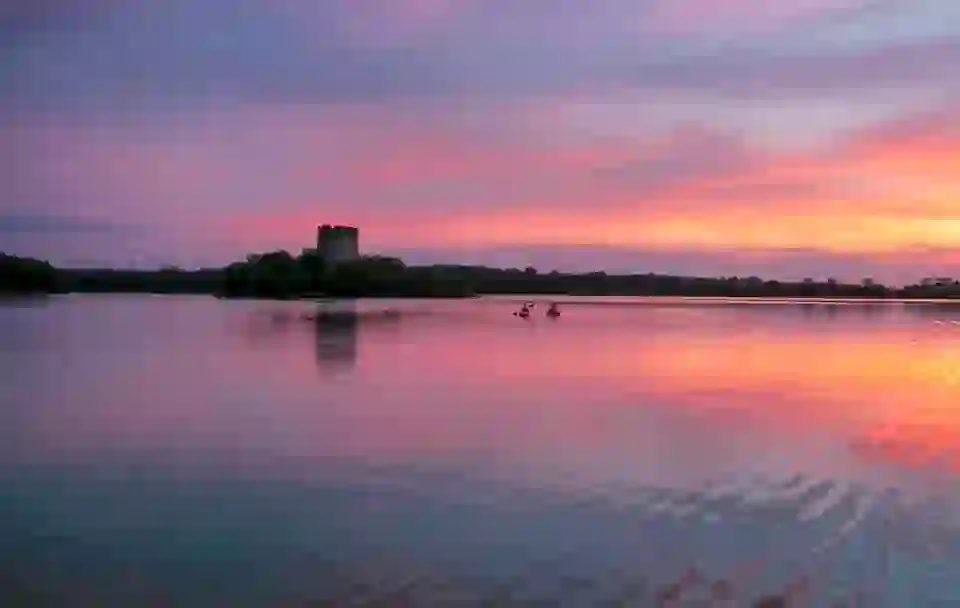
    Kayaking on Lough Muckno at Castleblayney Outdoor Adventure Centre, County Monaghan. Kayaking on Lough Muckno at Castleblayney Outdoor Adventure Centre, County Monaghan.

    Kayaking on Lough Muckno, County Monaghan

    Courtesy Fáilte Ireland

    From lace-making to festivals

    Monaghan is located within Ireland’s Ancient East, and the county boasts several Bronze Age megalithic sites, as well as a 10th-century high cross in the centre of Clones.

    The county is also famous for its lacemaking, and you can see some of the intricate works on display at the Carrickmacross Lace Gallery. This exquisite textile has an illustrious history and has been used by international designers and royalty, including Queen Victoria and the late Princess Diana, whose wedding dress was decorated with Carrickmacross lace. More recently, it was celebrated by Irish fashion designer Michael Stewart for his label Standing Ground in the autumn/winter 2026 collection in Paris.

    If you want to mix all of Monaghan’s craft, culture and craic, then hit the Harvest Time Blues Festival and, of course, the annual Patrick Kavanagh weekend, a three-day festival celebrating the life and work of Monaghan’s most famous son.

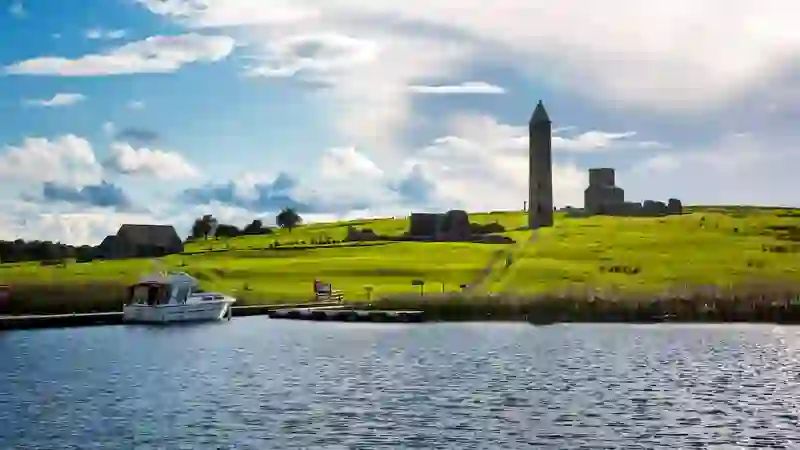
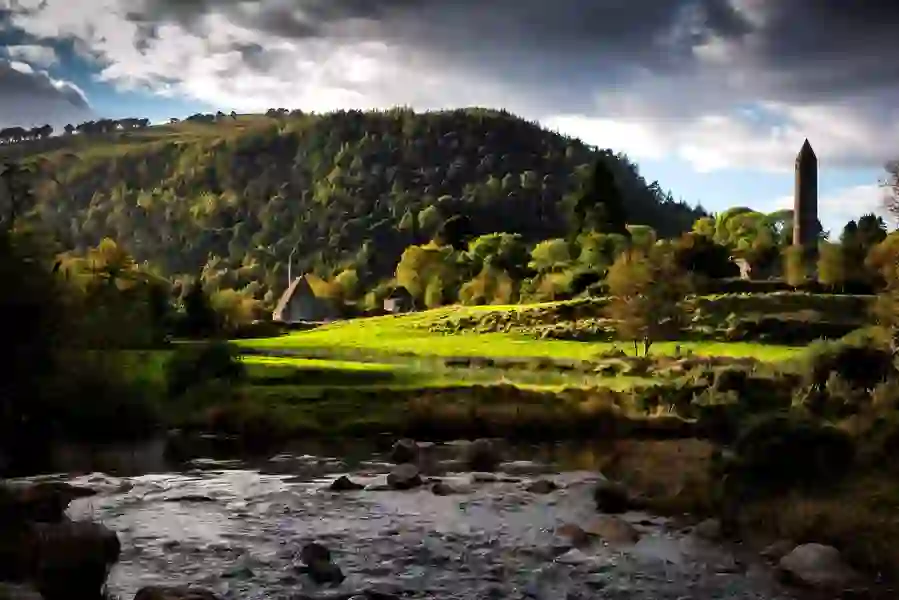
    Devenish Island monastic site and round tower on Lower Lough Erne in County Fermanagh, Northern Ireland. Devenish Island monastic site and round tower on Lower Lough Erne in County Fermanagh, Northern Ireland.

    Devenish Island, County Fermanagh


    Beyond County Monaghan

    With an inland location in the northern part of Ireland, County Monaghan is perfect for pairing with a visit to some of Ireland’s Hidden Heartlands’ most idyllic lake-dotted counties, including County Cavan and County Fermanagh.

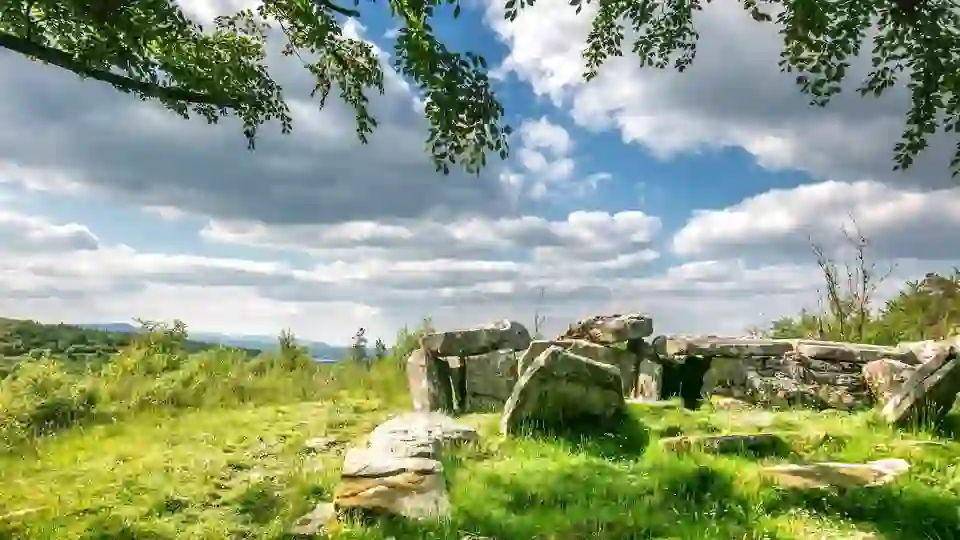
    In County Cavan, you can explore intriguing destinations such as the Cavan Burren Park, one of the finest prehistoric relict landscapes on the island of Ireland. Ancient hut sites, rock art, karstic limestone formations, a wedge tomb and glacial boulders are just some of the incredible things to see here. County Cavan also boasts two rivers – the Shannon and the Erne, and the restored 63km Shannon-Erne Waterway links the two, and offers the chance to cruise its tranquil waterways, stopping at gastropubs along the way.

    In County Fermanagh, a combination of inky-blue lakes, vivid green fields and ancient islands can easily lull you into total relaxation. Explore gin schools and the mighty Enniskillen Castle in the island town of Enniskillen and beyond. Delve into the natural beauty of Crom Estate, with ancient yew trees and wild deer. Or explore the waters of Lower Lough Erne on a boat tour of Devenish Island, a 6th-century monastic site.

    Plan your Ireland’s Hidden Heartlands escape

    Travel south from Monaghan and explore more of what Ireland’s Ancient East has to offer. In County Louth, you can follow the many walking trails on rugged Cooley Peninsula, cycle the Carlingford Lough Greenway or relax in one of the quirky tea shops in the medieval village of Carlingford. 

    Meanwhile, ancient history comes to life in County Meath. Explore one of the world’s most important Neolithic landscapes at Brú na Bóinne, enjoy panoramic views of the lush countryside from the top of the legendary Hill of Tara, once home to the High Kings of Ireland. Then relax as you enjoy the fabulous food of the Boyne Valley – a region noted for its food culture.  

    Take the road less travelled to discover County Monaghan and the unrushed beauty of Ireland’s Ancient East. Start planning your adventure today.

    Read more

    Less than two hours’ drive from both Belfast and Dublin, Monaghan, in the north-east of Ireland, feels like a world away from big-city bustle. It’s a true hidden gem, with rolling hills, rugged beauty and a warm, welcoming atmosphere. This is a place where you can unearth architectural delights such as St Peter’s Tin Church in Laragh, or delve into the history of lacemaking at the Carrickmacross Lace Gallery, first established in the 1820s. Outdoor enthusiasts will find much to enjoy, not least in Rossmore Forest Park, which boasts eight lakes as well as the ruins of an early 19th-century castle. Monaghan may be off the beaten track, but that’s what makes it such a joy – slow down, take it all in and discover the charms of this Ireland’s Ancient East delight for yourself.

    St Peter’s Tin Church surrounded by woodland in Laragh, County Monaghan. St Peter’s Tin Church surrounded by woodland in Laragh, County Monaghan.

    St Peter’s Tin Church, County Monaghan

    Courtesy Elaine O’Shea

    County Monaghan attractions

    One of Ireland’s best-loved poets, Patrick Kavanagh was born and raised in Monaghan. His spiritual home was the “stony grey soil” of his childhood, a quiet landscape of lakes and hills around Inniskeen. His remarkable talent is remembered at the Patrick Kavanagh Centre where you can explore Kavanagh's life and his poetry through artefacts and film. Or you can walk in the poet’s shoes along the farmland that inspired him by following the Patrick Kavanagh Trail.

    Discover more of Ireland’s literary heritage

    Enjoying the outdoors

    Created by glaciers retreating during the last Ice Age, Monaghan’s landscapes have seen more than 10,000 years of history. If you’re a walker, dip into the range of routes in the Sliabh Beagh Mountains, or the 65km Monaghan Way leading from Monaghan town to Kavanagh’s Inniskeen.

    If you prefer Wellington boots to hiking boots, Monaghan has a multitude of rivers and lakes offering anglers great stocks of bream, roach and pike. Many of those anglers end up having entire riverbanks to themselves.

    This quiet countryside has its energetic side, too. How about paddling around the shores of Black Island on Lough Muckno at the Castleblayney Outdoor Adventure Centre? Driving full pelt at Rally School Ireland? Galloping on horseback across hills and around lakesides? Or teeing off on any number of parkland courses? It’s all there to enjoy.

    Enjoy walking and cycling around Ireland’s Ancient East
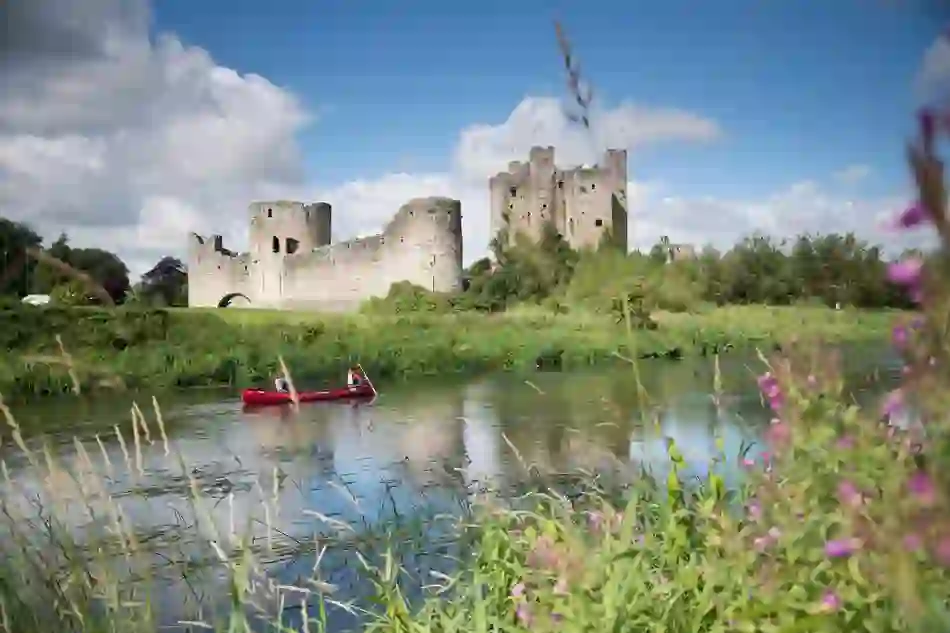
    Kayaking on Lough Muckno at Castleblayney Outdoor Adventure Centre, County Monaghan. Kayaking on Lough Muckno at Castleblayney Outdoor Adventure Centre, County Monaghan.

    Kayaking on Lough Muckno, County Monaghan

    Courtesy Fáilte Ireland

    From lace-making to festivals

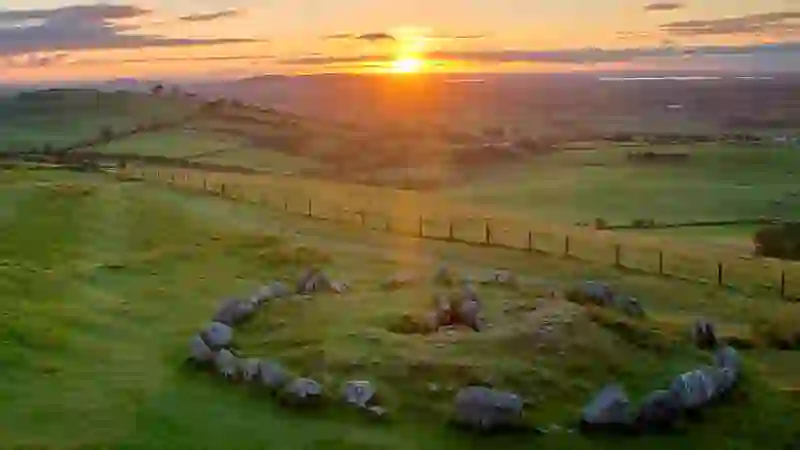
    Monaghan is located within Ireland’s Ancient East, and the county boasts several Bronze Age megalithic sites, as well as a 10th-century high cross in the centre of Clones.

    The county is also famous for its lacemaking, and you can see some of the intricate works on display at the Carrickmacross Lace Gallery. This exquisite textile has an illustrious history and has been used by international designers and royalty, including Queen Victoria and the late Princess Diana, whose wedding dress was decorated with Carrickmacross lace. More recently, it was celebrated by Irish fashion designer Michael Stewart for his label Standing Ground in the autumn/winter 2026 collection in Paris.

    If you want to mix all of Monaghan’s craft, culture and craic, then hit the Harvest Time Blues Festival and, of course, the annual Patrick Kavanagh weekend, a three-day festival celebrating the life and work of Monaghan’s most famous son.

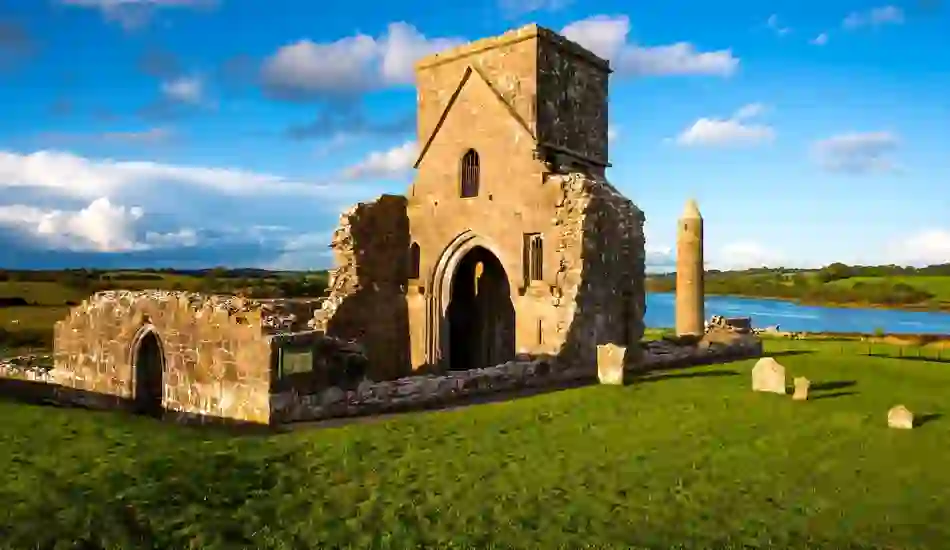
    Devenish Island monastic site and round tower on Lower Lough Erne in County Fermanagh, Northern Ireland. Devenish Island monastic site and round tower on Lower Lough Erne in County Fermanagh, Northern Ireland.

    Devenish Island, County Fermanagh


    Beyond County Monaghan

    With an inland location in the northern part of Ireland, County Monaghan is perfect for pairing with a visit to some of Ireland’s Hidden Heartlands’ most idyllic lake-dotted counties, including County Cavan and County Fermanagh.

    In County Cavan, you can explore intriguing destinations such as the Cavan Burren Park, one of the finest prehistoric relict landscapes on the island of Ireland. Ancient hut sites, rock art, karstic limestone formations, a wedge tomb and glacial boulders are just some of the incredible things to see here. County Cavan also boasts two rivers – the Shannon and the Erne, and the restored 63km Shannon-Erne Waterway links the two, and offers the chance to cruise its tranquil waterways, stopping at gastropubs along the way.

    In County Fermanagh, a combination of inky-blue lakes, vivid green fields and ancient islands can easily lull you into total relaxation. Explore gin schools and the mighty Enniskillen Castle in the island town of Enniskillen and beyond. Delve into the natural beauty of Crom Estate, with ancient yew trees and wild deer. Or explore the waters of Lower Lough Erne on a boat tour of Devenish Island, a 6th-century monastic site.

    Plan your Ireland’s Hidden Heartlands escape

    Travel south from Monaghan and explore more of what Ireland’s Ancient East has to offer. In County Louth, you can follow the many walking trails on rugged Cooley Peninsula, cycle the Carlingford Lough Greenway or relax in one of the quirky tea shops in the medieval village of Carlingford. 

    Meanwhile, ancient history comes to life in County Meath. Explore one of the world’s most important Neolithic landscapes at Brú na Bóinne, enjoy panoramic views of the lush countryside from the top of the legendary Hill of Tara, once home to the High Kings of Ireland. Then relax as you enjoy the fabulous food of the Boyne Valley – a region noted for its food culture.  

    Take the road less travelled to discover County Monaghan and the unrushed beauty of Ireland’s Ancient East. Start planning your adventure today.

    Read more
    Experience as part of:

    Monaghan’s tranquil landscapes are home to fascinating heritage sites, a storied cultural past and historic attractions.

    Less than two hours’ drive from both Belfast and Dublin, Monaghan, in the north-east of Ireland, feels like a world away from big-city bustle. It’s a true hidden gem, with rolling hills, rugged beauty and a warm, welcoming atmosphere. This is a place where you can unearth architectural delights such as St Peter’s Tin Church in Laragh, or delve into the history of lacemaking at the Carrickmacross Lace Gallery, first established in the 1820s. Outdoor enthusiasts will find much to enjoy, not least in Rossmore Forest Park, which boasts eight lakes as well as the ruins of an early 19th-century castle. Monaghan may be off the beaten track, but that’s what makes it such a joy – slow down, take it all in and discover the charms of this Ireland’s Ancient East delight for yourself.

    St Peter’s Tin Church surrounded by woodland in Laragh, County Monaghan. St Peter’s Tin Church surrounded by woodland in Laragh, County Monaghan.

    St Peter’s Tin Church, County Monaghan

    Courtesy Elaine O’Shea

    County Monaghan attractions

    One of Ireland’s best-loved poets, Patrick Kavanagh was born and raised in Monaghan. His spiritual home was the “stony grey soil” of his childhood, a quiet landscape of lakes and hills around Inniskeen. His remarkable talent is remembered at the Patrick Kavanagh Centre where you can explore Kavanagh's life and his poetry through artefacts and film. Or you can walk in the poet’s shoes along the farmland that inspired him by following the Patrick Kavanagh Trail.

    Discover more of Ireland’s literary heritage

    Enjoying the outdoors

    Created by glaciers retreating during the last Ice Age, Monaghan’s landscapes have seen more than 10,000 years of history. If you’re a walker, dip into the range of routes in the Sliabh Beagh Mountains, or the 65km Monaghan Way leading from Monaghan town to Kavanagh’s Inniskeen.

    If you prefer Wellington boots to hiking boots, Monaghan has a multitude of rivers and lakes offering anglers great stocks of bream, roach and pike. Many of those anglers end up having entire riverbanks to themselves.

    This quiet countryside has its energetic side, too. How about paddling around the shores of Black Island on Lough Muckno at the Castleblayney Outdoor Adventure Centre? Driving full pelt at Rally School Ireland? Galloping on horseback across hills and around lakesides? Or teeing off on any number of parkland courses? It’s all there to enjoy.

    Enjoy walking and cycling around Ireland’s Ancient East

    Kayaking on Lough Muckno at Castleblayney Outdoor Adventure Centre, County Monaghan. Kayaking on Lough Muckno at Castleblayney Outdoor Adventure Centre, County Monaghan.

    Kayaking on Lough Muckno, County Monaghan

    Courtesy Fáilte Ireland

    From lace-making to festivals

    Monaghan is located within Ireland’s Ancient East, and the county boasts several Bronze Age megalithic sites, as well as a 10th-century high cross in the centre of Clones.

    The county is also famous for its lacemaking, and you can see some of the intricate works on display at the Carrickmacross Lace Gallery. This exquisite textile has an illustrious history and has been used by international designers and royalty, including Queen Victoria and the late Princess Diana, whose wedding dress was decorated with Carrickmacross lace. More recently, it was celebrated by Irish fashion designer Michael Stewart for his label Standing Ground in the autumn/winter 2026 collection in Paris.

    If you want to mix all of Monaghan’s craft, culture and craic, then hit the Harvest Time Blues Festival and, of course, the annual Patrick Kavanagh weekend, a three-day festival celebrating the life and work of Monaghan’s most famous son.
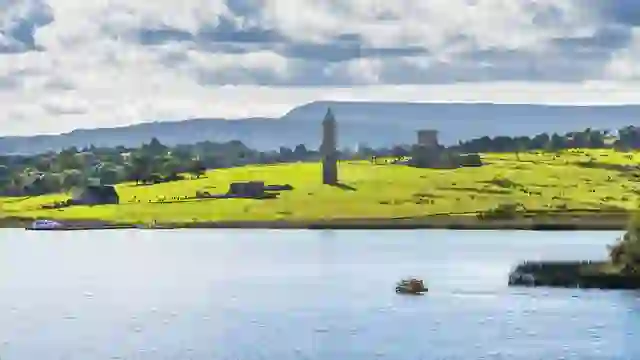
    Devenish Island monastic site and round tower on Lower Lough Erne in County Fermanagh, Northern Ireland. Devenish Island monastic site and round tower on Lower Lough Erne in County Fermanagh, Northern Ireland.

    Devenish Island, County Fermanagh


    Beyond County Monaghan

    With an inland location in the northern part of Ireland, County Monaghan is perfect for pairing with a visit to some of Ireland’s Hidden Heartlands’ most idyllic lake-dotted counties, including County Cavan and County Fermanagh.

    In County Cavan, you can explore intriguing destinations such as the Cavan Burren Park, one of the finest prehistoric relict landscapes on the island of Ireland. Ancient hut sites, rock art, karstic limestone formations, a wedge tomb and glacial boulders are just some of the incredible things to see here. County Cavan also boasts two rivers – the Shannon and the Erne, and the restored 63km Shannon-Erne Waterway links the two, and offers the chance to cruise its tranquil waterways, stopping at gastropubs along the way.

    In County Fermanagh, a combination of inky-blue lakes, vivid green fields and ancient islands can easily lull you into total relaxation. Explore gin schools and the mighty Enniskillen Castle in the island town of Enniskillen and beyond. Delve into the natural beauty of Crom Estate, with ancient yew trees and wild deer. Or explore the waters of Lower Lough Erne on a boat tour of Devenish Island, a 6th-century monastic site.

    Plan your Ireland’s Hidden Heartlands escape

    Travel south from Monaghan and explore more of what Ireland’s Ancient East has to offer. In County Louth, you can follow the many walking trails on rugged Cooley Peninsula, cycle the Carlingford Lough Greenway or relax in one of the quirky tea shops in the medieval village of Carlingford. 

    Meanwhile, ancient history comes to life in County Meath. Explore one of the world’s most important Neolithic landscapes at Brú na Bóinne, enjoy panoramic views of the lush countryside from the top of the legendary Hill of Tara, once home to the High Kings of Ireland. Then relax as you enjoy the fabulous food of the Boyne Valley – a region noted for its food culture.  

    Take the road less travelled to discover County Monaghan and the unrushed beauty of Ireland’s Ancient East. Start planning your adventure today.

    Read more
    Experience as part of:
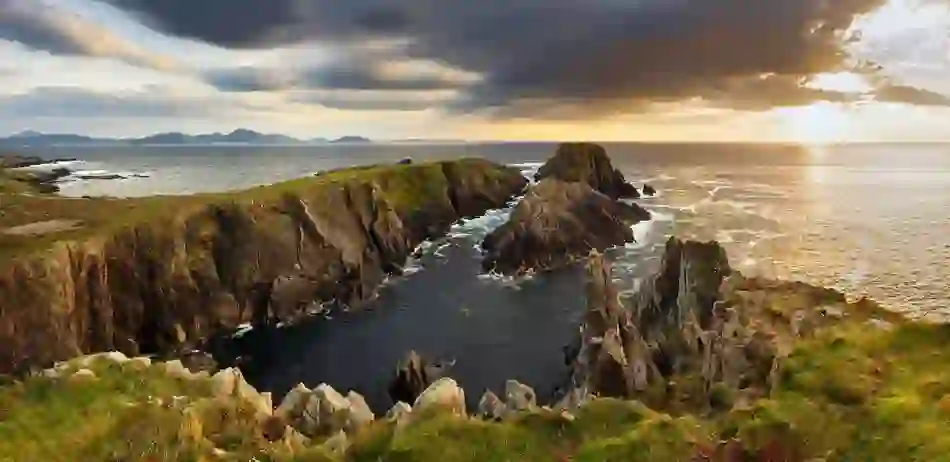
    Dramatic rocky cliffs and headlands on the Dingle Peninsula, featured in Star Wars: The Last Jedi filming. Dramatic rocky cliffs and headlands on the Dingle Peninsula, featured in Star Wars: The Last Jedi filming.
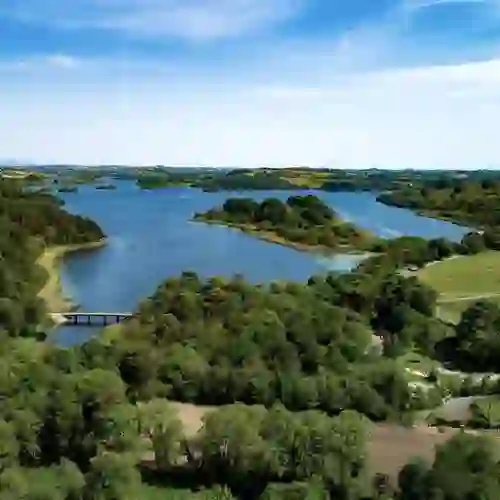
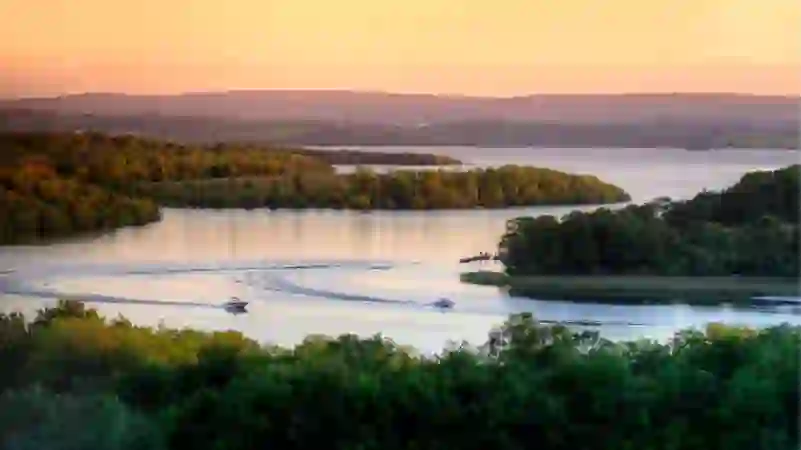
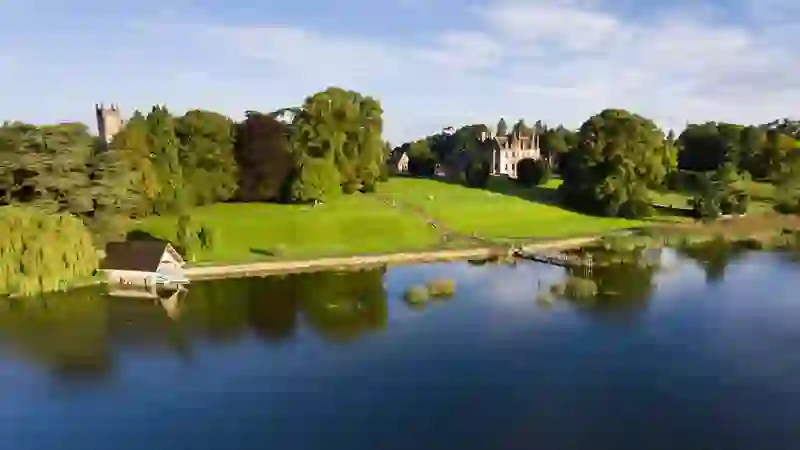
    Aerial view of Lough Muckno in County Monaghan, Ireland, with wooded islands, rolling green hills and a bridge. Aerial view of Lough Muckno in County Monaghan, Ireland, with wooded islands, rolling green hills and a bridge.
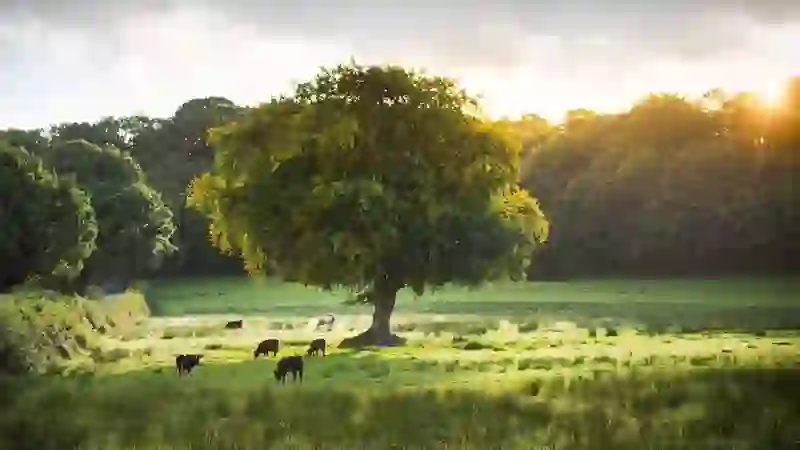
    Underrated. That’s the word that comes closest to describing Monaghan. Jamie Ball, The Irish Times
    County Monaghan FAQs
    What is there to do in County Monaghan?

    Monaghan offers visitors lots of things to see and do. Escape into nature as you enjoy angling or kayaking in the county’s lakes and rivers. Hike the Monaghan Way and follow the walking trails around Sliabh Beagh or explore Castle Leslie Estate on horseback. Delve into Monaghan’s literary heritage on a trip to the Patrick Kavanagh Centre in Inniskeen. Then discover the delicate artistry of lacemaking at the Carrickmacross Lace Gallery.
    Where is County Monaghan?

    County Monaghan is in the north of Ireland’s Ancient East. It’s bordered by counties Fermanagh, Tyrone and Armagh in Northern Ireland and Louth, Meath and Cavan in the Republic of Ireland. Monaghan is in the province of Ulster, which also includes the six counties of Northern Ireland, Cavan and Donegal.

    What is the largest town in County Monaghan?

    Monaghan is the largest town in County Monaghan. It was established in the 17th century as a plantation town on the site of an older Gaelic settlement, and that heritage can be seen in its distinctive layout – four picturesque, linked squares rather than a main street.

    In the past, Monaghan played an important role in Ulster’s valuable linen trade. These days, it’s known for Monaghan County Museum and Rossmore Forest Park, which is located just outside the town.

    What is County Monaghan famous for?

    Monaghan is best known as the birthplace of poet and novelist Patrick Kavanagh, whose work, including classics like Tarry Flynn, Stony Grey Soil and The Great Hunger, was influenced by the rural landscapes of his youth. Other well-known Monaghan people include actors Caitríona Balfe and Ardal O’Hanlon, novelist Patrick McCabe and former world featherweight boxing champion Barry McGuigan.

    The county is also famous for Carrickmacross lace, one of the best-known crafts of Ireland’s Ancient East. This style of lacemaking dates back to the 1820s and was inspired by Italian guipure lace. Lacemaking became an important source of income for local women in the 19th century and the skills and traditions of lacemakers have been handed down through generations to today’s craftspeople. 

    Finally, Monaghan is defined by its drumlins – the small, rounded hills formed by glaciers during the last Ice Age that give the county its distinctive rolling landscape.

    How do you pronounce "Monaghan" in Irish?

    Monaghan is called Múineachán in Irish – pronounced Mwee-knock-awn. It means “a place of little hills”, referring to the drumlin landscape.

    How long is it from Dublin to Monaghan?

    Dublin is about 130km from Monaghan town, a journey time of roughly 1 hour 30 minutes by car. If you’re travelling by public transport, the Expressway 32 bus route operates daily from Dublin’s Busáras, stopping at Monaghan Bus Station on its way to Letterkenny in County Donegal. The journey takes around 2 hours.

    Can you get a train from Dublin to Monaghan?

    There is no direct train from Dublin to Monaghan, but you can take the Enterprise rail service from Dublin’s Connolly Station to Portadown in County Armagh. From there, the Translink Goldline 72 service will take you to Monaghan town. The total journey time is around 3 hours 20 minutes.