



Go to My Ireland
logo-mini

Are you sure you want to leave the feed?

Oops... something went wrong!

My Ireland

Looking for inspiration? Planning a trip? Or just want to scroll yourself happy? We'll show you an Ireland that's tailor-made for you.

  • #Landscapes
  • #CultureandHeritage
  • #OutdoorActivities
  • #Landmarks
MyICallOut_FindTheThings_EN_Desk_Above-Left MyICallOut_FindTheThings_EN_Desk_Above-Left

Oops... no internet connection

While offline, you can still add items to My board. New travel reccomendations will only show up once you’re back online.

    See what Ireland has in store for you

    Oops... no internet connection

    While offline, you can still add items to My board. New travel reccomendations will only show up once you’re back online.

    My board

    Look out for the little heart icon around Ireland.com. Simply tap the heart to add items to your board!

    Emptyboard Emptyboard

    Discover ancient monuments, magnificent gardens and scenic rivers in County Carlow in Ireland’s southeast.

    Home to one of Europe’s largest dolmens, the tranquil River Barrow and the beautiful Blackstairs Mountains, County Carlow is a destination rich in history, natural beauty and outdoor adventure. Whether you’re exploring Ireland’s Ancient East, wandering world-class gardens or discovering centuries of fascinating stories, Carlow promises unforgettable experiences at every turn. Despite its compact size, the county offers extraordinary variety, with riverside villages, quiet hamlets and the buzzy town of Carlow. From the tranquil banks of the River Barrow to historic castles, thriving cultural attractions and breathtaking countryside, every visit invites you to slow down and explore.
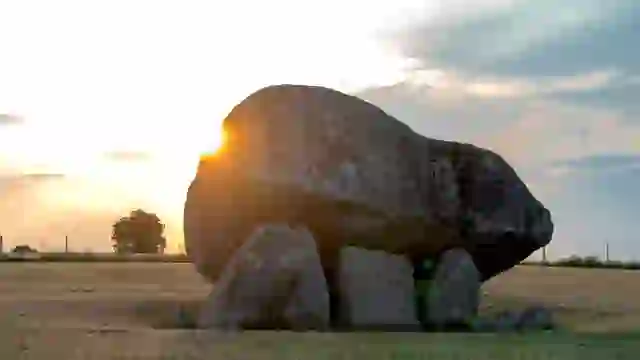
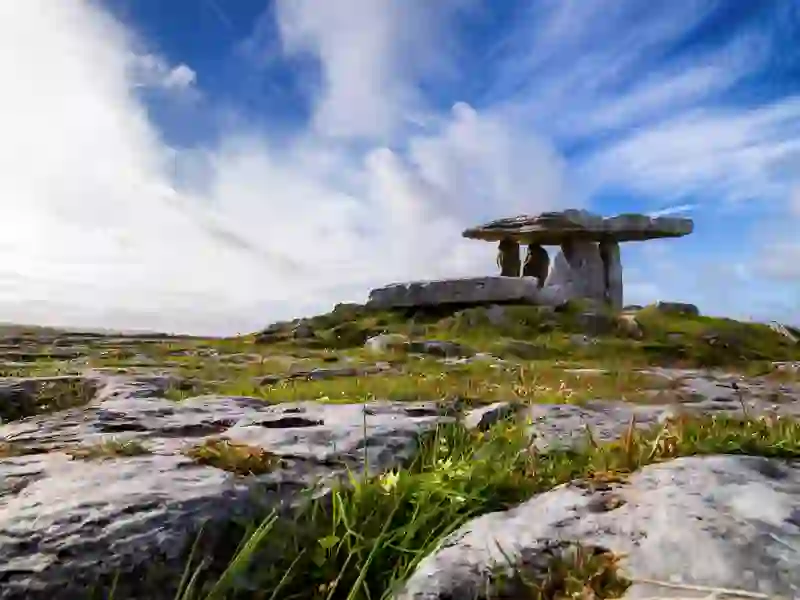
    Brownshill Dolmen in County Carlow, Ireland, with its massive prehistoric capstone silhouetted against a sunset sky. Brownshill Dolmen in County Carlow, Ireland, with its massive prehistoric capstone silhouetted against a sunset sky.

    Brownshill Dolmen, County Carlow

    Courtesy Fáilte Ireland

    County Carlow attractions

    Step back thousands of years at Brownshill Dolmen, one of Europe’s largest surviving portal tombs, where an enormous granite capstone has stood since the Neolithic period.

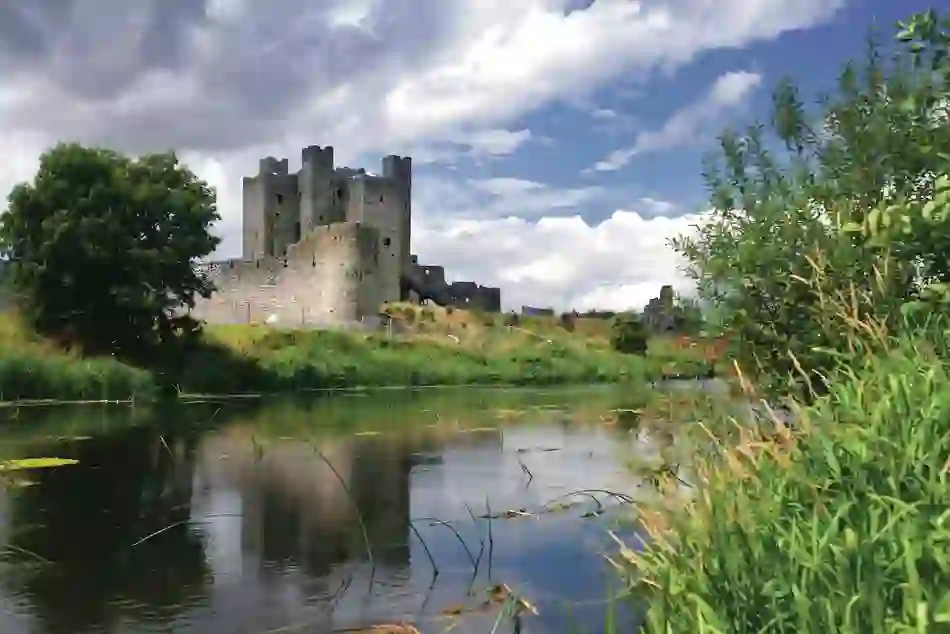
    Continue your journey at Huntington Castle, where beautifully preserved interiors, ancient yew walks and enchanting gardens reveal centuries of family history and folklore.

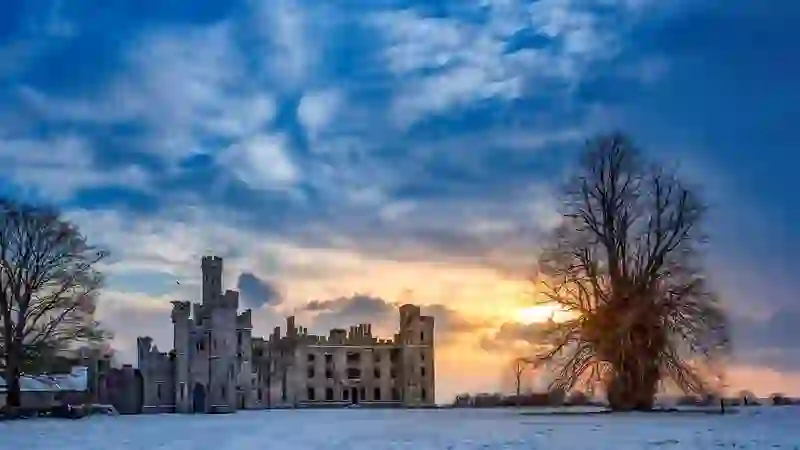
    Nearby, the romantic ruins of Duckett’s Grove, with their restored walled gardens, offer one of County Carlow’s most striking historic landmarks.

    Delightful gardens of County Carlow

    Garden lovers are equally spoiled for choice in Carlow. Wander through the celebrated Altamont Gardens, renowned for their seasonal displays, majestic trees and peaceful riverside setting, before exploring the beautifully designed Arboretum Inspirational Gardens, where rare trees, colourful borders and beautifully landscaped gardens provide inspiration throughout the seasons.

    In Carlow town, the Delta Sensory Gardens are a real oasis with 16 interconnecting gardens, splashing fountains and pretty waterfalls. Each season offers something different here, from daffodils in spring to gorse in summer.

    Eager for more? Don’t miss the gardens at both Huntington Castle and Duckett’s Grove, then discover an abundance of herbs at the Kilgraney House Herb Garden. 

    Discover the beautiful gardens of Ireland’s Ancient East
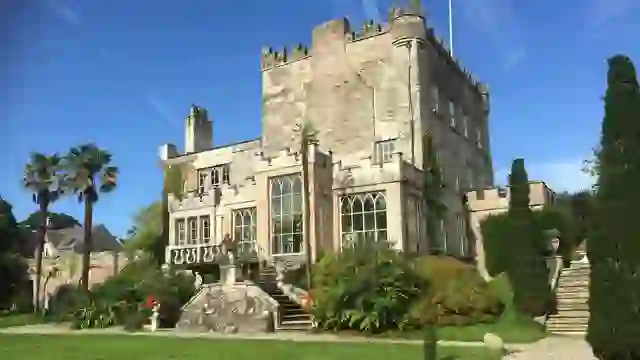
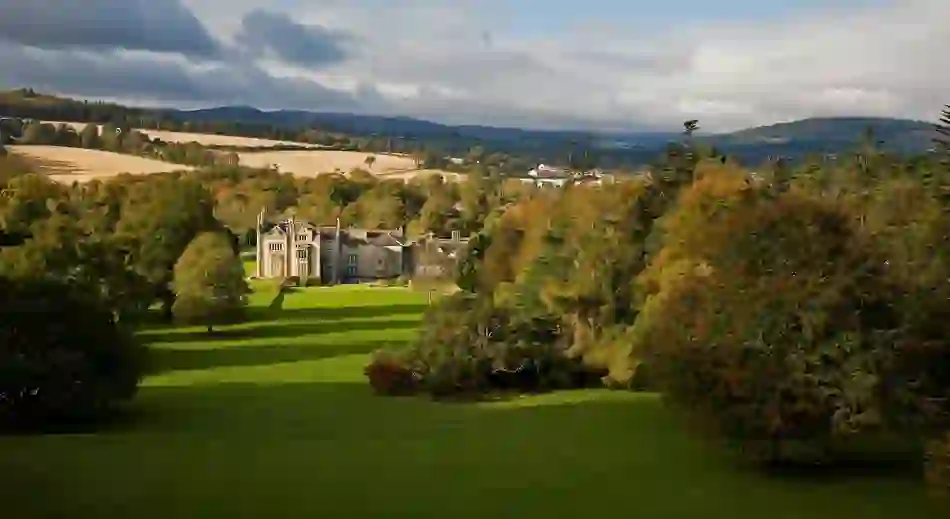
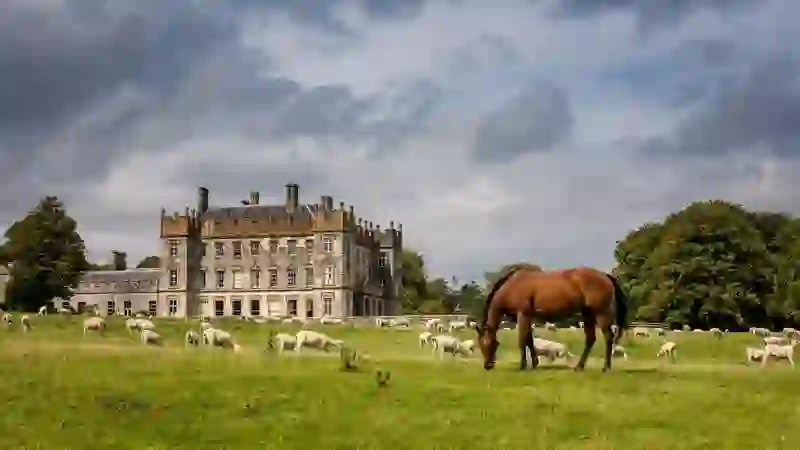
    Huntington Castle in Clonegal, County Carlow, stands amid landscaped gardens, with stone battlements, Gothic windows and mature greenery. Huntington Castle in Clonegal, County Carlow, stands amid landscaped gardens, with stone battlements, Gothic windows and mature greenery.

    Huntington Castle, County Carlow

    Courtesy of Carlow Tourism

    Outdoor adventures in County Carlow

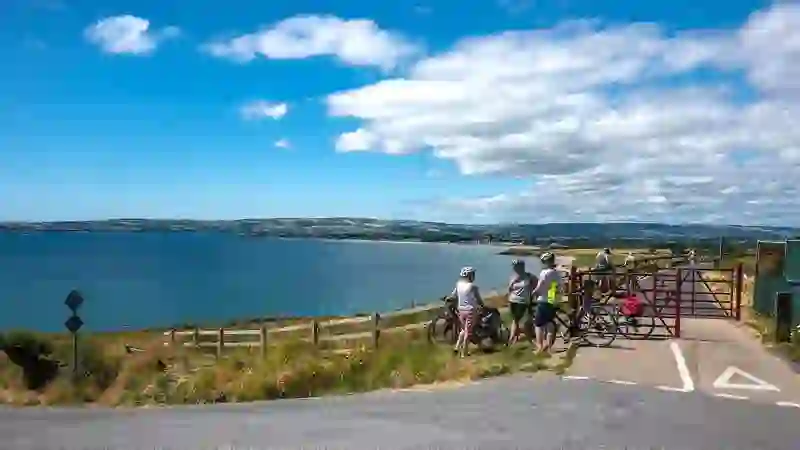
    The great outdoors is never far away in County Carlow. Follow the Barrow Way along the peaceful River Barrow, one of Ireland’s most scenic inland waterways, or discover the county from the water by kayak, canoe or guided river cruise.

    For spectacular views across Ireland’s Ancient East, head to the Blackstairs Mountains and Mount Leinster, where rewarding walking and cycling trails lead through some of the region’s most beautiful landscapes. In the historic village of St Mullins, an early Christian monastic settlement, riverside walks and centuries of heritage combine to create one of County Carlow’s most memorable places to visit.

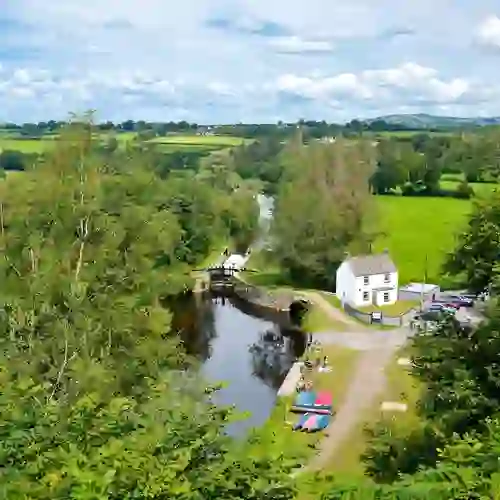
    Clashganny Forest is the perfect place for a hike with a view. The Clashganny Forest Looped Walk (6km) brings you along parts of the Barrow Way up to a lovely viewpoint where you can look down at the scenic Clashganny Lock.

    Explore Carlow town

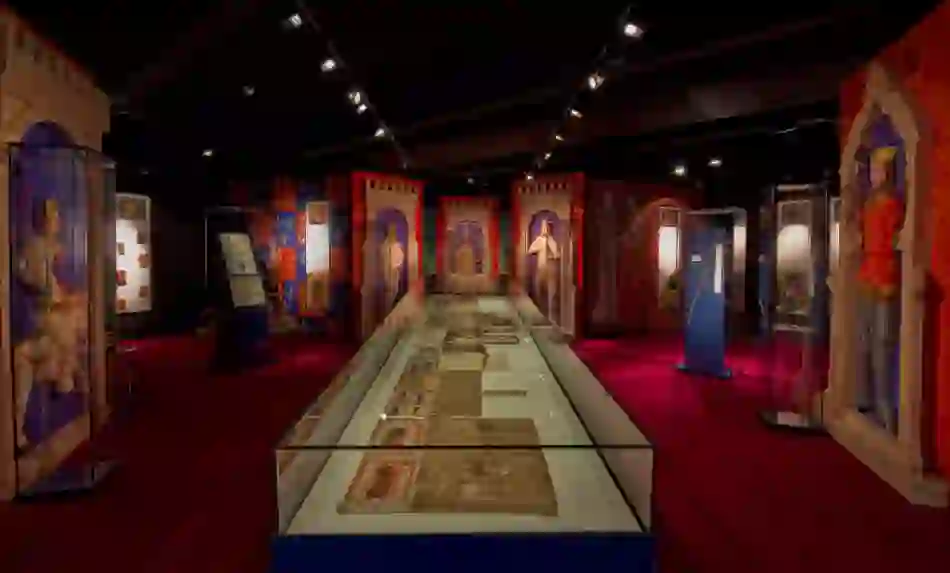
    Round off your visit in Carlow town, where history and contemporary culture sit side by side. Discover fascinating local stories at Carlow County Museum, explore inspiring exhibitions and performances at the award-winning VISUAL Centre for Contemporary Art, or simply relax in one of the town’s welcoming cafés before continuing your journey through Ireland’s Ancient East.

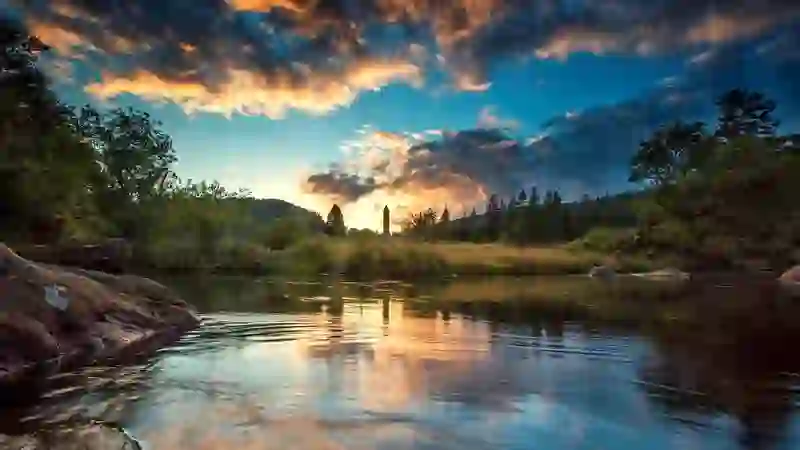
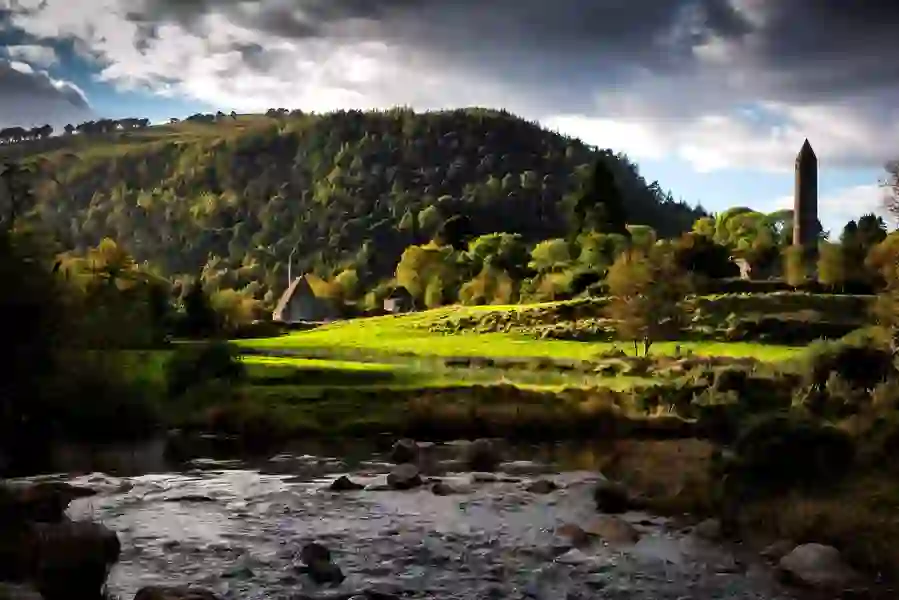
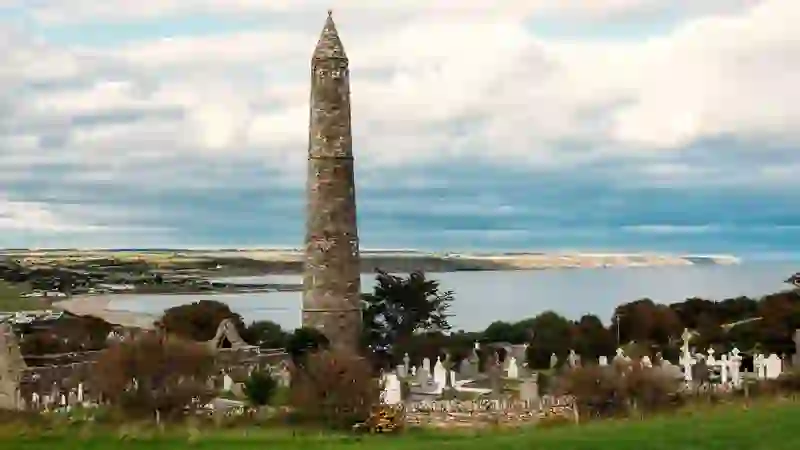
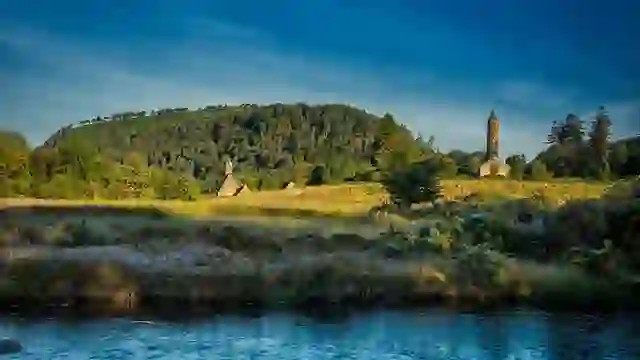
    The historic round tower and monastic ruins of Glendalough rising beyond a river, surrounded by woodland and sunlit countryside. The historic round tower and monastic ruins of Glendalough rising beyond a river, surrounded by woodland and sunlit countryside.

    Glendalough, County Wicklow 

    Beyond County Carlow

    County Carlow is perfectly placed for exploring more of Ireland’s Ancient East. Just west of the county, Kilkenny city is home to the magnificent Kilkenny Castle, the historic Medieval Mile and a thriving creative scene filled with artisan workshops, independent galleries and lively cafés. Wander its atmospheric streets, uncover centuries of history and experience one of Ireland’s most captivating medieval cities.

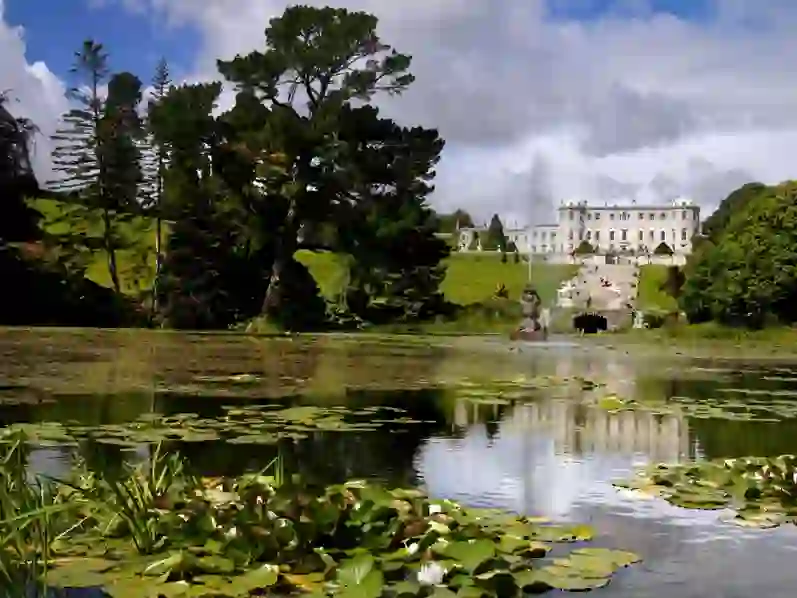
    Venture east into County Wicklow to discover the breathtaking landscapes of Glendalough, Powerscourt Estate and Wicklow Mountains National Park.

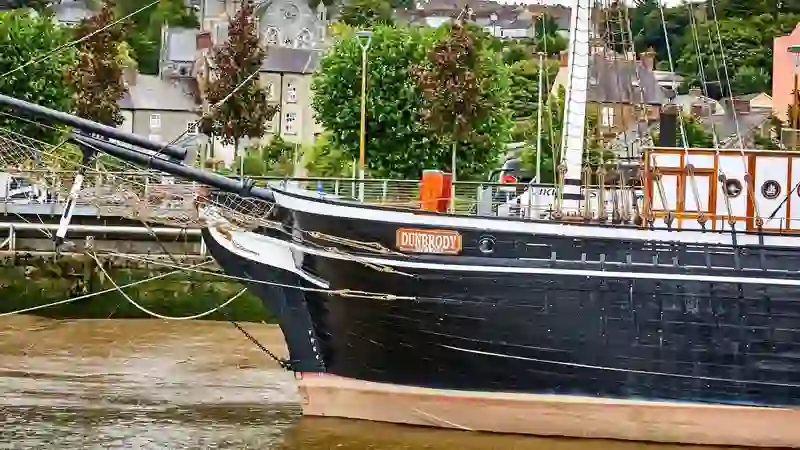
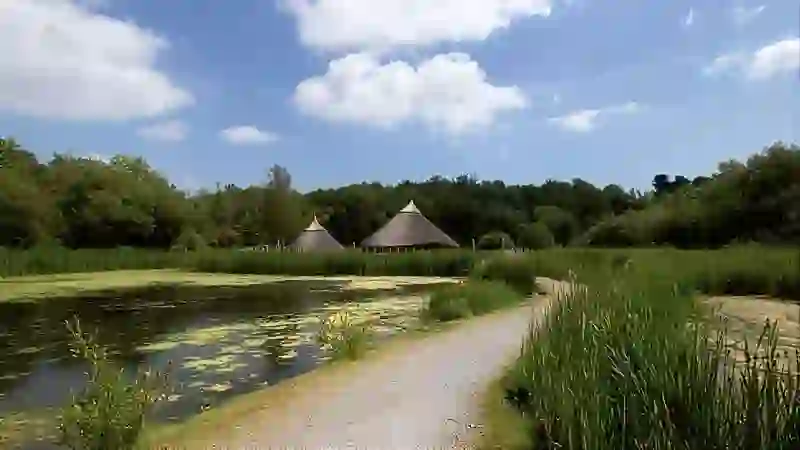
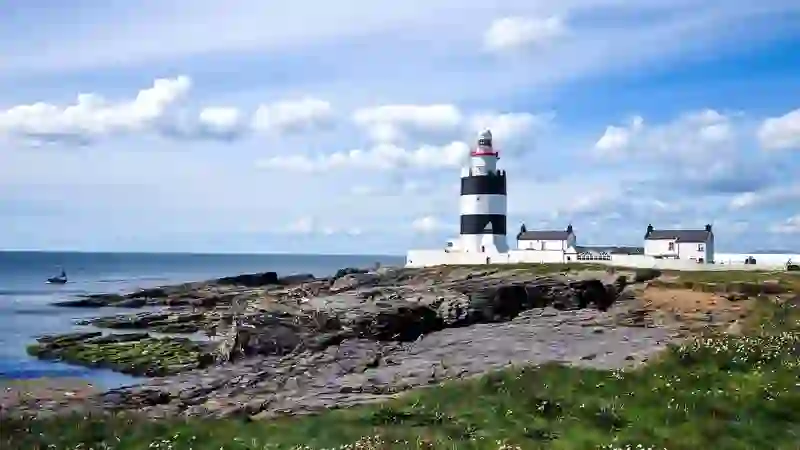
    Or travel south to County Wexford, where the Hook Peninsula, Irish National Heritage Park and the Dunbrody Famine Ship reveal another fascinating chapter of Ireland’s story.

    Together, these neighbouring counties reveal a region rich in ancient heritage, spectacular landscapes and unforgettable experiences, making County Carlow the perfect starting point for discovering the very best of Ireland’s Ancient East.

    Read more

    Home to one of Europe’s largest dolmens, the tranquil River Barrow and the beautiful Blackstairs Mountains, County Carlow is a destination rich in history, natural beauty and outdoor adventure. Whether you’re exploring Ireland’s Ancient East, wandering world-class gardens or discovering centuries of fascinating stories, Carlow promises unforgettable experiences at every turn. Despite its compact size, the county offers extraordinary variety, with riverside villages, quiet hamlets and the buzzy town of Carlow. From the tranquil banks of the River Barrow to historic castles, thriving cultural attractions and breathtaking countryside, every visit invites you to slow down and explore.

    Brownshill Dolmen in County Carlow, Ireland, with its massive prehistoric capstone silhouetted against a sunset sky. Brownshill Dolmen in County Carlow, Ireland, with its massive prehistoric capstone silhouetted against a sunset sky.

    Brownshill Dolmen, County Carlow

    Courtesy Fáilte Ireland

    County Carlow attractions

    Step back thousands of years at Brownshill Dolmen, one of Europe’s largest surviving portal tombs, where an enormous granite capstone has stood since the Neolithic period.

    Continue your journey at Huntington Castle, where beautifully preserved interiors, ancient yew walks and enchanting gardens reveal centuries of family history and folklore.

    Nearby, the romantic ruins of Duckett’s Grove, with their restored walled gardens, offer one of County Carlow’s most striking historic landmarks.

    Delightful gardens of County Carlow

    Garden lovers are equally spoiled for choice in Carlow. Wander through the celebrated Altamont Gardens, renowned for their seasonal displays, majestic trees and peaceful riverside setting, before exploring the beautifully designed Arboretum Inspirational Gardens, where rare trees, colourful borders and beautifully landscaped gardens provide inspiration throughout the seasons.

    In Carlow town, the Delta Sensory Gardens are a real oasis with 16 interconnecting gardens, splashing fountains and pretty waterfalls. Each season offers something different here, from daffodils in spring to gorse in summer.

    Eager for more? Don’t miss the gardens at both Huntington Castle and Duckett’s Grove, then discover an abundance of herbs at the Kilgraney House Herb Garden. 

    Discover the beautiful gardens of Ireland’s Ancient East

    Huntington Castle in Clonegal, County Carlow, stands amid landscaped gardens, with stone battlements, Gothic windows and mature greenery. Huntington Castle in Clonegal, County Carlow, stands amid landscaped gardens, with stone battlements, Gothic windows and mature greenery.

    Huntington Castle, County Carlow

    Courtesy of Carlow Tourism

    Outdoor adventures in County Carlow

    The great outdoors is never far away in County Carlow. Follow the Barrow Way along the peaceful River Barrow, one of Ireland’s most scenic inland waterways, or discover the county from the water by kayak, canoe or guided river cruise.

    For spectacular views across Ireland’s Ancient East, head to the Blackstairs Mountains and Mount Leinster, where rewarding walking and cycling trails lead through some of the region’s most beautiful landscapes. In the historic village of St Mullins, an early Christian monastic settlement, riverside walks and centuries of heritage combine to create one of County Carlow’s most memorable places to visit.

    Clashganny Forest is the perfect place for a hike with a view. The Clashganny Forest Looped Walk (6km) brings you along parts of the Barrow Way up to a lovely viewpoint where you can look down at the scenic Clashganny Lock.

    Explore Carlow town

    Round off your visit in Carlow town, where history and contemporary culture sit side by side. Discover fascinating local stories at Carlow County Museum, explore inspiring exhibitions and performances at the award-winning VISUAL Centre for Contemporary Art, or simply relax in one of the town’s welcoming cafés before continuing your journey through Ireland’s Ancient East.
    The historic round tower and monastic ruins of Glendalough rising beyond a river, surrounded by woodland and sunlit countryside. The historic round tower and monastic ruins of Glendalough rising beyond a river, surrounded by woodland and sunlit countryside.

    Glendalough, County Wicklow 

    Beyond County Carlow

    County Carlow is perfectly placed for exploring more of Ireland’s Ancient East. Just west of the county, Kilkenny city is home to the magnificent Kilkenny Castle, the historic Medieval Mile and a thriving creative scene filled with artisan workshops, independent galleries and lively cafés. Wander its atmospheric streets, uncover centuries of history and experience one of Ireland’s most captivating medieval cities.

    Venture east into County Wicklow to discover the breathtaking landscapes of Glendalough, Powerscourt Estate and Wicklow Mountains National Park.

    Or travel south to County Wexford, where the Hook Peninsula, Irish National Heritage Park and the Dunbrody Famine Ship reveal another fascinating chapter of Ireland’s story.

    Together, these neighbouring counties reveal a region rich in ancient heritage, spectacular landscapes and unforgettable experiences, making County Carlow the perfect starting point for discovering the very best of Ireland’s Ancient East.

    Read more
    Experience as part of:

    Discover ancient monuments, magnificent gardens and scenic rivers in County Carlow in Ireland’s southeast.

    Home to one of Europe’s largest dolmens, the tranquil River Barrow and the beautiful Blackstairs Mountains, County Carlow is a destination rich in history, natural beauty and outdoor adventure. Whether you’re exploring Ireland’s Ancient East, wandering world-class gardens or discovering centuries of fascinating stories, Carlow promises unforgettable experiences at every turn. Despite its compact size, the county offers extraordinary variety, with riverside villages, quiet hamlets and the buzzy town of Carlow. From the tranquil banks of the River Barrow to historic castles, thriving cultural attractions and breathtaking countryside, every visit invites you to slow down and explore.

    Brownshill Dolmen in County Carlow, Ireland, with its massive prehistoric capstone silhouetted against a sunset sky. Brownshill Dolmen in County Carlow, Ireland, with its massive prehistoric capstone silhouetted against a sunset sky.

    Brownshill Dolmen, County Carlow

    Courtesy Fáilte Ireland

    County Carlow attractions

    Step back thousands of years at Brownshill Dolmen, one of Europe’s largest surviving portal tombs, where an enormous granite capstone has stood since the Neolithic period.

    Continue your journey at Huntington Castle, where beautifully preserved interiors, ancient yew walks and enchanting gardens reveal centuries of family history and folklore.

    Nearby, the romantic ruins of Duckett’s Grove, with their restored walled gardens, offer one of County Carlow’s most striking historic landmarks.

    Delightful gardens of County Carlow

    Garden lovers are equally spoiled for choice in Carlow. Wander through the celebrated Altamont Gardens, renowned for their seasonal displays, majestic trees and peaceful riverside setting, before exploring the beautifully designed Arboretum Inspirational Gardens, where rare trees, colourful borders and beautifully landscaped gardens provide inspiration throughout the seasons.

    In Carlow town, the Delta Sensory Gardens are a real oasis with 16 interconnecting gardens, splashing fountains and pretty waterfalls. Each season offers something different here, from daffodils in spring to gorse in summer.

    Eager for more? Don’t miss the gardens at both Huntington Castle and Duckett’s Grove, then discover an abundance of herbs at the Kilgraney House Herb Garden. 

    Discover the beautiful gardens of Ireland’s Ancient East

    Huntington Castle in Clonegal, County Carlow, stands amid landscaped gardens, with stone battlements, Gothic windows and mature greenery. Huntington Castle in Clonegal, County Carlow, stands amid landscaped gardens, with stone battlements, Gothic windows and mature greenery.

    Huntington Castle, County Carlow

    Courtesy of Carlow Tourism

    Outdoor adventures in County Carlow

    The great outdoors is never far away in County Carlow. Follow the Barrow Way along the peaceful River Barrow, one of Ireland’s most scenic inland waterways, or discover the county from the water by kayak, canoe or guided river cruise.

    For spectacular views across Ireland’s Ancient East, head to the Blackstairs Mountains and Mount Leinster, where rewarding walking and cycling trails lead through some of the region’s most beautiful landscapes. In the historic village of St Mullins, an early Christian monastic settlement, riverside walks and centuries of heritage combine to create one of County Carlow’s most memorable places to visit.

    Clashganny Forest is the perfect place for a hike with a view. The Clashganny Forest Looped Walk (6km) brings you along parts of the Barrow Way up to a lovely viewpoint where you can look down at the scenic Clashganny Lock.

    Explore Carlow town

    Round off your visit in Carlow town, where history and contemporary culture sit side by side. Discover fascinating local stories at Carlow County Museum, explore inspiring exhibitions and performances at the award-winning VISUAL Centre for Contemporary Art, or simply relax in one of the town’s welcoming cafés before continuing your journey through Ireland’s Ancient East.

    The historic round tower and monastic ruins of Glendalough rising beyond a river, surrounded by woodland and sunlit countryside. The historic round tower and monastic ruins of Glendalough rising beyond a river, surrounded by woodland and sunlit countryside.

    Glendalough, County Wicklow 

    Beyond County Carlow

    County Carlow is perfectly placed for exploring more of Ireland’s Ancient East. Just west of the county, Kilkenny city is home to the magnificent Kilkenny Castle, the historic Medieval Mile and a thriving creative scene filled with artisan workshops, independent galleries and lively cafés. Wander its atmospheric streets, uncover centuries of history and experience one of Ireland’s most captivating medieval cities.

    Venture east into County Wicklow to discover the breathtaking landscapes of Glendalough, Powerscourt Estate and Wicklow Mountains National Park.

    Or travel south to County Wexford, where the Hook Peninsula, Irish National Heritage Park and the Dunbrody Famine Ship reveal another fascinating chapter of Ireland’s story.

    Together, these neighbouring counties reveal a region rich in ancient heritage, spectacular landscapes and unforgettable experiences, making County Carlow the perfect starting point for discovering the very best of Ireland’s Ancient East.
    Read more
    Experience as part of:
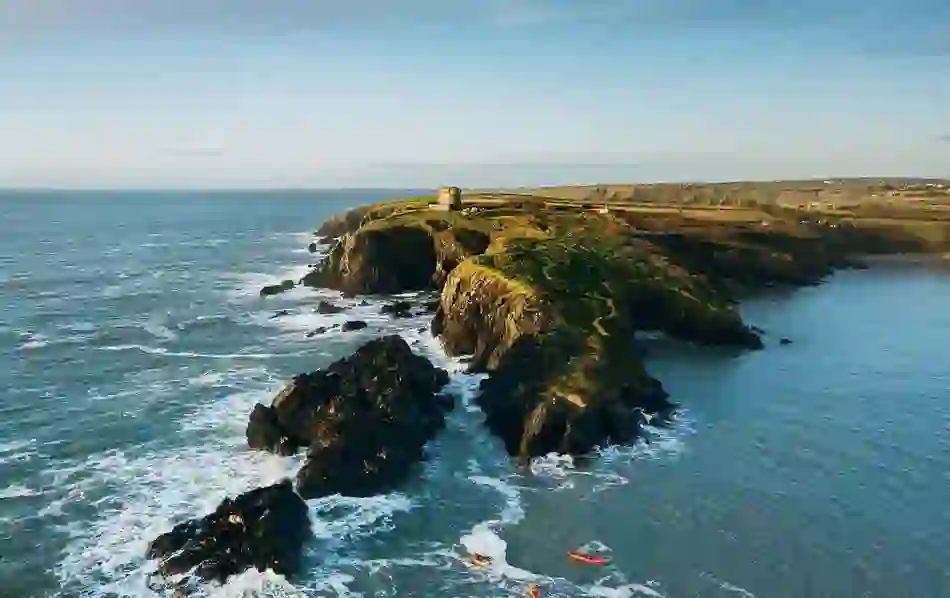
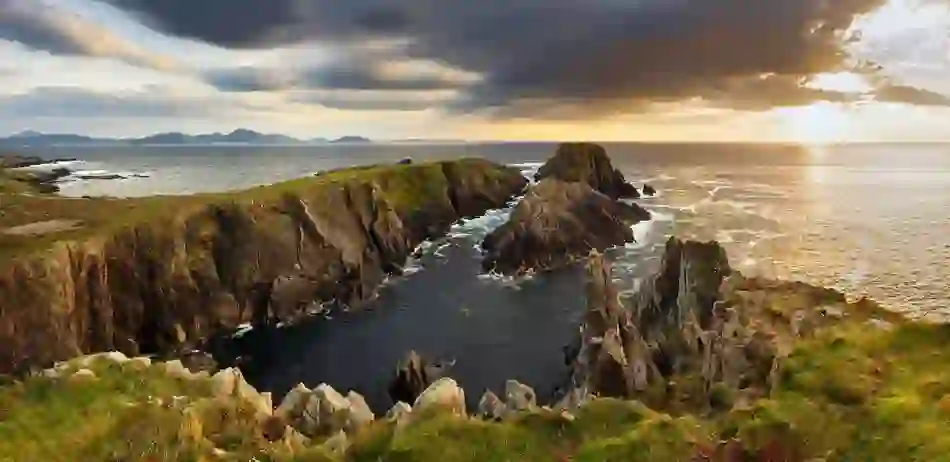
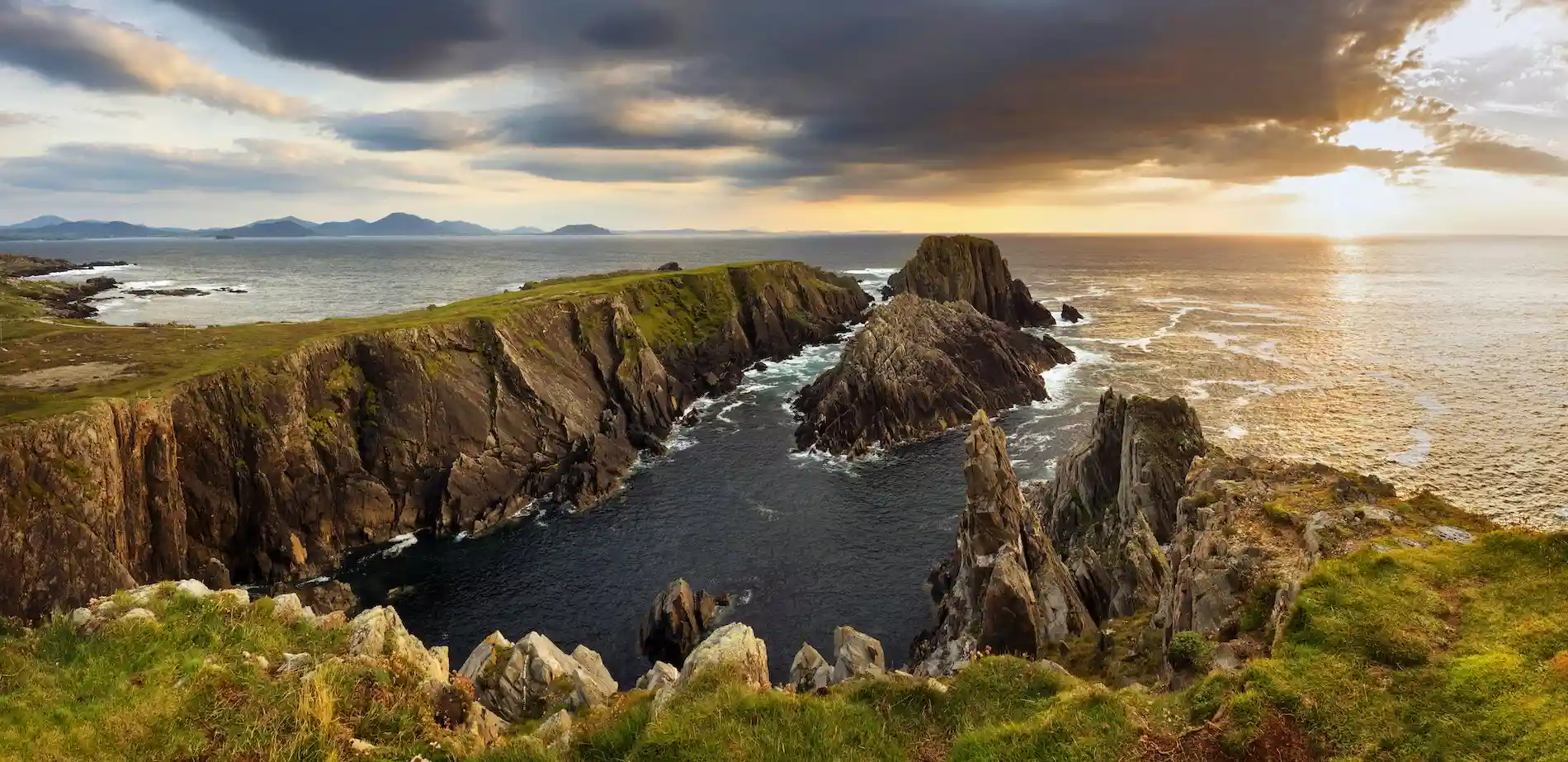
    Dramatic rocky cliffs and headlands on the Dingle Peninsula, featured in Star Wars: The Last Jedi filming. Dramatic rocky cliffs and headlands on the Dingle Peninsula, featured in Star Wars: The Last Jedi filming.
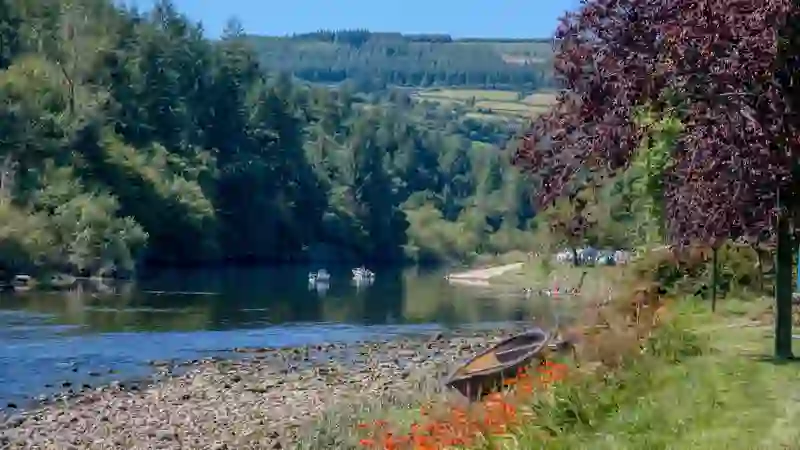
    Scenic view of Clashganny Lock on the River Barrow in County Carlow, Ireland, with colourful kayaks and lush countryside. Scenic view of Clashganny Lock on the River Barrow in County Carlow, Ireland, with colourful kayaks and lush countryside.

    The River Barrow, which flows through County Carlow, is Ireland's second-longest river, stretching for 192km

    County Carlow FAQs
    Where is County Carlow?

    County Carlow lies in the southeast of Ireland, within the province of Leinster. It is also located in Ireland’s Ancient East, a region that spans multiple counties from County Monaghan to County Cork and boasts thousands of years of history.

    Carlow is bordered by five other counties: Kildare (to the north), Laois (to the north and west), Kilkenny (to the west), Wexford (to the southeast) and Wicklow (to the east). The county is just over an hour away from Dublin.

    What is County Carlow famous for?

    County Carlow is well known for a number of things, including its ancient sites, castles and gardens. Did you know that Carlow was once the capital of the Lordship of Ireland, a role it held from 1361 to 1374?

    The county is home to the Brownshill Dolmen, an ancient portal tomb that boasts one of the largest capstones in Europe. The dolmen is thought to be between 4,900 and 5,500 years old and is described by Heritage Ireland as one of “Ireland’s most awe-inspiring prehistoric monuments”.

    In Carlow, you’ll also find the fascinating Huntington Castle, which dates to 1625, and Altamont Gardens, often described as the most romantic gardens in Ireland. The county also boasts a thriving arts scene. The Carlow Arts Festival, which takes place every June, has featured renowned names including Pierre Huyghe, Dorothy Cross and Max Richter.

    What is the Irish name for Carlow?

    The Irish name for Carlow is Ceatharlach, which means “the place of cattle of herds” or “the place of four lakes”. According to Carlow Tourism, “Tradition has it that the junction of the two rivers (the Barrow and the Burrin) once covered such a large area of ground that a lake was formed, or, as some believe four lakes, hence the name Ceatharloch or City of the Four Lakes.”

    How close is County Carlow to Dublin?

    Carlow is approximately 70km from Dublin, and travel between the two is easy. By train, the journey time is just over an hour from Dublin Heuston, while it’ll take around 1 hour 25 minutes by bus. By car, it should take around 1 hour 15 minutes, depending on traffic.

    Is Carlow the smallest county in Ireland?

    No, Carlow is not the smallest county in Ireland – that title goes to County Louth. Carlow, in fact, is the second-smallest county in Ireland. But despite its small size, there’s lots to see and do here, from amazing heritage sites such as Huntington Castle and Duckett’s Grove to the arty town of Carlow itself.

    Where are the best places to eat in County Carlow?

    If you’re looking for places to eat in Ireland’s Ancient East, Carlow has you covered. The county boasts a thriving food scene, with everything from local chocolatiers to artisan cheesemakers. You’ll also find an abundance of bakeries, farmers’ markets and cafés. Carlow feeds visitors well, whether you’re seeking a fine-dining experience or just fancy a toastie in a charming old pub.

    For Michelin Bib Gourmand cooking, try Sha-Roe Bistro in the tiny village of Clonegal. It makes a great evening option if you’re staying at Huntington Castle. Clashganny House, with its picturesque setting in a restored 1830s millhouse, is another excellent choice. Lennons at the VISUAL Centre for Contemporary Art in Carlow town is a buzzy, modern choice, while an enduring local favourite is Mimosa Wine and Tapas Bar, opposite the cathedral.

    A perfect choice for walkers is Mullichain Café, right on the River Barrow. Set within a restored grain house overlooking the flowing waters, it’s a perfect spot for homemade soups and sandwiches.

    When is the best time of year to visit County Carlow?

    Given that Carlow boasts several gardens, including Altamont, Delta Sensory Gardens and Huntington Castle and Gardens, spring, summer and autumn are great times to visit as you’ll get a variety of blooms at different times of the year.

    Summer is ideal for arts-lovers, as June sees the critically acclaimed Carlow Arts Festival take over town. It’s also a great time to enjoy walks along the River Barrow. That said, winter brings its own charms with hot chocolate in cafés, exhibitions in VISUAL Carlow and a quieter pace of life.