



Go to My Ireland
logo-mini

Are you sure you want to leave the feed?

Oops... something went wrong!

My Ireland

Looking for inspiration? Planning a trip? Or just want to scroll yourself happy? We'll show you an Ireland that's tailor-made for you.

  • #Landscapes
  • #CultureandHeritage
  • #OutdoorActivities
  • #Landmarks
MyICallOut_FindTheThings_EN_Desk_Above-Left MyICallOut_FindTheThings_EN_Desk_Above-Left

Oops... no internet connection

While offline, you can still add items to My board. New travel reccomendations will only show up once you’re back online.

    See what Ireland has in store for you

    Oops... no internet connection

    While offline, you can still add items to My board. New travel reccomendations will only show up once you’re back online.

    My board

    Look out for the little heart icon around Ireland.com. Simply tap the heart to add items to your board!

    Emptyboard Emptyboard

    From soaring sea cliffs and Atlantic islands to vibrant towns and rich traditions, Donegal is Ireland’s untamed north-west at its very best.

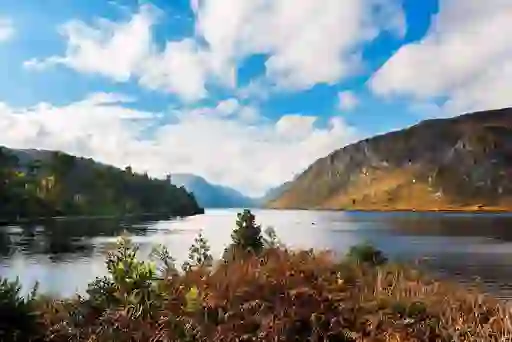
    Donegal is where Ireland feels wilder. Along the island’s rugged north-west edge, towering sea cliffs, golden beaches and winding coastal roads create a landscape shaped by the Atlantic at every turn. But beyond the scenery, Donegal is a place of strong local character – where trad music spills from cosy pubs, surfing thrives beside remote fishing villages and life still moves to the rhythm of the sea. From the rugged slopes of Errigal and the wild beauty of Glenveagh National Park to the Gaeltacht regions and windswept Malin Head, Donegal captures the adventurous spirit of the Wild Atlantic Way as few places can.
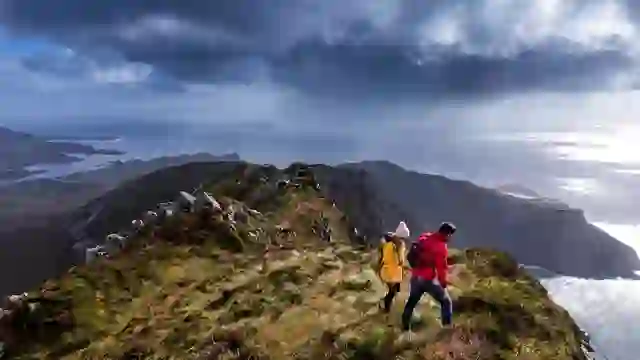
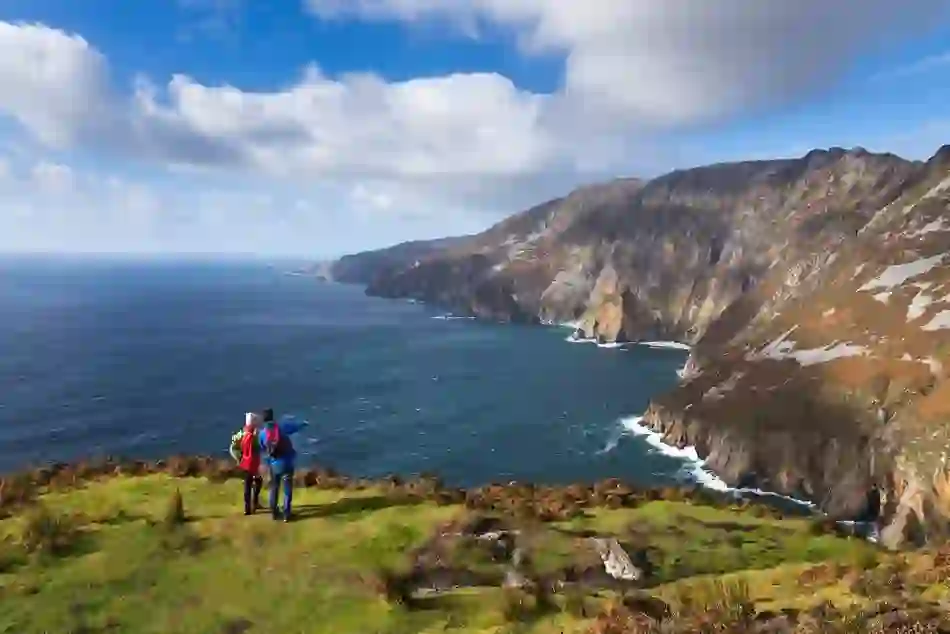
    Hikers on Slieve League Cliffs with dramatic coastal views in County Donegal. Hikers on Slieve League Cliffs with dramatic coastal views in County Donegal.

    Slieve League Cliffs, County Donegal

    Courtesy of Paul Lindsay

    County Donegal attractions

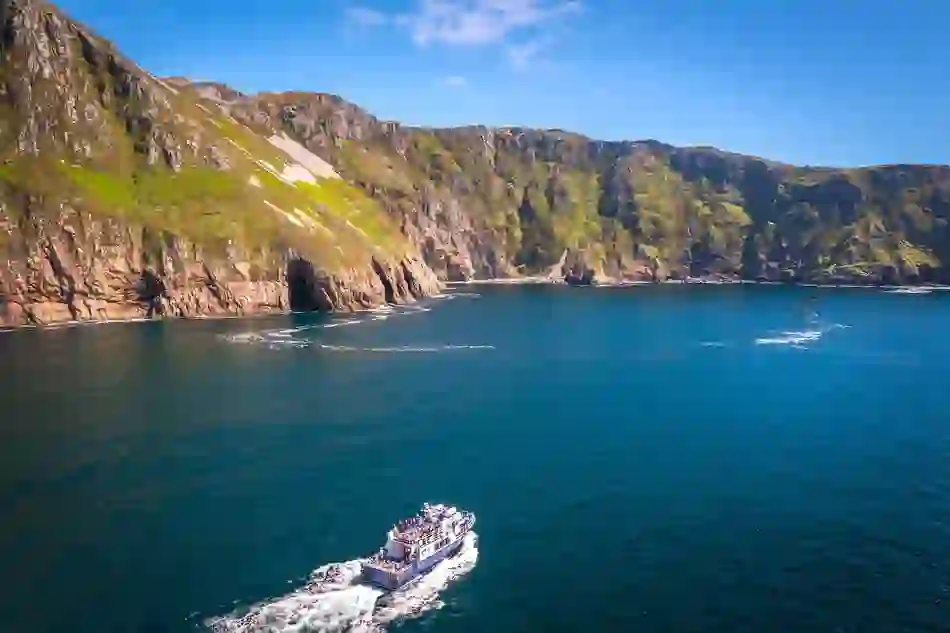
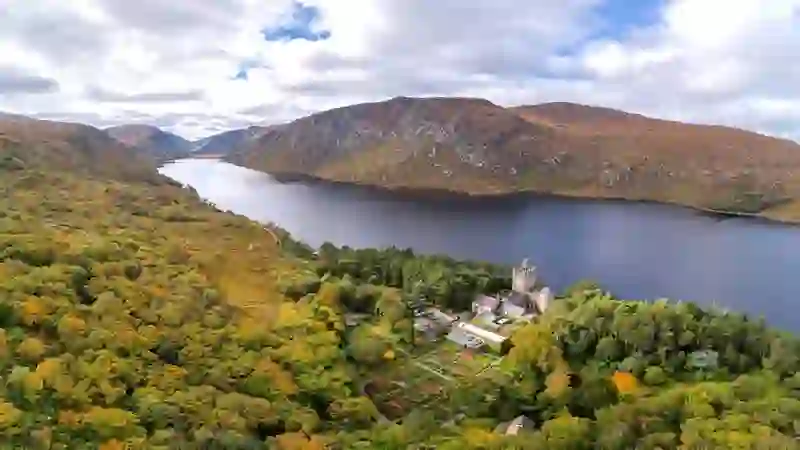
    The challenge in Donegal isn’t finding something remarkable to see – it’s deciding where to go first. Follow the coast along the Wild Atlantic Way, where scenic drives reveal hidden coves, dramatic headlands and ever-changing seascapes. Stand atop the soaring Slieve League Cliffs and see the storms raging over the Atlantic Ocean. Or explore the untamed beauty of Glenveagh National Park with its dramatic castle and herd of wild deer.

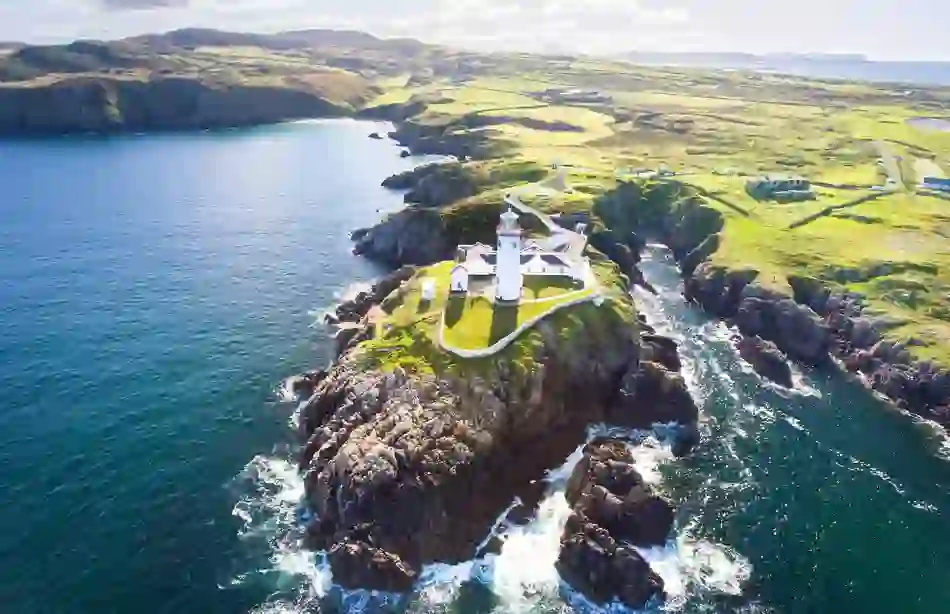
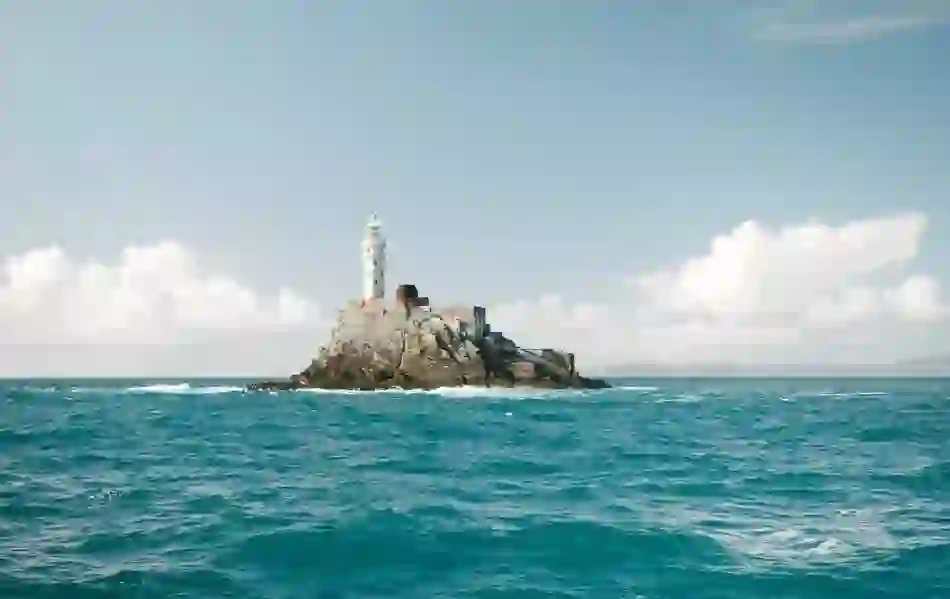
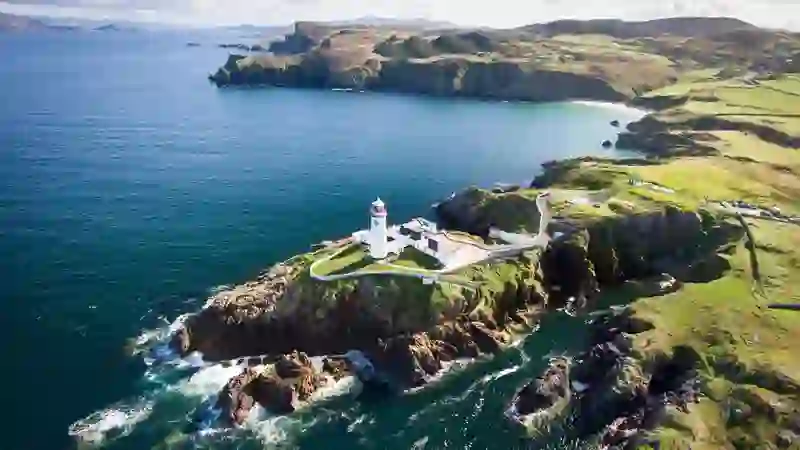
    Discover the Inishowen Peninsula, home to Malin Head, Ireland’s most northerly point. Then take the scenic ferry ride across Lough Swilly to the neighbouring peninsula of Fanad, where the Fanad Head Lighthouse offers unforgettable coastal views.

    On Tory Island, whose remoteness has led to a preservation of old traditions and culture, locals still tell tales of giants and old gods. While on Arranmore, the past sits easily alongside the modern world in this, Ireland’s first offshore digital hub.

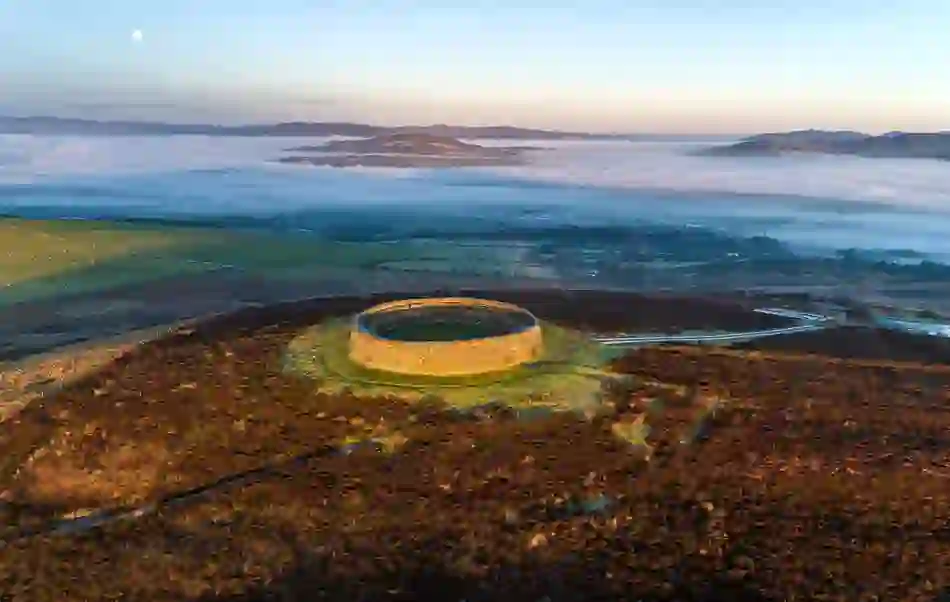
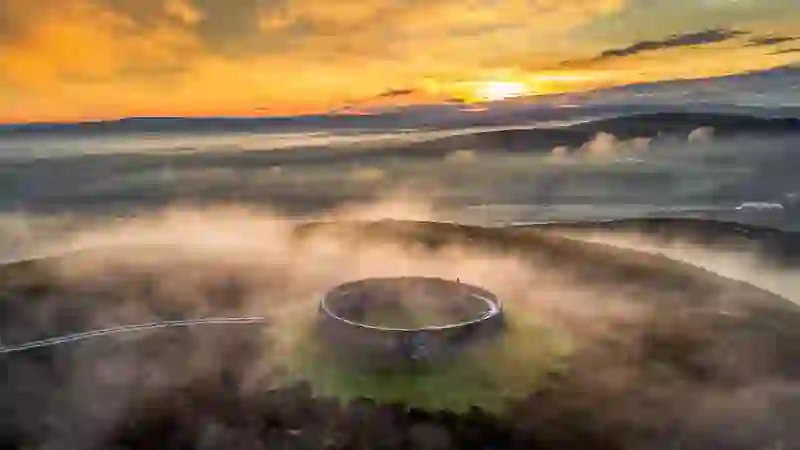
    You’ll see those traces of an ancient past everywhere, in the stone circles and portal tombs, and most impressively, in the circular stone fort of Grianán of Aileach, which offers panoramic views of the surrounding countryside. But Donegal is also a playground for holiday makers, surfers, golfers and more who revel in the energy and spirit of lively seaside towns like Bundoran, Dunfanaghy and Dunloe.

    Walking in County Donegal

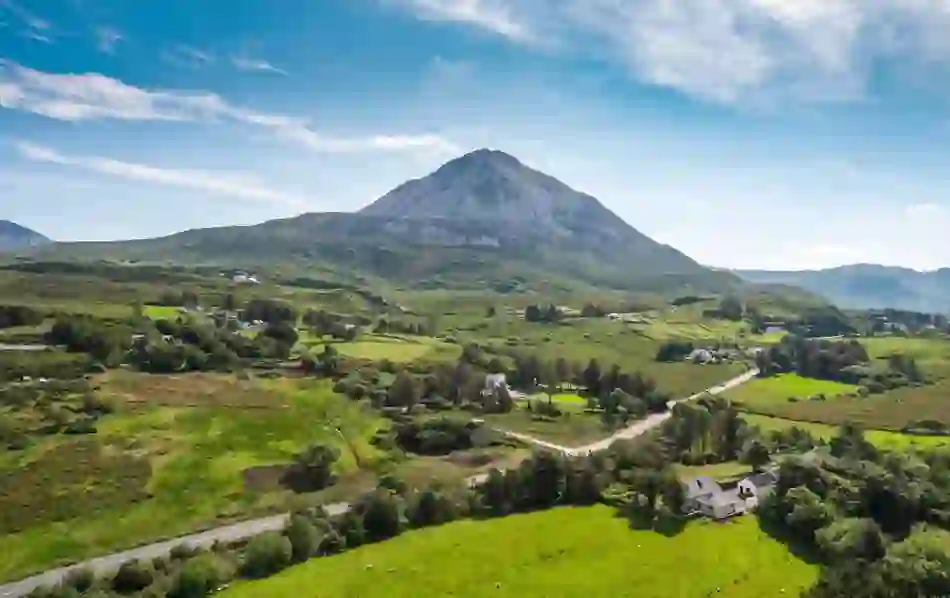
    Donegal is a dream for walkers of all abilities and you can expect spectacular views across mountains, lakes and coastline. Seasoned hikers will relish the challenge of climbing Errigal, the county’s highest peak, or following the 65km Bluestack Way from Donegal town to Ardara.

    Those looking for less strenuous routes can try the nature trails in the Ards Forest Park and Glenveagh National Park, coastal walks like the 4.5km Rougey Cliff Walk outside Bundoran, or a guided walking tour of Donegal town, with its Viking roots and 15th-century Donegal Castle.

    Aerial view of Silver Strand Beach in County Donegal, surrounded by dramatic cliffs and Atlantic Ocean. Aerial view of Silver Strand Beach in County Donegal, surrounded by dramatic cliffs and Atlantic Ocean.

    Malin Beg Beach (Silver Strand), County Donegal

    County Donegal’s beaches

    Time and nature have carved Donegal’s coast into something spectacular. Its 1,100km coastline boasts over 100 beaches, from secluded coves to long golden strands. Highlights include Ballymastoker Beach, voted one of the most beautiful in the world by readers of The Observer, Trá Mór, selected by Lonely Planet as one of Ireland’s top beaches, and Malin Beg (Silver Strand) Beach, a glorious crescent of sand surrounded by horseshoe-shaped cliffs, which is accessed via 174 steps.

    Explore 10 great beaches on the Wild Atlantic Way

    Culture and heritage in County Donegal

    Donegal’s rich culture is never far away. Explore the county’s Gaeltacht regions, where the Irish language and traditional customs remain part of everyday life, or spend an evening enjoying traditional music in Donegal town and Gweedore, long celebrated for their lively pub sessions and cultural heritage.

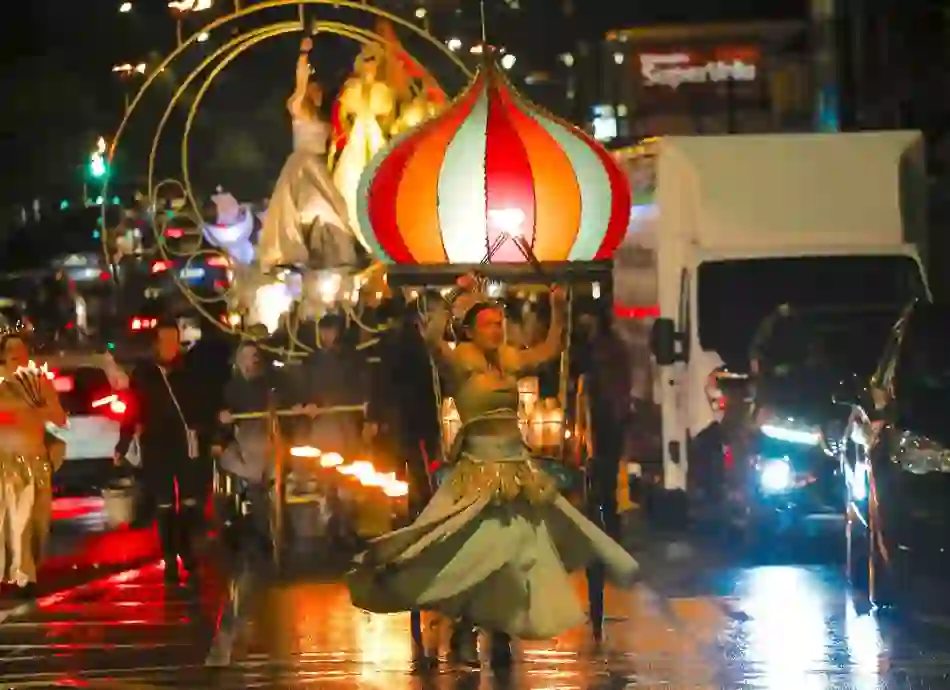
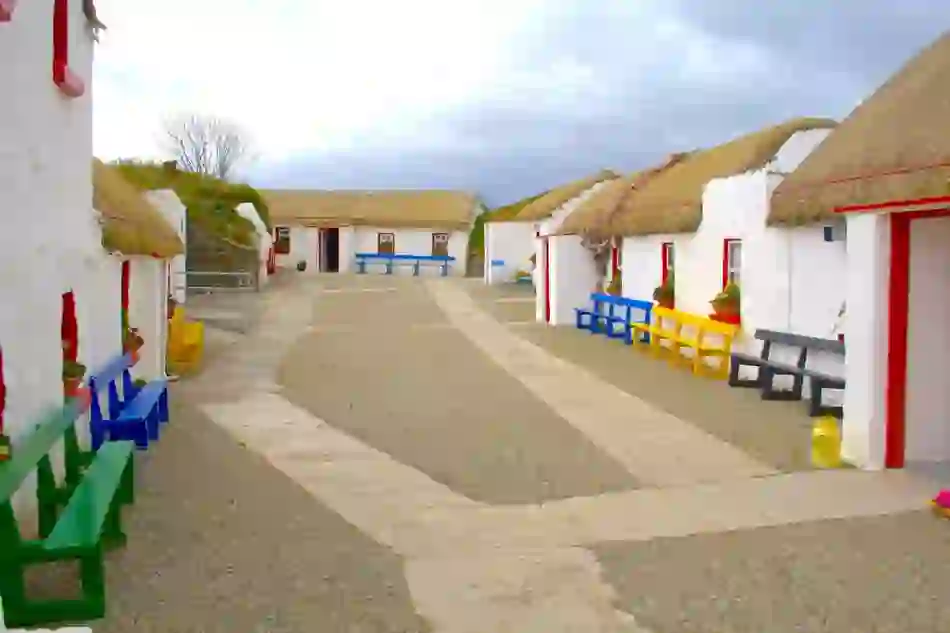
    Discover life in rural Ireland at Glencolmcille Folk Village, and the secrets of traditional Donegal tweed in Ardara, while in Letterkenny, a vibrant calendar of festivals, events and food experiences adds another dimension to the county’s appeal.

    donegal-inset-two-benbulben donegal-inset-two-benbulben

    Ben Bulben, County Sligo

    Beyond County Donegal

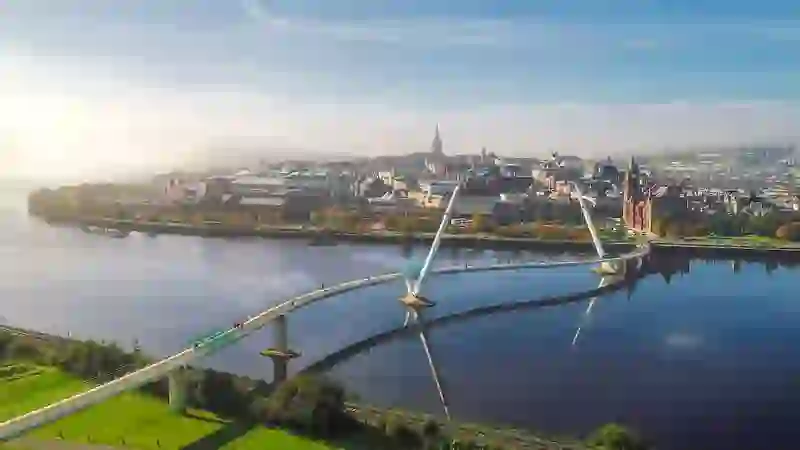
    Just beyond Donegal’s borders, the walled city of Derry~Londonderry offers centuries of history alongside a vibrant cultural scene. Walk the 400-year-old city walls, visit the striking Guildhall, explore the city’s museums and discover the restaurants, pubs and festivals that make it one of Northern Ireland’s most compelling destinations.

    Nearby, the Sperrin Mountains provide scenic drives, walking trails and some of the most unspoilt landscapes in the north of Ireland.

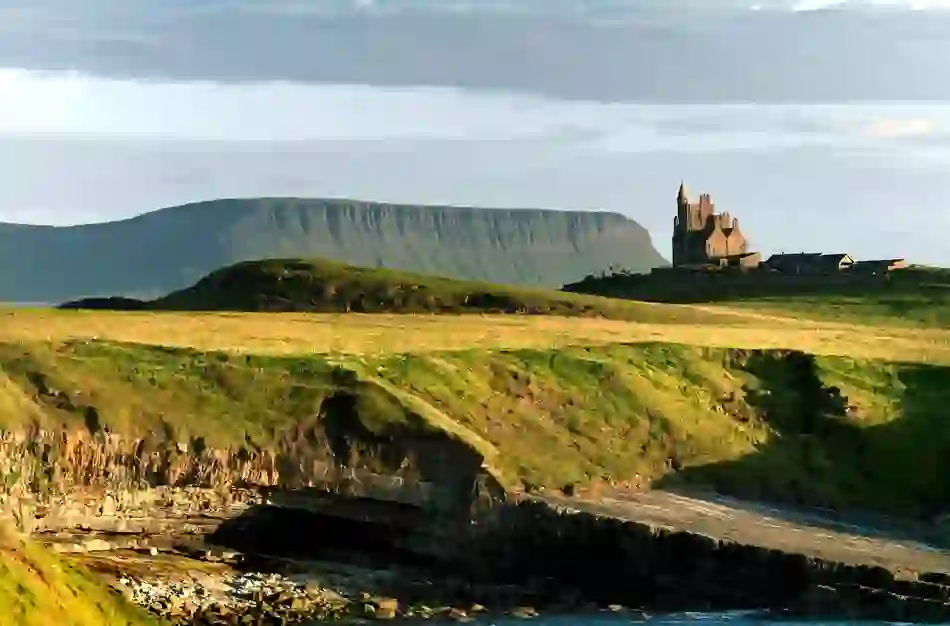
    To the south, neighbouring County Sligo combines dramatic scenery with a rich literary heritage. Explore the distinctive silhouette of Ben Bulben, take in the spectacular coastal views around Mullaghmore or follow in the footsteps of WB Yeats, whose work was inspired by the county’s landscapes and folklore.

    Between the rich history of Derry~Londonderry and the dramatic landscapes of Sligo and beyond, there’s plenty more to add to your north-west adventure. The Wild Atlantic Way awaits so start planning your trip now.

    Discover the top experiences along the Wild Atlantic Way

    Read more

    Donegal is where Ireland feels wilder. Along the island’s rugged north-west edge, towering sea cliffs, golden beaches and winding coastal roads create a landscape shaped by the Atlantic at every turn. But beyond the scenery, Donegal is a place of strong local character – where trad music spills from cosy pubs, surfing thrives beside remote fishing villages and life still moves to the rhythm of the sea. From the rugged slopes of Errigal and the wild beauty of Glenveagh National Park to the Gaeltacht regions and windswept Malin Head, Donegal captures the adventurous spirit of the Wild Atlantic Way as few places can.

    Hikers on Slieve League Cliffs with dramatic coastal views in County Donegal. Hikers on Slieve League Cliffs with dramatic coastal views in County Donegal.

    Slieve League Cliffs, County Donegal

    Courtesy of Paul Lindsay

    County Donegal attractions

    The challenge in Donegal isn’t finding something remarkable to see – it’s deciding where to go first. Follow the coast along the Wild Atlantic Way, where scenic drives reveal hidden coves, dramatic headlands and ever-changing seascapes. Stand atop the soaring Slieve League Cliffs and see the storms raging over the Atlantic Ocean. Or explore the untamed beauty of Glenveagh National Park with its dramatic castle and herd of wild deer.

    Discover the Inishowen Peninsula, home to Malin Head, Ireland’s most northerly point. Then take the scenic ferry ride across Lough Swilly to the neighbouring peninsula of Fanad, where the Fanad Head Lighthouse offers unforgettable coastal views.

    On Tory Island, whose remoteness has led to a preservation of old traditions and culture, locals still tell tales of giants and old gods. While on Arranmore, the past sits easily alongside the modern world in this, Ireland’s first offshore digital hub.

    You’ll see those traces of an ancient past everywhere, in the stone circles and portal tombs, and most impressively, in the circular stone fort of Grianán of Aileach, which offers panoramic views of the surrounding countryside. But Donegal is also a playground for holiday makers, surfers, golfers and more who revel in the energy and spirit of lively seaside towns like Bundoran, Dunfanaghy and Dunloe.

    Walking in County Donegal

    Donegal is a dream for walkers of all abilities and you can expect spectacular views across mountains, lakes and coastline. Seasoned hikers will relish the challenge of climbing Errigal, the county’s highest peak, or following the 65km Bluestack Way from Donegal town to Ardara.

    Those looking for less strenuous routes can try the nature trails in the Ards Forest Park and Glenveagh National Park, coastal walks like the 4.5km Rougey Cliff Walk outside Bundoran, or a guided walking tour of Donegal town, with its Viking roots and 15th-century Donegal Castle.
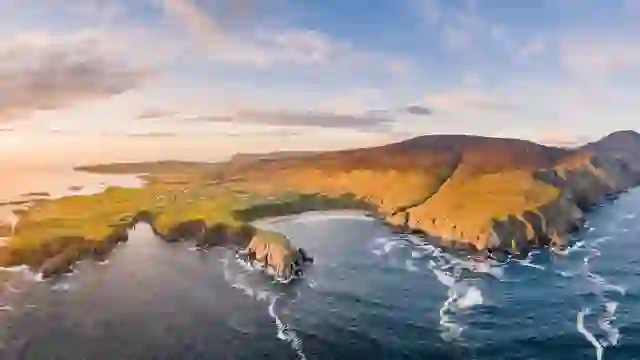
    Aerial view of Silver Strand Beach in County Donegal, surrounded by dramatic cliffs and Atlantic Ocean. Aerial view of Silver Strand Beach in County Donegal, surrounded by dramatic cliffs and Atlantic Ocean.

    Malin Beg Beach (Silver Strand), County Donegal

    County Donegal’s beaches

    Time and nature have carved Donegal’s coast into something spectacular. Its 1,100km coastline boasts over 100 beaches, from secluded coves to long golden strands. Highlights include Ballymastoker Beach, voted one of the most beautiful in the world by readers of The Observer, Trá Mór, selected by Lonely Planet as one of Ireland’s top beaches, and Malin Beg (Silver Strand) Beach, a glorious crescent of sand surrounded by horseshoe-shaped cliffs, which is accessed via 174 steps.

    Explore 10 great beaches on the Wild Atlantic Way

    Culture and heritage in County Donegal

    Donegal’s rich culture is never far away. Explore the county’s Gaeltacht regions, where the Irish language and traditional customs remain part of everyday life, or spend an evening enjoying traditional music in Donegal town and Gweedore, long celebrated for their lively pub sessions and cultural heritage.

    Discover life in rural Ireland at Glencolmcille Folk Village, and the secrets of traditional Donegal tweed in Ardara, while in Letterkenny, a vibrant calendar of festivals, events and food experiences adds another dimension to the county’s appeal.
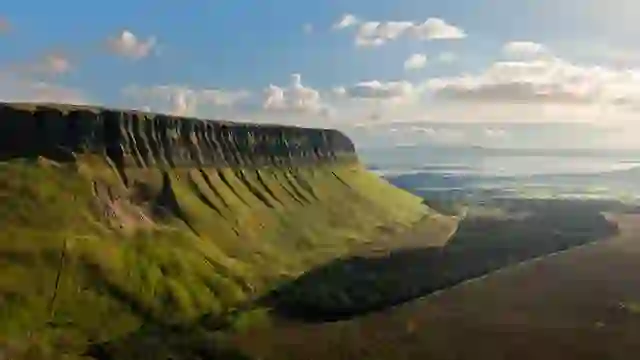
    donegal-inset-two-benbulben donegal-inset-two-benbulben

    Ben Bulben, County Sligo

    Beyond County Donegal

    Just beyond Donegal’s borders, the walled city of Derry~Londonderry offers centuries of history alongside a vibrant cultural scene. Walk the 400-year-old city walls, visit the striking Guildhall, explore the city’s museums and discover the restaurants, pubs and festivals that make it one of Northern Ireland’s most compelling destinations.

    Nearby, the Sperrin Mountains provide scenic drives, walking trails and some of the most unspoilt landscapes in the north of Ireland.

    To the south, neighbouring County Sligo combines dramatic scenery with a rich literary heritage. Explore the distinctive silhouette of Ben Bulben, take in the spectacular coastal views around Mullaghmore or follow in the footsteps of WB Yeats, whose work was inspired by the county’s landscapes and folklore.

    Between the rich history of Derry~Londonderry and the dramatic landscapes of Sligo and beyond, there’s plenty more to add to your north-west adventure. The Wild Atlantic Way awaits so start planning your trip now.

    Discover the top experiences along the Wild Atlantic Way

    Read more
    Experience as part of:

    From soaring sea cliffs and Atlantic islands to vibrant towns and rich traditions, Donegal is Ireland’s untamed north-west at its very best.

    Donegal is where Ireland feels wilder. Along the island’s rugged north-west edge, towering sea cliffs, golden beaches and winding coastal roads create a landscape shaped by the Atlantic at every turn. But beyond the scenery, Donegal is a place of strong local character – where trad music spills from cosy pubs, surfing thrives beside remote fishing villages and life still moves to the rhythm of the sea. From the rugged slopes of Errigal and the wild beauty of Glenveagh National Park to the Gaeltacht regions and windswept Malin Head, Donegal captures the adventurous spirit of the Wild Atlantic Way as few places can.

    Hikers on Slieve League Cliffs with dramatic coastal views in County Donegal. Hikers on Slieve League Cliffs with dramatic coastal views in County Donegal.

    Slieve League Cliffs, County Donegal

    Courtesy of Paul Lindsay

    County Donegal attractions

    The challenge in Donegal isn’t finding something remarkable to see – it’s deciding where to go first. Follow the coast along the Wild Atlantic Way, where scenic drives reveal hidden coves, dramatic headlands and ever-changing seascapes. Stand atop the soaring Slieve League Cliffs and see the storms raging over the Atlantic Ocean. Or explore the untamed beauty of Glenveagh National Park with its dramatic castle and herd of wild deer.

    Discover the Inishowen Peninsula, home to Malin Head, Ireland’s most northerly point. Then take the scenic ferry ride across Lough Swilly to the neighbouring peninsula of Fanad, where the Fanad Head Lighthouse offers unforgettable coastal views.

    On Tory Island, whose remoteness has led to a preservation of old traditions and culture, locals still tell tales of giants and old gods. While on Arranmore, the past sits easily alongside the modern world in this, Ireland’s first offshore digital hub.

    You’ll see those traces of an ancient past everywhere, in the stone circles and portal tombs, and most impressively, in the circular stone fort of Grianán of Aileach, which offers panoramic views of the surrounding countryside. But Donegal is also a playground for holiday makers, surfers, golfers and more who revel in the energy and spirit of lively seaside towns like Bundoran, Dunfanaghy and Dunloe.

    Walking in County Donegal

    Donegal is a dream for walkers of all abilities and you can expect spectacular views across mountains, lakes and coastline. Seasoned hikers will relish the challenge of climbing Errigal, the county’s highest peak, or following the 65km Bluestack Way from Donegal town to Ardara.

    Those looking for less strenuous routes can try the nature trails in the Ards Forest Park and Glenveagh National Park, coastal walks like the 4.5km Rougey Cliff Walk outside Bundoran, or a guided walking tour of Donegal town, with its Viking roots and 15th-century Donegal Castle.

    Aerial view of Silver Strand Beach in County Donegal, surrounded by dramatic cliffs and Atlantic Ocean. Aerial view of Silver Strand Beach in County Donegal, surrounded by dramatic cliffs and Atlantic Ocean.

    Malin Beg Beach (Silver Strand), County Donegal

    County Donegal’s beaches

    Time and nature have carved Donegal’s coast into something spectacular. Its 1,100km coastline boasts over 100 beaches, from secluded coves to long golden strands. Highlights include Ballymastoker Beach, voted one of the most beautiful in the world by readers of The Observer, Trá Mór, selected by Lonely Planet as one of Ireland’s top beaches, and Malin Beg (Silver Strand) Beach, a glorious crescent of sand surrounded by horseshoe-shaped cliffs, which is accessed via 174 steps.

    Explore 10 great beaches on the Wild Atlantic Way

    Culture and heritage in County Donegal

    Donegal’s rich culture is never far away. Explore the county’s Gaeltacht regions, where the Irish language and traditional customs remain part of everyday life, or spend an evening enjoying traditional music in Donegal town and Gweedore, long celebrated for their lively pub sessions and cultural heritage.

    Discover life in rural Ireland at Glencolmcille Folk Village, and the secrets of traditional Donegal tweed in Ardara, while in Letterkenny, a vibrant calendar of festivals, events and food experiences adds another dimension to the county’s appeal.

    donegal-inset-two-benbulben donegal-inset-two-benbulben

    Ben Bulben, County Sligo

    Beyond County Donegal

    Just beyond Donegal’s borders, the walled city of Derry~Londonderry offers centuries of history alongside a vibrant cultural scene. Walk the 400-year-old city walls, visit the striking Guildhall, explore the city’s museums and discover the restaurants, pubs and festivals that make it one of Northern Ireland’s most compelling destinations.

    Nearby, the Sperrin Mountains provide scenic drives, walking trails and some of the most unspoilt landscapes in the north of Ireland.

    To the south, neighbouring County Sligo combines dramatic scenery with a rich literary heritage. Explore the distinctive silhouette of Ben Bulben, take in the spectacular coastal views around Mullaghmore or follow in the footsteps of WB Yeats, whose work was inspired by the county’s landscapes and folklore.

    Between the rich history of Derry~Londonderry and the dramatic landscapes of Sligo and beyond, there’s plenty more to add to your north-west adventure. The Wild Atlantic Way awaits so start planning your trip now.
    Discover the top experiences along the Wild Atlantic Way

    Read more
    Experience as part of:
    Dramatic rocky cliffs and headlands on the Dingle Peninsula, featured in Star Wars: The Last Jedi filming. Dramatic rocky cliffs and headlands on the Dingle Peninsula, featured in Star Wars: The Last Jedi filming.
    mount-errigal-landscape-county-donegal-hero-v1 mount-errigal-landscape-county-donegal-hero-v1
    Donegal is richly endowed with the island's traditional culture, beauty and spirit. Saki Knafo, Condé Nast Traveler
    County Donegal FAQs
    Where is County Donegal?

    County Donegal is in the Republic of Ireland. It’s located in the north-east of the island and is bordered by County Londonderry in Northern Ireland to the east and County Leitrim to the south.

    What is Donegal famous for?

    County Donegal is famous for its spectacular scenery – towering sea cliffs, rugged headlands and pristine beaches beloved by surfers. It’s also known for Donegal tweed, a fabric still woven using techniques passed down through generations. The county’s music scene has given us some of the biggest names in Irish music – singer Enya and folk groups Clannad and Altan all hail from here. Donegal is also home to the largest Gaeltacht (Irish-speaking) region in Ireland.

    Where are the best places to stay in County Donegal?

    If you’re wondering where to stay in County Donegal, you’ll be pleased to know that you’ll find accommodation options to suit all budgets and tastes. Towns like Dunfanaghy, Buncrana and Letterkenny are great bases for exploring north Donegal and neighbouring County Londonderry. While Donegal town, Bundoran and Killybegs are good for the south.

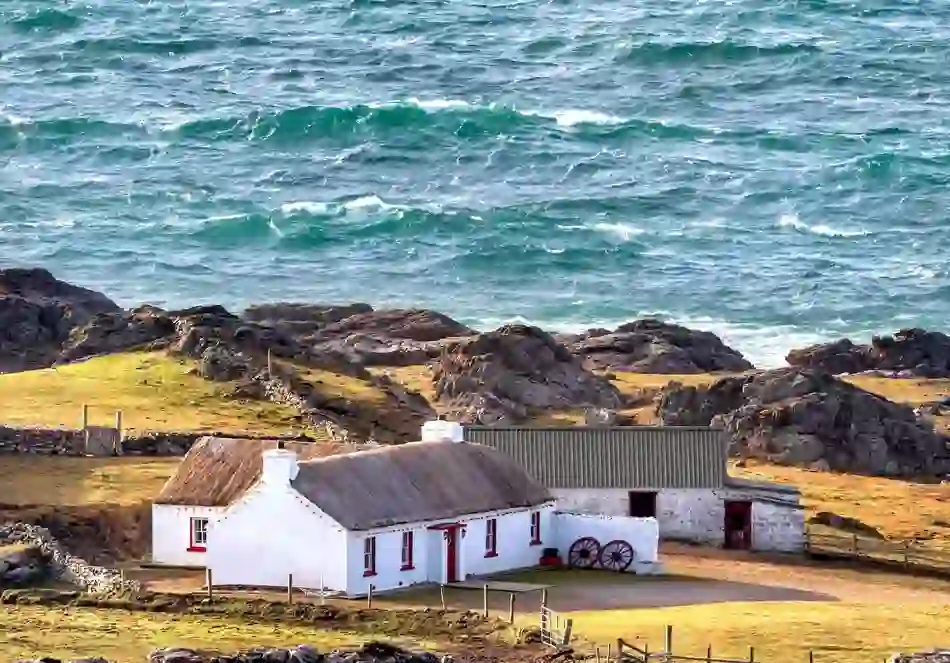
    Some stand-out places to stay include the 5-star Lough Eske Hotel, award-winning B&B Moorfield Lodge outside Letterkenny and the traditional thatched cottages at Mamore on the Inishowen Peninsula.

    How far is Donegal from Belfast?

    Belfast is 147km from Letterkenny in north Donegal (around a 2-hour drive). Gallagher’s Coaches operate a private bus service from Belfast to Letterkenny with a journey time of around 2 hours.

    If you’re heading for the south of the county, it’s a 176km trip from Belfast to Donegal town (around 2 hours 20 minutes). You can get the 261 bus from Belfast to Enniskillen and then take the Expressway 30 bus to Donegal town – a journey time of 3 hours 30 minutes.

    It’s worth noting that you can fly from Dublin to Donegal Airport (one of the most scenic in the world) and City of Derry Airport is just a short distance from Donegal, making this remote county surprisingly accessible.

    How many days should I spend exploring Donegal?

    Donegal is one of Ireland’s largest counties and it’s packed with things to see and do, from walking, surfing and golfing to sightseeing. You could easily spend a week here, exploring the county and its surrounding regions. If you only have a few days, it’s best to base yourself in either the north or the south and give yourself time to enjoy what Donegal has to offer. Start planning your trip with this 4-day Donegal itinerary.

    When is the best time of year to visit Donegal?

    Visit between the months of May and September and you’ll get the best weather and longer days for outdoor adventures, as well as festival fun at events such as the Rory Gallagher International Tribute Festival (May) and the Earagail Arts Festival (July).

    Winter is a quiet time and you’ll likely have Donegal’s beautiful beaches all to yourself. It’s the perfect chance to witness the power of the Atlantic on wave-lashed headlands and then warm up by a roaring turf fire in a cosy pub.