Mi Irlanda


Vaya... no tienes conexión a internet
Aunque no estés conectado, podrás añadir artículos a «Mi panel». Las nuevas recomendaciones de viaje solo se mostrarán una vez que vuelvas a estar conectado.
Los artículos sin ubicación física no se muestran en la vista mapa.
Parece que tu panel está vacío
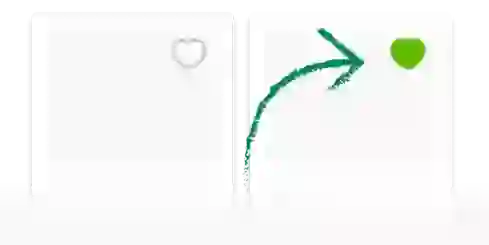
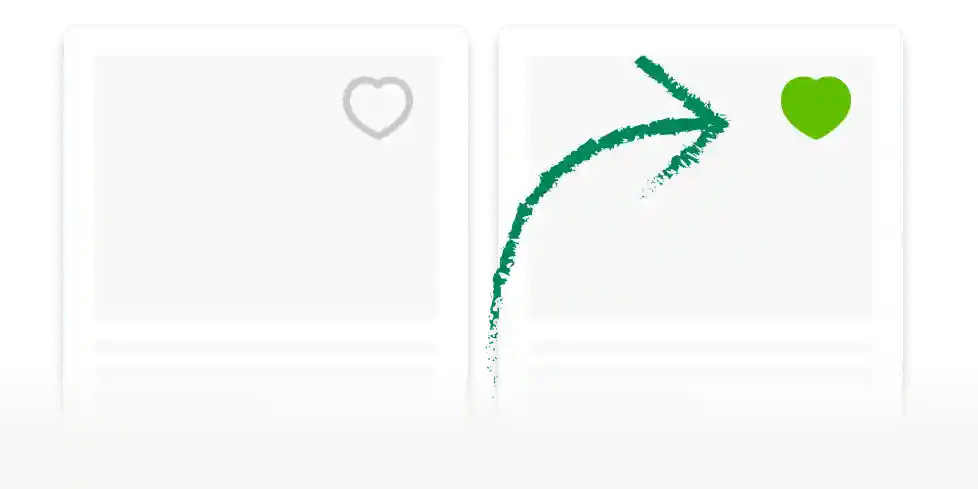
Imagen de portada de la colección
Visible para las personas con las que compartes tu panel














¿Deseas crear una cuenta?
Accede a Mi Irlanda iniciando sesión en todos tus dispositivos.
Acceso a la ubicación
- Ver ofertas y promociones cercanas
- Busca inspiración para viajar en función de tu ubicación
- Obtén información esencial y previsiones meteorológicas locales
- 1 Abre los ajustes de este sitio web en tu navegador.
- 2 Selecciona «Ajustes de ubicación».
- 3 Elige «Permitir».
- 1 Abre el sitio web de Mi Irlanda.
-
![location-ios-step-1]()
![location-ios-step-1]()
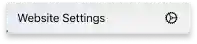
- 2 Selecciona el icono de abajo.
-
![location-ios-step-2]()
![location-ios-step-2]()
- 3 Selecciona «Ajustes del sitio web».
-
![location-ios-step-3]()
![location-ios-step-3]()
- 4 Cambia el estado de ubicación a «Permitir».
-
![location-ios-step-4]()
![location-ios-step-4]()







Fechas del viaje
Dinos cuándo viajas a Irlanda y te mostraremos recomendaciones personalizadas durante tu viaje.
- Eventos recomendados durante tu estancia
- Recordatorios de viajes y actualizaciones útiles
Privacidad
Nos tomamos muy en serio tu privacidad y solo tratamos tus datos con tu permiso. Si es posible, se gestionan de forma anónima y nunca guardaremos tus datos durante más tiempo del necesario. Si deseas obtener más información acerca de cómo tratamos tus datos personales, consulta nuestra Política de privacidad.
Eliminar datos
Para eliminar de forma segura todos los datos asociados a tu perfil, ponte en contacto con nuestro Responsable de protección de datos.
Restablece tu panel
Esta acción eliminará todos los artículos de tu panel a los que hayas dado «Me gusta» previamente. Ten en cuenta que no podrás deshacer esta acción.
User
Acceso a la ubicación
- Ver ofertas y promociones cercanas
- Busca inspiración para viajar en función de tu ubicación
- Obtén información esencial y previsiones meteorológicas locales
- 1 Abre los ajustes de este sitio web en tu navegador.
- 2 Selecciona «Ajustes de ubicación».
- 3 Elige «Permitir».
- 1 Abre el sitio web de Mi Irlanda.
-
![location-ios-step-1]()
![location-ios-step-1]()
- 2 Selecciona el icono de abajo.
-
![location-ios-step-2]()
![location-ios-step-2]()
- 3 Selecciona «Ajustes del sitio web».
-
![location-ios-step-3]()
![location-ios-step-3]()
- 4 Cambia el estado de ubicación a «Permitir».
-
![location-ios-step-4]()
![location-ios-step-4]()
Fechas del viaje
Dinos cuándo viajas a Irlanda y te mostraremos recomendaciones personalizadas durante tu viaje.
- Eventos recomendados durante tu estancia
- Recordatorios de viajes y actualizaciones útiles
Restablece tu panel
Esta acción eliminará todos los artículos de tu panel a los que hayas dado «Me gusta» previamente. Ten en cuenta que no podrás deshacer esta acción.
Cosas que hacer
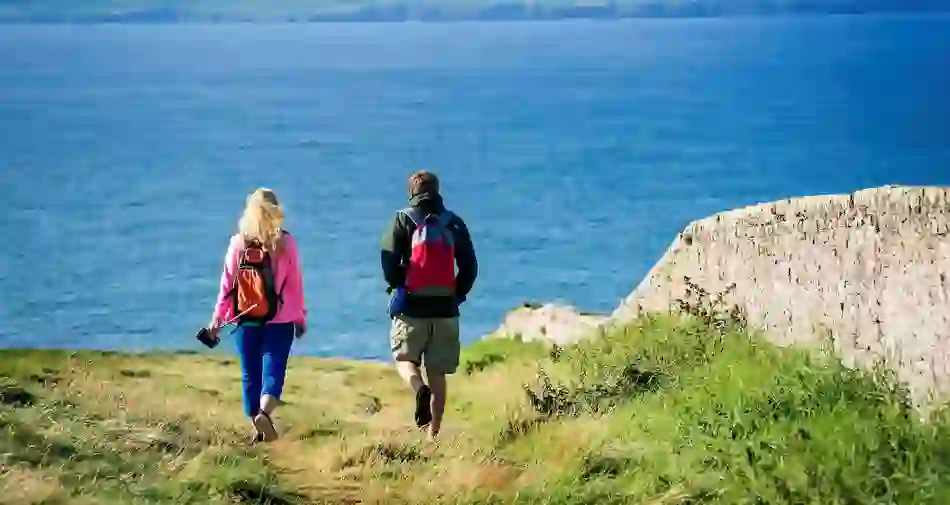
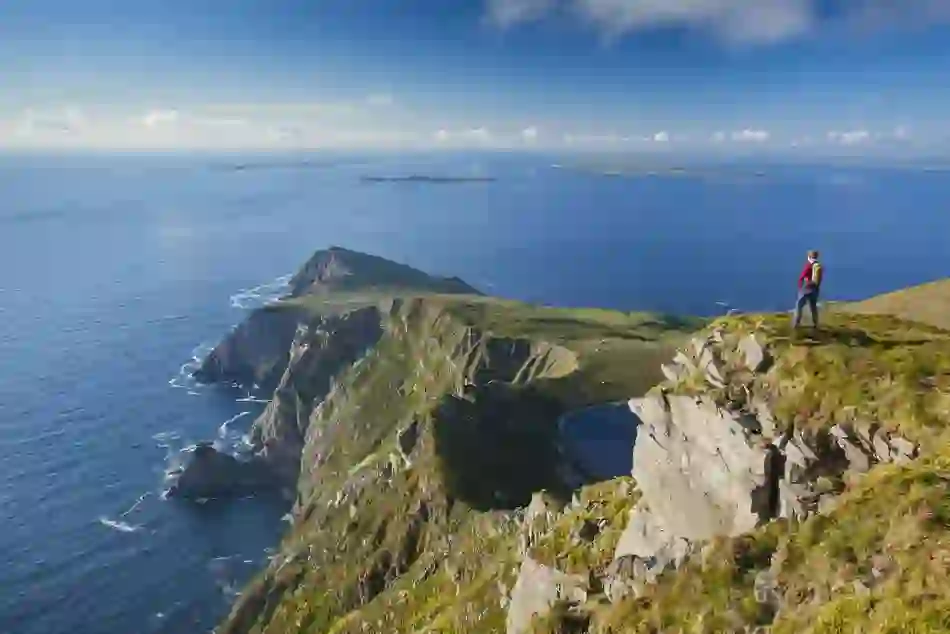
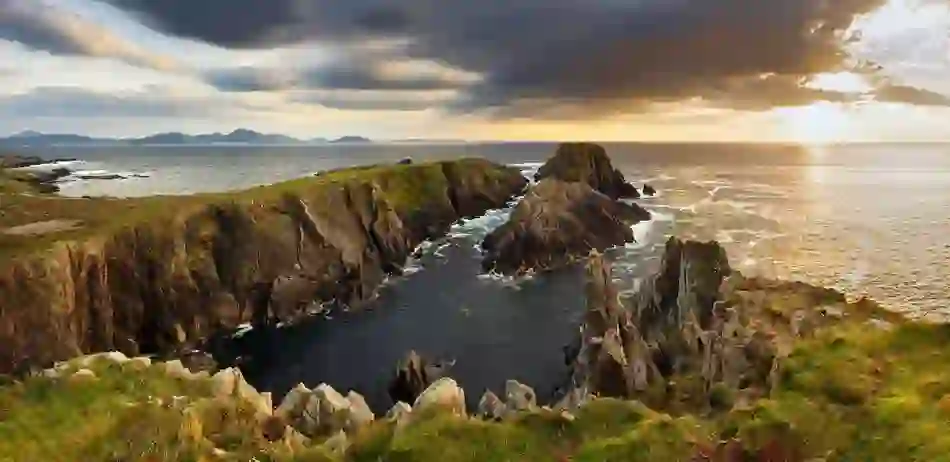
¿Qué te gustaría hacer? ¿Caminar por cordilleras escarpadas? ¿Comer pescado fresco recién salido del mar? ¿Entrar en calor junto a un fuego de turba en un pub irlandés tradicional? Entonces, ¡te va a ENCANTAR visitarnos!

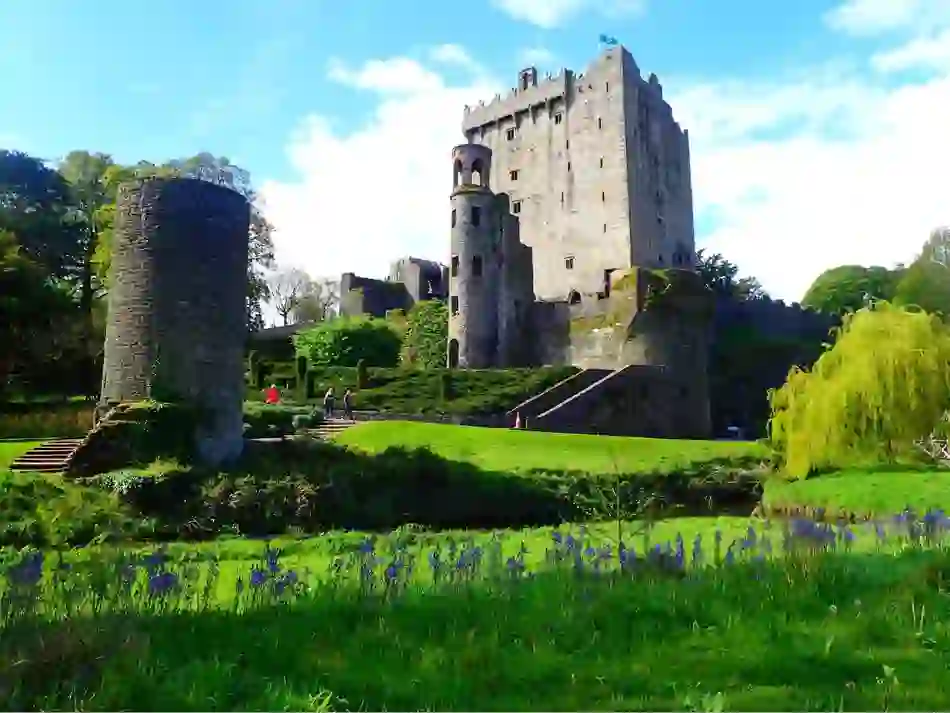

castillo de Blarney
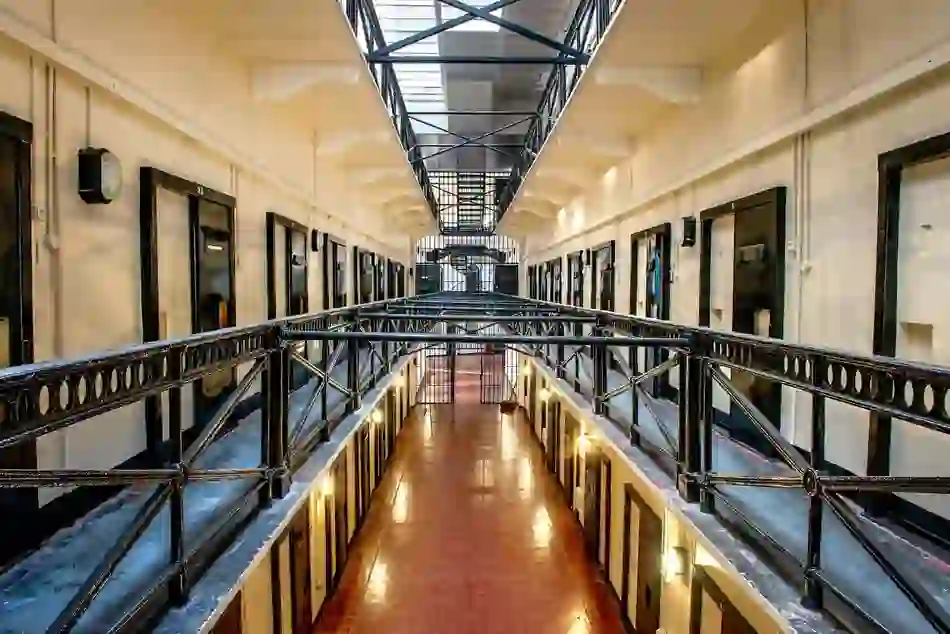

Cárcel de Crumlin Road
Cárcel de Crumlin Road
Sal de las calles de Belfast y déjate llevar por 150 años de historia…